Iffa Jayyana
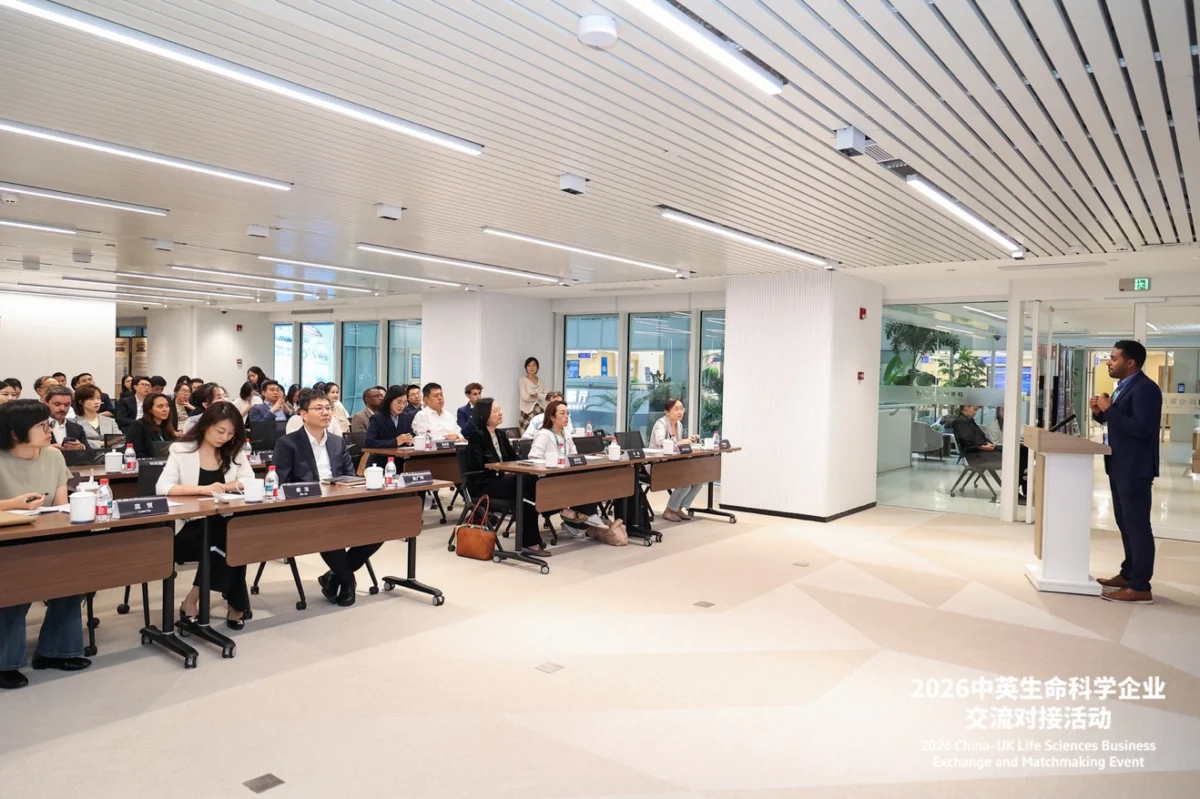
The China (Dongguan) International Science and Technology Cooperation Week, a pivotal event in South China’s innovation landscape, concluded on Sunday, December 10, 2017, having facilitated nearly 500 million yuan (approximately $75.6 million) in science and technology transactions. This significant financial outlay was underpinned by the signing of more than 100 intentional agreements, underscoring Dongguan’s escalating commitment to technological advancement and its strategic repositioning within the global innovation ecosystem. The three-day event, held in Dongguan, a city historically renowned as a manufacturing and trade powerhouse within the bustling Pearl River Delta, served as a dynamic platform for collaboration, showcasing a diverse array of groundbreaking projects from over 300 domestic and international research and development institutes.
A Hub for Innovation and Collaboration
The 2017 edition of the Cooperation Week demonstrated its growing influence as a nexus for scientific and technological exchange. The reported transaction volume, nearing half a billion yuan, reflects robust investor confidence and a tangible commitment from various stakeholders to propel innovation. These deals spanned a multitude of emerging sectors, including advanced manufacturing, artificial intelligence, new energy solutions, biotechnology, and material sciences, aligning with China’s broader national strategies for industrial upgrading and economic transformation. The more than 100 intentional agreements signed represent the initial steps towards concrete partnerships, joint ventures, and technology transfers, promising future growth and the commercialization of cutting-edge research. Participants ranged from established multinational corporations and leading academic institutions to burgeoning startups and specialized R&D centers, all seeking to leverage Dongguan’s industrial base and strategic location. The sheer volume of participants and the diversity of projects on display underscored the event’s role as a critical conduit for bridging scientific discovery with industrial application.
Dongguan’s Strategic Pivot Towards High-Tech
Dongguan’s journey from a global manufacturing hub to an aspiring innovation center is a testament to its proactive industrial transformation strategy. For decades, the city earned its moniker "World Factory" by excelling in the production of a vast array of goods, from electronics to textiles and toys. However, as global economic dynamics shifted and China sought to move up the global value chain, Dongguan recognized the imperative to transition away from labor-intensive, low-margin manufacturing towards knowledge-intensive, high-value industries. This strategic pivot is not merely about attracting high-tech companies but about fostering an indigenous innovation ecosystem, nurturing local talent, and integrating advanced technologies into its existing industrial base. The Science and Technology Cooperation Week is a cornerstone of this strategy, designed to attract foreign investment in R&D, facilitate technology transfer, and encourage domestic innovation by connecting local enterprises with global scientific expertise. Vice-Mayor Bai Tao articulated this vision, stating that "Innovation in technology will help the city better improve its industrial structure," directly addressing the city’s ambition to shed its traditional image and embrace a future driven by intelligence and innovation. This transformation is crucial for Dongguan to maintain its economic vitality and competitive edge in an increasingly sophisticated global economy.

A Legacy of Fostering Innovation: The Event’s Evolution
The China (Dongguan) International Science and Technology Cooperation Week boasts a rich history, having been inaugurated in 2004. Its establishment marked a foresightful initiative by the municipal government to catalyze the city’s industrial upgrade at a nascent stage of China’s innovation drive. Over the past decade and a half, the event has grown significantly in scale, prestige, and international participation. Initially conceived as a platform to introduce advanced technologies to Dongguan’s manufacturing sector, it has evolved into a comprehensive forum for global scientific collaboration, investment promotion, and talent attraction. Each year, the event draws an increasing number of international delegates, reflecting Dongguan’s growing appeal as an innovation destination. Past editions have focused on diverse themes pertinent to regional and national development, including smart manufacturing, environmental technologies, and information technology. The consistent growth in transaction values and the number of agreements signed over the years highlight the event’s increasing effectiveness in achieving its objectives. The 2017 iteration, specifically held from December 8th to 10th, built upon this legacy, bringing together an unparalleled assembly of scientific minds and entrepreneurial ventures, further solidifying its reputation as a premier event for technological exchange in the Pearl River Delta region.
Insights from Global Leaders
A significant highlight of the 2017 Cooperation Week was the presence and valuable insights shared by distinguished figures from the global scientific community. Among them was Robert F. Curl, a recipient of the Nobel Prize in Chemistry in 1996 for his co-discovery of fullerenes. Professor Curl’s participation underscored the international stature the event has achieved and provided attendees with a unique perspective on the future of global technological development. During a forum dedicated to science and technology innovation, Professor Curl offered his expert views on China’s critical need to prioritize the development of artificial intelligence (AI), new energy technologies, and biology. His recommendations resonate deeply with China’s national strategic blueprint, which identifies these sectors as pillars for future economic growth and global competitiveness.
Professor Curl elaborated on his perspective, emphasizing that "As a rising economy, China will play a major role in research and development of new technologies, which will, in turn, help upgrade its economy." This statement reflects an understanding of China’s immense potential, not just as a consumer or manufacturer of technology, but as a genuine innovator and leader in fundamental research. For artificial intelligence, his insights likely touched upon its transformative potential across industries, from manufacturing automation to healthcare and urban management. In new energy, the focus would have been on sustainable solutions, such as advanced battery technologies, solar power, and clean energy storage, critical for addressing climate change and ensuring energy security. For biology, Professor Curl’s expertise would have illuminated the vast opportunities in areas like biomedicine, genetic engineering, and bio-manufacturing, which promise revolutionary advancements in health and agriculture. His presence and discourse served as a powerful endorsement of China’s innovation trajectory and provided a roadmap for key areas of investment and research.
Official Vision and Future Trajectories

The sentiments expressed by Vice-Mayor Bai Tao during the Cooperation Week provided a clear articulation of Dongguan’s strategic direction. His statement regarding the improvement of industrial structure through technological innovation is central to the city’s long-term economic planning. This involves a multi-pronged approach: first, by encouraging existing manufacturing enterprises to adopt intelligent automation, robotics, and advanced IT solutions to enhance productivity and quality; second, by fostering the growth of emerging strategic industries that are high-tech and high-value-added; and third, by attracting and retaining top-tier talent and research institutions. The Dongguan municipal government has implemented various policy incentives, including R&D subsidies, tax breaks for high-tech firms, and support for intellectual property protection, all designed to create a conducive environment for innovation.
Furthermore, Dongguan’s role within the ambitious Guangdong-Hong Kong-Macao Greater Bay Area (GBA) initiative is pivotal. The GBA aims to integrate nine cities in Guangdong province with Hong Kong and Macao into a world-class innovation and economic cluster. Dongguan, with its strong industrial foundation and burgeoning innovation ecosystem, is positioned to serve as a crucial manufacturing and R&D hub within this mega-region. The Cooperation Week actively contributes to this vision by facilitating cross-border collaboration and attracting investment that strengthens the GBA’s collective technological prowess. Officials from various departments, though not explicitly quoted beyond Vice-Mayor Bai, would undoubtedly echo the sentiment that such events are indispensable for showcasing Dongguan’s capabilities, attracting global partners, and reinforcing its commitment to an innovation-driven future. The event acts as a powerful signal to both domestic and international investors that Dongguan is open for business, specifically in the realm of high technology and advanced research.
Driving Economic Upgrades and Regional Synergy
The implications of events like the China (Dongguan) International Science and Technology Cooperation Week extend far beyond the immediate financial transactions. They serve as catalysts for broader economic upgrades, particularly within the Pearl River Delta and the nascent Greater Bay Area. By fostering connections between international research institutions, technology providers, and local enterprises, Dongguan contributes significantly to enhancing the overall competitiveness of the region. The influx of new technologies and ideas helps local businesses innovate, improve efficiency, and develop new products and services, allowing them to compete more effectively in global markets. This drive towards an innovation-led economy is critical for China as a whole, aligning with national strategies like "Made in China 2025," which aims to transform the country into a manufacturing superpower driven by innovation and high-tech capabilities.
The event also plays a crucial role in promoting global technological collaboration. In an increasingly interconnected world, scientific and technological progress often stems from cross-border partnerships. By bringing together diverse stakeholders, the Cooperation Week facilitates knowledge exchange, joint research projects, and the establishment of international R&D centers in Dongguan. This not only benefits the local economy but also contributes to global scientific advancement. The long-term vision for Dongguan is to evolve into a leading science and technology center, not merely a recipient of foreign technology, but a significant contributor to global innovation. This involves cultivating a vibrant ecosystem that supports basic research, applied engineering, intellectual property creation, and the rapid commercialization of research outcomes, ensuring sustained economic dynamism and technological leadership.
Beyond Transactions: Fostering an Ecosystem

While the reported transaction values are impressive, the true impact of the China (Dongguan) International Science and Technology Cooperation Week extends beyond mere monetary figures. The event is instrumental in fostering a holistic innovation ecosystem. It creates invaluable opportunities for knowledge exchange, allowing local scientists and entrepreneurs to interact directly with global experts, learn about international best practices, and gain insights into emerging technological trends. This intellectual cross-pollination is vital for cultivating a culture of innovation and continuous learning within the city. Moreover, the Cooperation Week serves as a powerful platform for talent development and attraction. By showcasing Dongguan’s commitment to technology and its burgeoning opportunities, it draws skilled professionals, researchers, and innovative startups to the region, enriching the local human capital pool.
The event also plays a critical role in brand building for Dongguan. It elevates the city’s profile on the international stage, repositioning it from a manufacturing base to a forward-looking hub for science and technology. This enhanced reputation, in turn, attracts further investment, partnerships, and talent, creating a virtuous cycle of growth. The direct interactions between exhibitors, investors, and government officials facilitate deeper understanding and trust, paving the way for more sustained and impactful collaborations in the future. The connections forged during the three-day gathering often lead to long-term research partnerships, technology transfer agreements, and the establishment of new R&D facilities, all of which contribute to the city’s strategic transformation. In essence, the Cooperation Week is not just a trade fair; it is an incubator for ideas, a forge for partnerships, and a beacon for Dongguan’s future as a global innovation leader.
The successful conclusion of the 2017 China (Dongguan) International Science and Technology Cooperation Week, marked by significant deal values and high-level engagement, firmly reiterates Dongguan’s strategic commitment to innovation-driven development. As the city continues its profound economic transformation, events of this caliber are indispensable for attracting global expertise, fostering collaborative partnerships, and solidifying its position as a critical node in the Guangdong-Hong Kong-Macao Greater Bay Area’s ambitious journey towards becoming a world-leading innovation powerhouse. The momentum generated from this event is expected to fuel sustained growth and technological advancement, propelling Dongguan and the broader South China region into a new era of prosperity.

 Evan Lee Salim
 Suro Senen