Ali Ikhwan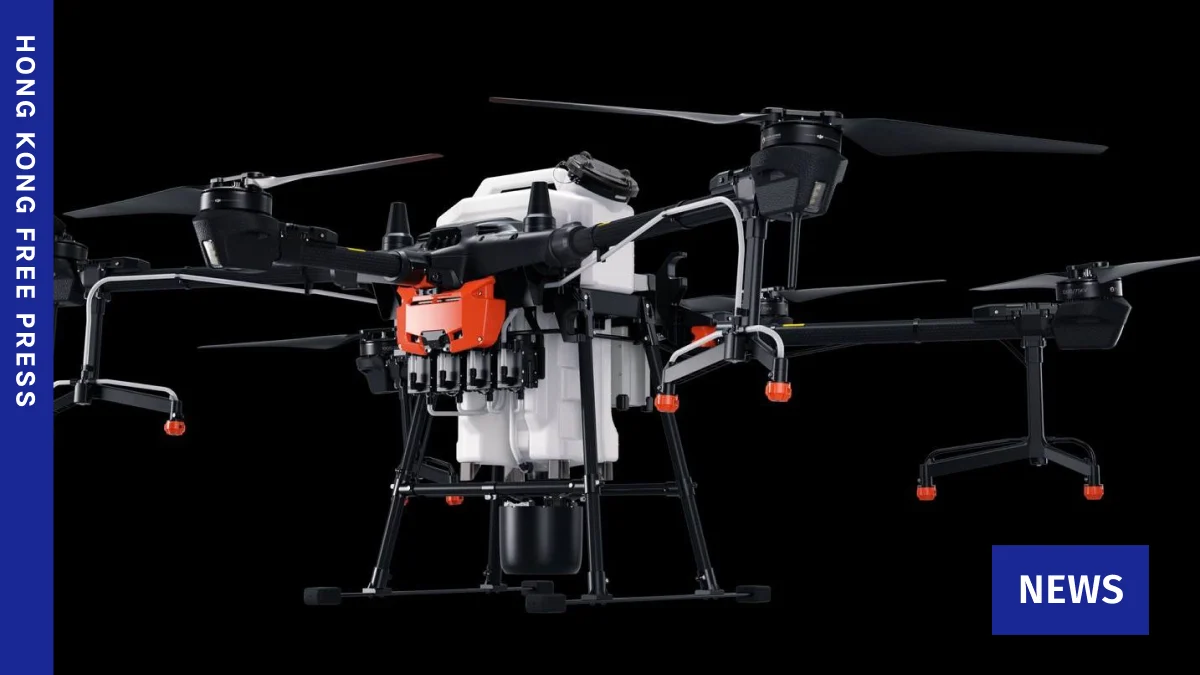
China announced sweeping restrictions on drone exports to the United States and blacklisted six American companies on Wednesday, a significant escalation in the ongoing trade dispute between the two global economic powers. This retaliatory move comes just days after Washington imposed fresh tariffs on China and 59 other nations, signaling a deepening chasm in trade relations and a potential threat to the fragile truce reached late last year.

The Chinese Ministry of Commerce stated that the US actions "seriously harm China’s legitimate rights and interests," prompting Beijing to implement "necessary countermeasures." These measures include not only stringent export controls on drones and their critical components and technologies destined for the US but also a suspension of factory follow-up inspections by Chinese certification bodies. Furthermore, Beijing has blacklisted US compliance testing companies and initiated national security investigations into imports of office printers and copiers, demonstrating a broad-ranging response aimed at impacting various sectors of the US economy.
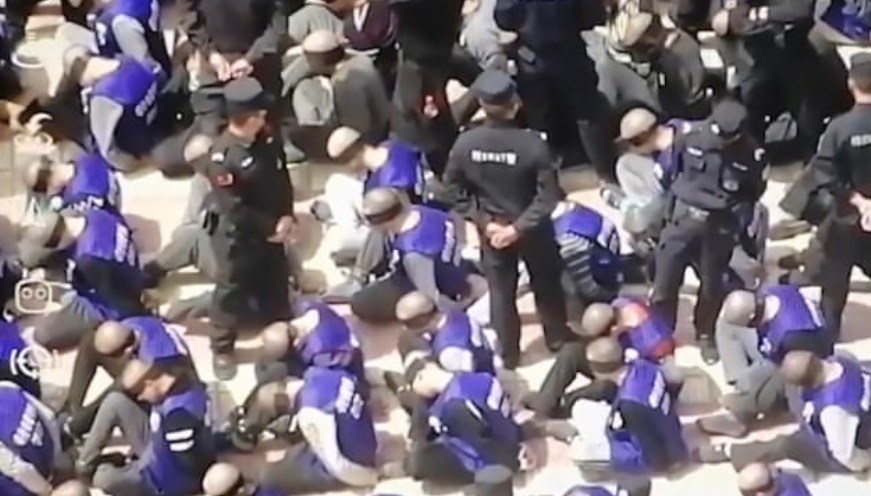
The targeted US businesses include biotech firm Applied DNA Sciences and geoscience research firm Stratum Reservoir. China has barred organizations and individuals within its borders from engaging in any "relevant transactions, cooperation, or other activities" with these blacklisted entities. The Ministry of Commerce explicitly stated that these six entities "have assisted and supported illegal US sanctions related to Xinjiang; the nature of their actions is egregious." This directly links the sanctions to the contentious issue of alleged forced labor in China’s Xinjiang region, where the predominantly Muslim Uyghur minority faces international scrutiny.

Escalating Trade Tensions and the Xinjiang Context
The current trade dispute is rooted in a complex web of economic competition and geopolitical concerns. The United States has increasingly voiced allegations of forced labor and human rights abuses against the Uyghur population in Xinjiang, leading to targeted sanctions and import bans. China vehemently denies these accusations, framing them as interference in its internal affairs and an attempt to undermine its economic development.
The United Nations has previously warned of possible crimes against humanity in the Xinjiang region, a statement that Beijing has consistently rejected. The US tariffs, implemented as part of a broader trade strategy, have been met with strong condemnation from China, which has accused Washington of seeking to "suppress" Chinese companies. This sentiment was further amplified last week when Washington banned imports of humanoid and quadruped robots manufactured abroad, a move perceived by Beijing as another attempt to stifle its technological advancements.
The imposition of these new tariffs by the US has cast a shadow over the trade truce that was established in October of the previous year when US President Donald Trump and his Chinese counterpart Xi Jinping met. This truce had offered a brief respite from the escalating trade war that had characterized much of the preceding year. However, Beijing has issued stern warnings to Washington against engaging in further trade warfare, indicating a readiness to defend its economic interests.
Timeline of Recent Trade Actions and Countermeasures
The recent actions represent a significant acceleration in the tit-for-tat trade measures between the two nations:

- Early [Month, Year – infer from context, e.g., January/February 2026]: The United States imposes fresh tariffs on China and 59 other countries, escalating existing trade tensions.
- [Days after US tariffs]: China announces restrictions on drone exports to the US and blacklists six American companies.
- [Previous Week – infer from context]: Washington bans imports of humanoid and quadruped robots manufactured abroad, a move separate from the new tariffs.
- [October Previous Year]: US President Donald Trump and Chinese President Xi Jinping meet, establishing a temporary trade truce.
- [Much of Previous Year]: China and the United States are embroiled in an escalating trade war.
Background: The US Drone Industry and China’s Dominance
The decision by China to restrict drone exports to the United States carries particular weight given the global market dominance of Chinese drone manufacturers, most notably DJI. DJI, a Shenzhen-based company, holds an estimated 70% share of the global consumer drone market and a significant portion of the commercial drone market. US government agencies, including the Department of Homeland Security, have previously issued warnings about the potential national security risks associated with Chinese-made drones, citing concerns about data security and the possibility of espionage.
These concerns have led to a growing demand within the US for domestically produced drones, particularly for critical applications in law enforcement, infrastructure inspection, and public safety. However, the cost and technological capabilities of Chinese drones have made them the preferred choice for many users. China’s decision to restrict exports could therefore have a tangible impact on the availability and cost of drones for American consumers and businesses, potentially accelerating the push for greater domestic production but also creating short-term supply chain challenges.

Official Statements and Diplomatic Exchanges
The Ministry of Commerce spokesperson articulated China’s position, stating that the US actions "seriously harm China’s legitimate rights and interests" and that Beijing is compelled to take "necessary countermeasures." This rhetoric underscores China’s stance that it is acting in defense of its sovereignty and economic well-being.
In parallel, China’s top trade official, He Lifeng, expressed "serious concern" to US Trade Representative Jamieson Greer during a phone call regarding the recent US restrictions. This exchange highlights the high-level diplomatic engagement surrounding these trade disputes, with both sides seeking to communicate their grievances and potentially de-escalate the situation, albeit through retaliatory measures. The Ministry of Commerce’s statement further detailed the scope of China’s response, indicating a multi-pronged strategy to counter perceived US aggression in the trade arena.

Broader Implications and Analysis
The latest developments in the US-China trade relationship have significant implications beyond the immediate restrictions:
- Supply Chain Disruptions: The drone export controls and investigations into other products could lead to disruptions in supply chains for both countries. US companies relying on Chinese-made drones or components may face shortages or increased costs. Conversely, Chinese companies involved in the targeted sectors could see their access to the lucrative US market curtailed.
- Technological Competition: The inclusion of drone technology and components in export controls underscores the growing importance of advanced technologies in the trade war. Both nations are vying for leadership in areas like artificial intelligence, semiconductors, and advanced manufacturing, and trade restrictions are increasingly being used as tools in this competition.
- Geopolitical Alignment: The US’s focus on human rights issues, particularly in Xinjiang, as a justification for trade actions, also has geopolitical implications. It puts pressure on other countries to align themselves with either the US or China on these sensitive issues, potentially fragmenting global alliances.
- Impact on Innovation: While protectionist measures can sometimes spur domestic innovation, they can also stifle competition and limit access to global talent and technologies. The long-term impact on innovation in both countries remains to be seen.
- Global Trade System: The escalating trade tensions between the world’s two largest economies have the potential to destabilize the global trading system. The rise of unilateral sanctions and retaliatory measures could undermine the principles of free and fair trade that have underpinned global economic growth for decades.
The Chinese Ministry of Commerce’s announcement marks a critical juncture in the ongoing trade friction. The targeting of drone exports, a sector where China holds significant global sway, signals a strategic response designed to exert pressure on the US economy. The inclusion of allegations concerning Xinjiang in the justification for these measures further intertwines economic policy with human rights concerns, creating a complex and volatile geopolitical landscape. As both nations navigate these challenges, the world watches to see if this cycle of retaliation will lead to further escalation or a renewed effort towards de-escalation and diplomatic resolution. The economic and political ramifications of these actions are likely to be felt far beyond the borders of the two protagonists.

 Jia Lissa
 Muslim