Ali Ikhwan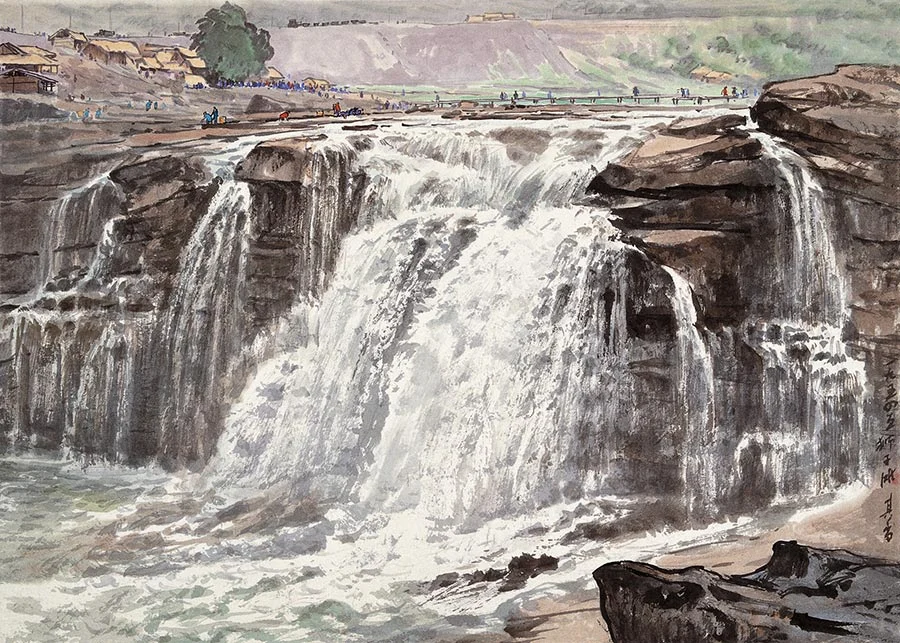
The National Art Museum of China (NAMOC) in Beijing has recently been the recipient of a significant cultural gift: a collection of 71 paintings by the esteemed artist and educator Zong Qixiang (1917-1999). This generous donation, made by the artist’s family, represents a profound continuation of their commitment to preserving and showcasing Zong’s artistic legacy. This marks the second substantial donation from the family to NAMOC, following their previous contribution of 36 ink-brush paintings and watercolors in 2005. The current exhibition, titled Born to Painting, is currently being held at NAMOC and will run through Sunday, serving as a poignant tribute to the centennial anniversary of Zong Qixiang’s birth. The exhibition offers the public an opportunity to engage with a curated selection of these invaluable artworks.
A Legacy of Artistic Exploration and Education
Zong Qixiang, a towering figure in 20th-century Chinese art, was not only a prolific painter but also a dedicated educator who profoundly influenced generations of artists. His artistic journey spanned decades, witnessing significant historical shifts and artistic movements within China. The National Art Museum of China, as a premier institution for the collection, preservation, and exhibition of Chinese art, serves as an ideal custodian for such a significant body of work. The donation underscores the family’s trust in NAMOC’s mission and their desire to make Zong’s art accessible to a wider audience.
![Zong Qixiang's family donates 71 paintings to NAMOC[1]- Chinadaily.com.cn](http://www.chinadaily.com.cn/culture/art/tplimages/99330.files/f_art.gif)
The current exhibition, Born to Painting, is specifically designed to commemorate the 100th anniversary of Zong Qixiang’s birth, a milestone that has prompted a renewed appreciation for his contributions. The selection of works on display highlights the breadth and depth of his artistic output, with a particular emphasis on his iconic ink-brush series depicting Chongqing’s nocturnal cityscape. These particular works hold a special place in Zong’s oeuvre, born from a period of personal hardship and national crisis.
The Genesis of Chongqing’s Night Views: Art Forged in Adversity
Zong Qixiang’s famous ink-brush series capturing Chongqing’s night view originated approximately 78 years ago, during the tumultuous period of the War of Resistance Against Japanese Aggressions (1931-1945). Seeking refuge in the wartime capital, Zong found himself deeply moved by the city’s unique topography and its resilient spirit, even under the veil of darkness. The city’s strategic location, nestled amidst undulating hills and bisected by the Yangtze River, presented a challenging yet captivating subject for his artistic sensibilities.
In depicting these nocturnal scenes, Zong Qixiang demonstrated a masterful command of traditional ink-brush techniques, infused with a modern sensibility. He employed varying shades of ink with remarkable precision, creating a sense of depth and atmosphere. Crucially, he adopted the liubai, or "leaving blanks," technique, a hallmark of traditional Chinese painting. This method, far from being an absence of art, is a deliberate artistic choice that signifies the graduation of brightness within the darkness of night. By strategically leaving areas of the paper untouched or lightly washed, Zong was able to evoke the subtle gradations of light, allowing the viewer to perceive the twinkling illumination of Chongqing.
![Zong Qixiang's family donates 71 paintings to NAMOC[1]- Chinadaily.com.cn](http://www.chinadaily.com.cn/culture/art/tplimages/99330.files/w_art.gif)
The viewer can discern the luminous glow of distant lights, the layered architecture of houses clinging to the steep mountain slopes, the winding, uneven paths etched into the terrain, and the bustling, albeit shadowed, streets below. These elements are rendered with a delicate balance of fluidity and precision, capturing the dynamism of urban life while simultaneously conveying the profound stillness of the night. The series is not merely a topographical representation; it is an evocation of mood, a testament to the enduring human spirit in the face of war and uncertainty. The masterful use of ink and space imbues the paintings with a palpable sense of place and time, making them enduringly powerful.
A Lifelong Communion with Nature
Beyond his urban landscapes, Zong Qixiang harbored a profound and lifelong love for nature, a sentiment that invariably found its expression in his art. His canvases are replete with landscapes that capture the sublime beauty of the natural world, from majestic mountains to tranquil waters. This deep connection to nature was not merely aesthetic; it was a philosophical grounding that informed his artistic practice and his approach to life. He viewed nature as a source of inspiration, a wellspring of truth, and a constant reminder of the interconnectedness of all things.
This deep appreciation for nature likely stemmed from his extensive travels and his keen observation of the world around him. His artistic journeys took him to diverse landscapes, each offering unique visual and spiritual experiences that he translated onto paper and silk. The subtle nuances of light and shadow, the textures of earth and stone, the ephemeral beauty of changing seasons – all these elements were meticulously observed and artfully rendered in his works. His ability to capture the essence of a natural scene, rather than just its superficial appearance, is a testament to his profound understanding and reverence for the environment.
![Zong Qixiang's family donates 71 paintings to NAMOC[1]- Chinadaily.com.cn](http://www.chinadaily.com.cn/culture/art/tplimages/99330.files/in_art.gif)
The Educator’s Enduring Wisdom
Zong Qixiang’s impact extended far beyond his personal artistic achievements; he was a dedicated educator who shaped the minds and artistic trajectories of numerous students. For many years, he taught at the prestigious Central Academy of Fine Arts, a leading institution for art education in China. His pedagogical philosophy was characterized by an emphasis on critical thinking and individual artistic expression.
His oft-quoted advice to his students, "If you see the world from the perspective of other people, without the critical thinking of yourself, you will end up being nobody," encapsulates his commitment to fostering independent artistic voices. This statement highlights his belief that true artistry lies not in imitation or conformity, but in the courage to forge one’s own path, to question, to analyze, and to develop a unique perspective. He encouraged his students to engage deeply with the world, to observe critically, and to translate their individual experiences and insights into their art. This approach fostered a generation of artists who were not only technically proficient but also intellectually curious and artistically innovative. His mentorship instilled in them a sense of responsibility towards their craft and a commitment to artistic integrity.
Historical Context and Timeline of Donations
The donation of Zong Qixiang’s works by his family is not an isolated event but a continuation of a thoughtful strategy to ensure his artistic legacy is preserved and accessible. Understanding the timeline provides valuable context:
![Zong Qixiang's family donates 71 paintings to NAMOC[1]- Chinadaily.com.cn](http://www.chinadaily.com.cn/culture/art/tplimages/99330.files/more_art.gif)
- 1917: Zong Qixiang is born, marking the beginning of a life dedicated to art.
- 1931-1945: The War of Resistance Against Japanese Aggressions. Zong Qixiang takes refuge in Chongqing, a period that inspires his iconic night view series.
- Mid-20th Century: Zong Qixiang establishes himself as a prominent painter and begins his long tenure as an educator at the Central Academy of Fine Arts.
- 1999: Zong Qixiang passes away, leaving behind a significant body of work and a lasting educational influence.
- 2005: Zong Qixiang’s family makes their first major donation of 36 ink-brush paintings and watercolors to the National Art Museum of China. This act signifies an early commitment to sharing his art with the public through a national institution.
- 2017: In celebration of Zong Qixiang’s centennial birth anniversary, his family donates an additional 71 paintings to NAMOC. This second, larger donation further solidifies his place in China’s art historical narrative and provides NAMOC with an even richer collection of his works.
- Late 2017: NAMOC hosts the exhibition Born to Painting, showcasing a selection of the donated artworks to mark the centennial anniversary. The exhibition’s duration, through Sunday, indicates a focused period for public engagement with these newly acquired pieces.
This chronological progression illustrates a sustained effort by the family to ensure Zong Qixiang’s art is not confined to private collections but is instead a vital part of the national cultural heritage. The interval of 12 years between the two donations suggests a careful curation and selection process by the family, aiming to present a comprehensive view of the artist’s capabilities and evolution.
Supporting Data and Artistic Significance
The sheer volume of the donation—71 paintings—is substantial, offering a panoramic view of Zong Qixiang’s artistic development and thematic interests. While specific details about the medium and subject matter of all 71 works are not provided in the initial report, the emphasis on the Chongqing night views suggests a focus on his expressive ink-brush techniques.
- Ink-Brush Painting in China: This traditional art form, with roots stretching back over a thousand years, is characterized by its expressive lines, nuanced tonal variations, and philosophical depth. Zong Qixiang’s mastery of this medium, particularly in his innovative approach to depicting light and shadow in nocturnal scenes, places him in a significant lineage of Chinese ink painters.
- The Liubai Technique: The skillful application of liubai is a critical element in Chinese landscape and figurative painting. In Zong’s hands, it transcends mere emptiness, becoming an active element that defines form, suggests atmosphere, and guides the viewer’s eye. Its use in depicting the subtle illumination of a city at night is a sophisticated artistic endeavor.
- Art as a Response to History: Zong’s Chongqing series is a powerful example of how art can serve as a profound response to historical events. Created during a period of intense national conflict, these paintings reflect not only the artist’s personal experiences but also the resilience and spirit of the city and its people. They offer a visual record of a challenging era, imbued with artistic interpretation.
The significance of these works extends beyond their aesthetic merit. They serve as important historical documents, offering insights into urban life, artistic practices, and the socio-political context of China during the mid-20th century. The continued donation of his works to NAMOC ensures that future generations of art historians, students, and the general public will have access to these vital pieces of Chinese art history.
![Zong Qixiang's family donates 71 paintings to NAMOC[1]- Chinadaily.com.cn](http://www.chinadaily.com.cn/culture/art/tplimages/99330.files/app.gif)
Official Responses and Future Implications
While direct quotes from NAMOC officials are not included in the provided text, the acceptance of such a significant donation and the subsequent exhibition of the works speak volumes about the institution’s recognition of Zong Qixiang’s importance. The museum’s decision to host Born to Painting underscores its commitment to honoring significant artists and their contributions to Chinese culture.
The implications of this donation are multifaceted:
- Enhanced Museum Collection: The addition of 71 paintings significantly enriches NAMOC’s holdings of Zong Qixiang’s work, providing a more comprehensive representation of his artistic career. This allows for more in-depth scholarly research and more diverse exhibitions in the future.
- Public Engagement and Education: The exhibition provides a crucial opportunity for the public to engage with Zong Qixiang’s art firsthand. This fosters greater appreciation for his artistic achievements and his historical context, contributing to art education and cultural awareness.
- Preservation of Cultural Heritage: By entrusting these works to a national museum, the Zong family ensures their long-term preservation and accessibility. This safeguards a vital part of China’s artistic heritage for posterity.
- Inspiration for Contemporary Artists: Zong Qixiang’s innovative techniques and his philosophy of critical thinking can continue to inspire contemporary artists, encouraging them to explore new avenues of expression and to develop their unique artistic voices. His emphasis on observation and personal interpretation remains highly relevant in today’s art world.
In conclusion, the donation of 71 paintings by Zong Qixiang’s family to the National Art Museum of China is a momentous cultural event. It not only celebrates the centennial anniversary of a master artist and educator but also ensures that his profound artistic legacy will continue to be appreciated, studied, and admired for generations to come. The exhibition Born to Painting serves as a vibrant testament to his enduring talent and his significant contributions to the rich tapestry of Chinese art.

 Asep Darmawan
 Rifan Muazin