 Pevita Pearce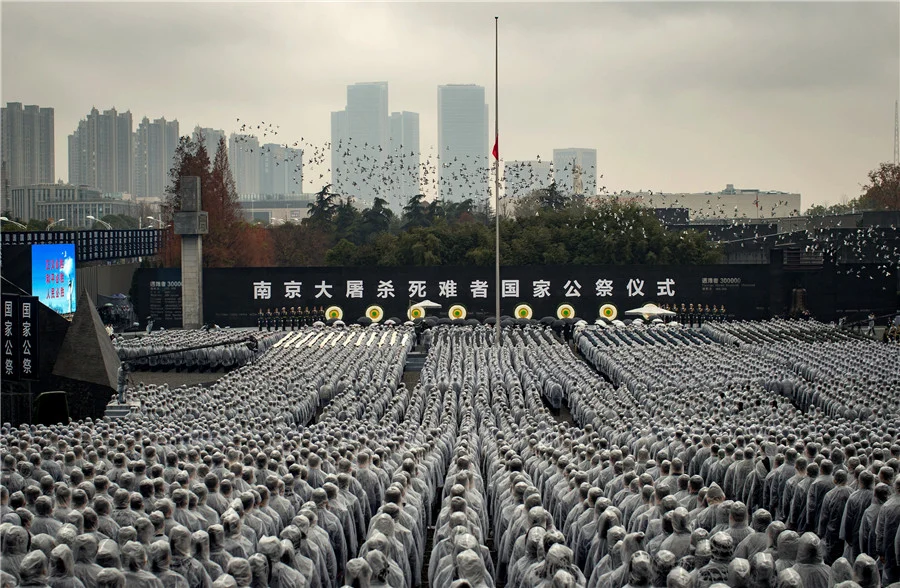
December 13th stands as a day of profound solemnity in China, marking the National Memorial Day for Nanjing Massacre Victims. This day is dedicated to commemorating the horrific slaughter of an estimated 300,000 Chinese civilians and unarmed soldiers by Japanese Imperial Army troops in the brutal aftermath of the fall of Nanjing, then the capital of the Republic of China, during World War II. The establishment of such memorial days by governments of nations that endured the ravages of war serves a critical purpose: to honor the memory of those who perished or made ultimate sacrifices, and to serve as an unyielding reminder of the devastating human cost and profound tragedies inflicted by armed conflict. As nations across the globe grapple with historical legacies and strive for enduring peace, understanding how different countries choose to preserve the memory of wartime history offers invaluable insights into collective remembrance, national identity, and the ongoing pursuit of reconciliation.
The Horrors of Nanjing: A Deep Dive into the Massacre
The Nanjing Massacre, also known as the Rape of Nanjing, represents one of the darkest chapters of 20th-century history. Following the Japanese invasion of China and the subsequent capture of Nanjing on December 13, 1937, the invading forces unleashed a reign of terror that lasted for six weeks. The scale of the atrocities was staggering, encompassing mass executions, widespread rape, looting, and arson. Soldiers, many of whom were already traumatized by the prolonged conflict, were given free rein to commit unspeakable acts against the civilian population.
A Grim Chronology of Events
The events leading up to and during the Nanjing Massacre can be understood through a chronological lens:
- July 7, 1937: The Marco Polo Bridge Incident marks the beginning of the Second Sino-Japanese War, escalating the conflict between China and Japan.
- August 1937: Japanese forces launch a full-scale invasion of China, advancing rapidly towards Shanghai.
- November 1937: Following the fall of Shanghai, Japanese troops pivot towards Nanjing, the Chinese capital, aiming to break Chinese resistance.
- December 13, 1937: Japanese forces breach Nanjing’s defenses and enter the city. This date is widely recognized as the start of the systematic massacre.
- December 1937 – February 1938: For approximately six weeks, the city of Nanjing becomes a scene of unimaginable horror. Soldiers engage in mass executions, often by bayoneting or beheading, and the systematic rape of women and girls, with estimates suggesting tens of thousands of victims. Looting and destruction of property are rampant.
- Post-War Trials: After World War II, the Tokyo War Crimes Tribunal investigates the Nanjing Massacre, with some Japanese military leaders being held accountable for their roles in the atrocities. However, the full extent of accountability remains a contentious issue.
- 1982: The Japanese Ministry of Education revises history textbooks, downplaying the scale and severity of the Nanjing Massacre, sparking widespread condemnation both domestically and internationally.
- 1995: The Nanjing Massacre Memorial Hall is established in Nanjing, serving as a solemn repository of evidence and a place of remembrance.
- 2014: The Standing Committee of the National People’s Congress of China officially designates December 13th as the National Memorial Day for Nanjing Massacre Victims.
Supporting Data and Testimony
The grim statistics and harrowing testimonies from survivors and witnesses paint a stark picture of the massacre. While precise numbers are difficult to ascertain due to the chaos and destruction, historical records and survivor accounts consistently point to a death toll of around 300,000. International observers and journalists present in Nanjing at the time also documented the atrocities, providing crucial external corroboration.
- Estimates of Casualties: While 300,000 is the most commonly cited figure for the total number of victims, this includes those killed in combat, executed civilians, and those who succumbed to injuries or starvation. The number of women raped is estimated to be in the tens of thousands.
- Eyewitness Accounts: Survivors’ testimonies, meticulously collected and preserved, detail acts of extreme brutality, including forced executions of entire families, the abduction and sexual assault of women, and the indiscriminate killing of surrendered soldiers. These accounts are foundational to understanding the human dimension of the tragedy.
- International Documentation: Figures like John Rabe, a German businessman and Nazi Party member who served as chairman of the International Safety Zone Committee in Nanjing, documented the unfolding horrors in his diaries. His writings provide invaluable firsthand accounts of the atrocities and the desperate efforts to protect civilians. American missionaries and doctors, such as Minnie Vautrin, also kept detailed records of the suffering and the systematic violence.
- Forensic Evidence: Archaeological investigations and exhumations have uncovered mass graves, providing physical evidence of the scale of the killings.
Remembering Through Memorialization: Global Approaches to Wartime History
The establishment of memorial days is a universal practice, reflecting humanity’s need to confront its past and learn from its mistakes. Different countries adopt diverse approaches to keeping the memory of wartime history alive, each with its own unique cultural and political context.
China’s National Memorial Day
China’s designation of December 13th as National Memorial Day for Nanjing Massacre Victims is a significant act of state-sanctioned remembrance. It underscores the state’s commitment to acknowledging this historical tragedy and educating future generations about its devastating consequences. The day is observed with solemn ceremonies, including bell-ringing, public vigils, and educational programs. The Memorial Hall of the Victims in Nanjing serves as a central site for these commemorations, housing artifacts, photographs, and survivor testimonies.
Germany’s Culture of Remembrance
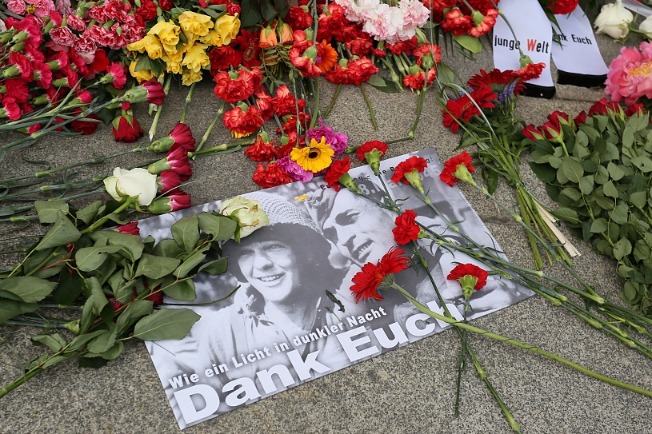
Germany has developed a profound and multifaceted "culture of remembrance" concerning the Holocaust and World War II. Days like Holocaust Remembrance Day (January 27th, marking the liberation of Auschwitz-Birkenau) are observed with deep introspection. Germany’s approach is characterized by open acknowledgment of guilt, extensive educational initiatives in schools, and the preservation of concentration camp sites as memorial and educational centers. This emphasis on confronting the past is widely seen as crucial for its post-war democratic identity and its commitment to preventing future atrocities.
Japan’s Complex Legacy
Japan’s approach to commemorating its wartime history is more complex and often debated. While there are memorials and days dedicated to honoring fallen soldiers, there is a notable absence of a national day explicitly acknowledging the atrocities committed by the Japanese military, such as the Nanjing Massacre. This has led to ongoing discussions and criticisms regarding historical revisionism and the lack of a full national reckoning with the wartime past. Emperor Hirohito’s visit to Pearl Harbor in 1994 and subsequent apologies by Prime Ministers have marked steps towards acknowledging the past, but the issue remains sensitive and a point of contention in international relations.
Allied Nations’ Commemorations
Countries that were part of the Allied forces in World War II, such as the United States, the United Kingdom, and Russia, have numerous days and memorials dedicated to remembering their war dead and the sacrifices made. D-Day commemorations, Remembrance Day (November 11th), and Memorial Day (last Monday in May in the US) are all poignant reminders of the immense human cost of the war and the fight against fascism. These observances often focus on honoring the soldiers who fought and died, the liberation of occupied territories, and the victory over oppressive regimes.
Broader Impact and Implications
The National Memorial Day for Nanjing Massacre Victims carries significant implications, both domestically and internationally.
Promoting Historical Awareness and Education
The primary aim of this memorial day is to ensure that the horrors of the Nanjing Massacre are not forgotten. By educating younger generations about the atrocities, China seeks to instill a deep understanding of the consequences of war and militarism. This is crucial for fostering a sense of national identity rooted in resilience and a commitment to peace.
Shaping International Relations
The Nanjing Massacre remains a sensitive issue in Sino-Japanese relations. China’s emphasis on remembering the massacre serves as a constant reminder to Japan of its wartime responsibilities and the need for sincere remorse and reconciliation. Conversely, historical disputes related to wartime atrocities have, at times, strained diplomatic ties between the two nations.
A Call for Global Peace and Human Rights
The establishment of such memorial days transcends national boundaries. It serves as a universal plea for peace and a condemnation of all forms of violence and human rights abuses. By remembering the victims of the Nanjing Massacre, the world is reminded of the enduring importance of international law, humanitarian principles, and the collective responsibility to prevent future genocides and mass atrocities. The solemn observance on December 13th is not just an act of remembrance for China; it is a global testament to the fragility of peace and the persistent need for vigilance against the darkness of war.


 Nana Wu
 Suro Senen