Iffa Jayyana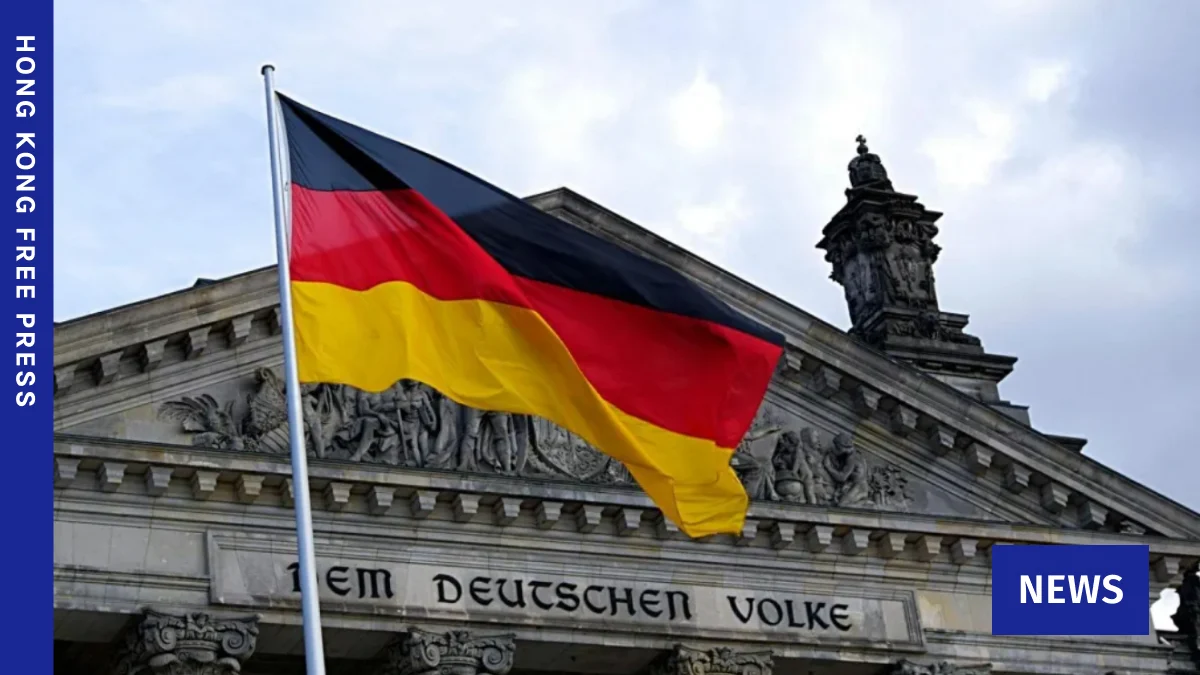
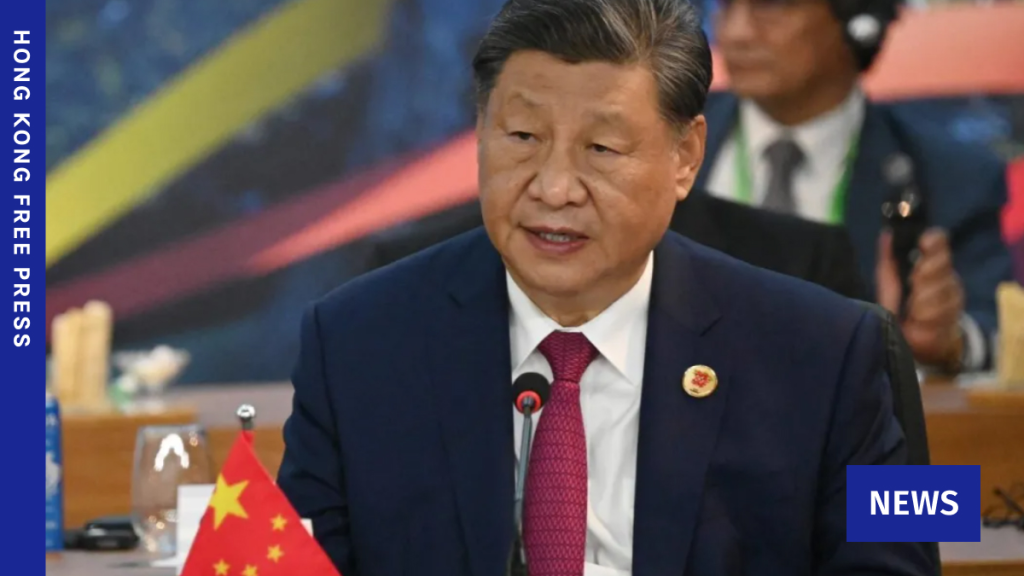
Germany summoned the Chinese ambassador in Berlin for urgent talks on Friday, demanding clarity and explanations regarding media reports alleging that Russian soldiers were receiving military training in China. The German Foreign Ministry described these reports as "deeply disturbing," indicating a significant escalation in Berlin’s concerns over Beijing’s perceived support for Moscow’s ongoing war in Ukraine. The diplomatic démarche underscores the increasing tension between European nations and China regarding the latter’s stance on the conflict.
Immediate Diplomatic Fallout and German Concerns
The summoning of the Chinese envoy took place on Thursday, signaling the gravity with which Berlin views the intelligence. A spokesperson for the German Foreign Ministry confirmed the action on Friday, stating that the reports pointed to direct support for Russia from Chinese state actors, specifically implicating the Chinese People’s Liberation Army (PLA). "Anything that enables Russia to continue its war of aggression against Ukraine also represents a threat to our security," the ministry emphasized in its official statement. This firm declaration highlights Germany’s commitment to upholding international law and protecting European security, a principle that has guided its foreign policy since Russia’s full-scale invasion of Ukraine in February 2022.
The German government has consistently articulated its profound concern over China’s multifaceted support for Russia, which includes not only diplomatic backing but also economic assistance and, potentially, military-related aid. These concerns have been a recurring theme in high-level bilateral discussions, including during a visit by German political leader Friedrich Merz to China in February. During such engagements, German officials have pressed their Chinese counterparts on the importance of adhering to international norms and refraining from actions that could prolong or intensify the conflict in Ukraine. The Foreign Ministry further noted that Germany is actively "addressing this issue in depth with its European partners," indicating a coordinated diplomatic response across the European Union.

Origin of the Allegations and Chronology
The catalyst for this diplomatic incident was a report published on May 20 by the German daily Die Welt. Citing classified documents from various European intelligence services, the newspaper alleged that the Chinese army had secretly trained several hundred Russian soldiers on its territory. Crucially, the report claimed that some of these trained Russian personnel had subsequently been deployed to fight in Ukraine. These revelations, while not independently verified by international news agencies like AFP at the time of their publication, immediately raised alarms in European capitals.
The timing of the Die Welt report added another layer of complexity and scrutiny. It emerged precisely in the middle of a high-profile summit in Beijing, bringing together Russian President Vladimir Putin and Chinese President Xi Jinping. This summit, held in mid-May, reaffirmed the "no-limits" partnership between the two nations and underscored their deepening strategic alignment against what they perceive as Western hegemony. Against this backdrop, reports of direct military training for Russian troops would represent a significant escalation of China’s involvement, moving beyond mere diplomatic and economic support to direct military enablement.
Germany’s Evolving China Strategy and European Unity
Germany, as Europe’s largest economy, has long navigated a complex relationship with China, balancing vast economic ties with growing geopolitical concerns. However, Russia’s invasion of Ukraine triggered a fundamental reassessment of Germany’s foreign and security policy, famously dubbed the "Zeitenwende" (turning point) by Chancellor Olaf Scholz. This shift has seen Germany increase its defense spending, provide substantial military aid to Ukraine, and actively work to reduce its economic dependencies on authoritarian states.

In this evolving landscape, China’s relationship with Russia has become a central point of contention. While Beijing has officially maintained a position of neutrality regarding the conflict in Ukraine, it has consistently refused to condemn Russia’s actions and has deepened its economic and political cooperation with Moscow. German officials, alongside their European counterparts, have repeatedly warned China against providing material support to Russia that could be used in its war effort. Any evidence of direct military training would be viewed as a grave violation of international norms and a direct challenge to European security interests.
The European Union, as a collective, has also been increasingly vocal about China’s role. High-level EU officials have engaged with Beijing, urging it to use its influence to de-escalate the conflict and respect Ukraine’s sovereignty. The EU’s strategy towards China, outlined in various policy documents, labels Beijing simultaneously as a partner, competitor, and systemic rival. Reports of military training for Russian soldiers would undoubtedly push China further into the "systemic rival" category, potentially triggering stronger punitive measures from Brussels.
China’s ‘No-Limits’ Partnership and Official Neutrality
Since February 2022, China has struggled to reconcile its declared neutrality in the Ukraine conflict with its deepening "no-limits" partnership with Russia. While Beijing has refrained from providing direct lethal aid to Russia – a red line repeatedly warned against by Western powers – its economic and diplomatic support has been crucial for Moscow in mitigating the impact of Western sanctions. China has become Russia’s largest trading partner, importing vast quantities of Russian oil and gas, and supplying dual-use goods that Western intelligence agencies suspect could have military applications.
The Kremlin and Beijing have consistently dismissed accusations of any wrongdoing, portraying their relationship as a mutually beneficial strategic alliance that respects international law. Following the Die Welt report, it is highly probable that China would issue a strong denial, reiterating its commitment to peace and its official position of not taking sides in the conflict. However, such denials may increasingly fall on deaf ears in European capitals, where patience for China’s ambiguous stance is wearing thin.

The strategic alignment between China and Russia is rooted in a shared desire to counter what they perceive as a unipolar world dominated by the United States and its allies. Both nations advocate for a multi-polar global order and frequently criticize NATO expansion and Western sanctions. This ideological convergence often translates into coordinated diplomatic efforts and, as alleged, potentially even military cooperation.
Historical and Contemporary Military Cooperation
The military ties between China and Russia have a long history, dating back to the Cold War era. More recently, however, this cooperation has intensified significantly. Both nations regularly conduct joint military exercises, often involving naval and air forces, across various regions including the Pacific, the South China Sea, and even within Russia. These exercises serve to enhance interoperability, share tactical knowledge, and project a unified front against perceived external threats.
Russia has also historically been a major supplier of advanced military technology to China, particularly in areas like fighter jets, air defense systems, and naval vessels. While China’s indigenous defense industry has grown exponentially, Russia still provides expertise and components that enhance the PLA’s capabilities. Conversely, China has been developing its own sophisticated military technologies, and there’s a growing exchange of military knowledge and hardware between the two.
Reports of China providing training to Russian soldiers, if verified, would mark a new and more direct form of military support. It would signify a qualitative shift from merely selling components or conducting joint exercises to actively enhancing the combat readiness of Russian forces for a specific conflict. This could include specialized training in areas like drone operation, cyber warfare, or advanced logistics, which are critical in modern conflict zones like Ukraine.

Strategic Implications and Future Outlook
The allegations of Chinese military training for Russian soldiers carry profound strategic implications for global security and international relations. If substantiated, such actions would severely undermine China’s claims of neutrality and could lead to a significant deterioration of its relations with European countries and the broader West.
For the war in Ukraine, direct Chinese military training could provide Russia with a critical advantage, especially if it involves specialized skills or tactics where Russian forces might be lacking. It would also signal to Kyiv and its Western allies that China is actively working to support Russia’s war machine, potentially prolonging the conflict and increasing human suffering.
From NATO’s perspective, this development would reinforce concerns about the growing revisionist axis between Beijing and Moscow. It could lead to increased calls for a more robust and unified Western response, potentially including secondary sanctions against Chinese entities found to be involved. It would also compel NATO members to further strengthen their collective defense and deterrence capabilities, particularly in Eastern Europe.
The broader implications for the global security architecture are also significant. It could further entrench a division between a Western-led democratic bloc and an authoritarian bloc led by China and Russia, making diplomatic resolution of international crises even more challenging. It would also force many non-aligned nations to reconsider their relationships with China, especially those that rely on Beijing for trade but value international peace and sovereignty.

In the immediate future, Germany and its European partners will likely continue to press China for detailed explanations and assurances. The need for independent verification of the Die Welt report will be paramount. However, even without definitive proof, the mere existence of such credible intelligence reports, coming from European intelligence services, is enough to significantly strain diplomatic relations. The episode underscores the ongoing challenge for European nations in balancing their economic interests with China against their security interests and their commitment to supporting Ukraine against Russian aggression. The trajectory of EU-China relations will increasingly be shaped by Beijing’s actions concerning the war in Ukraine.

 Sagoh
Sagoh
 Asro
Asro