Lina Irawan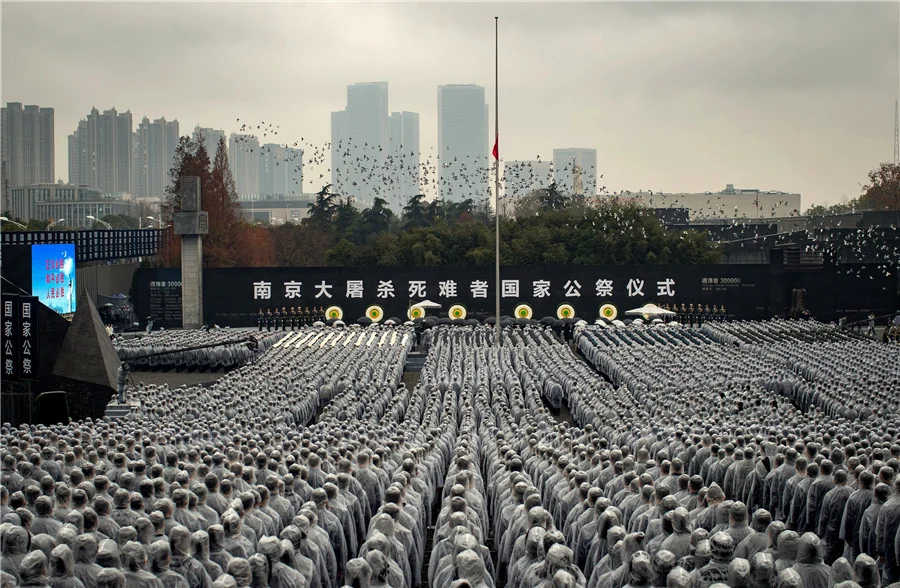
December 13 is observed as the National Memorial Day for Nanjing Massacre Victims, a solemn occasion established to commemorate the horrific atrocities committed by Japanese troops following the fall of Nanjing during World War II. This day serves as a poignant reminder of the estimated 300,000 Chinese civilians and unarmed soldiers who were brutally murdered, raped, and tortured during a six-week period of unparalleled violence. The establishment of such memorial days by governments of major belligerents in wartime is a practice aimed at honoring the deceased, acknowledging immense sacrifices, and underscoring the devastating consequences of war, urging humanity to learn from its most tragic chapters. As China observes this significant day, it is an opportune moment to examine how different nations preserve the memory of wartime history and confront the enduring legacies of conflict.
The Nanjing Massacre: A Deeply Scarred Chapter in History
The Nanjing Massacre, also known as the Rape of Nanjing, represents one of the most brutal and infamous episodes of the Second Sino-Japanese War and World War II. The Imperial Japanese Army captured Nanjing, then the capital of the Republic of China, on December 13, 1937. What followed was a descent into unspeakable barbarism. For approximately six weeks, from December 1937 to January 1938, Japanese soldiers engaged in systematic mass killings, widespread rape, looting, and arson. The scale of the violence was staggering, with estimates of the dead ranging from 200,000 to over 300,000, making it one of the largest and most horrific massacres of the 20th century.
The victims were often civilians, including women and children, as well as disarmed soldiers who had surrendered. Methods of execution were varied and sadistic, including beheadings, bayoneting, and mass shootings. The systematic sexual violence inflicted upon women was particularly pervasive, with estimates suggesting tens of thousands of rapes occurred during the occupation. Beyond the direct loss of life and physical violation, the Japanese army also engaged in extensive destruction of property, leaving much of the city in ruins. The psychological and emotional scars inflicted upon survivors and their descendants continue to resonate through generations.
Establishing a Day of Remembrance
The establishment of the National Memorial Day for Nanjing Massacre Victims on December 13 is a deliberate act by the Chinese government to ensure that this dark period is not forgotten. This commemoration is not merely about mourning; it is a critical component of historical memory and a tool for national reconciliation and international understanding. By designating a specific day, China aims to:
- Honor the Victims: To provide a formal and collective platform for remembrance and to pay tribute to the lives lost and the suffering endured.
- Educate Future Generations: To ensure that the younger generations are aware of the atrocities of war and the immense human cost.
- Promote Peace: To serve as a stark warning against the recurrence of such violence and to advocate for peace and international cooperation.
- Demand Accountability: While the immediate post-war period saw some war crimes trials, the designation of this day also reflects a broader desire for historical justice and acknowledgment from all parties involved.
A Chronology of Tragedy and Remembrance
The events of the Nanjing Massacre and its subsequent remembrance unfold across a significant timeline:
- December 13, 1937: Japanese Imperial Army captures Nanjing, initiating the six-week period of atrocities.
- Late 1937 – Early 1938: The height of the massacre, characterized by mass killings, widespread rape, looting, and arson.
- Post-WWII Era: The Tokyo War Crimes Tribunal (International Military Tribunal for the Far East) and subsequent national trials in China prosecute some Japanese military personnel for their roles in war crimes, including those committed in Nanjing.
- 1982: The first official commemoration of the Nanjing Massacre takes place in China.
- 1995: The Nanjing Massacre Memorial Hall is established, becoming a central site for remembrance and historical research.
- 2014: The Standing Committee of the National People’s Congress of China officially designates December 13 as the National Memorial Day for Victims of the Nanjing Massacre. This elevated the commemoration to a national level.
- Annually on December 13: China observes the National Memorial Day with solemn ceremonies, including the ringing of bells, air raid sirens, and public gatherings.
Global Approaches to Wartime Memory
The practice of establishing memorial days and sites to remember wartime history is a global phenomenon, though the specific approaches and controversies surrounding them vary.
Germany: Confronting the Holocaust
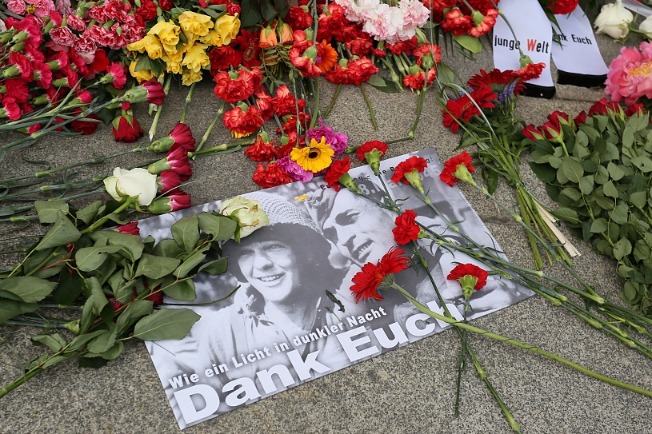
Germany has undertaken a profound and ongoing process of confronting its Nazi past, particularly the Holocaust.
- Day of Remembrance for the Victims of National Socialism (January 27): This day commemorates the liberation of the Auschwitz-Birkenau concentration camp in 1945. It is a day for solemn reflection on the systematic persecution and murder of six million Jews and millions of others.
- Memorials and Museums: Germany hosts numerous meticulously maintained memorials and museums dedicated to the victims of Nazism, such as the Memorial to the Murdered Jews of Europe in Berlin and the Documentation Center Nazi Party Rally Grounds in Nuremberg.
- Educational Programs: There is a strong emphasis on education within German schools and public institutions to ensure that the lessons of the Holocaust are understood and remembered.
- Official Apologies and Reconciliation: German leaders have repeatedly offered apologies for the crimes committed during the Nazi era and have engaged in efforts to foster reconciliation with victim groups and nations.
Japan: A Complex Legacy
Japan’s approach to remembering its wartime history is often characterized by internal debate and international sensitivity.
- Peace Memorials: Hiroshima and Nagasaki, devastated by atomic bombs, have become powerful symbols of peace. Their Peace Memorial Parks and Museums serve as global centers for advocating nuclear disarmament and remembering the human cost of nuclear warfare.
- Yasukuni Shrine: This shrine, which commemorates Japan’s war dead, including convicted war criminals, is a recurring point of contention in Japan’s relations with its neighbors. Many view visits to the shrine by Japanese politicians as a sign of insufficient remorse and a disregard for the suffering inflicted during wartime.
- Government Stance: While successive Japanese governments have expressed regret and apologies for wartime actions, the precise wording and the extent of acknowledgment of specific atrocities, like the Nanjing Massacre, have often been subjects of debate and criticism from neighboring countries.
- Academic and Public Discourse: There is a diverse range of views within Japan regarding its wartime history, with ongoing academic and public discussions about responsibility, memory, and national identity.
South Korea: Enduring Historical Grievances
South Korea, like China, has significant historical grievances stemming from Japan’s colonial rule and wartime actions.
- Commemoration of Colonial Rule: South Korea has days and memorials dedicated to remembering the Japanese occupation and the resistance movements.
- "Comfort Women" Issue: The issue of "comfort women" – women, largely from Korea, forced into sexual slavery by the Imperial Japanese Army – remains a highly sensitive and significant historical grievance. Memorials and advocacy groups continue to push for full acknowledgment and apologies from Japan.
- Diplomatic Strains: Historical issues, including interpretations of wartime events and apologies, frequently strain diplomatic relations between South Korea and Japan.
United States: Remembering Diverse Sacrifices
The United States observes numerous days and maintains memorials to honor its wartime dead and reflect on the sacrifices made.
- Memorial Day (Last Monday in May): Honors all American military personnel who have died in service.
- Pearl Harbor Remembrance Day (December 7): Commemorates the surprise attack on Pearl Harbor in 1941, a pivotal moment that drew the U.S. into World War II.
- World War II Memorial: Located in Washington D.C., it honors the service and sacrifice of all Americans who fought in the war.
- Holocaust Memorial Museum: In Washington D.C., this museum educates the public about the Holocaust and serves as a memorial to its victims.
Supporting Data and Evidence
The Nanjing Massacre is not a matter of conjecture but is supported by a substantial body of evidence:
- Eyewitness Accounts: Survivors’ testimonies, documented in books and oral histories, provide harrowing firsthand accounts of the violence.
- Foreigner Accounts: International observers, missionaries, and journalists present in Nanjing during the massacre, such as John Rabe (a German businessman who led the Nanjing Safety Zone), documented the atrocities in their diaries and letters. These accounts are crucial as they were made by individuals not directly involved in the conflict.
- Photographic and Film Evidence: While often disturbing, photographs and film footage taken by Japanese soldiers, foreign journalists, and even some Chinese individuals provide visual corroboration of the destruction and violence.
- Post-War Trials: The International Military Tribunal for the Far East and subsequent Chinese trials presented extensive evidence, including captured Japanese military documents and testimony, that detailed the systematic nature of the killings and rapes.
- Archaeological Findings: Though challenging due to the passage of time and subsequent development, ongoing archaeological efforts continue to uncover evidence of mass graves and destruction.
Official Responses and International Reactions
The National Memorial Day for Nanjing Massacre Victims elicits varying responses:
- China’s Stance: China uses this day to reiterate its commitment to peace, condemn the atrocities of war, and call for a correct understanding of history. It often uses the occasion to emphasize the importance of Sino-Japanese relations being built on a foundation of historical truth.
- Japanese Government: The Japanese government typically issues statements expressing remorse and apology for wartime actions, often referencing past statements. However, the specificity of these statements and the acknowledgment of specific events like the Nanjing Massacre can vary, leading to criticism from China and other victim nations.
- International Community: While the international community generally acknowledges the historical reality of the Nanjing Massacre, the ongoing debate and differing interpretations of history between China and Japan continue to be a subject of diplomatic observation. Many nations advocate for reconciliation based on accurate historical understanding.
Broader Impact and Implications
The National Memorial Day for Nanjing Massacre Victims carries significant implications:
- Historical Justice and Reconciliation: For China, the commemoration is a crucial step towards seeking historical justice and ensuring that the suffering of its people is recognized. It also forms a basis for potential future reconciliation, which can only truly occur with a shared and honest understanding of the past.
- Regional Stability: The unresolved historical narratives from World War II, including the Nanjing Massacre, continue to cast a shadow over regional stability in East Asia. The way these events are remembered and taught influences current diplomatic relations and public sentiment.
- Global Peace Advocacy: By highlighting the horrors of war, China, through its observance of this memorial day, contributes to the global discourse on peace, human rights, and the prevention of future atrocities. It serves as a potent reminder of the consequences of unchecked militarism and aggression.
- The Power of Memory: The establishment and observance of such memorial days underscore the critical role of collective memory in shaping national identity, fostering civic responsibility, and promoting a more peaceful future. It highlights that acknowledging past wrongs is not about dwelling in the past, but about building a more just and humane present and future. The tragedy of Nanjing serves as a stark testament to the barbarity of war and the enduring importance of remembrance.


 Nana Wu
 Suro Senen