Azzam Bilal Chamdy
The recent trajectory of the Welsh national football team has been a captivating rollercoaster, marked by exhilarating highs and sobering lows over the past eighteen months. Following a period of unprecedented success, the Dragons are now looking to the upcoming China Cup as a crucial opportunity for rejuvenation and a fresh start, as the Football Association of Wales (FAW) seeks to leverage burgeoning international partnerships, particularly with China, to foster growth and development.
A Tale of Two Tournaments: Euro Glory and World Cup Disappointment
The zenith of Welsh football in recent memory was undoubtedly the UEFA European Championship in 2016. Spearheaded by a golden generation of talent, including global superstars Gareth Bale of Real Madrid and Aaron Ramsey of Arsenal, Chris Coleman’s side defied all expectations to reach the semi-finals of the prestigious tournament. This remarkable achievement marked the greatest success in a major international competition for the nation of just over three million people, a constituent country of the United Kingdom. The euphoric journey captivated a nation and cemented Wales’s place on the global footballing map.
However, the dream of continued continental success was soon followed by the stark reality of missing out on the sport’s ultimate prize. In October, Wales failed to qualify for the 2018 FIFA World Cup in Russia, a significant setback that cast a shadow over the optimism generated by their Euro 2016 exploits. This missed opportunity was keenly felt within the Welsh footballing community.
Jonathan Ford, the Chief Executive of the Football Association of Wales (FAW), acknowledged the disappointment, stating, "We missed a golden opportunity." He elaborated on the strategic importance of the upcoming China Cup, emphasizing its role in recalibrating the team’s focus. "But, with the China Cup, we’ll have some matches to basically reset the dials, take the team away, and get a fresh start." This sentiment underscores the FAW’s pragmatic approach to navigating the emotional ebb and flow of international football, viewing setbacks not as endpoints but as catalysts for renewed effort.
The China Cup: A New Stage for Welsh Ambitions
The stage for this fresh start is set in Nanning, the capital of the Guangxi Zhuang autonomous region in China, where Wales will face the host nation in the opening match of the second-ever China Cup on March 22nd. This invitational tournament, designed to provide competitive international fixtures, pits China against three invited national teams. For the 2018 edition, Wales joins Uruguay and the Czech Republic, a formidable lineup that promises challenging encounters. The inaugural China Cup in 2017 featured Iceland, Chile, and Croatia, all of whom have demonstrated their ability to outperform expectations on the international stage.
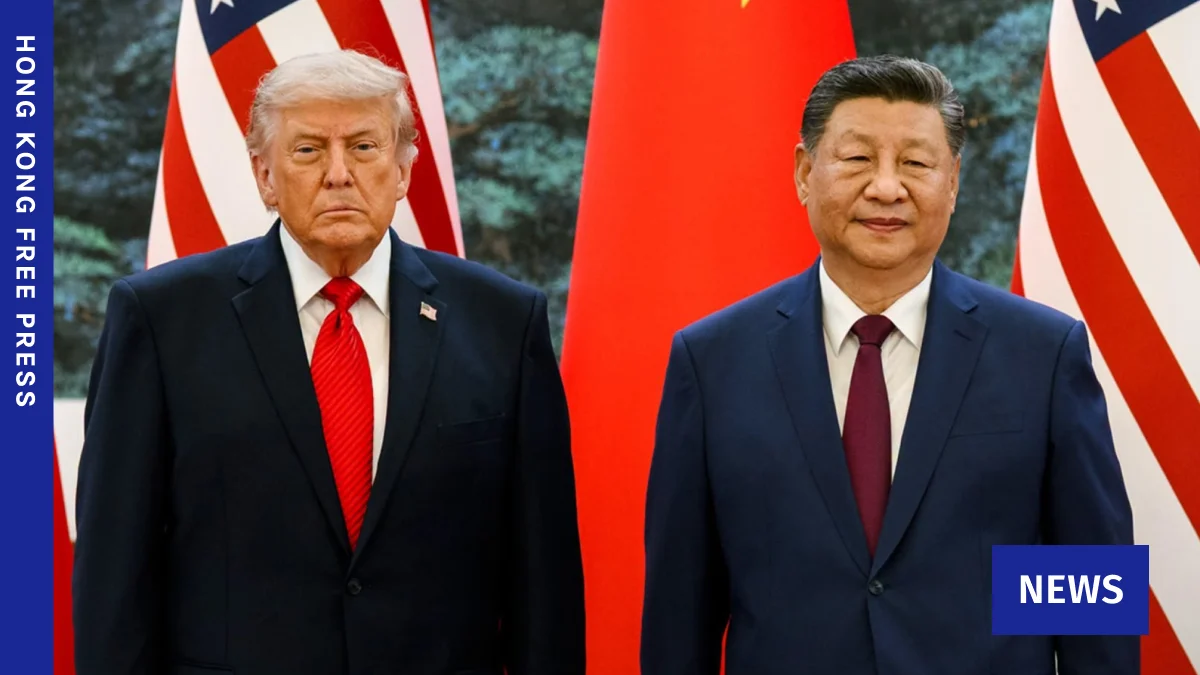
The strategic decision to participate in the China Cup is not solely driven by the need for a competitive reset for the Welsh squad. It also aligns perfectly with the ambitious vision of Chinese President Xi Jinping, who has publicly declared his intention to transform China into a global footballing superpower. The hosting of international tournaments on home soil is a cornerstone of this strategy, aimed at increasing the game’s popularity within China and fostering a more robust footballing infrastructure.
For the invited nations, the appeal of the China Cup lies in the opportunity to compete against a rising footballing giant and to test themselves in a unique international setting. The FAW, in particular, sees significant value in this engagement. Ford highlighted the positive feedback received from previous participants, stating, "We spoke to Iceland and we spoke to Croatia about the tournament and both came back with very positive experiences. With the China Cup, you’re going to attract bigger teams – China is ensuring that they will continue to improve by playing against teams that are better." This suggests a reciprocal relationship, where China benefits from the experience of established footballing nations, and the invited teams gain valuable competitive exposure.
Modernization and International Collaboration: The Ford Era at FAW
Jonathan Ford’s tenure as Chief Executive of the FAW, which began in 2009, has been characterized by a commitment to modernizing the organization. With a background that includes heading sponsorship at Coca-Cola, Ford has brought a strategic and business-oriented approach to Welsh football administration. He has overseen a comprehensive overhaul of various aspects of the FAW’s operations, aiming to create a more professional and efficient structure.
A key pillar of this modernization strategy, as articulated by Ford, is the cultivation of strong international ties, with a particular emphasis on forging deeper connections with China. "Forging ties with China is an important part of the development of Welsh soccer," he stated. This forward-thinking approach recognizes the global nature of modern sport and the potential benefits of cross-border collaboration.
Bridging the Coaching Gap: A Partnership for Mutual Growth
The FAW’s engagement with China extends beyond mere participation in tournaments; it is rooted in a desire for deeper, mutually beneficial partnerships, particularly in the critical area of coach development. Ford revealed that the FAW has been actively engaged in discussions with Chinese counterparts, nearing the signing of partnership agreements focused on coach education programs. "We’ve worked quite extensively with different people in China, and we are getting close to signing partnership agreements on coach development programs," Ford confirmed. "We do it because it will help us develop as a nation too."
This emphasis on coaching is central to China’s long-term aspirations in football. President Xi Jinping’s ambitious goal of establishing China as a leading footballing nation by 2050 hinges on a fundamental strengthening of the sport’s grassroots and professional structures. Ford identified the development of coaching as one of the most crucial elements in achieving this lofty objective. "It is a lofty goal, and it’s about going back to the very basics of football," he explained.
The Chinese government is reportedly making substantial investments in football infrastructure, recognizing the need for adequate facilities to support the growth of the sport. "You need facilities, and the Chinese government is investing copious amounts of money to make sure those facilities are there," Ford noted. Furthermore, the increasing popularity of football within Chinese society is creating a larger pool of potential players. "You need new people who want to play, and the good news is, of course, football is becoming more engrained within Chinese society."
However, a significant bottleneck identified by Ford, and indeed by many observers of Chinese football, is the current shortage of qualified coaches. "And you need coaches, and that’s where they struggle at the moment. They don’t have the coaches in order to improve the people," he stated. This is precisely where nations like Wales, with a well-established reputation for producing skilled coaches and a robust coaching education system, can offer invaluable expertise. "That’s where other national associations like Wales, a world-class coaching nation, can help."
Supporting Data and Context:
- Euro 2016 Performance: Wales reached the semi-finals of Euro 2016, a historic achievement. They defeated established European nations like Belgium in the quarter-finals before being eliminated by eventual champions Portugal. This performance saw them rise significantly in the FIFA World Rankings, peaking at 11th in September 2015.
- World Cup 2018 Qualification: Wales narrowly missed out on qualification for the 2018 World Cup, finishing third in their qualifying group behind Serbia and the Republic of Ireland, and failing to secure a playoff spot.
- China’s Football Ambitions: President Xi Jinping’s "football dream" includes ambitious targets such as hosting a World Cup by 2030 and winning one by 2050. This involves significant investment in infrastructure, youth development, and professional leagues.
- China Cup History: The inaugural China Cup in 2017 was won by Chile, who defeated Iceland in the final. The tournament aims to provide competitive matches for the Chinese national team and enhance its international profile.
- FAW Modernization: Under Jonathan Ford’s leadership, the FAW has focused on areas such as grassroots development, commercial partnerships, and international relations, aiming to professionalize its operations and enhance its global standing.
- Global Coaching Standards: The development of high-quality coaching is widely recognized as a critical factor in the long-term success of any national footballing program. Nations with strong coaching education pathways, such as those in Europe, are often sought after for their expertise.
Broader Implications and Analysis:
The FAW’s strategic engagement with the China Cup and its broader partnership aspirations with China carry significant implications for both nations. For Wales, this represents an opportunity to secure vital international fixtures, gain valuable experience against diverse opponents, and potentially unlock new commercial opportunities and funding streams through closer ties with the rapidly growing Chinese market. The partnership in coach development could also lead to a reciprocal exchange of knowledge and best practices, further enhancing the quality of coaching within Wales.
For China, the collaboration with a nation that has recently achieved significant international success, particularly in coach development, is a logical step in its pursuit of footballing excellence. By tapping into the expertise of established footballing nations, China can accelerate its learning curve and bridge the gap in technical and tactical understanding that has historically hindered its progress. The China Cup itself serves as a platform to showcase its growing commitment to the sport and to provide its national team with valuable international exposure.
The FAW’s proactive approach in seeking out such partnerships demonstrates a sophisticated understanding of the global football landscape. In an era where international competition is fierce and resources are paramount, strategic alliances can provide a crucial competitive advantage. The success of this endeavor will likely be measured not only by immediate results on the pitch but also by the long-term impact on player development, coaching standards, and the overall growth of football in both Wales and China. As Wales embarks on this new chapter in Nanning, the eyes of the footballing world will be watching to see if this strategic recalibration can indeed lead to a brighter future for the Dragons.


 Nana Wu
 Suro Senen