Nila Kartika Wati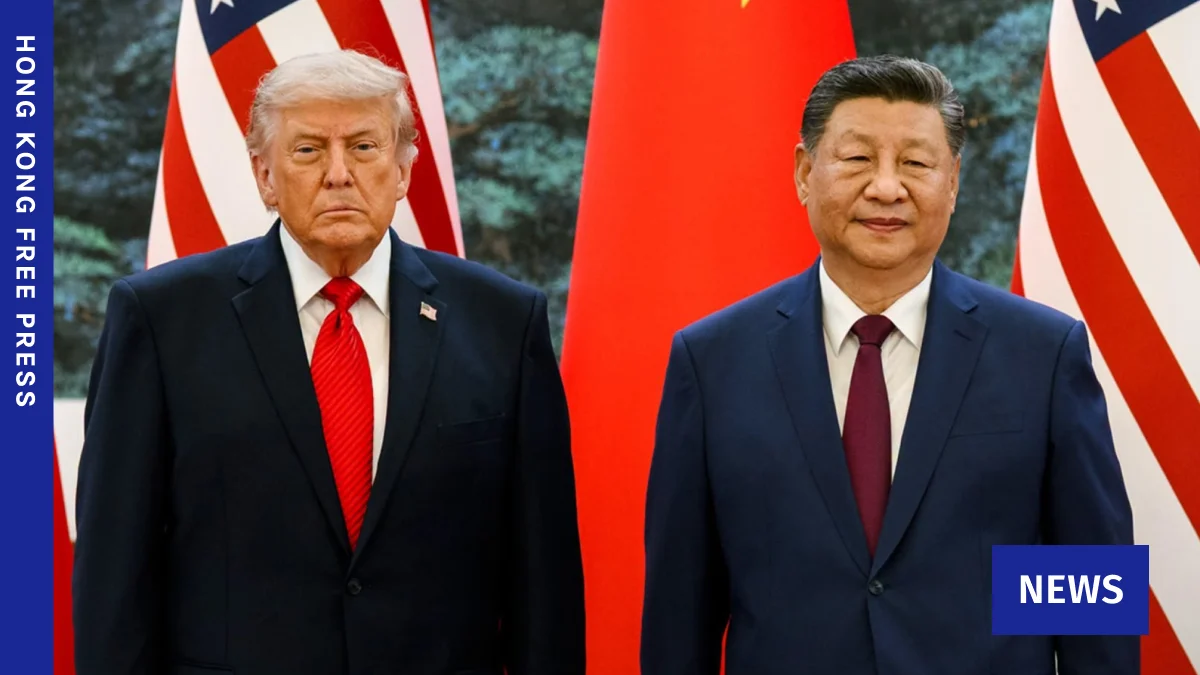
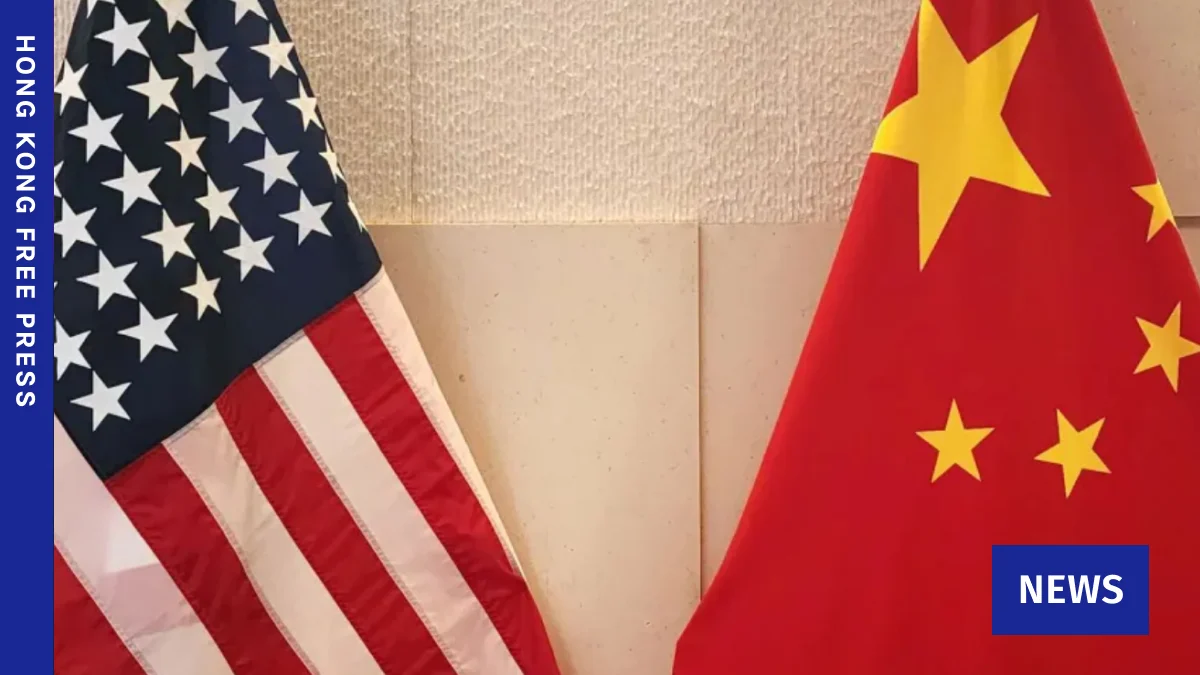
Washington and Beijing may have secured a temporary reprieve through an extended trade truce, but a growing consensus among analysts suggests that the window for these two global economic giants to fundamentally resolve their deep-seated strategic rivalry is rapidly closing. While the recent summit between President Donald Trump and Chinese counterpart Xi Jinping concluded with assurances of continued dialogue, the underlying tensions across trade, technology, geopolitics, and industrial policy remain potent, threatening to reignite conflict.
A Summit of Perceived Calm, Undercurrents of Competition
The recent state visit of Chinese President Xi Jinping to the United States, marked by a series of high-profile engagements culminating in a summit with President Donald Trump, was presented as a moment of diplomatic engagement. President Trump confirmed plans for further meetings with Xi later in the year, signaling a desire for continued engagement. However, beneath the veneer of these high-level discussions, the strategic competition between the two nations shows no signs of abating.

Daniel Russel, a senior fellow at the Asia Society Policy Institute, underscored this point, stating, "Even as Trump and Xi are making nice, their countries remain locked in a bitter competition over trade, tech, Taiwan, defense, rare earths, and industrial policy." This sentiment is echoed by Daniel Kritenbrink, a former US official now with The Asia Group consultancy, who observed, "There’s no doubt that both leaders would like to see stability in the relationship, at least through the end of the year."
Yet, the sustainability of this stability hinges on tangible progress. "You’d have to see further tangible outcomes for this truce to extend in the long run," Kritenbrink cautioned. This perspective is informed by a prevailing sentiment within some US official circles that Beijing has not fully honored previous commitments. "Some feel Beijing has largely not lived up to the commitments it made at earlier meetings," he added, noting that "many US officials have articulated their profound frustration with the Chinese."
A Chronology of Escalation and Temporary De-escalation
The current trade truce is a product of a protracted period of escalating trade tensions that began in earnest in 2018. Driven by concerns over the US trade deficit with China, allegations of intellectual property theft, and forced technology transfer, the Trump administration initiated a series of tariffs on Chinese goods. Beijing retaliated with its own tariffs, leading to a tit-for-tat escalation that significantly impacted global supply chains and economic sentiment.

The agreement to a trade truce in late 2018, following a meeting in South Korea, marked a temporary pause in this conflict. Key elements of that agreement included commitments from Beijing to increase purchases of US agricultural products, such as soybeans, and to suspend restrictions on rare earth exports for a period of one year. This pact, originally slated to expire in November, has now been extended to January 10, 2026, as confirmed by US Treasury Secretary Scott Bessent. This extension, while offering a short-term reprieve, highlights the ongoing nature of the negotiations and the persistent complexities.
The "Short Leash" Approach: Analyzing the Extended Truce
The decision to extend the trade truce, particularly for a relatively short period, reflects a strategic calculation by Washington. Jamieson Greer, a top trade official in the Trump administration, articulated this view, stating that the US views such extensions as "compliance periods." This suggests that the US is closely monitoring China’s adherence to its commitments and is prepared to act if those commitments are perceived to be unmet.
Kritenbrink elaborated on this dynamic, noting, "I think US officials would say China is doing just barely enough to maintain the agreement and no more." He further stressed the unsustainability of such a limited approach, stating, "That’s unsustainable over the long run."

Mary Lovely of the Peterson Institute for International Economics provided further insight into the motivations behind the short extension. She explained that while Beijing might have preferred a longer rollover, the US’s preference for a shorter period indicates an underlying anxiety. "The current situation points to Washington’s anxiety about the delivery of rare earth magnets and how officials want to keep this on a short leash," Lovely told AFP. This highlights the strategic importance of rare earths, a critical component in many advanced technologies, and the US desire to maintain leverage in this sector.
Lovely also raised questions about the effectiveness of past US tariff threats, remarking, "It’s not clear anymore how much their threats of high tariffs actually move China." This observation suggests a potential recalibration of US strategy, as the efficacy of purely punitive measures may be diminishing in the face of China’s evolving economic landscape.
Beyond Tariffs: Emerging Areas of Economic and Technological Competition
While trade tariffs have been a central focus, the US-China economic rivalry extends to a broader spectrum of issues, including technology, intellectual property, and industrial policy. Greer indicated that "both countries have made progress on other economic outcomes and expect to release more details Monday." He further stated, "We want to have some subset of goods that we can trade with the Chinese on a more preferential basis." This suggests an ongoing effort to identify specific sectors where mutually beneficial trade can be fostered, while potentially isolating areas of intense competition.

Moreover, both sides have reportedly agreed on certain products that can be excluded from future trade disputes. This pragmatic approach aims to carve out areas of stable trade, preventing a complete breakdown of economic relations.
The upcoming G20 trade ministers’ meeting in Wisconsin, hosted by Jamieson Greer, is expected to address critical issues such as US tariff threats and the problem of "excess capacity" – a significant concern surrounding Chinese industrial output and its potential impact on global markets. This indicates that the dialogue, while seeking de-escalation in some areas, also serves as a platform for addressing ongoing economic imbalances and strategic concerns.
Navigating the AI Frontier: A New Arena for Cooperation and Competition
In a notable development, Washington and Beijing have agreed to establish a notification system for artificial intelligence (AI) threats. US Treasury Secretary Scott Bessent confirmed this initiative, which aims to foster a degree of communication and de-escalation in the rapidly evolving field of AI.

Peter Richardson of Counterpoint Research suggested that this system could range from a simple hotline to more structured communication channels. However, he also pointed out the inherent difficulties in defining the triggers for such a system: "It is often very difficult to tell quickly whether an AI incident was state-directed, a rogue actor or an accident."
Richardson added that while this initiative is unlikely to lead to a comprehensive international framework for AI regulation, it represents a significant first step. "Given the rivalry, we don’t expect this to lead to any comprehensive international framework for AI regulation, but it would be the first practical guardrail," he stated.
Despite this tentative step towards cooperation on AI, Kritenbrink remains cautious about its broader implications. He believes the summit has "done nothing to curb the competitive instincts of both sides on AI" and predicts, "I don’t think you’ll see any slowing down" in the race for AI dominance. This underscores the dual nature of the US-China relationship, where cooperation on specific issues coexists with intense strategic competition.
Broader Implications and the Road Ahead

The extended trade truce provides a temporary respite, allowing both economies to recalibrate and potentially avoid immediate economic shocks. However, the underlying strategic rivalry, encompassing trade, technology, geopolitical influence, and military modernization, remains a potent force shaping global dynamics.
The US approach, characterized by a desire for China’s adherence to commitments and a cautious monitoring of its actions, suggests a strategy of managing competition rather than achieving a complete resolution in the short term. The emphasis on "compliance periods" and keeping certain aspects of the relationship on a "short leash" indicates a pragmatic, albeit tense, approach.
The establishment of an AI threat notification system, while a positive development, highlights the increasing complexity of the US-China relationship. As both nations vie for leadership in critical technologies, the potential for miscalculation and unintended escalation remains a significant concern.
Ultimately, the current trade truce represents a pause, not an end, to the strategic competition between the United States and China. The coming months will be crucial in determining whether this period of relative calm can foster genuine progress towards de-escalation or if the fundamental disagreements will once again lead to renewed conflict. The global economy and international stability will be keenly watching the unfolding dynamics between these two pivotal global powers.

 Lina Hope
 Rifan Muazin