Ammar Sabilarrohman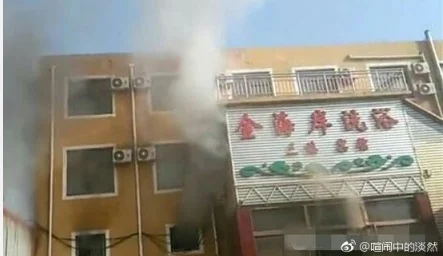
A devastating fire at a bathhouse in Yongnian district, Handan, Hebei province, on Sunday afternoon claimed the lives of six individuals, according to official statements released on Monday. The tragic incident, which originated in the sauna area of the Jinhai’an Bath Center, has not only cast a somber shadow over the community but also triggered an immediate and comprehensive citywide safety inspection campaign, underscoring the urgent need for heightened vigilance in public entertainment venues. Authorities swiftly initiated an investigation into the cause of the blaze, detaining individuals believed to be responsible as the Hebei Public Security Department confirmed the fatalities and ongoing inquiries.
Chronology of a Catastrophe
The tranquility of a Sunday afternoon was shattered at precisely 13:51 pm when a fire erupted within the Jinhai’an Bath Center, a popular establishment in Yongnian district. Located in a bustling urban area, such bathhouses typically attract a significant number of patrons, especially on weekends. The initial reports indicated that the blaze originated in the sauna, a section known for its high temperatures, wooden interiors, and electrical heating elements, all of which present inherent fire risks if not properly maintained or monitored.
Upon the discovery of the fire, an immediate alarm was raised, prompting a frantic scene as staff and patrons attempted to evacuate the premises. The rapid spread of smoke, often a more significant cause of fatalities in enclosed fires than the flames themselves, likely disoriented individuals and hampered escape efforts. Emergency services, including the local fire brigade and medical personnel, were quickly dispatched to the scene. Firefighters battled the blaze, working to contain the flames and rescue those trapped inside. The intensity of the fire and the hazardous conditions meant that rescue operations were challenging and time-sensitive.
In the immediate aftermath, two victims were pronounced dead at the scene, succumbing to the effects of the fire and smoke inhalation. Four other individuals, who had sustained critical injuries, were rushed to nearby hospitals for urgent medical attention. Despite the best efforts of medical teams, these four victims tragically passed away later, bringing the total death toll to six. The site was subsequently secured by law enforcement officials, and forensic teams began the painstaking process of examining the scene to determine the exact origin and cause of the fire. The rapid progression from outbreak to multiple fatalities within a matter of hours highlighted the extreme dangers posed by fires in such public spaces.
Intensive Investigation and Accountability
The Hebei Public Security Department, responsible for public order and safety in the province, swiftly took charge of the official communication and the broader investigation. Their initial Sina Weibo post confirmed the incident’s details and the grim casualty count. The focus of the ongoing investigation is multifaceted, aiming to uncover the precise cause of the fire, identify any lapses in safety protocols, and hold responsible parties accountable.
Investigators are meticulously examining several potential factors that could have contributed to the tragic event. These include, but are not limited to, electrical malfunctions within the sauna’s heating system, the ignition of combustible materials such as wooden paneling or towels due to overheating, improper use of sauna equipment, or even potential human error or negligence. Building design and materials are also under scrutiny, particularly concerning the fire resistance of internal structures and the adequacy of emergency exits and signage. The rapid spread of the fire suggests that either detection systems failed, or evacuation routes were compromised, or both.
Crucially, authorities confirmed that individuals believed to be responsible for the incident have been detained. While their specific roles and identities have not been publicly disclosed, such detentions typically involve the bathhouse owner, management personnel, and potentially staff members responsible for maintenance, safety oversight, or emergency procedures. This action underscores the seriousness with which Chinese authorities treat incidents involving public safety, often pursuing criminal charges for negligence that leads to fatalities. The investigation will involve reviewing the bathhouse’s operational licenses, safety inspection records, staff training logs, and interviews with employees and witnesses to piece together a comprehensive understanding of what transpired and why.
Broader Context: Fire Safety in China’s Public Venues
The tragedy at the Jinhai’an Bath Center serves as a stark reminder of the persistent fire safety challenges in public entertainment and leisure venues across China. Bathhouses, alongside KTVs (karaoke establishments), nightclubs, hotels, and shopping malls, are popular social hubs that inherently carry heightened risks due to their complex layouts, often multi-story structures, high occupancy rates, and the presence of various potentially combustible materials and electrical systems.
China has a robust legal framework governing fire safety, primarily articulated in the Fire Prevention Law of the People’s Republic of China. This law mandates strict adherence to national building codes, regular safety inspections, installation of advanced fire detection and suppression systems (such as sprinklers, smoke detectors, and fire alarms), clear emergency exits, and mandatory fire safety training for staff. Public venues are required to have emergency plans, designated escape routes, and sufficient fire-fighting equipment readily accessible. However, despite these regulations, enforcement can sometimes be inconsistent, and illicit modifications or lax maintenance practices can undermine safety measures.
Statistics on fire incidents in China, while showing a general decline in overall fire fatalities over recent years due to enhanced prevention efforts, still highlight the vulnerability of public places. Fires in commercial buildings, entertainment venues, and residential complexes continue to pose significant risks, with common causes often attributed to electrical faults, improper use of heating equipment, smoking-related incidents, and the storage of flammable materials. Saunas, specifically, present a unique set of challenges: the high heat, enclosed spaces, and often wooden construction can accelerate fire spread and make evacuation difficult. Past incidents in similar venues across the country have repeatedly underscored the critical importance of rigorous daily safety checks and unwavering adherence to regulations.
Official Responses and Proactive Measures
In the wake of the Yongnian district tragedy, the Handan municipal government reacted decisively, launching an immediate and extensive citywide safety campaign. This proactive measure aims to prevent any recurrence of such a devastating event and to reassure the public about the safety of their frequented establishments.
The Handan government dispatched an impressive seven inspection teams, each tasked with conducting thorough safety checks across various public venues. The scope of these inspections is comprehensive, targeting not only other bathhouses but also a wide array of high-risk establishments, including KTVs, hotels, shopping malls, and other entertainment centers. The objectives of these teams are clear: to identify potential fire hazards, verify the functionality of fire detection and suppression systems, ensure the adequacy and accessibility of emergency exits, scrutinize electrical wiring and heating systems, and assess staff preparedness for emergencies.
Officials have emphasized a "zero tolerance" policy for safety violations, indicating that businesses found non-compliant will face stringent penalties, which could range from heavy fines to temporary closure until corrective measures are fully implemented. This swift and broad-based response reflects the government’s commitment to public safety and its determination to enforce existing regulations more rigorously. Furthermore, provincial authorities in Hebei are expected to reinforce safety protocols across the entire province, potentially issuing directives to all municipalities to conduct similar comprehensive safety overhauls. The Hebei Public Security Department, beyond its investigative role, will also likely play a part in monitoring the effectiveness of these safety checks and ensuring that all establishments adhere to the highest safety standards.
Implications and Future Outlook
The Jinhai’an Bath Center fire carries significant implications for the leisure industry in Handan and potentially across China. For the specific establishment, its future is undoubtedly grim. Beyond the immediate closure for investigation, it is highly probable that the bathhouse will face permanent closure, with its owners and management facing severe legal and financial repercussions. The human cost of six lives lost is immeasurable, leaving families grieving and a community in shock.
Economically, the citywide safety checks, while necessary, may lead to temporary disruptions for other businesses. Closures for renovations or compliance upgrades could impact revenues and employment in the short term. However, in the long run, enhanced safety standards are expected to rebuild public confidence, fostering a safer environment that ultimately benefits both patrons and responsible business owners.
Socially, the incident will undoubtedly raise public awareness and vigilance regarding safety features in places they frequent. Consumers are likely to be more attuned to emergency exits, fire alarms, and general safety conditions, potentially putting pressure on establishments to visibly demonstrate their commitment to safety.
From a regulatory standpoint, this tragedy will likely prompt a review of existing fire safety laws and their enforcement mechanisms. While China’s laws are robust on paper, incidents like this often highlight gaps in implementation, inspection frequency, or the penalties for non-compliance. There could be a push for more advanced fire safety technologies, such as improved sprinkler systems, intelligent smoke detection, and automated emergency response protocols, especially in high-risk venues. Training for staff in public places will also likely receive renewed emphasis, ensuring that employees are not only aware of safety procedures but also capable of effective action during an emergency.
Ultimately, the fire at the Jinhai’an Bath Center is a somber reminder that public safety can never be taken for granted. It underscores the critical importance of continuous vigilance, rigorous enforcement of regulations, and a culture of responsibility among business owners to protect the lives of their patrons and employees. As Handan embarks on its comprehensive safety overhaul, the hope is that this tragedy will serve as a catalyst for lasting improvements, ensuring that such a devastating loss of life is prevented in the future.


 Sagoh
Sagoh
 Asro
Asro