Suro Senen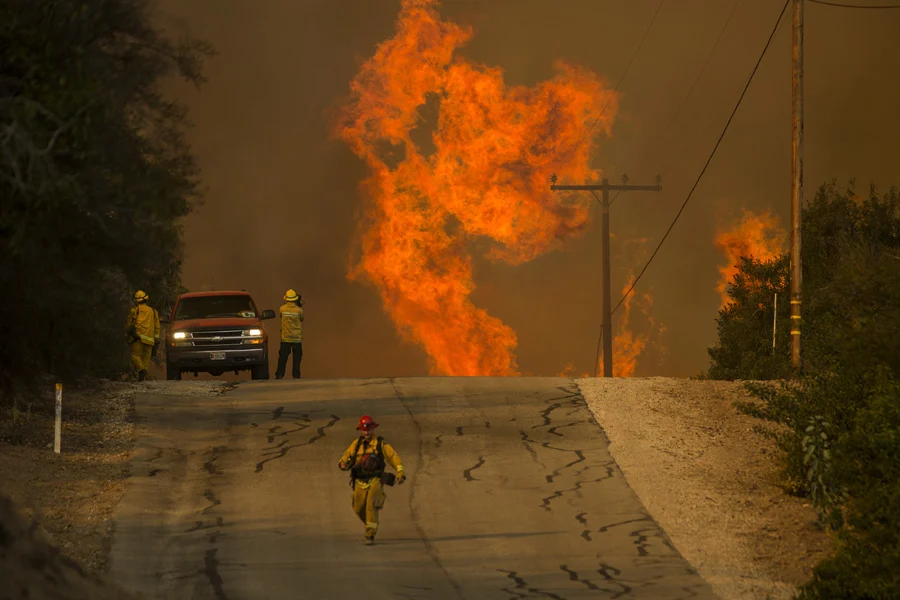
LOS ANGELES – California Governor Jerry Brown declared that climate change has propelled weather patterns to their most extreme, compelling the western United States state to enhance its preparedness for the persistent threat of wildfire, which he characterized as a "new normal." Brown’s stark assessment came during a press conference following his visit to communities devastated by a series of massive wildfires that swept through Ventura County, located approximately 110 kilometers northwest of Los Angeles. The fires, which ignited in early December 2017, underscored a growing trend of intense and prolonged wildfire seasons in California, driven by a confluence of environmental factors.
The Scale of the Devastation
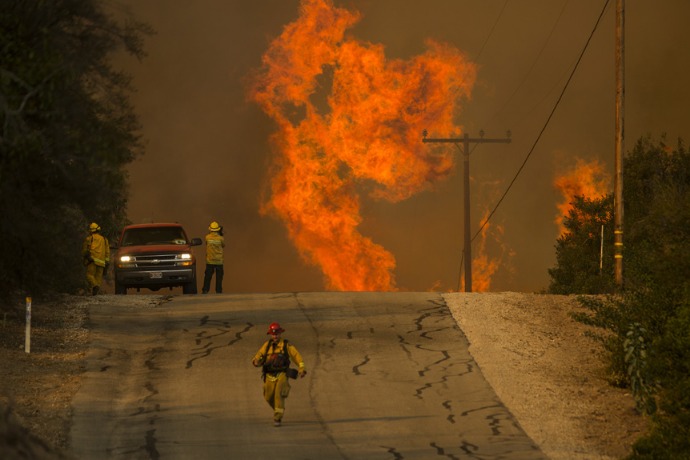
The infernos, spanning from Santa Barbara County in the north to San Diego County in the south, had by the time of Brown’s remarks consumed an estimated 708.2 square kilometers (over 175,000 acres) of land. Tragically, the blazes resulted in the destruction of 793 structures, displacing tens of thousands of residents and leaving a trail of widespread devastation. The economic toll alone was projected to be in the hundreds of millions of dollars, with significant impacts on agriculture, tourism, and residential property values. The fires also contributed to a sharp decline in air quality across Southern California, with smoke plumes blanketing major urban areas and posing serious health risks.
Unpacking the Contributing Factors: Santa Ana Winds and Climate Change
Governor Brown specifically attributed the widespread and devastating nature of these fires to the unusually forceful and sustained Santa Ana winds, coupled with a hot, dry fire season that extended unusually late into the year, even approaching Christmas. The Santa Ana winds, a well-known phenomenon in Southern California, are characterized by their strong, extremely dry downslope gusts that originate inland and sweep towards the coast during the fall and winter months. Historically referred to as "devil winds" due to their propensity to propagate regional wildfires, these winds can rapidly escalate small ignitions into uncontrollable infernos.

The specific wildfire event that prompted Brown’s declaration began when these powerful Santa Ana winds suddenly intensified on the Monday prior to his press conference. This surge in wind speed and dryness, occurring in an environment already primed by drought conditions, fanned six major wildfires across Santa Barbara, Ventura, Los Angeles, and San Diego counties. The severity and rapid spread of these blazes necessitated Governor Brown’s declaration of a state of emergency five days before his statement, mobilizing state resources for firefighting and disaster relief efforts.
The connection to climate change, as articulated by Governor Brown, points to a broader pattern of environmental shifts. Rising global temperatures, exacerbated by human activity, are contributing to longer and more intense periods of drought in regions like California. This extended dryness dries out vegetation, transforming it into highly combustible fuel. Furthermore, climate change is believed to be intensifying weather extremes, including more powerful wind events and prolonged heatwaves, creating a perfect storm for devastating wildfires.

A Timeline of the Crisis
The events of early December 2017 unfolded rapidly, highlighting the urgent nature of the wildfire threat:
- Early December 2017: Unusually dry conditions and a lack of significant rainfall set the stage for a high fire risk in Southern California.
- Monday, December 4th, 2017: Powerful Santa Ana winds suddenly surge across Southern California, providing the critical ignition and spread factor for multiple wildfires.
- Tuesday, December 5th, 2017: Several significant wildfires erupt across Ventura and Los Angeles counties, including the Thomas Fire, which would become one of the largest in California history. Evacuations begin for thousands of residents.
- Wednesday, December 6th, 2017: The number of active wildfires increases, and the blazes spread aggressively. Governor Jerry Brown declares a state of emergency for Los Angeles and Ventura counties, mobilizing state resources and the National Guard.
- Thursday, December 7th, 2017: The wildfires continue to rage, consuming hundreds of homes and structures. Firefighters battle challenging conditions, with high winds and dry vegetation hampering containment efforts. The Skirball Fire ignites near the Getty Center in Los Angeles, threatening affluent communities.
- Friday, December 8th, 2017: Governor Brown visits Ventura County to survey the damage and meet with affected residents and first responders. He delivers his remarks characterizing the fires as a "new normal" driven by climate change. Containment efforts are ongoing, with only small percentages of the fires being controlled.
- Ongoing: Firefighting efforts continue for weeks, with the Thomas Fire eventually becoming the second-largest wildfire in California history. The long-term impacts on communities, the environment, and the economy become increasingly apparent.
Broader Implications and Future Preparedness
Governor Brown’s assertion that California is facing a "new normal" carries significant implications for the state’s future. He indicated plans to dedicate the coming months to developing a comprehensive strategy to mitigate the effects of climate change and enhance the state’s resilience to such extreme events. This involves not only bolstering resources for immediate fire suppression but also investing in long-term solutions.

"We’re facing a new reality in this state," Brown stated. "We have to have the resources to combat the fires and we have to also invest in managing vegetation and forests, and all the ways we dwell in this very wonderful place, but a place that’s getting hotter." This statement underscores a multi-faceted approach, recognizing that effective wildfire management requires more than just reactive firefighting. It necessitates proactive measures such as forest thinning, controlled burns, and the development of more fire-resistant communities.
The governor also used the occasion to criticize the federal government’s response to climate change, urging for greater action rather than complacency. "It’s a time to do more, not less," Brown declared. "Fires, floods and earthquakes don’t go away." This call for increased urgency reflects a growing frustration among state leaders regarding federal policies perceived as undermining efforts to address climate change.

The "new normal" of increased wildfire activity poses a profound challenge to California’s long-standing environmental and economic stability. Beyond the immediate destruction, these fires exacerbate existing issues such as water scarcity, air pollution, and the displacement of vulnerable populations. The economic burden extends to insurance claims, rebuilding costs, and potential impacts on the state’s significant agricultural sector.
Experts in climate science and disaster management have echoed Governor Brown’s concerns. Research consistently points to a correlation between rising global temperatures and an increased frequency and intensity of wildfires in many parts of the world, including the Western United States. The phenomenon is characterized by longer fire seasons, larger burn areas, and more unpredictable fire behavior.

A Call to Action and Community Resilience
The widespread destruction served as a stark reminder of the interconnectedness of environmental health and human safety. The immediate aftermath saw an outpouring of community support, with residents offering shelter, food, and assistance to those displaced by the fires. However, the long-term recovery and adaptation efforts will require sustained investment and collaboration between government agencies, private sector entities, and local communities.
The fires also highlighted the critical importance of robust emergency response systems, early warning mechanisms, and effective evacuation plans. The rapid spread of the blazes underscored the need for continuous improvement in these areas, particularly in regions with dense vegetation and a history of dry, windy conditions.

Looking ahead, California’s commitment to addressing climate change and its tangible impacts, such as increased wildfire risk, will be a defining aspect of its future development. The "new normal" necessitates a fundamental shift in how the state plans for growth, manages its natural resources, and prepares its communities for the escalating challenges posed by a changing climate. The lessons learned from the devastating fires of December 2017 are likely to shape policy and investment decisions for years to come, as California grapples with the ongoing reality of a hotter, drier, and more fire-prone environment. The statement from Governor Brown served not only as an assessment of the immediate crisis but as a clarion call for a more proactive and comprehensive approach to climate resilience in the face of escalating environmental threats.


 Nana Wu