Basiran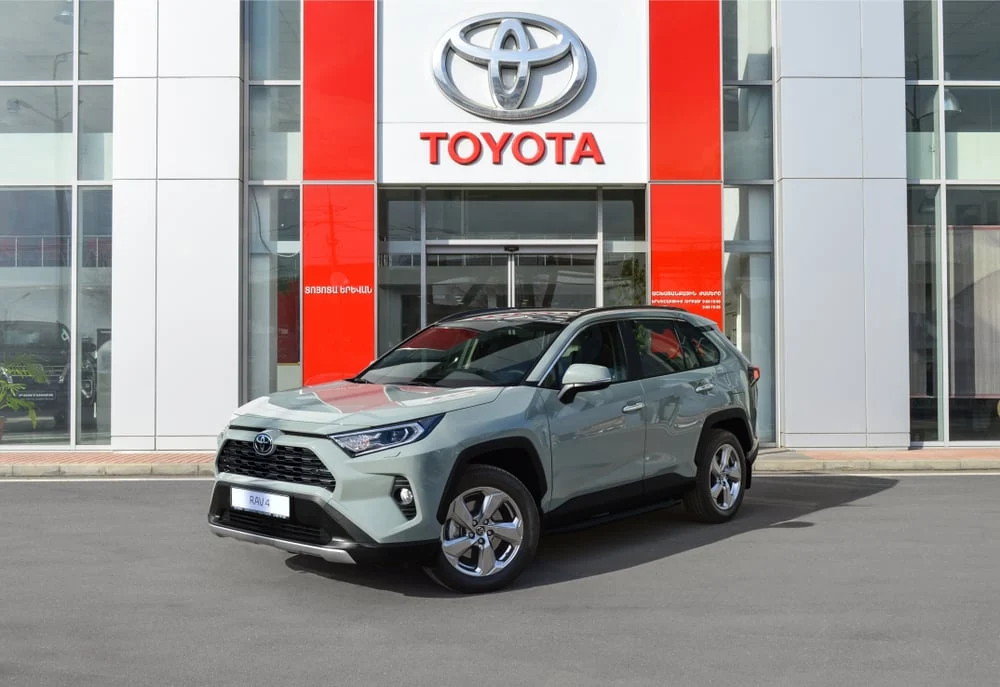
TOKYO – In a significant decision shaping the future trajectory of one of the world’s largest automakers, Toyota Motor Corporation shareholders at its Annual Ordinary General Shareholders’ Meeting in Toyota City, Aichi Prefecture, have overwhelmingly re-elected Akio Toyoda as Chairman. The meeting also saw strong backing for the newly appointed CEO, Kenta Kon, who was confirmed as a member of the board. This decisive vote underscores investor confidence in Toyota’s controversial "multi-pathway" strategy, a direction that continues to draw sharp criticism from climate advocates and environmental groups who argue it hinders the global transition to zero-emission electric vehicles (EVs).
The outcome of the shareholder meeting signals a continued endorsement of Toyota’s long-held stance on diversifying its approach to decarbonization, which includes a mix of hybrid vehicles, hydrogen fuel cell technology, and internal combustion engines alongside battery electric vehicles. This approach contrasts with the rapid and singular focus on battery EVs adopted by many of its global competitors, particularly those in China.
Following the proceedings, Toyota President and CEO Kenta Kon addressed reporters, reaffirming the company’s commitment to its multi-pathway strategy. Kon emphasized that Toyota intends to continue investing in and utilizing a variety of powertrains, stating that the company will not be "hitting the brakes suddenly" on its current direction. This statement suggests a strategic intent to maintain flexibility and leverage its existing technological expertise across different vehicle types, rather than a swift pivot to an all-electric future.
Greenpeace East Asia Urges Accelerated Transition
The decision has reignited concerns among environmental organizations. Erin Eunseo Choi, climate and energy campaigner at Greenpeace East Asia, voiced strong disappointment, characterizing Toyota’s current approach as a hindrance to essential climate action.
"Geopolitical volatility and soaring oil prices have exposed the vulnerability of our fossil fuel-dependent industries, accelerating EV demand while Toyota slows to adapt," Choi stated. "In a reply to Greenpeace, Toyota said it supports the Paris Agreement, yet concrete steps remain invisible. Its executives speak of a ‘multi-pathway strategy,’ but there is no time for corporate complacency. An ambulance carrying a critically ill patient needs a clear destination and speed. The climate crisis is that patient, and the hospital is not getting any closer."
Choi’s analogy highlights the urgency felt by climate activists. The "multi-pathway" strategy, while allowing for diverse technological development, is perceived by critics as a delaying tactic that postpones the necessary deep decarbonization of the automotive sector. The concern is that continued reliance on internal combustion engines, even in hybrid forms, will prolong greenhouse gas emissions from the transportation sector, a significant contributor to global warming.
Toyota’s Market Position and Environmental Scrutiny
Toyota’s position as the world’s largest automotive manufacturer by volume in 2025 is a testament to its historical success and diverse product portfolio. However, this scale also means its emissions footprint is substantial. According to Toyota’s own 2024 Sustainability Data Book, the company reported total lifecycle greenhouse gas emissions of 589.57 million tonnes of CO2 equivalent across Scope 1, 2, and 3 emissions. For context, Japan’s total national annual emissions for the same period stood at 961.87 million tonnes, meaning Toyota’s emissions alone represent over half of the nation’s total.
This environmental impact is increasingly being scrutinized by global ranking bodies. In the 2026 Lead the Charge ranking, which assesses automakers’ commitment to electrification and decarbonization, Toyota experienced a significant decline, falling to 16th place out of 18 global automakers. This marks its second consecutive annual decline, reflecting growing criticism regarding its slow progress in supply-chain decarbonization and weaker human-rights tracking.
Further data points underscore the concerns: Battery EVs (BEVs) constituted a mere 2% of Toyota’s total sales in 2025. This figure lags considerably behind global competitors who are rapidly increasing their BEV market share. Compounding this is Toyota’s lack of a clear, publicly stated target for phasing out internal combustion engines (ICE).
The company, along with the Japan Automobile Manufacturers Association ( JAMA), has also faced scrutiny for its lobbying efforts. InfluenceMap’s research indicates that Toyota and JAMA have actively lobbied governments in emerging markets such as Indonesia, Brazil, and Colombia. The focus of these lobbying efforts has been to promote biofuels and transitional powertrains. Critics argue that these actions are designed to intentionally delay the full adoption of battery electric vehicles in these key growth regions, potentially locking in fossil fuel dependency for longer periods.
Economic Headwinds and Shifting Market Dynamics
Despite the criticisms, Toyota has navigated significant macroeconomic challenges. Recent headwinds have cost the company an estimated US$4.3 billion due to surging material costs and lost sales within the past year. This financial impact, while substantial, occurs against a backdrop of rapidly accelerating global EV sales.
The shift towards EVs is particularly pronounced in regions where Toyota has traditionally held strong market positions. In Southeast Asia, a primary market for Toyota’s combustion engine vehicles, and in Japan, the EV market is experiencing dynamic growth. In Japan, EV sales doubled year-on-year in March, indicating a significant and accelerating consumer preference shift. This rapid market evolution poses a strategic challenge for automakers that have not fully committed to electrification.
Chairman Toyoda’s "Loneliness" and the Competitive Landscape
Akio Toyoda himself has publicly acknowledged feeling isolated in his conviction regarding the future of the internal combustion engine. He recently admitted to feeling "very alone" in the shift to EVs, suggesting a recognition that his perspective is becoming a minority view within the industry and among consumers.
"Loneliness is not a strategy, and it’s costing Toyota its market dominance," commented Choi. "To stay competitive against Chinese rivals—who now lead in pricing and technology and are already displacing Japanese automakers in Southeast Asia—Toyota needs an immediate, long-term electrification target."
The rise of Chinese automakers presents a formidable competitive threat. These companies have aggressively pursued BEV development, achieving significant cost reductions and technological advancements. Their ability to offer competitive pricing and innovative features is rapidly eroding the market share of established players in key regions like Southeast Asia, a market where Japanese brands have historically dominated.
The Cost of Hesitation and a Call for Ambition
The implications of Toyota’s current strategy extend beyond market share and profitability. As climate-driven extreme weather events intensify globally, the environmental consequences of delayed decarbonization will be borne by communities worldwide.
"As climate-driven extreme weather intensifies, Toyota’s customers and communities will bear the cost of this hesitation," stated Choi. "Its recent US$800 million investment in Kentucky, which includes EV production, is a start, but Toyota has the scale to lead this transition globally. We call on Mr. Toyoda to match his company’s resources with genuine ambition."
While the investment in Kentucky signifies a step towards EV production in the United States, environmental groups argue that it is insufficient in scale and scope to represent a global leadership commitment. Toyota possesses the financial resources, engineering prowess, and manufacturing capacity to be a dominant force in the EV revolution. Critics contend that a more ambitious, globally coordinated electrification roadmap is necessary to align with climate goals and secure long-term market relevance.
The shareholder vote, while reinforcing the current leadership and strategy, also highlights the ongoing internal and external debate within and around Toyota. The coming years will be critical in determining whether Toyota’s "multi-pathway" approach can adapt to the accelerating global demand for zero-emission mobility or if its perceived hesitation will lead to a sustained loss of competitive advantage and hinder crucial climate action. The company faces the immense challenge of balancing its established strengths with the urgent need for transformative change in a rapidly evolving automotive landscape.
Chronology of Key Developments:
- Recent Past: Toyota reaffirms its "multi-pathway" strategy, emphasizing a diversified approach to vehicle powertrains.
- 2025: Toyota remains the world’s largest automotive manufacturer by sales volume. Battery EVs account for only 2% of its total sales.
- 2026 (January): Toyota retains its top auto crown for 2025 with record sales.
- 2026 (March): A Greenpeace report ranks Toyota 16th out of 18 global automakers in its "Lead the Charge" assessment, citing slow supply-chain decarbonization and weaker human-rights tracking.
- 2026 (May): Toyota reports a 20% drop in annual profit, citing macroeconomic headwinds, including surging material costs and lost sales.
- June 2026: Toyota Motor Corporation holds its Annual Ordinary General Shareholders’ Meeting. Shareholders re-elect Akio Toyoda as Chairman and approve new CEO Kenta Kon as a board member, endorsing the multi-pathway strategy.
- June 2026 (Post-Meeting): CEO Kenta Kon confirms continued investment in the multi-pathway strategy, stating Toyota will not "hit the brakes suddenly." Environmental groups, like Greenpeace East Asia, issue statements urging a faster transition to EVs.
Broader Implications for the Automotive Industry and Climate Action:
The decisions made at Toyota’s shareholder meeting have significant implications beyond the company itself.
- Industry Standard-Setting: As a dominant player, Toyota’s strategic choices influence industry trends. Its continued emphasis on a diverse powertrain approach may embolden other automakers to maintain similar strategies, potentially slowing the global pace of BEV adoption.
- Investor Sentiment: The shareholder vote indicates a level of investor comfort with Toyota’s current direction, suggesting that short-term financial performance and established market dominance may outweigh immediate environmental concerns for a significant portion of its ownership. However, the increasing scrutiny from ranking bodies and environmental groups could shift investor sentiment over time.
- Climate Policy and Regulation: Government policies worldwide are increasingly pushing for zero-emission vehicle mandates. Toyota’s strategy could create friction with these regulatory efforts, potentially leading to increased pressure or stricter enforcement.
- Technological Innovation: While Toyota’s multi-pathway strategy acknowledges the need for innovation across various technologies, critics argue it dilutes focus and investment away from the most impactful solutions for climate change, namely battery electric vehicles. The success of competitors in BEV technology also poses a risk of Toyota falling behind in a rapidly advancing field.
- Consumer Choice and Transition: The pace at which automakers transition to zero-emission vehicles directly impacts consumers’ ability to access and afford these technologies. A slower transition by a major manufacturer like Toyota could mean longer waiting times and higher costs for consumers seeking EVs.
The ongoing debate surrounding Toyota’s electrification strategy is a microcosm of the broader challenges facing the automotive industry as it navigates the complex transition to a sustainable future. The company’s shareholder meeting results suggest a short-term reinforcement of its current path, but the long-term viability and environmental impact of this strategy remain subjects of intense scrutiny and debate.


 Raul Delapena Setiawan
 Nila Kartika Wati