Suro Senen
The annual Chinese Bridge Chinese-Proficiency Contests, orchestrated by the Confucius Institute Headquarters in Beijing, have emerged as a pivotal global platform fostering linguistic excellence and cultural understanding among non-native Chinese speakers. Over the past decade, these prestigious competitions have significantly expanded their reach and impact, transcending geographical and educational boundaries to cultivate a new generation of global citizens with a profound connection to China. This year marked a significant milestone, celebrating the 10th iteration of the Chinese Bridge Chinese Proficiency Competition for Foreign Secondary School Students, a testament to the event’s enduring appeal and its growing importance in international cultural exchange.
Genesis and Evolution of a Global Initiative
The genesis of the Chinese Bridge initiative can be traced back to 2002 with the inaugural competition specifically designed for foreign college students. This initial foray proved successful, laying the groundwork for future expansion. Recognizing the burgeoning interest in Chinese language learning among younger demographics, the organizers broadened the scope in 2008 to include foreign secondary school students. This expansion proved to be a transformative step, significantly increasing participation and injecting youthful energy into the competition. The evolution continued in 2014 when the contests were further diversified to encompass "other foreign Chinese speakers," a broad category that likely includes professionals, enthusiasts, and individuals from various walks of life, thereby democratizing access to this unique cultural immersion experience.
The decision to establish dedicated competitions for different age groups and learner categories reflects a strategic approach to catering to the diverse needs and learning trajectories of Chinese language enthusiasts worldwide. By segmenting the competitions, the Confucius Institute Headquarters ensures that participants can engage with challenges tailored to their respective academic levels and developmental stages. This meticulous structuring has been instrumental in the sustained growth and success of the Chinese Bridge program, allowing it to maintain its relevance and appeal across a wide spectrum of learners.
A Decade of Unprecedented Growth: The Secondary School Competition
The 10th Chinese Bridge Chinese Proficiency Competition for Foreign Secondary School Students, held this year, serves as a compelling indicator of the program’s remarkable trajectory. Over the past ten years, this specific competition has witnessed an exponential increase in participation, drawing approximately 3,000 contestants from 107 countries. This figure underscores the widespread adoption of Chinese language education in secondary school curricula across the globe and highlights the ambition of young learners to master this complex yet rewarding language.
The growth in the number of participating countries is particularly striking. In 2008, when the secondary school competition was first introduced, a modest 24 countries were represented. Fast forward to the present, and that number has surged to 96, with an impressive 14 nations making their debut this year. This substantial increase not only reflects the expanding global footprint of the Chinese language but also signifies a growing recognition of the Chinese Bridge competition as a premier event for showcasing linguistic talent and cultural understanding. The inclusion of new participants each year injects fresh perspectives and diverse cultural backgrounds into the competition, enriching the overall experience for all involved.
This year’s edition saw a total of 320 teachers and students representing 110 overseas preliminary rounds converge to demonstrate their capabilities. This figure signifies a highly competitive and globally representative cohort, where each participant has already navigated rigorous selection processes within their home countries. The sheer scale of these preliminary rounds, leading to such a substantial final contingent, speaks volumes about the organizational infrastructure and the widespread network of Confucius Institutes and affiliated language programs that support the Chinese Bridge initiative.
Competition Format: A Holistic Assessment of Proficiency and Cultural Acumen
The Chinese Bridge competitions are meticulously designed to go beyond mere linguistic prowess. While Chinese proficiency forms the cornerstone, the contests also delve deeply into contestants’ knowledge about China and their understanding of Chinese culture. This holistic approach ensures that participants are not just adept at speaking and writing Chinese but also possess a nuanced appreciation for its rich history, diverse customs, and contemporary society.
The assessment methods are multifaceted, employing a variety of formats to rigorously evaluate contestants. These typically include written examinations, oral presentations, debates, and creative performances. Such diverse testing mechanisms allow for a comprehensive evaluation of a participant’s ability to comprehend, articulate, and apply their Chinese language skills in various contexts. The emphasis on cultural understanding is further reinforced through engaging activities that immerse contestants in authentic Chinese experiences.
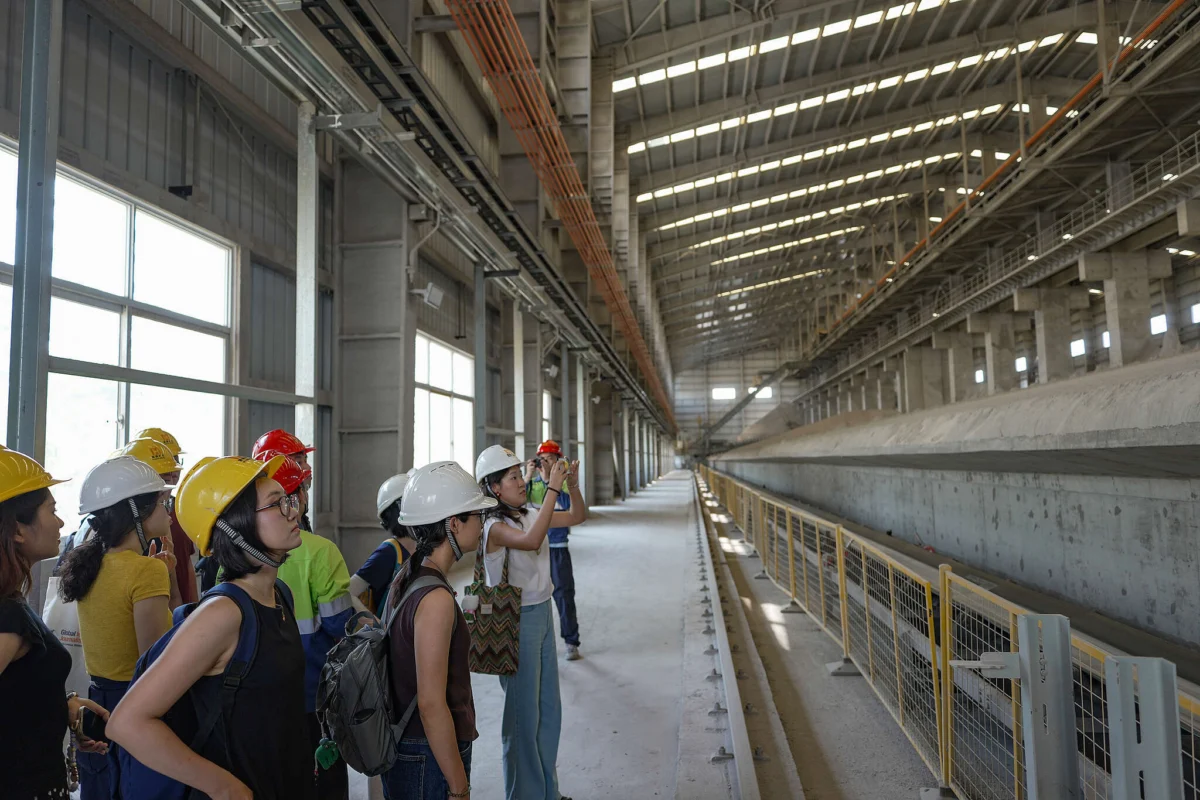
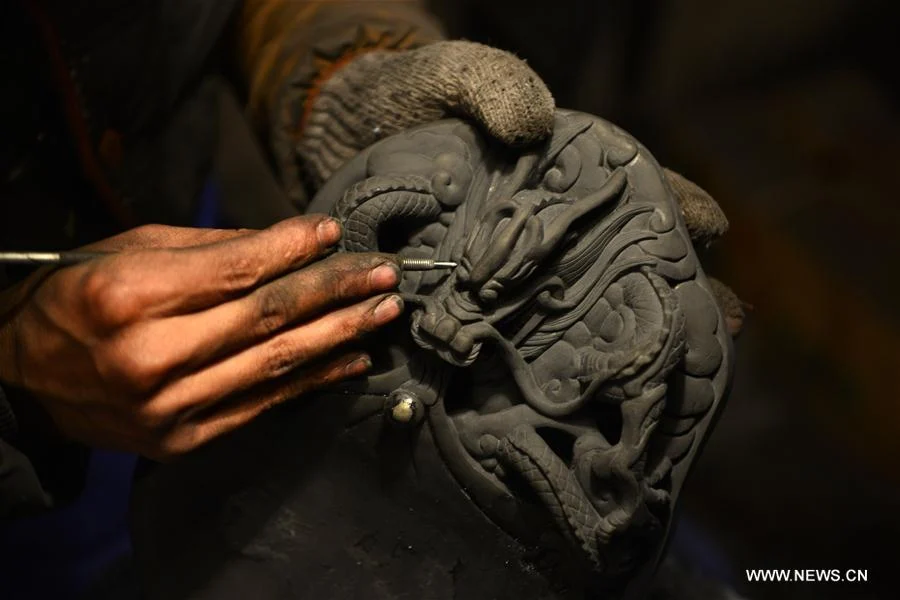
Participants are often afforded the invaluable opportunity to visit Chinese enterprises, local communities, and even host families. These excursions provide a firsthand glimpse into daily life in China, fostering a deeper connection and understanding than could ever be achieved through textbook learning alone. Furthermore, the competitions actively encourage participants to engage with and try their hand at traditional Chinese customs and folk arts. Activities such as intricate paper cutting and the tactile art of pottery making allow contestants to develop a tangible appreciation for China’s rich artistic heritage. These hands-on experiences serve as powerful learning tools, bridging the gap between academic knowledge and lived cultural immersion.
Thematic Depth and Artistic Expression
This year’s competition, held in the picturesque Yunnan province in October, introduced a particularly engaging thematic element. Contestants were tasked with a theater performance centered on entrepreneurship, with a creative adaptation of "Romance of the Three Kingdoms," one of China’s revered "four classical novels." This innovative approach highlights the organizers’ commitment to integrating Chinese literature and history into the competition, encouraging participants to explore complex narratives and timeless themes through the medium of performance. The choice of "Romance of the Three Kingdoms" as source material offers a rich tapestry of strategic thinking, leadership, and human relationships, providing fertile ground for theatrical interpretation and demonstrating a sophisticated understanding of Chinese cultural narratives.
Beyond theatrical endeavors, the secondary school students showcased an impressive array of talents, demonstrating the depth of their engagement with Chinese culture. Many contestants displayed exceptional proficiencies in disciplines such as calligraphy, a revered art form requiring precision and aesthetic sensibility. Others captivated audiences with their skills in traditional Chinese painting, acrobatics, the dynamic martial art of kung fu, and the melodic nuances of playing traditional Chinese instruments. These diverse displays of talent not only highlight the participants’ linguistic achievements but also underscore their dedication to exploring and mastering various facets of Chinese artistic expression, further solidifying the competition’s role as a multifaceted cultural exchange program.
Broader Implications and Future Outlook
The sustained success and expansion of the Chinese Bridge Chinese-Proficiency Contests carry significant implications for global understanding and China’s international relations. By cultivating a large cohort of young, proficient Chinese speakers and culturally aware individuals, the program directly contributes to fostering stronger diplomatic, economic, and cultural ties between China and the rest of the world. These participants represent future leaders, educators, entrepreneurs, and cultural ambassadors who will undoubtedly play a crucial role in shaping Sino-foreign interactions in the decades to come.
The increasing participation from a diverse range of countries suggests a growing global appetite for learning about China and its language. This trend is likely to be further fueled by China’s increasing prominence on the global stage. The Confucius Institute Headquarters, through initiatives like the Chinese Bridge, is effectively leveraging educational and cultural exchange as a form of soft power, building goodwill and mutual understanding.
The continuous evolution of the competition, incorporating thematic depth and diverse artistic expressions, indicates a forward-thinking approach that aims to make the learning of Chinese a more engaging and comprehensive experience. As the world becomes increasingly interconnected, platforms like the Chinese Bridge are indispensable in building bridges of communication and fostering a more harmonious global community. The organizers’ commitment to nurturing not just language skills but also cultural appreciation ensures that participants gain a well-rounded perspective, preparing them to navigate and contribute to an increasingly complex global landscape with confidence and insight. The continued support and expansion of such programs are vital for promoting cross-cultural dialogue and collaboration in the 21st century.

 Asep Darmawan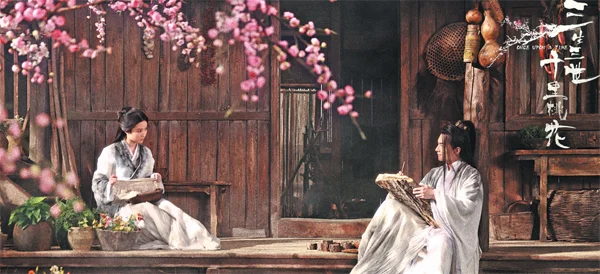
 Rifan Muazin