Evan Lee Salim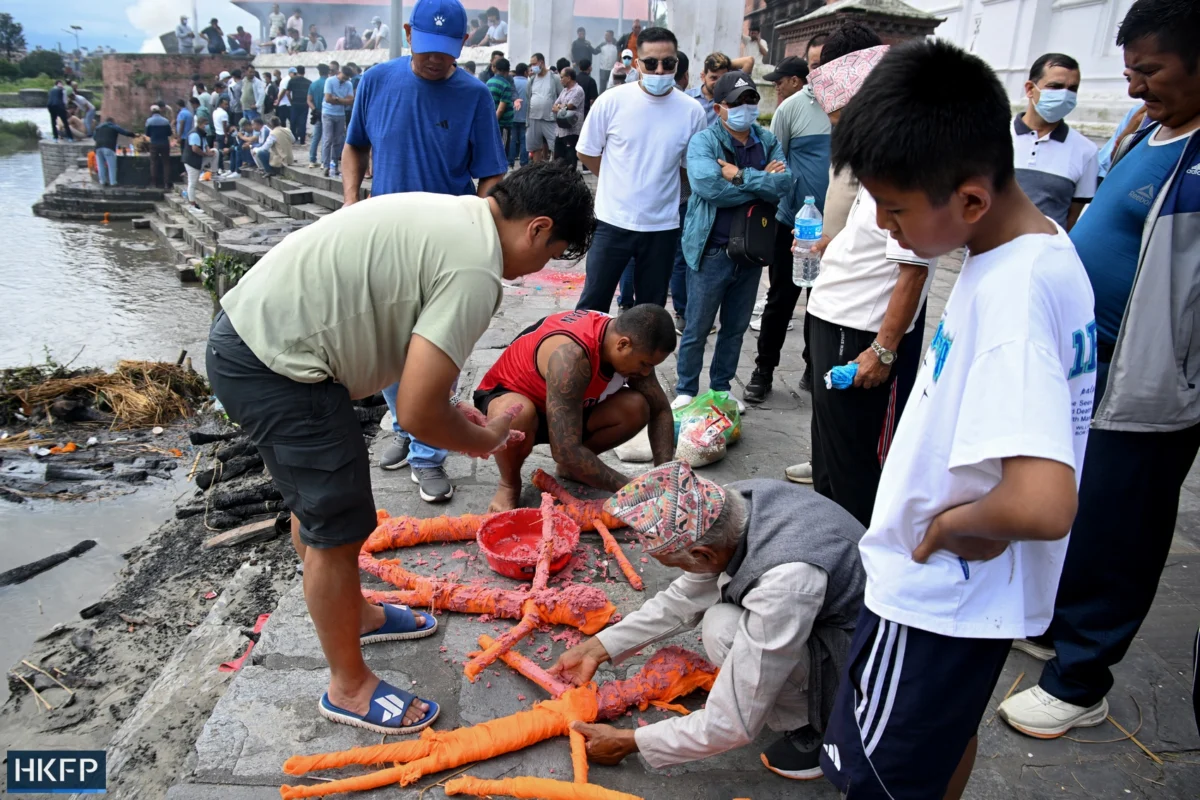
Kathmandu, Nepal – A week after devastating flash floods, triggered by a high-altitude glacial collapse, ravaged villages and homes along the China-Nepal border, Nepali families gathered on Wednesday, September 2, 2026, to conduct poignant symbolic funerals. These ceremonies were held to "liberate the souls" of their loved ones, who remain missing amidst one of the region’s most catastrophic natural disasters in recent memory. The heart-wrenching rituals underscored a fading hope for survivors, even as emergency teams continued their arduous search through immense piles of debris and treacherous tunnels.
The Catastrophe Unfolds: A Week of Devastation
The calamity struck on August 26, 2026, when a colossal wave of freezing water, rocks, and sediment, unleashed by a glacial lake outburst flood (GLOF), roared down the mountainsides. Originating from a high-altitude glacial collapse near the China-Nepal frontier, this torrent of destruction swept through communities with terrifying speed and force, leaving an unparalleled trail of devastation. The event, a stark reminder of the increasing vulnerability of the Himalayan region to the impacts of climate change, obliterated entire settlements, vital infrastructure, and agricultural lands, fundamentally altering the landscape and the lives of thousands.

Initial reports painted a grim picture, which has only deepened with each passing day. Emergency teams have, to date, recovered more than 1,100 bodies, a testament to the sheer scale of the human tragedy. However, the number of missing persons dwarfs the confirmed fatalities, with nearly 4,500 individuals still unaccounted for across both Nepal and China. This disparity highlights the immense challenges in locating victims, many of whom are believed to have been carried far downstream or buried deep beneath layers of mud and rubble. The disaster also impacted essential cross-border routes, severely hampering initial rescue and relief efforts in the immediate aftermath.
Symbolic Farewells Amid Unyielding Grief
At the sacred Pashupatinath temple in Kathmandu, a site revered by Hindus, families gathered to perform the traditional "shraddha" rites for their lost kin. Unable to recover the physical remains of their loved ones, they resorted to making effigies of Kush grass, a symbolic representation of the deceased. These effigies were then cremated in accordance with Nepali Hindu customs, a solemn act intended to provide spiritual closure and allow the souls of the missing to find peace. The air was thick with the scent of burning incense and the sound of muffled sobs, as families confronted the agonizing reality of their loss.
Dolma Newar Tamang, her voice heavy with grief, stood beside her weeping son as they conducted a symbolic funeral for her husband. He had been on a journey to China when the disaster struck, a routine trip that turned into a fatal one. "We had to do this to set his soul free, so that he is at peace and happy wherever he is," she recounted, her eyes welling with tears. "I saw the news and called him. I called repeatedly, but he never picked up." Her words echoed the despair of countless others who spent days frantically searching shelters and mortuaries, their hope dwindling with each passing hour until the grim decision for last rites became inevitable. These ceremonies, though symbolic, provide a crucial psychological and spiritual outlet for communities grappling with unimaginable trauma and uncertainty.

The Relentless Search and Lingering Hope
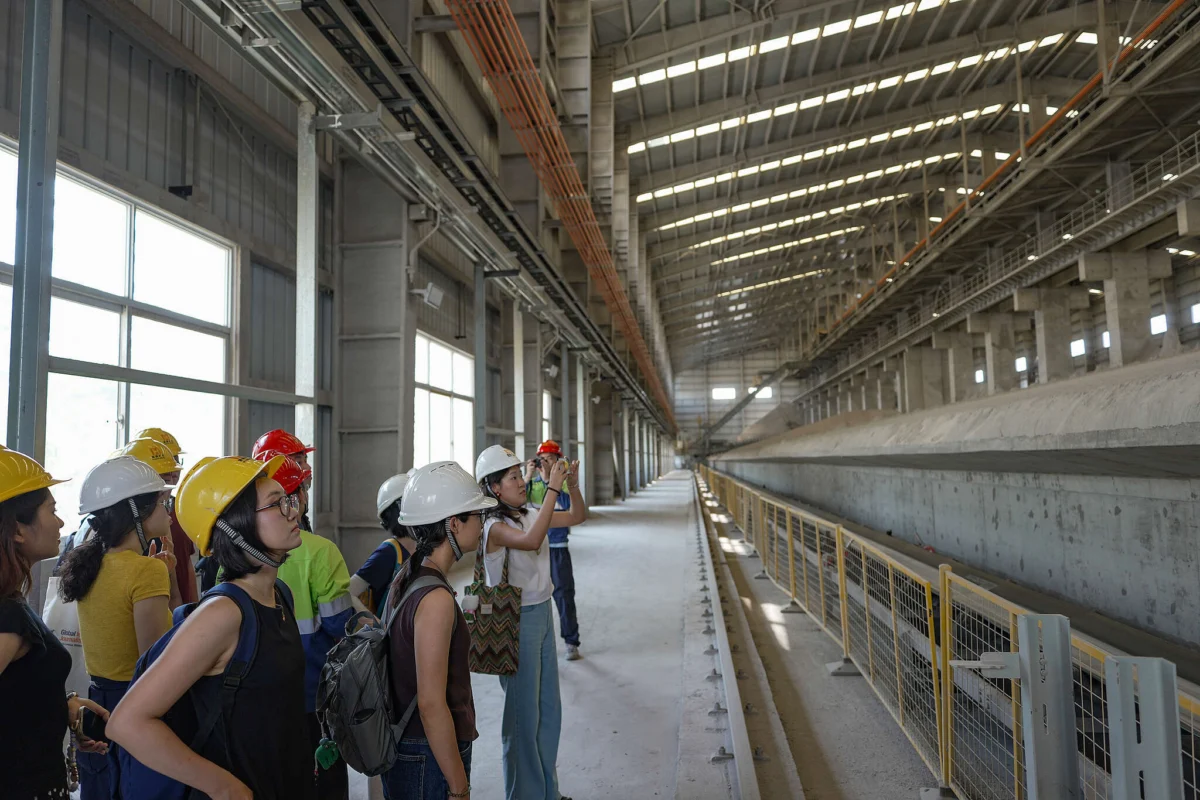
Despite the somber turn to symbolic funerals, search and rescue operations persist with unwavering determination. A week after the colossal disaster, Nepali rescuers are still actively seeking survivors, albeit against increasingly difficult odds. A significant focus of these efforts is on several hydropower plants, whose tunnels became death traps, entombed by packed sludge and debris. These vital infrastructure projects, crucial for Nepal’s energy supply, are now scenes of intensive recovery efforts, with teams digging, drilling, and even blasting through the compacted sediment.
So far, rescue workers have predominantly recovered bodies from these subterranean confines, underscoring the lethal nature of the flash flood’s impact on enclosed spaces. However, the government maintains a cautious optimism. Nepal’s Foreign Minister, Shisir Khanal, articulated this sentiment, stating, "Miracles do happen. At this point, I do not want to completely give up hope." This fragile hope fuels the continued efforts of emergency personnel, who navigate treacherous terrain, unstable ground, and the immense psychological toll of the disaster, driven by the slim possibility of finding someone alive. The technical challenges are formidable, requiring specialized equipment and expertise to penetrate the dense, waterlogged debris, often in remote and inaccessible areas.
A Region Under Threat: Climate Change and Glacial Lake Outburst Floods (GLOFs)

The catastrophic flash flood has intensified an urgent global conversation about climate change and its disproportionate impact on vulnerable nations like Nepal. The Himalayan range, often referred to as the "Third Pole" due to its vast ice reserves, is warming at an alarming rate, significantly faster than the global average. This accelerated warming is leading to the rapid melting of glaciers and the expansion of glacial lakes, making the region increasingly susceptible to Glacial Lake Outburst Floods (GLOFs). GLOFs occur when natural dams, typically composed of moraine (glacial debris), fail under pressure from rapidly expanding or overflowing glacial lakes, releasing massive volumes of water and debris downstream.
Scientists have long warned about the growing frequency and intensity of such events. The Himalayas, alongside the Hindu Kush ranges, serve as a critical water source for an estimated 240 million people in mountainous regions and a staggering 1.65 billion people in the South Asian and Southeast Asian river valleys below. The stability of these glaciers and glacial lakes is therefore not just a regional concern but a matter of international significance for water security and disaster risk. Nepal, a largely rural nation of 30 million, contributes minimally to global greenhouse gas emissions yet bears the brunt of these escalating climate-induced disasters. This inequity fuels a growing sense of anger and frustration over the scale of destruction the country faces.
Economic Fallout and the Call for Global Action
The economic repercussions of the flash floods are profound and far-reaching. Nepal’s Prime Minister, Balendra Shah, unequivocally warned that the catastrophe was "a serious indication" of the escalating risks confronting the Himalayan nation. He emphasized the global dimension of the crisis, asserting in a social media post, "Climate change is a global contribution, and disaster response is also a global responsibility." This statement serves as a powerful plea for international solidarity and support, highlighting the need for collective action to mitigate climate change and bolster disaster resilience in vulnerable regions.

The initial estimates for reconstruction costs are staggering, with Kathmandu warning that it could run into billions of dollars. This financial burden comes at a particularly challenging time for Nepal, which this month marks a year since widespread protests over rampant corruption and a struggling economy led to a change in government. The country’s limited resources are already stretched thin, making a disaster of this magnitude an existential threat to its development and stability. The destruction of hydropower plants, which are vital for Nepal’s energy infrastructure and economic growth, represents a severe setback, not only in terms of immediate power supply but also for long-term national development goals. The economic impact extends to tourism, a crucial sector for Nepal, as the affected areas include popular trekking routes and pilgrimage sites.
Cross-Border Impact and International Dimension
The flash floods, originating on the China-Nepal border, had devastating cross-border implications. While Nepal reported the vast majority of casualties and missing persons, the catastrophe also claimed lives and left many unaccounted for in China. Chinese state media confirmed 16 deaths and 546 missing persons on their side of the border. This brings the overall reported death toll to 1,130 and the total number of missing to 4,462 across both nations. The disaster further highlighted the interconnectedness of the Himalayan ecosystem and the necessity of cross-border cooperation in disaster management.
Among the missing are over 800 foreign nationals from more than 30 countries. These individuals include tourists who had come to trek in the majestic Himalayas, drawn by its natural beauty and spiritual allure, as well as Hindu pilgrims seeking spiritual peace at Tibet’s sacred Mount Kailash. The presence of such a large international contingent among the missing underscores the global reach of the tragedy and necessitates complex international coordination for identification and notification. The devastation also extended downstream into India, where at least 17 bodies were recovered from rivers, indicating the far-reaching impact of the floodwaters.

Information surrounding the disaster in Tibet, however, has been tightly controlled. Foreign journalists are restricted from reporting independently in the region, and Chinese authorities maintain a firm grip on information sources. While Tibetan advocacy groups in exile have questioned China’s official account of the disaster, Beijing has insisted that the "release of information has been open, transparent and timely." This lack of independent verification adds another layer of complexity to understanding the full scope of the tragedy and coordinating international relief efforts effectively.
The Road Ahead: Recovery and Resilience
The immediate aftermath of the flash floods has also presented logistical and humanitarian challenges. With mortuaries in Nepal overflowing, authorities have been compelled to resort to mass burials of hundreds of unidentified bodies, but only after conducting DNA sampling to allow for potential future identification. This grim task underscores the immense scale of the human loss and the difficulty in processing such a high number of casualties.
Looking ahead, Nepal faces a monumental task of recovery and rebuilding. The destruction of homes, infrastructure, and livelihoods will require sustained effort, significant financial investment, and robust international support. Beyond the immediate relief and reconstruction, the disaster serves as a critical wake-up call for enhanced disaster preparedness and climate change adaptation strategies. This includes better early warning systems for GLOFs, improved infrastructure resilience, and greater international cooperation in addressing the root causes of climate change. The tragedy in the Himalayas is a somber reminder that for nations like Nepal, climate change is not a distant threat but a present, devastating reality, demanding urgent and concerted global action.


 Sagoh
Sagoh
 Asro
Asro