Pevita Pearce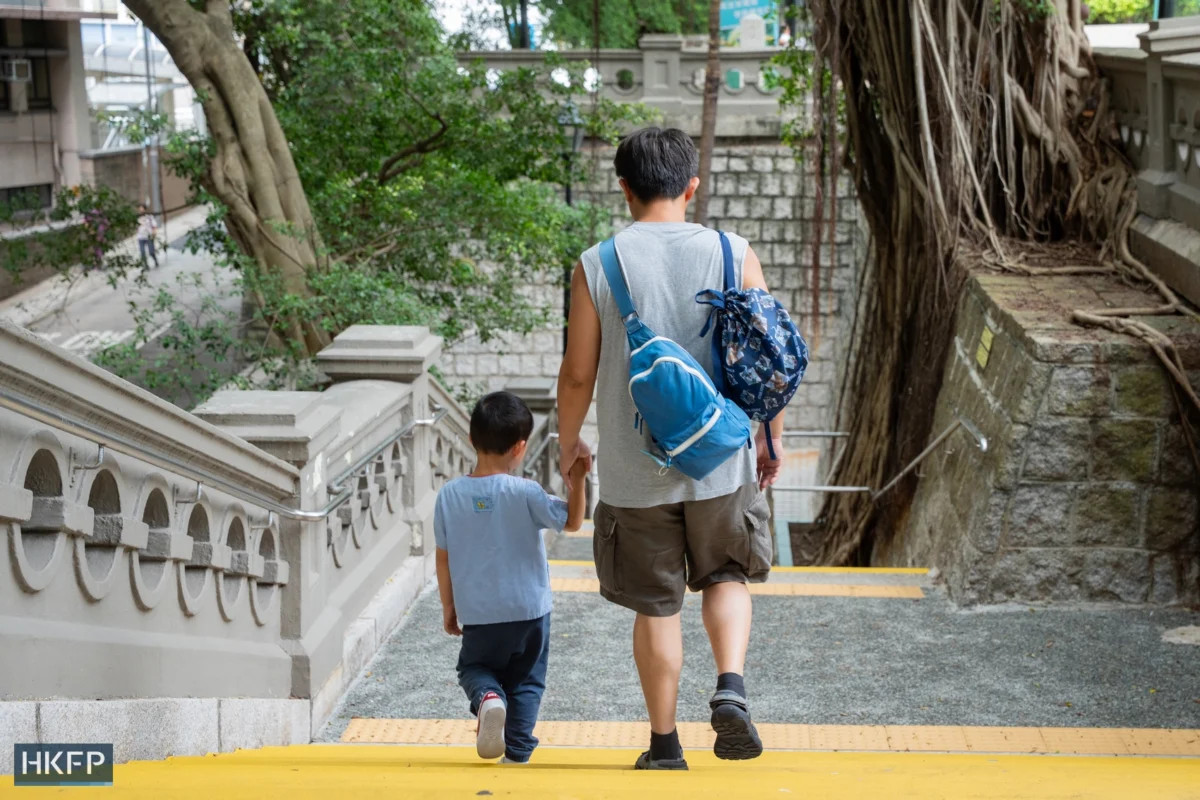
Hong Kong is poised to significantly bolster its efforts to reverse a concerning demographic trend of record-low birth rates, with the government announcing an extension of its popular baby bonus scheme for another three years. This initiative, a cornerstone of the city’s strategy to support young families and encourage childbearing, will see an estimated expenditure of HK$2.3 billion. The plan, unveiled as part of Chief Executive John Lee’s recent Policy Address, aims to create a more conducive environment for families in the face of a persistently declining fertility rate, which stood at a stark 0.73 in 2025.
The renewed commitment to the baby bonus scheme underscores the urgency with which the Hong Kong administration views its demographic challenges. Official estimates detailed in a submission to the Legislative Council’s (LegCo) manpower panel outline the financial implications of this extended policy. Beyond the existing unspent balance from the initial three-year phase of the scheme, the government is seeking legislative approval from the Finance Committee to allocate an additional HK$1.6 billion. This substantial sum is earmarked for the second iteration of the scheme, which is set to run until October 24, 2029.

The Evolution of the Baby Bonus Scheme
The initial phase of the baby bonus scheme, launched in 2023, offered a one-time payment of HK$20,000 for every newborn child. This foundational payout has been instrumental in providing immediate financial relief to new parents. The extended policy builds upon this success by maintaining the HK$20,000 incentive for firstborns, while significantly increasing the bonus for subsequent children. From September 16, families welcoming a second or subsequent child will receive a HK$30,000 bonus, a clear signal of the government’s intention to incentivize larger families.
This targeted increase for additional children reflects a strategic approach to address the core issue of declining family size. The policy document explicitly states its objective: "to create a conducive environment for childbearing." This phrase encapsulates a multi-faceted approach that extends beyond direct financial incentives, aiming to foster a societal atmosphere where raising children is perceived as more manageable and rewarding.
A Deepening Demographic Crisis
The rationale behind this significant governmental investment is rooted in alarming statistics. In the twelve months from July 2025 to the end of June this year, Hong Kong registered fewer than 30,000 births. This figure represents a historic low for the city, a stark contrast to the situation a decade prior when the number of births was more than double this amount. The fertility rate of 0.73 in 2025 places Hong Kong among the lowest globally, far below the replacement level of approximately 2.1 births per woman.

This demographic downturn is not unique to Hong Kong but is particularly acute in densely populated, high-cost urban environments. Factors such as the prohibitive cost of living, intense competition in education and careers, and evolving societal attitudes towards marriage and family are widely cited as contributing to the trend. The government’s response, therefore, seeks to mitigate these pressures through financial and infrastructural support.
Financial Outlay and Unspent Balances
As of August 31, the government had disbursed approximately HK$1.55 billion to 77,709 applicants under the initial baby bonus scheme. A notable aspect of the current financial planning is the recognition of unspent funds from the first round. Approximately HK$732 million from the initial allocation remains uncommitted. This surplus will be rolled over and integrated into the budget for the renewed scheme, demonstrating prudent financial management and a commitment to maximizing the impact of existing resources. The total financial commitment for the second phase, including the rollover, is thus HK$732 million plus the additional HK$1.6 billion sought, bringing the total to HK$2.332 billion, rounded to HK$2.3 billion in initial reporting.
Broader Support Measures
The baby bonus scheme is not an isolated initiative; it is part of a broader suite of policies designed to ease the burdens of parenthood. Families with newborns are also set to benefit from enhanced tax breaks and preferential treatment in the allocation of public rental housing. Furthermore, the government has introduced measures to facilitate homeownership for families, including enabling them to borrow up to 95% of a residential property’s value for a mortgage and offering reduced stamp duty rates. These measures collectively aim to address the significant financial and housing pressures that often deter prospective parents.

Legislative Scrutiny and Innovative Suggestions
The proposal for the extended baby bonus scheme has been subjected to scrutiny and discussion within the Legislative Council. During a recent meeting of the LegCo’s manpower panel, lawmakers engaged in a robust debate about potential enhancements to the policy. One notable suggestion came from Legislator Joe Chan, a former police officer, who proposed a more innovative approach to incentivizing births. Chan suggested a collaboration with the Hong Kong Jockey Club to establish a lottery-style award, akin to the Mark Six, with prizes ranging from HK$1 million to HK$4 million for newborns. This idea, while imaginative, highlights a willingness among some legislators to explore unconventional solutions to the demographic challenge.
Deputy Secretary for Administration Warner Cheuk, responding to these suggestions, acknowledged the need for creative thinking but also cautioned about the practicalities and financial implications. He noted that any government or club-funded initiatives would be constrained by available resources, and that the scale of potential payouts could indeed amount to "astronomical figures."
Addressing Specific Family Needs
The discussions also touched upon other practical concerns faced by families. In response to a suggestion by Election Committee lawmaker Elvin Lee, Mr. Cheuk indicated that the government would consider offering tax breaks for expenses related to hiring foreign domestic workers. This acknowledges the critical role many domestic helpers play in supporting families, particularly those with young children. However, he stressed that any such consideration would be balanced against the government’s overall fiscal health.

Ken Lee, representing the labour sector, offered a historical perspective, suggesting that the government might draw inspiration from past public health campaigns. He alluded to the Family Planning Association’s 1975 "Two Is Enough" campaign, which promoted smaller family sizes. While this campaign’s objective was different – to curb population growth in a period of high birth rates – Lee’s suggestion implicitly raises questions about the messaging and societal norms surrounding family size, and whether a shift in narrative, alongside financial incentives, is necessary.
Broader Societal Implications and Future Outlook
The sustained low birth rate in Hong Kong poses significant long-term challenges for the city’s social fabric and economic vitality. A shrinking workforce could lead to labor shortages, increased dependency ratios (the proportion of dependents to the working-age population), and potential strain on social welfare systems. Furthermore, a decline in the younger generation could impact cultural dynamism and innovation.
The government’s renewed commitment to the baby bonus scheme, coupled with other supportive measures, represents a proactive attempt to mitigate these risks. The extended scheme, with its enhanced incentives for second and subsequent children, signals a clear policy direction focused on encouraging families to have more children. However, the effectiveness of these measures will ultimately depend on their ability to address the complex interplay of economic, social, and cultural factors that influence reproductive decisions.

The success of the scheme will be closely monitored through key demographic indicators, including birth rates, fertility rates, and the uptake of the bonus by families. The government’s willingness to adapt and potentially introduce further measures, as evidenced by the discussions in LegCo, suggests a dynamic approach to this pressing issue. The ultimate goal is to foster a Hong Kong where families feel empowered and supported to grow, ensuring the city’s continued prosperity and vibrancy for generations to come. The substantial financial commitment underscores the seriousness with which the administration regards this demographic imperative, framing it as a critical investment in the city’s future.

 Jia Lissa
 Nana
Nana