Nana
Nana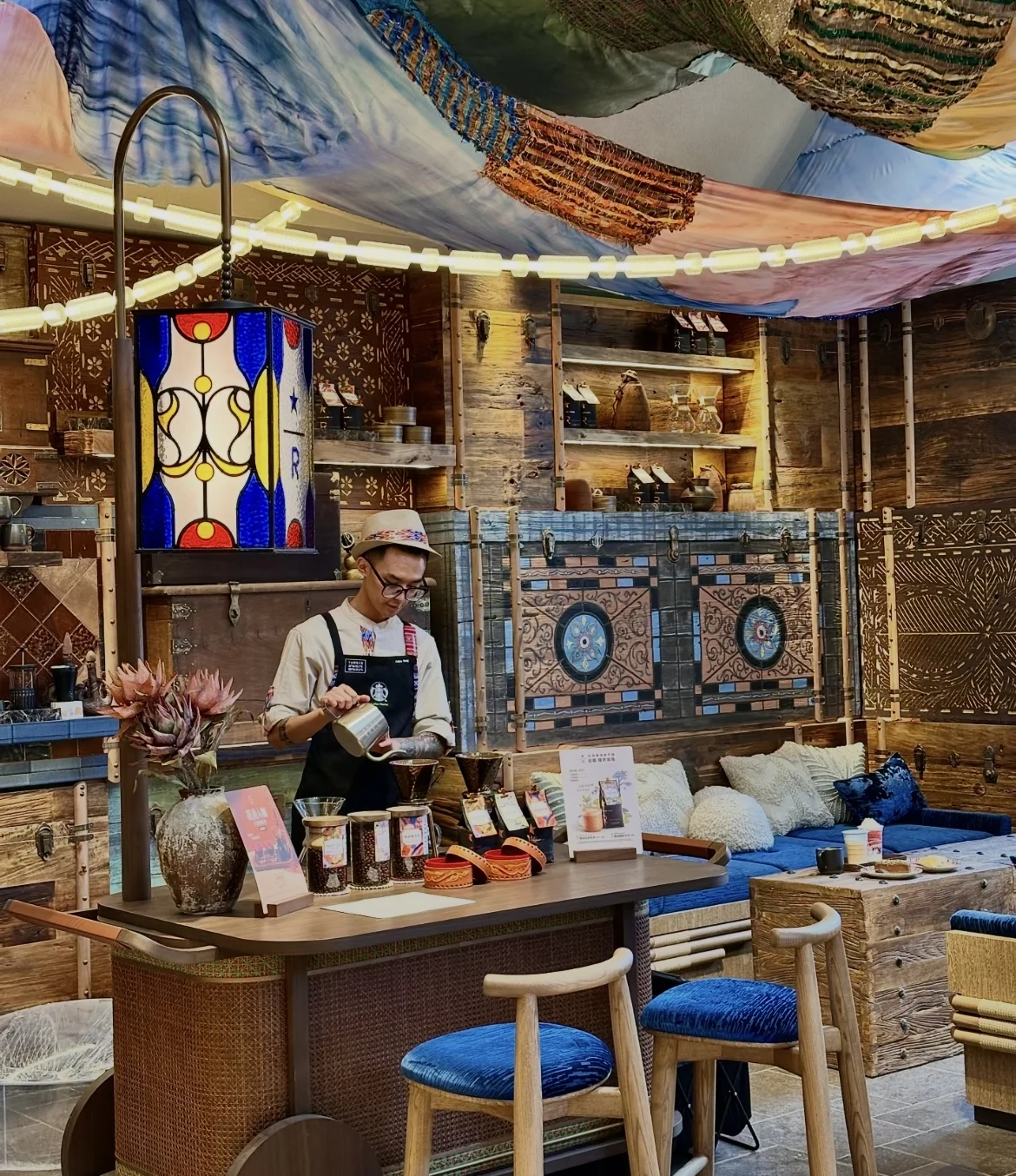
China’s foreign ministry has vehemently refuted accusations made by a United States congressional committee regarding the opening of two Starbucks cafes in the Xinjiang Uyghur Autonomous Region, labeling the claims as baseless fabrications intended for political manipulation. The controversy erupted after the chairman of the U.S. House Select Committee on China urged the global coffee giant to cease operations in the region, citing alleged human rights abuses against the Uyghur population.
Escalating Tensions Over Xinjiang Allegations
The U.S. House Select Committee on China, led by Chairman John Moolenaar, publicly criticized Starbucks’ decision to open its first two stores in Urumqi, the regional capital of Xinjiang, on a Tuesday. Moolenaar characterized the move as “morally bankrupt” and asserted that it “ties an iconic American brand to the CCP’s brutal campaign against the Uyghurs.” This strong condemnation highlights the deepening divide between the U.S. and China on issues of human rights and international business practices.

The U.S. government, along with various international human rights organizations and foreign governments, has repeatedly accused Chinese authorities of widespread and systematic human rights abuses against the Uyghurs and other predominantly Muslim ethnic minorities in Xinjiang. These allegations include mass detention in “re-education” camps, forced labor, forced sterilization, and cultural suppression. In January 2021, the U.S. State Department officially declared that China was committing genocide and crimes against humanity in Xinjiang.
China’s Rebuttal and Denial
In response to the U.S. committee’s statements, Chinese foreign ministry spokesman Guo Jiakun delivered a sharp rebuke on Saturday. He accused the select committee of “habitually fabricating claims out of thin air for political purposes to attack and smear China.” Guo emphatically stated, “The so-called ‘genocide’ in Xinjiang is a blatant lie,” reiterating Beijing’s consistent stance that its policies in the region are aimed at counter-terrorism, de-radicalization, and economic development.
Guo further argued that the U.S. committee’s actions were driven by a political agenda to sow discord and undermine China’s international standing. He suggested that such accusations were part of a broader effort by certain U.S. political factions to interfere in China’s internal affairs and disrupt its economic activities. The foreign ministry spokesperson emphasized that Xinjiang is an open region and that foreign businesses are welcome to operate there, provided they adhere to Chinese laws and regulations.

Background on the Xinjiang Conflict
The Xinjiang region has been a focal point of international concern for years. Home to a significant Uyghur population, it has been subjected to extensive security measures and socioeconomic policies implemented by the Chinese government since the late 2010s. While China maintains these measures are necessary to combat extremism and separatism, critics argue they constitute a deliberate campaign to assimilate and control the Uyghur population.
Timeline of Key Developments:
- 2014 onwards: China intensifies its security crackdown in Xinjiang, citing a rise in violent incidents attributed to separatists.
- 2017-2019: Reports emerge from former detainees and researchers detailing the existence of a vast network of “re-education” camps, where an estimated one million Uyghurs and other minorities were held.
- 2018: The United Nations Committee on the Elimination of Racial Discrimination reports credible evidence of mass detention.
- 2019: Leaked government documents, known as the "China Cables," reveal detailed directives for the operation of these camps, emphasizing ideological indoctrination and strict surveillance.
- 2020: The U.S. government imposes sanctions on Chinese officials and entities linked to alleged abuses in Xinjiang.
- 2021: The U.S. State Department officially designates China’s actions as genocide and crimes against humanity. Several other countries, including Canada, the UK, and the Netherlands, echo similar sentiments.
- 2022: The UN Human Rights Office releases a report stating that China’s actions in Xinjiang may constitute "crimes against humanity."
- Early 2025: Starbucks opens its first two cafes in Urumqi, Xinjiang, sparking renewed international scrutiny.
- Mid-2025: U.S. Congressional committee chairman calls for Starbucks to close its Xinjiang cafes, leading to China’s strong denial and accusations of fabrication.
International Concerns and UN Warnings
The United Nations has played a significant role in highlighting the dire situation in Xinjiang. In a report released in August 2022, the UN Office of the High Commissioner for Human Rights stated that China’s arbitrary detention and mistreatment of Uyghurs and other ethnic minorities in Xinjiang could amount to “crimes against humanity.” The report detailed credible allegations of torture, sexual violence, forced labor, and discrimination against the predominantly Muslim population.

Human rights groups continue to document serious abuses in the region, including evidence of forced labor in cotton production, solar panel manufacturing, and other industries. These findings have led to calls for international boycotts of goods produced in Xinjiang and for companies to conduct thorough due diligence to ensure their supply chains are not tainted by forced labor.
Starbucks’ Position and Corporate Responsibility
Starbucks, as a globally recognized brand, finds itself caught in the geopolitical crossfire. The company has not yet issued a detailed public response to the U.S. committee’s demands. However, major multinational corporations operating in China often navigate a complex landscape, balancing U.S. political pressure with the need to maintain access to the vast Chinese market.
The opening of stores in Xinjiang, while potentially seen as a business expansion by Starbucks, is now viewed through the lens of the region’s human rights record. This incident underscores the increasing scrutiny faced by companies regarding their ethical sourcing and operational conduct in politically sensitive regions. Corporations are under growing pressure from consumers, investors, and governments to demonstrate that their business practices align with international human rights standards.

Analysis of Implications
The exchange between the U.S. congressional committee and China’s foreign ministry highlights several critical implications:
- Geopolitical Tensions: The incident exacerbates existing tensions between the U.S. and China, particularly concerning human rights and trade. It reinforces the perception of a growing ideological divide and potential for further economic decoupling.
- Corporate Dilemmas: Multinational corporations like Starbucks face immense pressure to navigate these complex geopolitical issues. Decisions about market entry and operations in regions like Xinjiang can have significant reputational and financial consequences. The incident serves as a stark reminder of the need for robust human rights due diligence in all business operations.
- Information Warfare: China’s swift and aggressive denial of allegations suggests a continued strategy of information control and counter-narrative dissemination. The accusations of "fabrication" by the U.S. committee are part of a broader effort to discredit international criticism and maintain domestic and international support for its policies.
- Human Rights Advocacy: The U.S. committee’s actions, while condemned by China, aim to bring international attention to the alleged human rights abuses and exert pressure on both governments and corporations. This demonstrates the continued role of legislative bodies in human rights advocacy on the global stage.
The situation surrounding Starbucks in Xinjiang is emblematic of the broader challenges in balancing international business interests with human rights concerns in an increasingly interconnected yet politically fragmented world. The ongoing allegations and China’s firm denials indicate that the debate over Xinjiang and its implications for global trade and diplomacy is far from over. The U.S. committee’s call to action, met with Beijing’s strident rebuttal, sets a precedent for future confrontations involving multinational corporations operating in or around regions marked by severe human rights concerns.

 Suro Senen
 Azzam Bilal Chamdy