Reynand Wu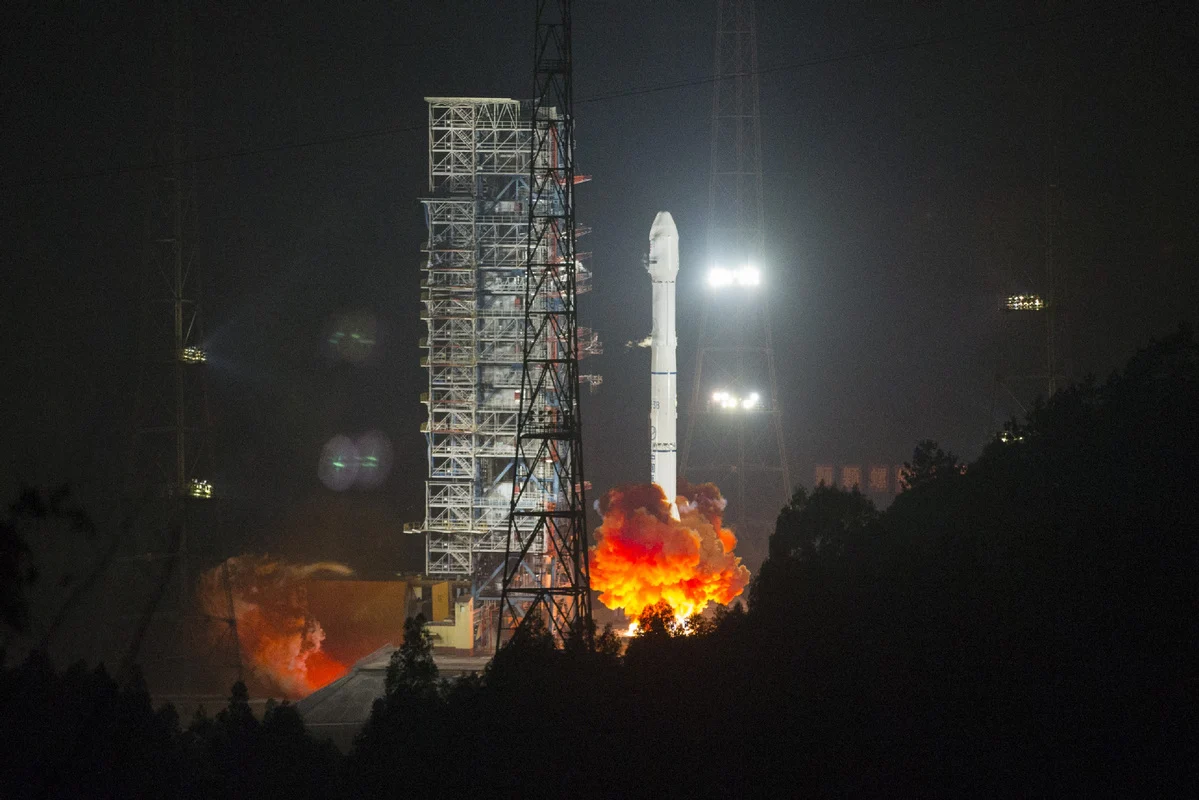
The launch of Algeria’s first communication satellite, Alcomsat-1, from the Xichang Satellite Launch Center in China’s southwestern Sichuan province on December 11, 2017, at precisely 40 minutes past midnight, signifies a pivotal moment in the burgeoning space exploration partnership between China and Algeria. This historic undertaking, utilizing a Long March-3B carrier rocket, marks the 258th mission for China’s esteemed Long March rocket family and underscores the nation’s growing capabilities in providing advanced satellite launch services to international partners. The successful deployment of Alcomsat-1 into its predetermined orbit is not merely a technological achievement but a testament to years of meticulous planning, collaborative engineering, and a shared vision for leveraging space technology to foster national development and connectivity.
A New Era of Connectivity for Algeria
Alcomsat-1 is poised to revolutionize communication infrastructure across Algeria, addressing a wide spectrum of critical national needs. Its primary functions will encompass broadcast and television services, aiming to enhance media accessibility and content distribution nationwide. Furthermore, the satellite is designed to bolster emergency communication capabilities, a crucial asset for disaster response and public safety. Educational initiatives will also benefit significantly, with the satellite facilitating distance learning programs, thereby extending educational opportunities to remote and underserved regions.
The deployment of Alcomsat-1 will also empower Algeria’s digital transformation agenda through enhanced e-governance services, allowing for more efficient public administration and citizen engagement. Businesses stand to gain from improved enterprise communication, fostering greater operational efficiency and connectivity. A significant aspect of Alcomsat-1’s mission will be to expand broadband internet access, bridging the digital divide and bringing high-speed internet to communities previously lacking reliable connectivity. Finally, the satellite’s capabilities extend to satellite-based navigation, which will support various sectors, including transportation, agriculture, and resource management. This multifaceted utility highlights the strategic importance of Alcomsat-1 to Algeria’s socio-economic development and its integration into the global digital landscape.
Chronology of a Collaborative Endeavor
The successful launch of Alcomsat-1 is the culmination of a multi-year collaborative process between the China Academy of Space Technology (CAST), a subsidiary of the China Aerospace Science and Technology Corporation (CASC), and Algerian space agency, the Algerian Space Agency (ASAL). While specific dates for the initial agreements and design phases are not publicly detailed in the provided snippet, the project’s inception can be traced back to earlier discussions and agreements on bilateral cooperation in space technology.
The development and construction of Alcomsat-1 likely involved extensive design reviews, rigorous testing, and assembly phases conducted by Chinese engineers in close coordination with their Algerian counterparts. This process would have included the satellite’s payload development, its integration with the launch vehicle, and comprehensive simulations to ensure mission success. The training of Algerian personnel in satellite operation and maintenance would also have been a crucial component, ensuring Algeria’s self-sufficiency in managing its first communication satellite. The final stages would have involved the transportation of the satellite to the Xichang Satellite Launch Center, pre-launch preparations, and the critical countdown leading to the successful liftoff on December 11, 2017. This timeline, spanning several years, underscores the complexity and dedication involved in such a significant international space project.
Supporting Data and Technological Prowess
The Long March-3B carrier rocket, responsible for placing Alcomsat-1 into orbit, is a testament to China’s robust space launch capabilities. Developed by the China Academy of Launch Vehicle Technology (CALTV), it is a heavy-lift launch vehicle known for its reliability and capacity to carry substantial payloads to various orbits, including geostationary transfer orbits (GTO), which is typically where communication satellites are initially placed before maneuvering into their operational positions. The rocket features a three-stage design, augmented by four strap-on boosters, providing the immense thrust required for its missions.
Alcomsat-1 itself is a geostationary communication satellite, designed to operate for an extended period, typically 15 years or more. While specific technical specifications such as its mass, power output, and the number of transponders are not detailed in the initial report, communication satellites of this caliber are equipped with advanced technologies to ensure high-quality signal transmission and reception. These include sophisticated antenna systems, reliable power generation through solar arrays, and robust onboard processing capabilities. The satellite’s deployment in geostationary orbit ensures continuous coverage over a specific geographical region, making it ideal for broadcasting and communication services.
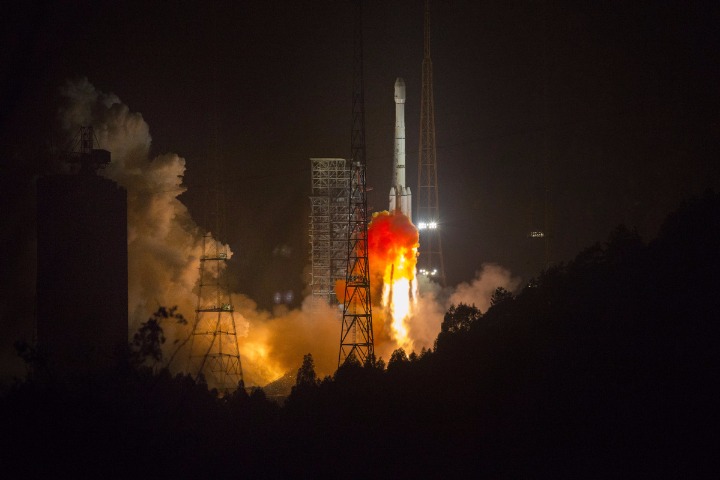
China’s Long March rocket family has a distinguished track record, with the 258th mission signifying its maturity and extensive operational history. This series of launches has supported both domestic and international space programs, including the deployment of China’s own Beidou navigation system and numerous commercial satellites. The successful launch of Alcomsat-1 further solidifies China’s position as a key player in the global satellite launch market, competing with established providers like Arianespace and SpaceX.
Official Responses and International Collaboration
The successful launch was met with widespread acclaim from both Chinese and Algerian officials. Chinese authorities, including representatives from the China National Space Administration (CNSA) and CASC, expressed pride in the successful execution of the mission, highlighting it as a significant achievement in China-Algeria bilateral relations and a demonstration of China’s growing contributions to global space endeavors. They emphasized the collaborative spirit and mutual trust that underpinned the project, positioning it as a model for future international space cooperation.
Algerian officials, including representatives from ASAL and government ministries, conveyed immense satisfaction and optimism regarding the satellite’s capabilities. They lauded the partnership with China as instrumental in achieving Algeria’s long-held ambition of having its own communication satellite. The Alcomsat-1 launch was framed as a critical step towards realizing Algeria’s national development goals, particularly in enhancing connectivity, improving public services, and fostering economic growth. The Algerian Minister of Post, Telecommunications, Information and Technology, or a similar ministerial representative, likely issued a statement expressing gratitude to China and underscoring the strategic importance of the satellite for Algeria’s future.
The success of this joint project also aligns with China’s broader Belt and Road Initiative (BRI), which encourages infrastructure development and economic cooperation among participating nations. By providing advanced space technology and launch services, China is not only expanding its economic influence but also contributing to the technological advancement of its partners.
Broader Impact and Implications
The launch of Alcomsat-1 carries profound implications for both Algeria and the broader landscape of international space cooperation. For Algeria, it represents a significant leap forward in technological sovereignty and national development. The ability to control and utilize its own communication satellite grants Algeria greater autonomy in managing its telecommunications infrastructure, reducing reliance on foreign providers and ensuring that its communication needs are met according to national priorities. The enhanced connectivity will stimulate economic activity, create new job opportunities, and improve the quality of life for its citizens.
On a global scale, this event reinforces China’s status as a reliable and capable provider of satellite launch services. It demonstrates China’s commitment to sharing its technological expertise and contributing to the development of emerging spacefaring nations. The success of this bilateral project could pave the way for further collaborations between China and other countries in Africa, Asia, and beyond, fostering a more inclusive and collaborative global space ecosystem.
Furthermore, the Alcomsat-1 mission highlights the growing trend of developing nations investing in space technology for socio-economic advancement. As the cost of satellite technology becomes more accessible and launch services more reliable, more countries are leveraging space assets to address domestic challenges and pursue national development agendas. China’s role as a facilitator in these endeavors is becoming increasingly prominent, shaping the future of space utilization for peaceful purposes and global benefit. The successful deployment of Alcomsat-1 is not just a singular event; it is a powerful signal of a changing global dynamic in space technology and its application for the betterment of nations.


 Nana Wu
 Suro Senen