Lina Hope
The China Urban Development and Finance Forum, held in Beijing on December 9, 2017, convened a diverse assembly of urban planners, government officials, financial experts, and industry leaders to confront the escalating challenges of urbanization and champion a paradigm shift towards greener, more sustainable models of city development. Sponsored by Shunxin Construction, a prominent player in China’s infrastructure landscape, the forum underscored the critical importance of aligning urban growth with the nation’s overarching "innovative, coordinated, green, open, and shared" development philosophy, aiming to foster synergistic collaborations between governmental bodies, private enterprises, and academic institutions for mutually beneficial outcomes.
The Imperative for Sustainable Urbanization in China
China’s rapid urbanization over the past four decades has been an unprecedented global phenomenon, transforming a largely agrarian society into an urbanized nation at a speed and scale unmatched in human history. By the time of the forum in 2017, China’s urban population had surpassed 800 million, with an urbanization rate exceeding 58 percent, a dramatic increase from less than 18 percent in 1978. This monumental shift, while propelling economic growth and lifting millions out of poverty, also brought forth a host of complex challenges. Mega-cities grappled with severe overcrowding, traffic congestion, escalating housing costs, and strained public services. Concurrently, many second- and third-tier cities, as well as numerous townships, faced issues of underdeveloped infrastructure, environmental degradation, and a struggle to attract and retain talent, leading to imbalanced regional development.
Recognizing these growing pains, China’s leadership had, particularly since the 18th National Congress of the Communist Party of China (CPC) in 2012, begun to pivot its national development strategy. The focus shifted from sheer quantitative growth to qualitative, sustainable development, prioritizing environmental protection, social equity, and innovation. This strategic reorientation was further solidified at the 19th CPC Congress held just two months prior to the forum, where the concept of "ecological civilization" was enshrined as a core component of national development, and "high-quality development" became the guiding principle for the new era. The forum’s emphasis on "innovative, coordinated, green, open, and shared" urban development directly echoed these national directives, serving as a practical platform to translate top-level policy into actionable strategies for urban planning and finance.
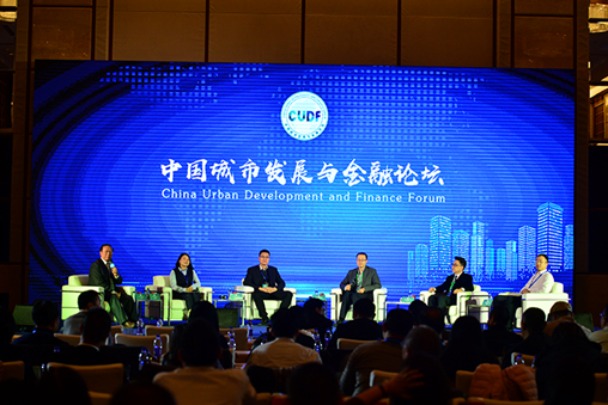
Convening Minds: The China Urban Development and Finance Forum in Detail
The forum, a critical assembly at a pivotal moment in China’s development trajectory, was meticulously designed to foster robust dialogue and generate practical solutions. Held in Beijing, a hub of policy-making and intellectual discourse, the event brought together an influential cohort of experts. Participants included senior urban planners from national and provincial academies, economists specializing in regional development, representatives from state-owned and private construction and investment firms, and local government officials tasked with implementing urban development initiatives. The agenda featured a series of keynote speeches, expert panel discussions, and specialized breakout seminars, all aimed at dissecting the multifaceted challenges and opportunities in China’s urban landscape.
Shunxin Construction, as the forum’s principal sponsor, demonstrated its commitment to aligning its business practices with the national agenda for sustainable development. The company’s sponsorship underscored a growing trend among leading Chinese enterprises to integrate corporate social responsibility and national strategic objectives into their core business models. By facilitating such a high-level discussion, Shunxin Construction positioned itself not merely as a builder of physical structures but as a contributor to the intellectual and financial frameworks necessary for future urban prosperity. The forum aimed to bridge the gap between theoretical planning and practical implementation, encouraging a holistic approach where environmental stewardship, economic viability, and social well-being are inextricably linked.
Strategic Perspectives from Industry Leaders
A key segment of the forum involved insights from leading figures who offered perspectives on how industry and finance could drive the new urban development paradigm.
Wang Yawei on Integrated Development and Supply-Side Reform
Wang Yawei, the Board Chairman of Shunxin Construction, articulated his company’s unwavering commitment to the "innovative, coordinated, green, open, and shared" development principles. He emphasized that for a construction enterprise, adhering to these tenets meant a fundamental shift in operational philosophy and project execution. "Innovation," in Shunxin’s context, translated to adopting advanced construction technologies, smart building materials, and cutting-edge design principles that enhance efficiency, safety, and aesthetic quality. "Coordination" implied seamless integration of various urban elements – housing, transportation, public spaces, and ecological zones – to create cohesive and livable communities, rather than isolated developments.

The "green" aspect was paramount, focusing on sustainable building practices, energy-efficient designs, waste reduction, and the incorporation of natural landscapes. This resonated with the national push for "ecological civilization" and reducing the carbon footprint of the built environment. "Openness" meant fostering collaboration with diverse stakeholders, embracing new ideas, and potentially attracting international expertise and investment. Finally, "sharing" underscored the social responsibility aspect, ensuring that urban development benefits all residents, including providing affordable housing, accessible public services, and equitable access to urban amenities.
Wang Yawei further highlighted the necessity of pushing forward supply-side reform within the construction sector to achieve sustainable growth. This reform, a broader national economic strategy, aimed at improving the quality and efficiency of supply to better match demand. For Shunxin, this meant moving away from high-volume, low-quality construction towards high-value, sustainable, and technologically advanced projects. This included investing in research and development for new construction methods, optimizing resource allocation, and fostering a highly skilled workforce capable of delivering complex, environmentally conscious urban solutions. Such reforms were crucial for shedding inefficient practices and cultivating a more resilient and competitive construction industry.
Wei Wuqun on Financial Innovation for Urban Renewal
Wei Wuqun, General Manager of Shunxin Construction Investment and Fund, provided a crucial financial perspective, asserting that innovative funding mechanisms are indispensable solutions for sustainable urban development and the ongoing reform of state-owned enterprises (SOEs). The sheer scale of China’s urban development ambitions necessitates massive capital investment, far beyond what traditional government budgets alone can provide. Wuqun advocated for diversified financing models, including Public-Private Partnerships (PPPs), green bonds, municipal bonds, and specialized urban development funds.
PPPs, in particular, were seen as a vital tool, allowing private capital and expertise to be leveraged for public infrastructure projects, thereby distributing risks and responsibilities. Green bonds and other sustainable finance instruments were highlighted as ways to attract investment specifically for environmentally friendly projects, such as renewable energy infrastructure, ecological restoration, and green building initiatives, aligning financial flows with ecological goals.

Furthermore, Wuqun linked urban development finance with the broader agenda of SOE reform. Many SOEs, historically dominant in sectors like infrastructure and real estate, faced pressures to improve efficiency, transparency, and market competitiveness. Strategic financial investments in urban development could provide avenues for SOEs to divest non-core assets, modernize their operations, adopt market-oriented management, and diversify their portfolios into areas like smart city solutions and sustainable infrastructure. This symbiotic relationship meant that well-structured urban finance could not only fund city growth but also catalyze the transformation of key state-owned entities, making them more agile and responsive to market demands.
Pioneering Urban Restoration: The Sanya Model and Beyond
One of the forum’s most illustrative discussions came from Wang Zhongjie of the China Academy of Urban Planning and Design, who used the city of Sanya in Hainan province as a compelling example to elaborate on the concept of "urban restoration." This concept, often misinterpreted as mere aesthetic renovation, is a far more comprehensive approach aimed at revitalizing cities by restoring their ecological environment, enhancing their unique cultural identity, and improving their functional efficiency.
Defining "Urban Restoration"
Urban restoration, as elucidated by Wang Zhongjie, transcends superficial beautification. It is a holistic strategy encompassing:
- Ecological Restoration: This involves rehabilitating degraded natural environments within and around urban areas, such as polluted rivers, wetlands, forests, and coastal zones. For a city like Sanya, known for its tropical climate and tourism, this would mean safeguarding coral reefs, restoring mangrove ecosystems, and improving water quality in rivers and bays.
- Cultural Connotation Revival: This focuses on preserving and celebrating a city’s historical heritage, local traditions, and unique architectural styles. It involves renovating old districts, protecting historical buildings, promoting local arts and crafts, and creating public spaces that reflect the city’s distinctive character, thereby fostering a stronger sense of place and identity for residents.
- Functional Improvement: This addresses the practical aspects of urban living, including upgrading outdated infrastructure (roads, public transport, utilities), optimizing land use, creating more green spaces and parks, and enhancing public services. The goal is to make cities more livable, efficient, and resilient.
The Sanya Case Study
Sanya, a popular tourist destination, faced significant challenges common to rapidly developing coastal cities: environmental degradation due to over-tourism and unchecked development, loss of local character amidst generic tourist infrastructure, and strain on natural resources. Wang Zhongjie likely detailed how Sanya’s urban restoration efforts would involve specific interventions, such as:

- Coastal Protection: Implementing stricter environmental regulations for coastal development, restoring damaged coral reefs, and reforesting coastal areas to prevent erosion.
- River Rehabilitation: Cleaning up urban waterways, creating ecological corridors along riverbanks, and improving wastewater treatment facilities.
- Cultural Preservation: Revitalizing old fishing villages, promoting local Li and Miao ethnic minority cultures, and integrating traditional Hainanese architecture into new developments.
- Infrastructure Upgrade: Improving public transportation networks to reduce reliance on private vehicles, developing sustainable tourism infrastructure, and creating more accessible public beaches and parks.
The selection of Sanya as an example highlighted the applicability of urban restoration principles to diverse urban contexts, from historical cities needing preservation to industrial cities requiring environmental remediation and tourist cities balancing development with natural beauty.
Role of Pilot Cities
The forum acknowledged the crucial role of "pilot cities" in implementing urban restoration initiatives. These cities serve as experimental grounds, testing innovative approaches and generating best practices that can then be scaled up and replicated across the country. Representatives from these pilot cities attended the seminars, sharing their firsthand experiences, challenges, and successes. This peer-to-peer learning environment was invaluable for refining strategies and adapting them to local conditions, ensuring that urban restoration was not a one-size-fits-all solution but a flexible framework tailored to specific urban needs.
Deep Dive: Seminars on Critical Urban Issues
The forum’s structure included two focused seminars that delved into specific technical and policy aspects of sustainable urban development, allowing for more in-depth discussions among experts.
Balancing Urban Development and Environmental Resources
This seminar explored the delicate equilibrium required between urban expansion and the finite natural resources it consumes. Discussions likely covered strategies for:

- Resource Efficiency: Promoting water conservation, energy efficiency in buildings and transportation, and circular economy principles to minimize waste.
- Pollution Control: Tackling air and water pollution through advanced treatment technologies, stricter emission standards, and green transportation initiatives.
- Green Infrastructure: Integrating natural systems into urban planning, such as urban forests, green roofs, permeable pavements, and wetlands, to manage stormwater, improve air quality, and enhance biodiversity.
- Ecological Redlining: Designating protected ecological zones within and around cities to prevent encroachment and preserve critical habitats.
Smart Urban Finance
The second seminar focused on leveraging innovative financial tools and digital technologies to support sustainable urban development. Key topics likely included:
- Data-Driven Planning: Utilizing big data, AI, and IoT to gather real-time information on urban dynamics (traffic, energy consumption, public safety) to inform smarter planning and resource allocation.
- Investment Strategies: Exploring new financial instruments beyond traditional government bonds, such as green bonds, social impact bonds, and municipal asset securitization, to fund smart city projects and sustainable infrastructure.
- Digital Public Services: Discussing how technology can improve the delivery of public services, such as smart grids, intelligent transportation systems, e-governance platforms, and digital healthcare.
- Risk Management: Analyzing financial risks associated with large-scale urban development projects and developing robust risk mitigation strategies.
These seminars provided a platform for technical experts to exchange knowledge and identify concrete solutions, moving beyond high-level policy discussions to practical implementation strategies.
The Broader Policy Context: Post-19th CPC Congress Urban Strategy
The timing of the forum, shortly after the pivotal 19th CPC Congress, imbued its discussions with heightened relevance. The Congress had laid out a grand vision for China’s future, characterized by a renewed emphasis on "high-quality development," "ecological civilization," and achieving a "beautiful China." For urban development, this translated into several key directives:
- Shift from Quantity to Quality: Prioritizing livability, sustainability, and innovation over sheer speed and scale of urban expansion.
- Integrated Urban-Rural Development: Addressing the historical disparity between urban and rural areas, promoting coordinated development, and revitalizing rural economies to prevent excessive migration to mega-cities.
- Regional Coordination: Developing city clusters (e.g., Beijing-Tianjin-Hebei, Yangtze River Delta, Pearl River Delta) to foster balanced regional growth, optimize resource allocation, and enhance economic competitiveness.
- Strengthening Governance: Improving urban planning and management capabilities, enhancing public participation, and fostering transparent governance.
The forum’s discussions directly contributed to operationalizing these national policies, providing a platform for stakeholders to understand their roles in this new era of urban development. The call for supply-side structural reform, reiterated by Wang Yawei, was a direct reflection of the Congress’s economic agenda, aiming to optimize industrial structures, reduce overcapacity, and foster innovation across all sectors, including construction and urban services.

Data and Trends: A Snapshot of China’s Urban Landscape
At the time of the forum, China’s urbanization rate stood at approximately 58.5%, projected to reach 70% by 2035. While impressive, this also highlighted the immense challenges ahead. Cities were consuming vast amounts of resources: China’s energy consumption per unit of GDP was significantly higher than developed countries, and urban areas contributed disproportionately to carbon emissions and air pollution. For instance, in 2017, China was still grappling with severe smog in many northern cities during winter months.
Investment in urban infrastructure was robust, with trillions of yuan channeled into transportation networks, housing, and public utilities annually. However, the efficiency and sustainability of these investments were increasingly scrutinized. The forum aimed to redirect this financial might towards projects that not only fostered economic growth but also improved environmental quality and social equity. The emphasis on green building standards, for example, aimed to reduce the environmental footprint of new construction, which accounted for a substantial portion of China’s energy consumption and carbon emissions. The statistics presented, either directly or indirectly, would have painted a picture of both the scale of past achievements and the urgency of the transformation required.
Implications for China and the World
The strategic shift discussed at the China Urban Development and Finance Forum carries profound implications, not only for China but also for the global community.
Economic Restructuring and New Growth Engines
By prioritizing "high-quality" and "green" development, China’s urban strategy is driving a massive economic restructuring. This fosters new growth engines in areas such as smart city technologies, green building materials, renewable energy infrastructure, environmental services, and cultural tourism. This shift encourages innovation and moves China up the value chain, creating a more resilient and sustainable economy less reliant on resource-intensive, export-led manufacturing.

Improved Quality of Life
For China’s urban residents, this new approach promises a significantly improved quality of life. Cleaner air and water, more green spaces, efficient public transportation, better public services, and culturally rich environments will enhance well-being and foster a stronger sense of community. The focus on "shared" development aims to reduce urban inequalities, ensuring that the benefits of progress are distributed more equitably across different socio-economic strata.
Environmental Sustainability and Climate Action
The commitment to "green" development and "ecological civilization" in urban areas is crucial for China’s broader environmental goals and its international climate commitments. Sustainable urban planning, energy-efficient buildings, and reduced urban pollution will contribute significantly to mitigating climate change, conserving biodiversity, and ensuring resource security for future generations. China’s efforts in this area have global ramifications, given its size and influence.
Lessons for Global Urbanization
China’s journey of rapid urbanization and its subsequent efforts to steer towards sustainable, high-quality development offer invaluable lessons for other developing nations grappling with similar challenges. While the scale and context are unique, the principles of integrated planning, innovative financing, ecological restoration, and people-centric development discussed at the forum provide a framework that can be adapted and applied elsewhere. China’s successes and failures in balancing growth with sustainability will serve as a rich case study for urban planners and policymakers worldwide.
In conclusion, the China Urban Development and Finance Forum in 2017 marked a critical juncture, solidifying the nation’s commitment to a new era of urban development guided by principles of innovation, coordination, green growth, openness, and shared prosperity. Through collaborative efforts spanning government, industry, and academia, and supported by strategic financial instruments and pioneering concepts like urban restoration, China embarked on a transformative journey to build cities that are not only economically vibrant but also ecologically resilient, culturally rich, and genuinely livable for all their inhabitants. This long-term commitment reflects a profound understanding that the future well-being of its people and the planet hinges on the sustainable evolution of its urban centers.

 Iffa Jayyana
 Laily UPN