Asro
Asro
The highly anticipated arrival of DaDong, a renowned Beijing-based restaurant celebrated for its innovative approach to Peking duck, marks a significant moment for the New York culinary scene. On Monday, December 11, 2017, the acclaimed restaurant chain opened its first international outpost, aiming to deliver an authentic taste of its signature roast duck to the discerning palates of Manhattan. This expansion represents not only a pivotal step for DaDong but also a testament to the growing global appetite for high-quality Chinese cuisine, particularly one that blends tradition with modern artistry.
The Pursuit of Perfection: A Duck of Distinction
At the heart of DaDong’s mission is Chef Dong Zhenxiang’s unwavering dedication to the perfect texture of Peking duck. Dong, the visionary founder, chef, and owner of the DaDong empire, which boasts 11 successful restaurants across China—nine in Beijing and two in Shanghai—has meticulously worked to replicate the signature culinary experience for his New York patrons. The foundation of this pursuit lies in sourcing the right ingredients.
"The most important thing is to find and develop a type of bird as similar as possible to the birds we use in China," Chef Dong stated, underscoring the critical role of duck genetics in achieving his desired outcome. He elaborated on the unique characteristics of the ducks favored in his Chinese establishments: "The birds we use are very special – the skins are thin, and the meat is less fatty so that we can have the combination of the crispiest skin with succulent meat." This delicate balance is what elevates DaDong’s duck from merely a dish to a gastronomic masterpiece.
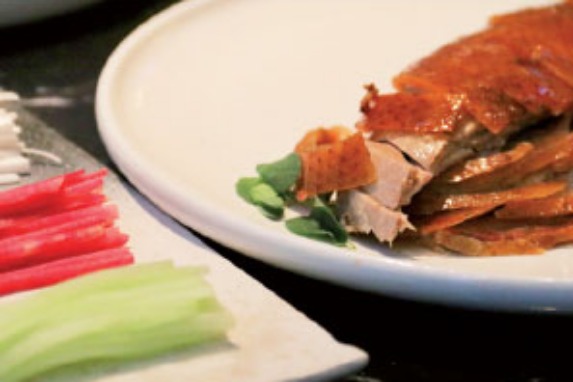
To achieve this ideal, Chef Dong embarked on a journey to the American heartland. His commitment to authenticity led him to collaborate with Maple Leaf Farms in Milford, Indiana, over a two-year period. This intensive partnership focused on developing specialized birds that would meet DaDong’s exacting standards and on designing a custom oven capable of reaching temperatures of 600 degrees Fahrenheit. While traditional DaDong restaurants in China utilize wood-fired ovens, a method that imparts a distinctive smoky flavor, New York’s stringent fire codes necessitated an innovative alternative for the Midtown location on 42nd Street at Bryant Park. This adaptation highlights the restaurant’s ability to navigate regulatory landscapes while striving to maintain its core culinary principles.
An Immersive Dining Experience: Beyond the Plate
The physical manifestation of DaDong’s arrival in New York is as impressive as its culinary aspirations. The three-story, 12,932-square-foot establishment, situated within The Cube Building and designed by George Wong Design, offers a sophisticated and expansive dining environment. A significant feature is the 3,785-square-foot outdoor garden on the second floor, complemented by an 858-square-foot outdoor terrace on the third floor, providing guests with unique urban oases. With a total capacity to host over 400 guests, the restaurant is poised to become a significant player in New York’s vibrant dining scene.
The buzz surrounding DaDong’s opening was palpable even before the doors officially swung open. When reservations were first made available in October, an astounding 2,500 individuals attempted to secure a table within a mere two-hour window. This overwhelming demand indicates a strong pre-existing awareness and eagerness among New Yorkers to experience what DaDong has to offer. Prime dining slots were reportedly booked through the end of February, a testament to the restaurant’s immediate appeal.
The signature "Subuni" (crispy, not greasy) roast duck is priced at $98 for a whole duck and $58 for a half duck. However, patrons are not solely paying for the exquisite food; they are investing in the "artistic conception of Chinese cuisine," also known as yijing cuisine, which is DaDong’s defining philosophy. This unique approach distinguishes DaDong from other Peking roast duck establishments by integrating profound elements of Chinese culture into every culinary creation. Yijing cuisine weaves together Chinese poetry, literature, painting, and even the art of bonsai grooming, transforming each dish into a multi-sensory experience that resonates with artistic and intellectual depth.

The interior design of DaDong New York further embodies this cultural philosophy, mirroring the aesthetic of its Beijing counterpart. Utilizing modern techniques, the decor aims to evoke the serene and expressive mood of traditional Chinese ink wash paintings. The architectural inspiration for the restaurant’s interiors draws from the renowned Suzhou Museum, designed by the celebrated architect I. M. Pei, known for its harmonious blend of traditional Chinese aesthetics and contemporary design. Poetry by Tao Yuanming (365-427 AD), a revered figure in Chinese literature known for his pastoral verses and reflections on official life, is featured to evoke the spirit of ancient Chinese literati and the noble pursuit of scholarship and service.
"I hope our New York customers could have a modern but classical dining experience at our restaurant," Chef Dong expressed, emphasizing his desire to bridge cultural divides through gastronomy. "And we are lucky to be able to bring in five chefs from China to New York." This commitment to bringing authentic talent and culinary expertise directly from China ensures that the quality and tradition are preserved in the new setting.
A Curated Menu for a Global Audience
The New York menu at DaDong features a thoughtful selection of 80 dishes, carefully chosen from the restaurant’s extensive repertoire of over 200 offerings in China. While maintaining the essence of traditional flavors, the culinary team has made minor adjustments to certain dishes to cater to the specific tastes and preferences of New Yorkers. This nuanced approach demonstrates a respect for local palates without compromising the integrity of the cuisine.
Beyond the culinary offerings, DaDong New York will also showcase an impressive selection of five different brands of baijiu, China’s national spirit, including prestigious names like Maotai and Lu Zhou Lao Jiao. This inclusion provides an opportunity for diners to explore the complexities and nuances of Chinese spirits, further enriching the cultural immersion.

Andy Xu, the executive chef of DaDong New York, who brings a wealth of experience from esteemed New York kitchens such as Cru, articulated the restaurant’s mission: "The traditional Chinese Beijing food is what DaDong represents; hopefully, we will educate the New York clientele to understand it with a New York-style service to help them enjoy the traditional Chinese food as well as enjoy the environment in New York." This statement highlights a dual objective: to present authentic Chinese cuisine and to integrate it seamlessly into the vibrant service culture of New York City, ensuring a welcoming and enjoyable experience for all guests.
Context and Implications: A Growing Trend
The opening of DaDong in New York is more than just the debut of a single restaurant; it is a significant marker in the broader trend of Chinese haute cuisine expanding its global footprint. In recent years, there has been a discernible rise in Chinese restaurants in major international cities that move beyond traditional fast-casual formats to offer refined dining experiences, focusing on regional specialties and innovative culinary techniques. This shift reflects a growing confidence in Chinese culinary identity and a desire to showcase its richness and diversity on a world stage.
The success of establishments like DaDong can be attributed to several factors. Firstly, there is an increasing global curiosity and appreciation for authentic ethnic cuisines, driven by greater cultural exchange and a more adventurous dining public. Secondly, the emphasis on high-quality ingredients, meticulous preparation, and a sophisticated dining atmosphere resonates with consumers who are willing to pay a premium for unique and memorable culinary experiences.
The financial implications of such ventures are also substantial. For DaDong, the New York opening represents a significant investment and a strategic move to tap into one of the world’s most competitive yet lucrative restaurant markets. The success of this venture could pave the way for further international expansion, solidifying DaDong’s position as a global culinary brand.

For New York, the arrival of DaDong enriches its already diverse culinary landscape. It offers residents and tourists a new dimension of Chinese dining, one that celebrates a specific regional specialty with an artistic and philosophical flair. This influx of authentic international cuisine also contributes to the city’s reputation as a global culinary capital, attracting food lovers from around the world.
The restaurant’s ability to adapt its cooking methods, while maintaining the integrity of its signature dish, demonstrates a thoughtful balance between respecting tradition and embracing innovation. This adaptability is crucial for long-term success in a dynamic market like New York. Furthermore, the integration of cultural elements into the dining experience—from the decor inspired by classical Chinese art to the literary references—elevates the meal from a simple act of consumption to an engaging cultural immersion.
In conclusion, DaDong’s New York opening signifies a milestone in the evolution of Chinese cuisine’s global presence. It represents a commitment to authenticity, a dedication to artistic expression, and a strategic vision for international growth. The coming months will undoubtedly reveal how this celebrated Beijing import will fare in the demanding yet rewarding New York dining scene, potentially setting a new benchmark for Chinese fine dining abroad.
Contact the writers at [email protected]


 Nana Wu
 Suro Senen