Reynand Wu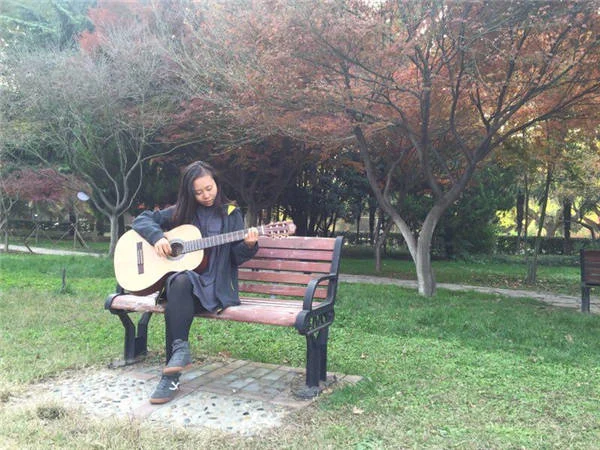
Do Dieu Linh, a postgraduate student from Hanoi, Vietnam, and Hue Lee, hailing from Bokeo province, Laos, are finding their academic and personal growth flourishing within the historic and dynamic city of Xi’an, China. Both are currently pursuing their postgraduate studies at Xi’an Jiaotong University, a prestigious institution with a rich legacy, and have embraced the multifaceted experience of living and learning in a country that is rapidly becoming a global hub for international education. Their journeys, beginning in 2016, reflect a growing trend of overseas students choosing China for higher education, drawn by a confluence of cultural fascination, academic opportunities, and the promise of experiencing a nation undergoing profound transformation.
The Allure of Chinese Culture and the Call of the Martial Arts
For Linh and Lee, the decision to study in China was deeply rooted in their pre-existing appreciation for Chinese culture. Linh’s initial interest was sparked through interactions with her Chinese peers during her undergraduate studies in Vietnam. "My Chinese friends told me a lot about Chinese culture, which really made me interested in coming to study in China," Linh shared, highlighting the personal connections that fostered her academic aspirations. She had previously engaged with Chinese students by teaching them Vietnamese, creating a reciprocal exchange that laid the groundwork for her eventual move. This organic introduction to Chinese society and its cultural richness proved to be a compelling factor, transcending mere academic curiosity and blossoming into a genuine desire for immersive experience.
Hue Lee’s motivation, while equally rooted in cultural fascination, took a more specific and action-oriented path. His lifelong admiration for Chinese kung fu, cultivated through a steady diet of iconic martial arts films, served as the primary catalyst for his decision. "I watched the movies of Jackie Chan and Jet Li. Actually, Chinese kung fu is the reason why I chose to study here," Lee stated, underscoring the profound influence of popular culture on shaping international educational choices. This passion for martial arts represents not just a hobby but a gateway into understanding a significant aspect of Chinese heritage and philosophy. Lee’s choice signifies how cultural soft power, disseminated through global media, can translate into tangible educational migration patterns.
Navigating the Initial Challenges: Climate, Cuisine, and Cultural Adaptation
The transition to life in Xi’an, while ultimately rewarding, was not without its initial hurdles. Like many international students, Linh and Lee encountered adjustments that tested their resilience. One of the most immediate challenges was adapting to Xi’an’s climate, which is notably colder than their respective home countries. This stark meteorological difference required significant acclimatization, from adjusting wardrobes to understanding the nuances of seasonal changes in a new environment.
Food, a cornerstone of any cultural experience and a daily necessity, also presented a learning curve. The diverse and often distinct flavors of Chinese cuisine, while a significant draw for many, can initially be challenging for palates accustomed to different culinary traditions. Navigating local markets, understanding ingredients, and identifying familiar or palatable dishes are all part of the initial adaptation process. This period of adjustment, often characterized by a degree of homesickness and a sense of being out of one’s element, is a common experience for individuals undertaking international moves.
The first few weeks in a new country are frequently cited as the most demanding, a critical phase where the resolve of many new arrivals is tested. The urge to return home can be strong, fueled by the unfamiliarity of daily routines, the language barrier, and the sheer effort required to establish a new life. However, for those who persevere, this challenging period often lays the foundation for deeper integration and a more profound understanding of their adopted environment.
A Foundation of Support: Xi’an Jiaotong University and the Power of Community
Fortunately, Linh and Lee found a robust support system within Xi’an Jiaotong University, which played a pivotal role in mitigating their initial difficulties. Linh specifically highlighted the exceptional care and concern extended by her Chinese teachers and classmates. "The Chinese teachers have shown a lot of concern for us foreign students. They often contacted me and asked me if I had any difficulties," Linh recounted, emphasizing the proactive approach of the university’s faculty. This personalized attention fostered a sense of belonging and ensured that academic and personal well-being were prioritized.
The development of strong interpersonal relationships proved to be a significant factor in Linh’s successful adaptation. "We have become good friends. They even invited me and my classmates to their homes," she shared, illustrating the warmth and hospitality she experienced. These invitations provided invaluable opportunities for cultural immersion beyond the classroom, offering insights into domestic life and fostering genuine friendships. Despite initial language barriers, Linh found her classmates to be remarkably understanding and helpful. "My Chinese was poor, but my classmates were tolerant and helped me out a lot," she admitted, underscoring the power of peer support in overcoming communication challenges. This collaborative environment facilitated not only academic progress but also the development of lasting cross-cultural bonds.
Exploring the Wonders of China: A Journey Through History and Landscape
Beyond the academic sphere, studying in China has afforded Linh and Lee the opportunity to explore the country’s rich historical tapestry and breathtaking natural landscapes. The vastness of China, a nation spanning diverse geographical regions and boasting millennia of history, offers an inexhaustible wellspring of discovery. Both students have taken advantage of their time to visit iconic landmarks, gaining firsthand experience of China’s celebrated heritage.
The Terracotta Warriors, an archaeological marvel near Xi’an, stands as a testament to the power and ambition of ancient Chinese empires. For Lee, encountering these life-sized clay soldiers was likely a profound historical and visual experience, connecting him directly to the past he had only encountered through books and documentaries. Similarly, the majestic Huashan Mountain, one of China’s Five Great Mountains, offers a dramatic natural spectacle, known for its steep trails and stunning vistas. These excursions provide a crucial counterpoint to academic rigor, offering moments of awe and a deeper appreciation for the physical and historical dimensions of China.
Lee’s ambition extends beyond these initial explorations. "China is such a vast country. There are so many cities I have never even set foot in," he observed, expressing a desire for continued exploration. He specifically mentioned Beijing, the nation’s capital, as a future destination. "Both Beijing and Xi’an are cities with a long history. I have plans to visit Beijing," Lee stated, highlighting the historical significance of both cities. This forward-looking perspective on travel demonstrates an ongoing engagement with China as a destination for learning and discovery, suggesting that their studies are intertwined with a broader educational pursuit of understanding the nation.
The Growing Landscape of International Education in China
The experiences of Do Dieu Linh and Hue Lee are emblematic of a broader trend. In recent years, China has strategically positioned itself as a premier destination for international students, investing heavily in its higher education infrastructure and actively promoting its universities on the global stage. According to UNESCO data, China has consistently ranked among the top global destinations for international students, with the number of foreign students enrolled in Chinese universities experiencing significant growth. In 2019, prior to the global pandemic, over 490,000 international students were studying in China, a figure that reflects the nation’s increasing appeal.
This growth is fueled by several factors:
- Academic Excellence: Chinese universities, particularly those in fields like engineering, science, technology, and medicine, are increasingly recognized for their high academic standards and cutting-edge research. Institutions like Xi’an Jiaotong University are part of this academic prowess, attracting students seeking specialized knowledge and global career prospects.
- Affordability: Compared to many Western countries, tuition fees and living costs in China can be more competitive, making it an attractive option for students from developing nations or those seeking value for their educational investment.
- Scholarship Opportunities: The Chinese government and various provincial governments offer a multitude of scholarships, such as the Chinese Government Scholarship (CGS), which significantly subsidizes tuition, accommodation, and living expenses, making study in China accessible to a wider pool of international talent.
- Cultural Immersion and Global Exposure: As demonstrated by Linh and Lee, the allure of Chinese culture, its ancient history, vibrant modern society, and unique traditions, is a powerful draw. Studying in China provides an unparalleled opportunity for deep cultural immersion and firsthand understanding of a nation with immense global influence.
- Economic Opportunities: China’s robust economic growth and its expanding role in the global economy present post-graduation opportunities for international students, particularly those with specialized skills and cross-cultural understanding.
The demographic of international students in China is also diversifying. While students from neighboring Asian countries like South Korea and Pakistan have historically formed a significant portion, there has been a notable increase in students from Southeast Asia, Africa, and Europe. This diversification enriches the campus environment and fosters greater intercultural dialogue.
Broader Implications and Future Prospects
The success stories of students like Linh and Lee have broader implications for both China and the international community. For China, these students represent a vital component of its "soft power" strategy, acting as cultural ambassadors and fostering goodwill. Their positive experiences can influence future student recruitment and enhance China’s global image. Furthermore, the influx of diverse talent contributes to the dynamism of Chinese universities and research institutions.
For the students themselves, the experience of studying abroad in China is transformative. It equips them with specialized knowledge, enhances their linguistic abilities, and cultivates invaluable cross-cultural competencies. These skills are highly sought after in today’s interconnected global job market. As Linh and Lee continue their academic journeys, they are not only pursuing their personal and professional goals but also building bridges between their home countries and China, contributing to a more interconnected and understanding world. Their "China stories" are evolving narratives of personal growth, academic achievement, and the enduring power of cultural exchange in an increasingly globalized era. The commitment of institutions like Xi’an Jiaotong University to fostering supportive environments for international students is crucial in ensuring that these narratives continue to be positive and impactful. As China continues to ascend on the global stage, the experiences of its international student population will undoubtedly play a significant role in shaping its future relationships and its perception worldwide.

 Asep Darmawan
 Rifan Muazin