 Suro Senen
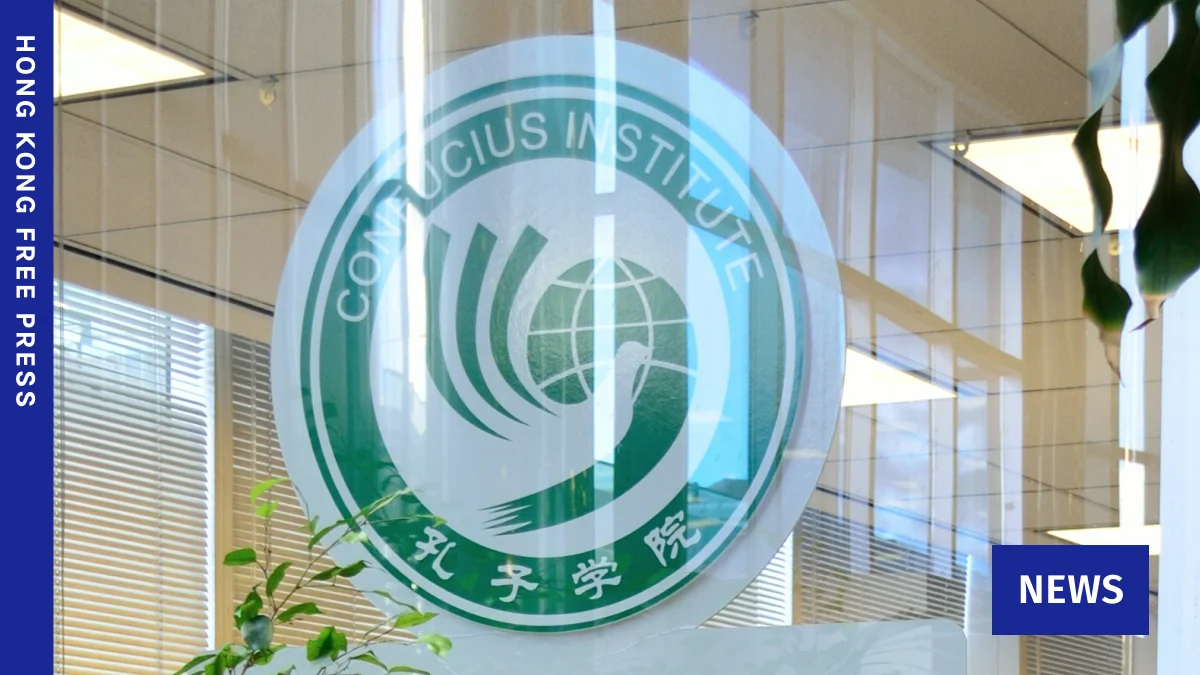
China has vehemently accused the United States of engaging in "targeted smearing" following Washington’s recent designation of Beijing-funded Confucius Institute cultural centers as national security threats. The Chinese Ministry of Foreign Affairs criticized the move on Monday, asserting that such actions are detrimental to educational exchanges and mutual understanding between the two nations. This diplomatic spat underscores a deepening geopolitical tension surrounding China’s global outreach initiatives and the increasing scrutiny they face from Western governments.

Escalating Tensions Over Confucius Institutes
The latest exchange between Beijing and Washington highlights a sustained period of friction regarding the Confucius Institutes, which have been a cornerstone of China’s soft power strategy for over two decades. The United States, under successive administrations, has increasingly viewed these centers, often hosted on American university campuses, not as benign cultural hubs but as clandestine propaganda arms of the Chinese Communist Party (CCP). This perception has led to escalating measures, including funding restrictions that began in 2025, and now, a formal designation as a national security concern.
U.S. Defense Secretary Pete Hegseth stated on Friday that his department had, over a two-month period, dismantled dozens of organizations that had disguised themselves under different names but pursued the same mission as the Confucius Institutes. Hegseth characterized these entities as a direct threat to national security, signaling a more aggressive posture in identifying and neutralizing what the U.S. perceives as foreign influence operations.

China’s Rebuttal and Defense of Cultural Exchange
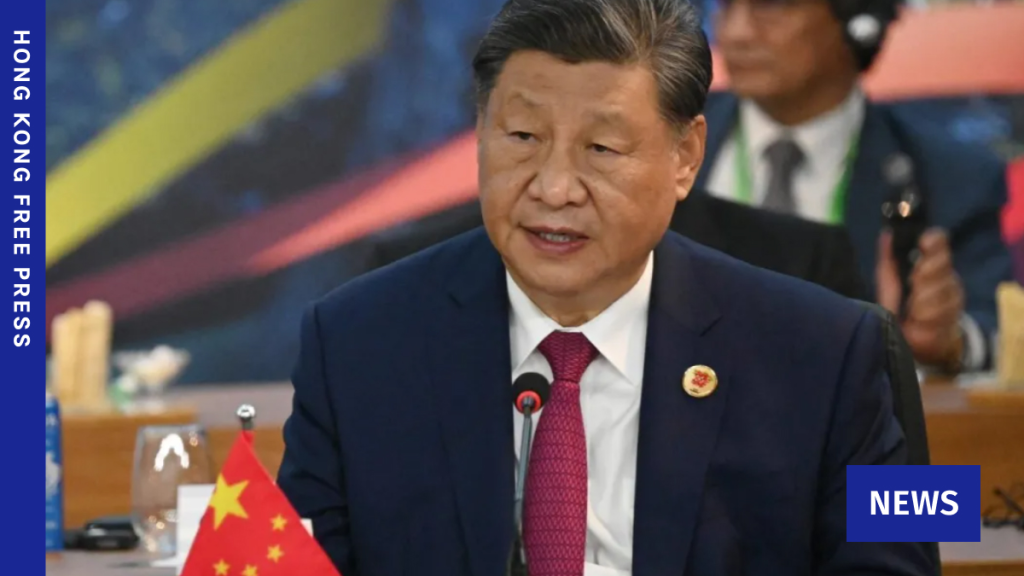
In response to these accusations, Chinese Ministry of Foreign Affairs spokesman Guo Jiakun stated at a press conference, "We oppose the targeted smearing and stigmatization of Confucius Institutes." He emphasized that China-U.S. educational exchanges and cooperation are inherently beneficial to fostering greater understanding between the peoples of both countries. Guo added that such vital ties "should not be interfered with or undermined." This statement reflects China’s official position that its cultural programs are legitimate instruments of diplomacy and people-to-people engagement, aimed at promoting Chinese language and culture globally, much like similar initiatives by other world powers.
Background and Evolution of Confucius Institutes
Established by China’s Ministry of Education, the Confucius Institutes were launched in 2004 with the stated aim of promoting Chinese language and culture worldwide. Over the past two decades, China has overseen the establishment of hundreds of these institutes in over 150 countries. Presented as China’s equivalent to renowned cultural institutions like Germany’s Goethe-Institut or the British Council, they offer language courses, cultural events, and academic programs. Chinese President Xi Jinping has previously lauded them as a "symbol of China’s unremitting efforts for world peace and international cooperation."

However, these institutes have increasingly become the subject of controversy and mounting resistance globally. Critics, particularly in Western democracies, have raised concerns about academic freedom, censorship, and the potential for undue Chinese government influence on curriculum and campus activities. Allegations have frequently surfaced regarding the institutes’ role in suppressing discussion of sensitive topics such as the Tiananmen Square massacre, Tibetan independence, or the human rights situation in Xinjiang. Furthermore, concerns have been voiced about the alleged use of Confucius Institutes to monitor and intimidate Chinese students and dissidents abroad, and to gain access to sensitive research and intellectual property.
A Global Trend of Closures and Scrutiny
The U.S. actions are part of a broader global trend of increased scrutiny and subsequent closures of Confucius Institutes. In recent years, numerous Confucius Institutes have ceased operations in several countries following similar accusations of foreign interference and undue influence. Notable examples include closures in France, Sweden, Australia, and Canada, where universities and governments have re-evaluated their partnerships with the institutes amidst growing concerns about Beijing’s intentions.

The U.S. Department of State had previously designated the Confucius Institute headquarters in China as a foreign mission of the People’s Republic of China in August 2020, citing its role in advancing Beijing’s global propaganda and malign foreign influence campaigns. This designation effectively labeled the Confucius Institute Headquarters as equivalent to an embassy or consulate, highlighting the U.S. government’s serious view of its operations.
The National Security Framework
The U.S. designation of Confucius Institutes as national security threats implies that they are seen not just as sources of intellectual property theft or political interference, but as active threats to the integrity of American educational institutions and the broader national security apparatus. This framing suggests a belief within U.S. intelligence and defense circles that these institutes could be leveraged for espionage, information gathering, or to sow discord and influence public opinion in ways that are detrimental to U.S. interests.

The strategy of dismantling disguised organizations, as mentioned by Secretary Hegseth, indicates a proactive approach by the U.S. government to identify and disrupt potential foreign influence operations, even when they attempt to operate under new guises. This suggests a heightened state of vigilance and a willingness to employ a range of tools, from diplomatic pressure to intelligence operations, to counter perceived threats.
Broader Implications for International Relations and Education
The escalating tensions surrounding Confucius Institutes have significant implications for international relations, particularly between the United States and China. It signals a hardening of positions on both sides and could lead to further restrictions on educational and cultural exchanges, potentially hindering academic collaboration and cross-cultural understanding.

For universities worldwide that have hosted Confucius Institutes, the situation presents complex challenges. They must balance the benefits of cultural exchange and language education with the imperative to protect academic freedom and national security. The trend towards closures suggests a recalibration of these priorities, with many institutions opting to sever ties with Confucius Institutes to avoid potential legal, financial, or reputational repercussions.
The continued debate over the nature and purpose of Confucius Institutes underscores the broader geopolitical competition between major global powers. As China continues to expand its international influence, its methods and the reception of its outreach programs will remain a critical point of contention and a barometer of global political dynamics. The U.S. stance, echoed by several other Western nations, indicates a growing consensus that such initiatives must be subject to rigorous scrutiny to safeguard democratic values and national interests. The future of these institutes, and indeed broader Sino-Western cultural diplomacy, will likely be shaped by ongoing efforts to balance engagement with security concerns.


 Nana Wu
 Lina Hope