Siti Muinah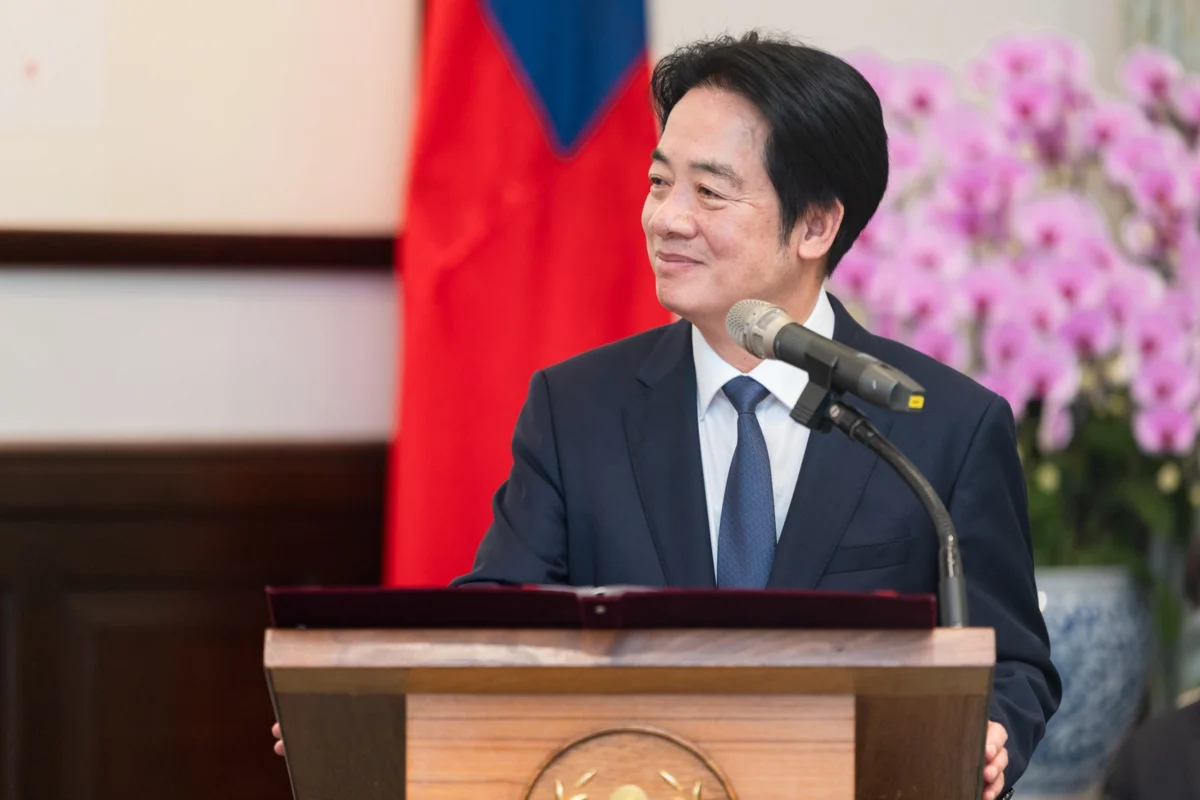
Taiwan is significantly increasing its defence spending in a strategic move aimed at deterring potential military aggression from Beijing, according to President Lai Ching-te. The democratic island nation, which faces persistent territorial claims and military pressure from mainland China, has earmarked a record NT$1.1 trillion (US$34.5 billion) for defence by 2027. This substantial investment, representing over three percent of the island’s Gross Domestic Product, underscores Taiwan’s commitment to bolstering its security capabilities and signalling its resolve to both China and its international partners, particularly the United States.
The announcement, made during Taiwan’s National Day celebrations, comes as China intensifies its military activities around the island, a move Taipei views as an attempt to alter the status quo in the Taiwan Strait. President Lai, addressing a crowd gathered before the Presidential Office in Taipei, emphasized that the increased defence budget is not intended as a provocation but as a crucial measure to safeguard peace. "Our aim by increasing investment in national defence is not to provoke, rather, it is to deter war," Lai stated, highlighting that peace cannot be achieved through mere wishes or by allowing aggression to go unchecked.

Taiwan, a vibrant democracy of 23 million people, has lived under the constant shadow of potential Chinese invasion since the end of the Chinese Civil War in 1949. Beijing, under the leadership of the Chinese Communist Party, views Taiwan as a renegade province that must be reunified with the mainland, by force if necessary. This assertion is a cornerstone of China’s national policy, and its military has conducted increasingly frequent and sophisticated exercises near Taiwanese airspace and waters, including large-scale incursions by fighter jets and naval patrols. These actions are often characterized as "grey-zone" tactics, designed to wear down Taiwan’s defences and exert psychological pressure without crossing the threshold into outright conflict.
A History of Rising Tensions and Defence Investments
The current geopolitical standoff between Taiwan and mainland China has its roots in the Chinese Civil War. Following the defeat of the Nationalist Kuomintang (KMT) forces led by Chiang Kai-shek by Mao Zedong’s Communist Party in 1949, the KMT government retreated to Taiwan, establishing the Republic of China (ROC) on the island. Since then, both governments have claimed to be the legitimate rulers of all of China, though the ROC government in Taiwan has evolved into a distinct democratic entity with its own constitution, elected government, and independent judiciary.
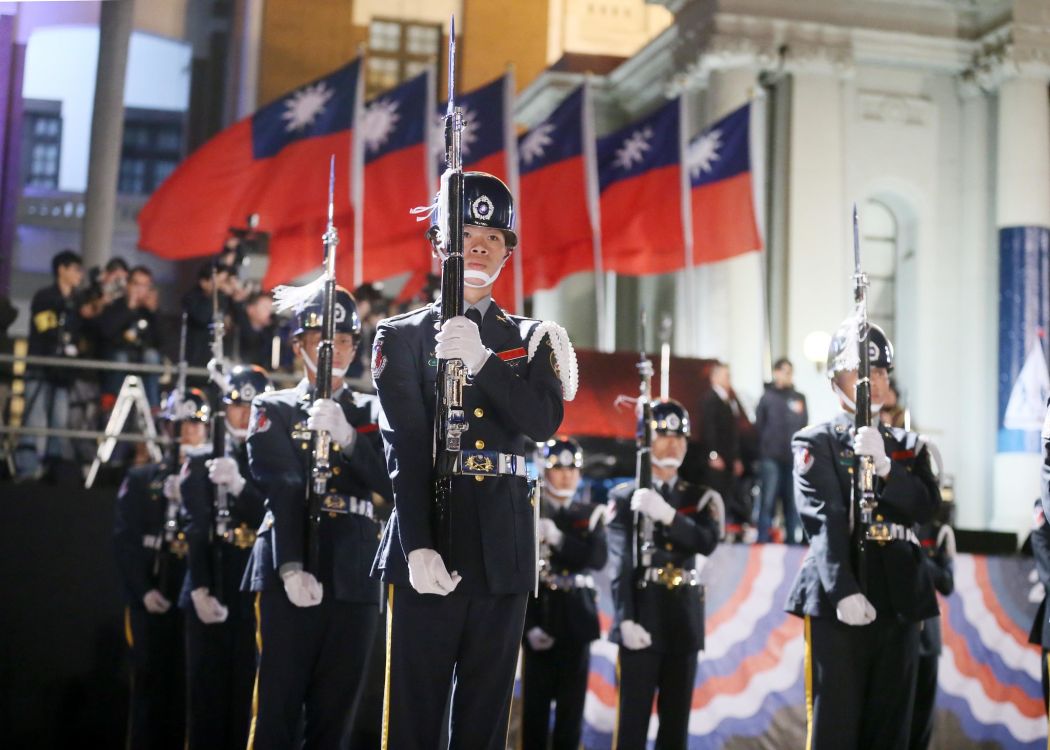
For decades, Taiwan has relied on its strategic importance and robust economy to maintain its de facto independence. Successive Taiwanese administrations have recognized the need to invest in their own defence to deter a potential invasion and to demonstrate to the United States, its primary security partner, that it is taking its own defence seriously. This commitment is crucial as the US maintains a policy of "strategic ambiguity" regarding its defence of Taiwan, while simultaneously providing the island with defensive weaponry under the Taiwan Relations Act.
President Lai’s administration has set an ambitious defence spending target for 2027, representing a significant commitment. This fiscal plan indicates a long-term strategy to enhance Taiwan’s military readiness, including the acquisition of advanced weaponry and the modernization of its armed forces. The specific allocation of funds is expected to cover a range of capabilities, from air and missile defence systems to naval assets and asymmetric warfare capabilities designed to counter a larger, more powerful adversary.
China’s Persistent Military Pressure

The backdrop to Taiwan’s defence buildup is China’s unwavering military modernization and its increasingly assertive posture in the Indo-Pacific region. The People’s Liberation Army (PLA) has undergone a significant transformation in recent years, developing advanced naval vessels, stealth fighter jets, and sophisticated missile systems. Beijing views Taiwan’s pursuit of greater international recognition and its deepening ties with the United States as challenges to its sovereignty.
Recent years have seen a marked increase in Chinese military activities around Taiwan. These include:
- Airspace Incursions: Regular flights by PLA aircraft, including fighter jets, bombers, and reconnaissance planes, into Taiwan’s Air Defence Identification Zone (ADIZ). These incursions often involve crossing the median line of the Taiwan Strait, a de facto boundary that has historically helped maintain stability.
- Naval Exercises: Increased presence of Chinese aircraft carrier groups and naval vessels in the waters surrounding Taiwan, often accompanied by live-fire drills.
- Amphibious Assault Drills: Simulated amphibious landing exercises conducted by the PLA, which are widely interpreted as rehearsals for a potential invasion of Taiwan.
- Cyber Warfare and Information Operations: Continuous efforts to disrupt Taiwan’s digital infrastructure and influence public opinion through disinformation campaigns.
These actions are not merely symbolic. They serve to test Taiwan’s response capabilities, gather intelligence, and exert a constant psychological strain on the Taiwanese population and military. The frequency and scale of these operations have led to heightened concerns among regional security analysts and international observers about the risk of miscalculation or accidental escalation.
US Support and Taiwan’s Defence Posture
The United States plays a critical role in Taiwan’s security equation. While Washington officially recognizes the People’s Republic of China (PRC) and adheres to the "one China" policy, it maintains robust unofficial relations with Taiwan. This includes significant arms sales, aimed at enabling Taiwan to defend itself.
However, the nature and reliability of US support have been subjects of ongoing debate, particularly in light of statements made by former US President Donald Trump. His suggestion that arms sales to Taiwan could be a bargaining chip with China, made after a meeting with Chinese President Xi Jinping, had caused considerable anxiety in Taipei and among its allies. Taiwan is currently awaiting the formalization of a US$14 billion arms deal, which includes advanced Patriot air defence systems, a crucial component of its defensive strategy.

President Lai, while welcoming dialogue between the US and China, stressed the imperative of respecting Taiwan’s right to exist. This statement underscores Taiwan’s position that any discussions regarding its future must include the will of its people. The island’s commitment to its own defence is a key factor in maintaining international support and deterring potential aggression.
Domestic and International Reactions
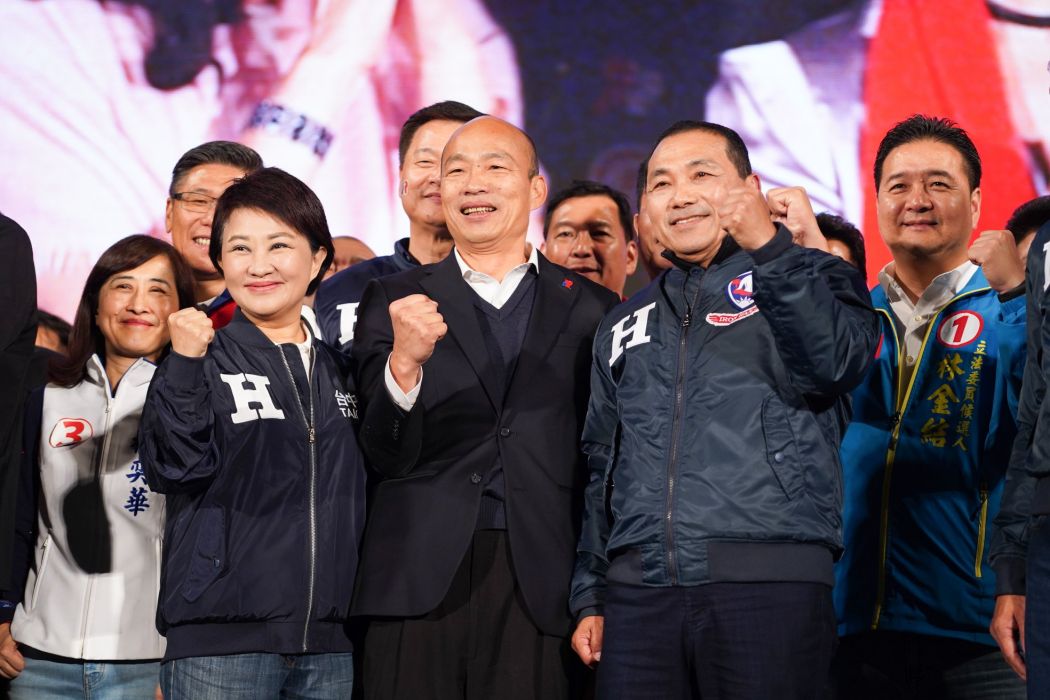
The National Day celebrations in Taiwan were marked by a display of national pride and military strength. Taiwanese fighter jets and helicopters carrying large national flags flew over the capital, underscoring the island’s sovereignty and its determination to defend itself. The public also expressed a strong desire for peace. "The overwhelming majority of Taiwanese compatriots do not want war; they wish to live their lives in peace and hope for peaceful cross-strait exchanges," stated Han Kuo-yu, a senior member of the main opposition Kuomintang (KMT) party, at the National Day event. The KMT, while advocating for closer economic ties with mainland China, also acknowledges the importance of US security support.

The increased defence spending and resolute stance from Taiwan have been met with a mix of concern and understanding from the international community. Many democratic nations share Taiwan’s commitment to peace and stability in the Indo-Pacific and are closely watching the evolving situation. The potential for conflict in the Taiwan Strait carries significant global economic and strategic implications, given Taiwan’s critical role in the global semiconductor supply chain.
Broader Implications and Future Outlook
Taiwan’s decision to significantly increase its defence spending is a clear signal of its resolve to protect its democratic way of life and its sovereignty. The strategy is multifaceted: it aims to deter a conventional invasion through enhanced military capabilities, to strengthen its asymmetric warfare potential to make any invasion prohibitively costly for Beijing, and to demonstrate to the United States and other allies that Taiwan is a reliable and capable partner in regional security.

The coming years will likely see continued diplomatic maneuvering, military posturing, and an intensification of the information war between Taiwan and mainland China. Taiwan’s ability to navigate these challenges will depend on its continued investment in defence, its ability to maintain strong international partnerships, and the resilience of its democratic institutions. The commitment to deter war through strength, as articulated by President Lai, represents a pragmatic approach to safeguarding the island’s future in an increasingly complex and volatile geopolitical landscape. The international community will be observing closely as Taiwan continues to assert its right to exist and to maintain peace in the Taiwan Strait.


 Sagoh
Sagoh
 Layla Zulfa