Muslim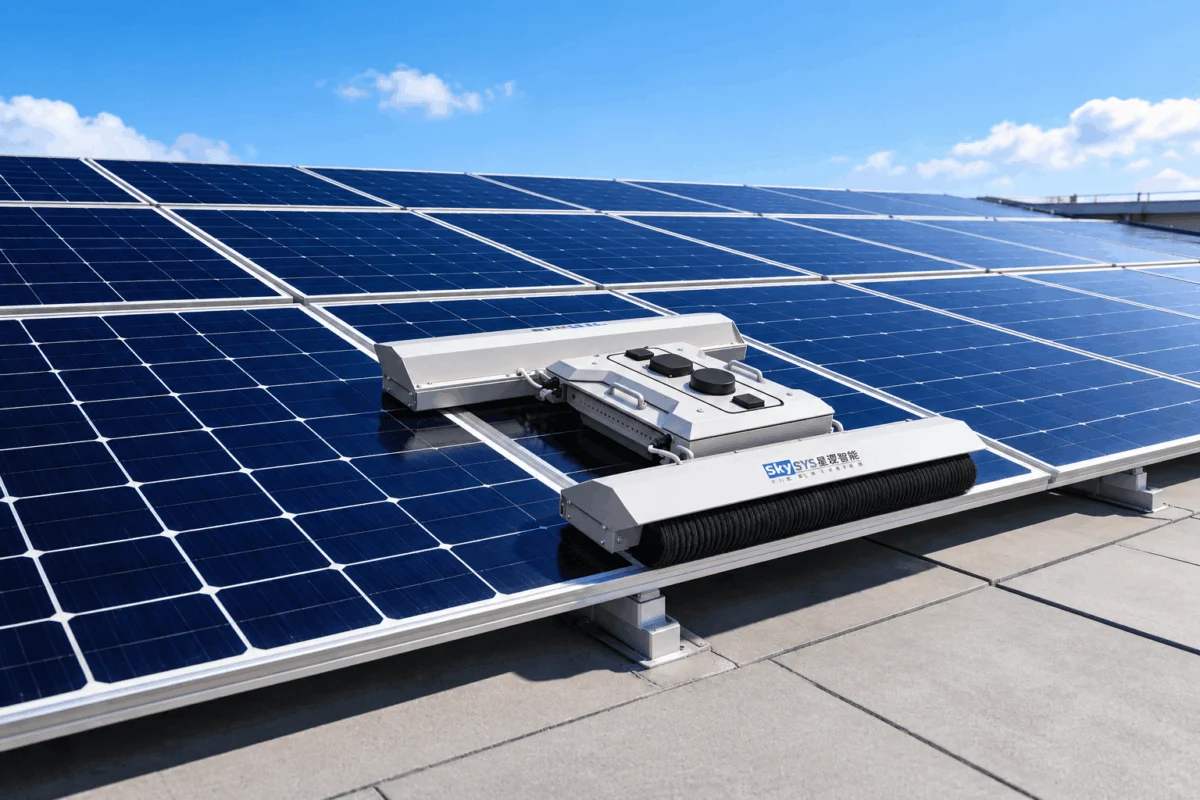
The traditional landscape of renewable energy operations and maintenance (O&M), particularly for vast solar farms and towering wind turbines, has long been characterized by arduous, time-consuming, and often hazardous manual inspections. Workers frequently navigate challenging terrains and dizzying heights to identify critical defects such as hot spots, physical damage, or dust accumulation on photovoltaic panels, a process that escalates maintenance costs, introduces significant safety risks, and inherently limits the efficiency and scalability of energy production. However, a transformative paradigm shift is underway, spearheaded by companies like Skysys Intelligent Technology, which is championing a synergistic approach where autonomous drones and ground-based robots collaborate seamlessly, ushering in an era of "low-altitude intelligence" that redefines the future of asset management in the renewable sector. This innovative integration promises not only to mitigate the inherent dangers and inefficiencies of conventional methods but also to optimize energy output and bolster the long-term viability of green energy infrastructure on a global scale.
The Pressing Need for Automation in Renewable O&M
The global push towards decarbonization has catalyzed an unprecedented expansion of renewable energy capacity. Solar and wind power installations are growing exponentially, with projections indicating that they will constitute the dominant share of electricity generation in the coming decades. This rapid growth, while crucial for climate objectives, simultaneously presents an escalating challenge for operation and maintenance. A typical utility-scale solar farm can span hundreds of acres, comprising hundreds of thousands of individual panels. Similarly, wind farms, whether onshore or offshore, feature turbines reaching impressive heights, often exceeding 100 meters. Manually inspecting these vast and complex assets is not only a logistical nightmare but also fraught with practical limitations.
Traditional inspection methods often involve human technicians meticulously examining panels, sometimes using handheld thermal cameras, or employing rope access techniques for wind turbine blades. This approach is inherently slow, susceptible to human error, and poses significant safety concerns, including falls from height, exposure to extreme weather conditions, and electrical hazards. Furthermore, the sheer volume of data generated by such inspections, when performed manually, is difficult to process efficiently, often leading to delayed fault detection and suboptimal repair schedules. Dust accumulation, for instance, can reduce solar panel efficiency by 15-20% or more, yet detecting and addressing it effectively across vast arrays manually is prohibitively expensive and logistically complex. The economic implications are substantial; inefficient O&M directly translates to reduced power generation, impacting revenue streams and the return on investment for energy producers. The global renewable energy O&M market, valued at tens of billions of dollars annually, is ripe for disruption by solutions that can enhance efficiency, reduce costs, and improve safety.
Skysys’s Vision: The Genesis of Low-Altitude Intelligence
Recognizing these critical pain points, Skysys Intelligent Technology embarked on a mission to harness advanced robotics and artificial intelligence to create intelligent, automated solutions for asset management. The company’s journey began with a focus on drone docking systems, initially conceived for automated inspection flights within smart-city environments. These early products were designed to enable drones to autonomously take off, execute predefined inspection routes, land, and recharge, providing a foundational platform for automated data collection. As AI-powered defect detection algorithms were integrated, these systems evolved beyond mere data capture, transforming into comprehensive inspection platforms capable of identifying anomalies with increasing precision.
Around 2018 to 2019, Skysys strategically pivoted towards the burgeoning renewable energy sector, recognizing the immense demand for automated inspection solutions in large-scale solar farms. The extensive geographical footprint of these installations made them ideal candidates for drone-based surveillance. This expansion was quickly followed by similar applications in power distribution, transmission, and substations. Crucially, Skysys’s systems moved beyond simply collecting visual data; they gained the capability to autonomously identify specific defects in solar panels, power-grid equipment, and later, wind turbines, thereby eliminating the need for laborious manual review of countless images and videos. This marked a significant leap, shifting the focus from raw data acquisition to actionable intelligence.
Dr. Xiao Suzhi, co-founder and Chief Scientist at Skysys, articulated the strategic rationale behind this pivot, stating, “Energy is a hard demand regardless of the economic cycle.” This insight underscored the enduring market need and the potential for specialized solutions in the energy domain. Consequently, solar and wind power became primary use cases, driving Skysys’s product development from general-purpose drone inspection towards highly specialized offerings tailored for the unique demands of large-scale energy operations.
From Identification to Intervention: The Evolution to Integrated Robotics
The rapid advancement and commoditization of drone hardware soon presented a new strategic challenge. As drone docking systems became more commonplace, competing solely on hardware capabilities offered limited long-term differentiation. More importantly, Skysys’s growing deployments revealed a crucial gap in the workflow: merely identifying a problem did not inherently solve it. A hot spot on a solar panel, while detected, still required physical intervention to rectify, whether through cleaning, repair, or replacement.
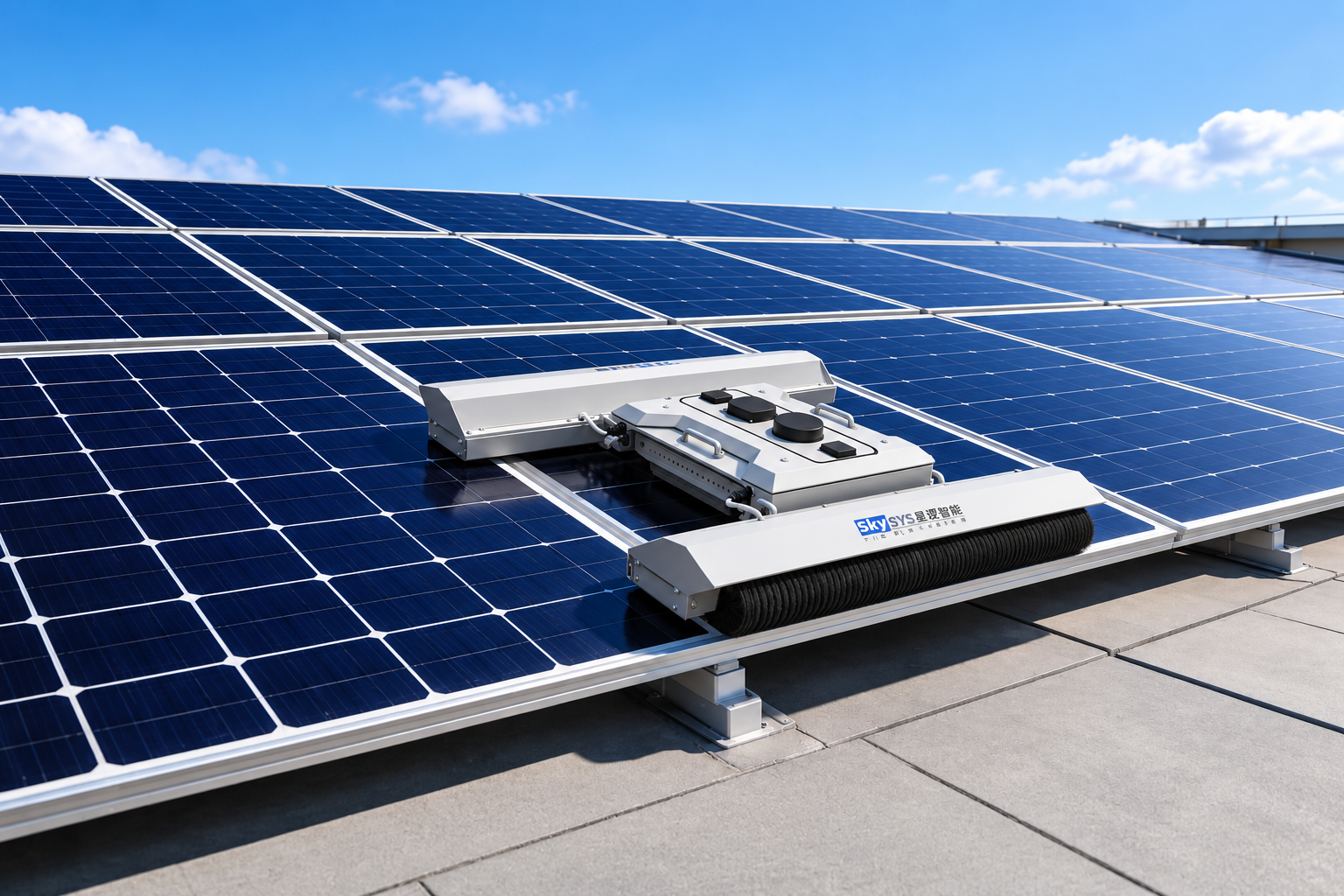
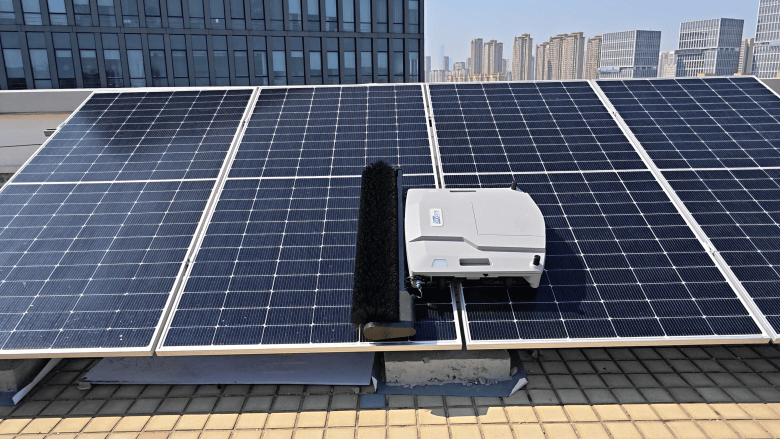
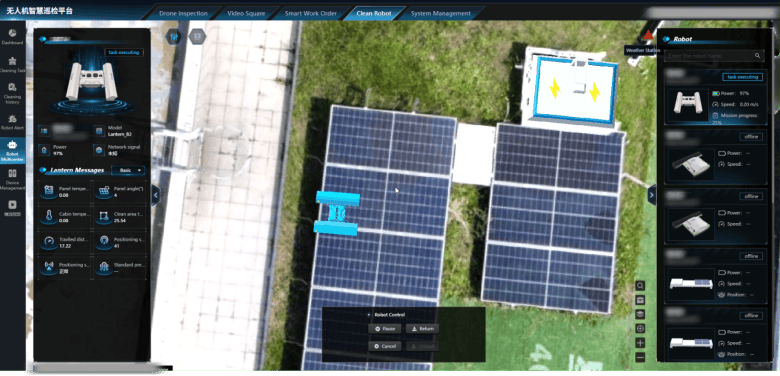
This realization prompted a pivotal expansion of Skysys’s product line around 2020, moving beyond inspection into the realm of active maintenance. For solar installations, drones could pinpoint defects and issues, but improving power output necessitated direct action on the ground. To bridge this gap, Skysys introduced a suite of maintenance robots, including specialized cleaning robots, designed to extend the automated workflow from detection to intervention. This integration of aerial inspection with ground-based maintenance robots marked the true emergence of their "low-altitude intelligence" concept—a comprehensive system capable of both diagnosing problems and executing solutions.
Dr. Xiao emphasized the underlying philosophy: “The ultimate goal is still economic value for the customer.” This principle guides the development of their maintenance tools, which are engineered to deliver tangible benefits: improving power generation efficiency, substantially reducing safety risks associated with manual labor, and supporting robust, long-term asset management strategies for renewable energy operators. By automating the entire cycle—from data acquisition and defect identification to physical remediation—Skysys empowers its customers to maximize asset uptime, extend operational lifespans, and achieve superior returns on their renewable energy investments.
Global Reach and Market Strategy
Skysys has aggressively pursued international expansion, focusing its overseas sales primarily on Europe and the Asia-Pacific region, key markets with rapidly expanding renewable energy infrastructure and varying operational challenges. Wang Xueyan, head of marketing at Skysys, highlighted the company’s dual international strategy: initial focus on solar inspection and intelligent security, with a more recent push for its solar-cleaning robots specifically in Europe and Asia-Pacific. The company’s growing stature was underscored by its inclusion in the prestigious “2026 AI Going Global Future Unicorn Top 100” list, announced on September 17, 2025, at an event held within the framework of the 23rd China-ASEAN Expo, signaling strong industry recognition and investor confidence.
The company has successfully demonstrated its capabilities through several notable overseas deployments. In Japan, Skysys collaborated with Huawei on drone-based inspections of challenging mountainous solar farms. These projects leveraged locally deployed computing systems to swiftly identify defects such as hot spots, physical damage, dust accumulation, and other obstructions, addressing the complex topography that makes manual inspection particularly difficult and dangerous. The ability to deploy computing power on-site minimizes data transfer latency and enhances the speed of analysis, crucial for remote or geographically dispersed installations.
Another compelling case study emerged from Indonesia, where Skysys’s drones are deployed to inspect floating solar installations—a rapidly emerging segment of the solar market with its own unique maintenance challenges. Here, the drones automatically identify faults and generate comprehensive diagnostic reports within a remarkably short timeframe, typically 15 to 20 minutes. This automated process drastically replaces labor-intensive inspections previously carried out by boat, which were slow, costly, and posed environmental risks in sensitive aquatic ecosystems. The precision and speed offered by Skysys’s drones ensure that issues are detected and addressed before they significantly impact energy output or structural integrity.
Europe has rapidly become a pivotal market for Skysys’s solar-cleaning robots. This demand is primarily driven by two factors: the region’s high labor costs, which make manual cleaning economically unfeasible for many operators, and a growing imperative to optimize output from existing rooftop solar assets. With millions of residential and commercial rooftop solar installations across Europe, maintaining their peak efficiency is paramount. Wang Xueyan noted that these specialized cleaning robots are priced at just over €10,000 for export, presenting a highly attractive return on investment. For an Australian customer, Skysys calculated that a single robot could pay for itself in approximately eight months, based on local electricity prices and the projected increase in power generation due to improved panel cleanliness. This compelling economic argument underscores the value proposition of Skysys’s integrated solutions.
Funding, Growth Trajectory, and Future Aspirations
Skysys’s innovative approach and demonstrable market traction have attracted significant investment. The company successfully closed a Series B+ funding round in June 2025, raising over RMB 100 million (approximately $14 million USD). This followed a similarly sized Series B round secured just a year prior. The latest capital infusion is strategically earmarked for further productizing its renewable-energy robots, refining their capabilities, and expanding their application into broader urban low-altitude operations, signifying a future vision beyond just renewable energy. This suggests a potential diversification into smart city management, infrastructure monitoring, and other sectors where automated low-altitude intelligence can offer substantial benefits.
The continued investment reflects a strong belief from venture capital firms in Skysys’s technology and market strategy. Investors are increasingly seeking companies that can address critical infrastructure challenges with scalable, AI-driven solutions. Skysys’s focus on a high-growth sector like renewable energy, coupled with its proven ability to deliver tangible economic value, positions it favorably within the competitive landscape of industrial automation and robotics.
Navigating Challenges and Charting the Future
Despite its impressive technological achievements and rapid global expansion, Skysys, like many innovative startups, faces the challenge of establishing robust brand recognition overseas. As Wang Xueyan acknowledged, “We still need to explore new markets and expand our presence.” The company’s playbook for overcoming this hurdle involves strategic collaborations with larger, more established companies that possess the necessary market penetration and distribution networks. By teaming up with reputable partners, Skysys aims to leverage existing channels and trust to accelerate its market entry and build a stronger international footprint. This strategy is common for deep-tech companies seeking to scale globally, allowing them to focus on core R&D and product development while relying on partners for sales, marketing, and local support.
Looking ahead, the implications of Skysys’s low-altitude intelligence extend beyond mere operational efficiency. The widespread adoption of drone-robot collaboration in renewable energy O&M could significantly impact the workforce, necessitating a shift from manual labor to roles focused on operating, maintaining, and analyzing data from autonomous systems. This transition would require upskilling and reskilling programs, creating new job opportunities in robotics, AI, and data analytics within the energy sector. Environmentally, optimized power generation through proactive maintenance means a more consistent and reliable supply of clean energy, further accelerating the transition away from fossil fuels. Economically, the reduced operational costs and increased asset lifespan make renewable energy projects even more attractive to investors, thereby driving further investment and expansion in the sector.
Skysys Intelligent Technology stands at the forefront of a technological revolution in renewable energy asset management. By seamlessly integrating the diagnostic prowess of drones with the actionable capabilities of ground robots, the company is not just automating tasks; it is fundamentally redefining how energy infrastructure is maintained, making it safer, more efficient, and ultimately, more sustainable. As the global demand for clean energy continues to soar, the innovative "low-altitude intelligence" pioneered by Skysys will play an increasingly vital role in ensuring that the green energy future is not only envisioned but also reliably and economically delivered.

 Nana Wu
 Asep Darmawan