Nana Wu
Residents in China’s bustling capital, Beijing, voiced cautious optimism this Thursday, September 24, 2026, ahead of the high-stakes meeting between President Xi Jinping and his American counterpart, Donald Trump, in Washington. The highly anticipated summit, which commenced Wednesday evening local time with President Xi’s arrival, is seen by many as a critical juncture for stabilizing the often-turbulent relationship between the world’s two largest economies. The overarching sentiment among Beijingers interviewed by AFP was a fervent hope that the bilateral talks would de-escalate tensions, particularly the lingering effects of a trade war that, as one resident put it, "hurts everyone."
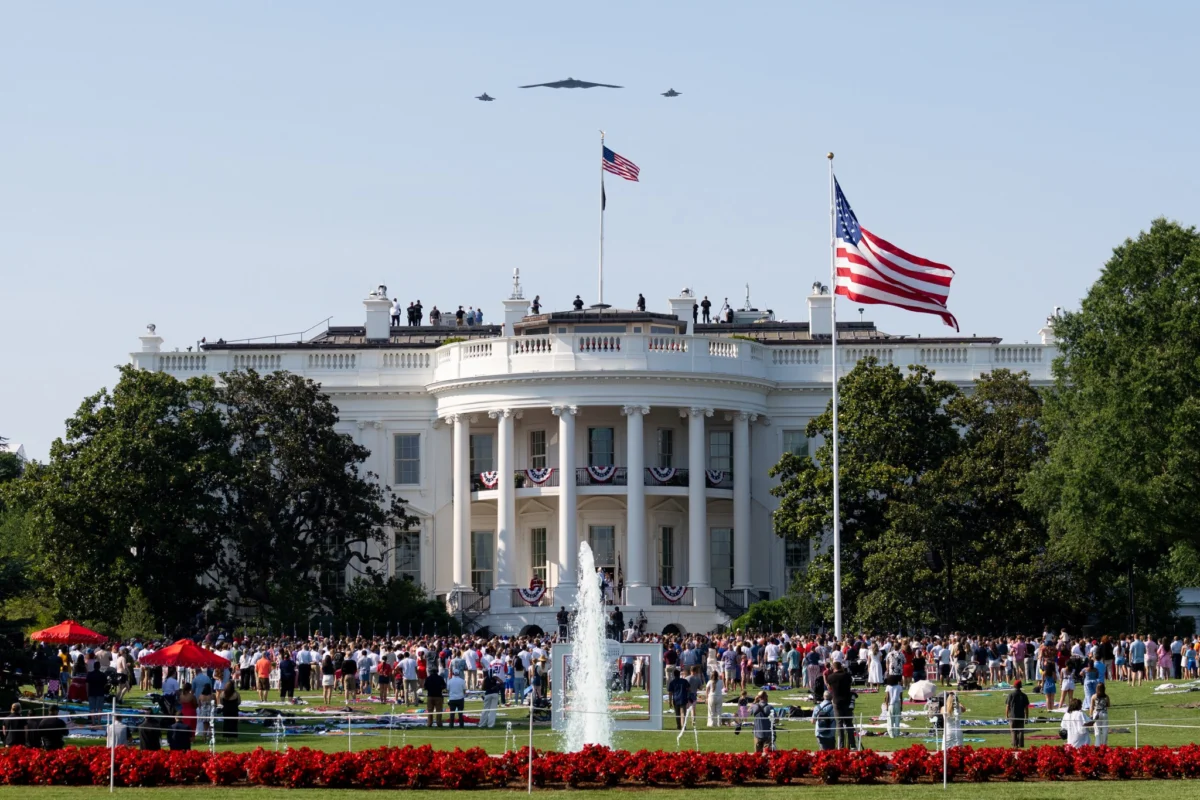
President Xi Jinping was formally greeted in Washington with a pomp-filled state visit, signaling the diplomatic gravity of the occasion. The comprehensive agenda for discussions is expected to span a wide array of complex issues, from the burgeoning competition in artificial intelligence (AI) and persistent trade disputes to geopolitical flashpoints like Iran and the delicate situation surrounding Taiwan. The stakes are undeniably high, with the outcomes poised to reverberate across global markets and international relations.

The Immediate Agenda and Public Expectations
In Beijing, the significance of the visit was palpable. Huang, a 59-year-old resident who preferred to be identified only by his surname, underscored the meeting’s profound importance in shaping the future trajectory of US-China relations. "As an ordinary citizen, I naturally hope that China-US relations can achieve long-term, stable, and mutually beneficial development," Huang told AFP on an overcast Thursday morning in central Beijing. He further articulated his desire for the leaders to foster a more constructive relationship: "I also hope that through President Xi’s visit to the US and friendly, harmonious, and goodwill communication with President Trump, we can develop bilateral relations."
This sentiment reflects a broader public yearning for a return to greater predictability and cooperation. The previous year, 2025, was marked by significant economic turbulence stemming from a blistering tariff war, which only saw a fragile truce established in October of that year. While analysts had tempered expectations, suggesting the summit might lean more towards symbolic gestures than substantive breakthroughs, an early development offered a glimmer of hope: Washington’s announcement on Wednesday of a two-month extension to the trade truce, which had been slated to expire in November 2026. This extension, though temporary, was widely interpreted as a positive signal, indicating a mutual desire to create a more conducive atmosphere for dialogue.
The Enduring Shadow of the Trade War: Economic Reverberations
The economic ramifications of the 2025 trade war remain a vivid memory for many. The imposition of tariffs by both the United States and China had a far-reaching impact, disrupting global supply chains, increasing costs for consumers, and creating significant uncertainty for businesses. The United States had levied tariffs on hundreds of billions of dollars worth of Chinese goods, citing concerns over unfair trade practices, intellectual property theft, and forced technology transfers. China retaliated with its own tariffs on American products, affecting sectors ranging from agriculture to manufacturing.

Finance worker Lu Hao, 27, vividly recalled the "distressed" state of himself and his clients during the height of the trade conflict. "I really hope this visit sends out positive signals and brings more good news to global stock markets," Lu stated, reflecting on the initial shockwaves. "Because at the beginning [of the trade war], our stock market took the brunt of the impact right from the start. It became clear that a trade war is a lose-lose situation." His remarks underscore the direct and immediate economic pain felt by individuals and industries caught in the crossfire of geopolitical competition.
Lucy Lu, 43, who works in the foreign trade services industry, echoed these concerns, emphasizing the universal harm inflicted when major economic powers clash. "For export businesses, certain goods have become really hard to ship out as a result of higher tariffs," she explained. The increased cost of doing business, coupled with logistical complexities, had forced many companies to re-evaluate their supply chains and market strategies. "I really hope countries can maintain a friendly approach to tariffs," she added, advocating for a more collaborative global trade environment.
Data from the period indicated significant disruptions. The International Monetary Fund (IMF) had projected a notable drag on global economic growth due to trade tensions, with both US and Chinese GDP growth rates facing downward revisions. Companies across various sectors, from agricultural producers in the American Midwest to electronics manufacturers in China, reported decreased profits, reduced investment, and even job losses. The initial enthusiasm for tariffs as a negotiating tool gradually gave way to a broader understanding of their detrimental effects on economic stability and interconnectedness.

The Race for AI Dominance and Future Global Power
Beyond trade, the summit is also expected to delve into the rapidly evolving landscape of artificial intelligence. Both the United States and China are locked in an intense, strategic competition for dominance in AI and robotics, viewing leadership in these fields as crucial for future economic prosperity and national security. This rivalry is further complicated by growing global concerns about the ethical implications of AI, its potential misuse, and even existential fears about its long-term impact on humanity.
Lucy Lu acknowledged China’s growing prowess in this critical domain. "In terms of AI… China now has the strength to go toe-to-toe with the US," she observed. This assertion is supported by China’s massive investments in AI research and development, its extensive data reserves, and a burgeoning ecosystem of AI startups and technological giants. However, she also cautioned that competition might still "outweigh agreements," positing that "whichever country gains the upper hand in the field of AI down the road" would likely emerge stronger globally. This highlights the zero-sum perception that often frames discussions around technological leadership.
Huang, while acknowledging the competitive aspect, emphasized the need for a more constructive approach. He believes that AI competition "should be a healthy and rational one, rather than a malicious one." This perspective suggests a desire for guardrails and shared understanding, even amidst intense rivalry, particularly given the unprecedented societal changes AI promises. Discussions at the summit might therefore explore avenues for cooperation on AI safety standards, ethical guidelines, and mitigating risks, even as both nations continue to pursue their national interests in technological advancement. The broader implications of the AI race include not only economic leadership but also military applications, surveillance capabilities, and the shaping of future global norms.

Geopolitical Flashpoints: Taiwan and Regional Stability
The high-level discussions between Xi and Trump are also expected to confront long-standing geopolitical flashpoints, notably the self-ruled island of Taiwan. Beijing views Taiwan as an inalienable part of its territory, asserting that it must eventually be reunified with the mainland, by force if necessary. This stance is a fundamental "red line" for China and a recurring source of tension with the United States, which maintains robust unofficial relations with Taiwan and provides it with defensive weaponry.
Huang expressed his expectation that President Xi would "stand firm on hot topics like Taiwan." He emphasized the importance of mutual respect: "Our government has its bottom line. I hope the United States will respect China’s bottom line and its sense of historical identity." Taiwan, meanwhile, has significantly ramped up its defense spending in recent years, seeking to deter any potential aggression from Beijing. However, it remains heavily reliant on US security support, highlighting the intricate balance of power and strategic ambiguity that defines cross-strait relations. Any misstep or miscalculation on this issue could have catastrophic regional and global consequences.
Beyond Taiwan, the leaders are also slated to discuss Iran, a country that presents a complex challenge to international stability. While the specifics of their discussion on Iran were not detailed in the original report, it is highly probable that the two leaders would address regional security, nuclear non-proliferation, and the broader implications for Middle East stability, given both countries’ significant interests in the region. Other underlying geopolitical tensions, such as human rights issues, cybersecurity concerns, and competition for influence in various international forums, undoubtedly form the backdrop against which these high-stakes negotiations are taking place.

Public Aspirations for a More Peaceful World
Despite the formidable challenges and deep-seated differences, a common thread running through the sentiments of Beijing residents was a profound aspiration for peace and stability, not just for the two superpowers, but for the entire world. The global landscape, already fractured by numerous conflicts and crises, stands to benefit immensely from a more constructive US-China relationship.
Lucy Lu articulated this global perspective, stating, "If US-China relations are good, it will benefit the entire global landscape." Her concluding remark encapsulated the hopes of many ordinary citizens: "I just hope the world becomes more peaceful." This desire for global tranquility underscores the interconnectedness of international relations, where the actions and decisions of major powers like the United States and China inevitably ripple across continents, affecting the lives and livelihoods of billions.
Expert Analysis and Outlook
Leading analysts and foreign policy experts had largely predicted that the summit would be more about managing expectations and preventing further deterioration than about achieving grand breakthroughs. The early extension of the trade truce, while welcome, is a temporary measure that postpones, rather than resolves, fundamental trade imbalances and structural issues. The sheer breadth and depth of the disagreements, spanning economic models, technological supremacy, human rights, and geopolitical influence, mean that quick fixes are unlikely.

However, the very act of leaders meeting face-to-face, engaging in direct dialogue, and reaffirming communication channels is itself a significant outcome. It provides an opportunity to clarify intentions, reduce misunderstandings, and establish a baseline for future engagement. The challenge lies in translating these high-level discussions into tangible, measurable progress on issues that profoundly impact global stability and prosperity. The long-term trajectory of US-China relations is widely expected to be one of "managed competition," where rivalry in key strategic areas is tempered by a recognition of shared global responsibilities and areas requiring cooperation, such as climate change, pandemic preparedness, and potentially, AI safety.
As the summit proceeds, the world watches closely, hoping that the dialogue in Washington will indeed pave the way for a more stable and predictable relationship between these two indispensable global actors, moving beyond the "lose-lose situation" of confrontation towards a future built on mutual respect and shared interests.

 Siti Muinah