Neng Nana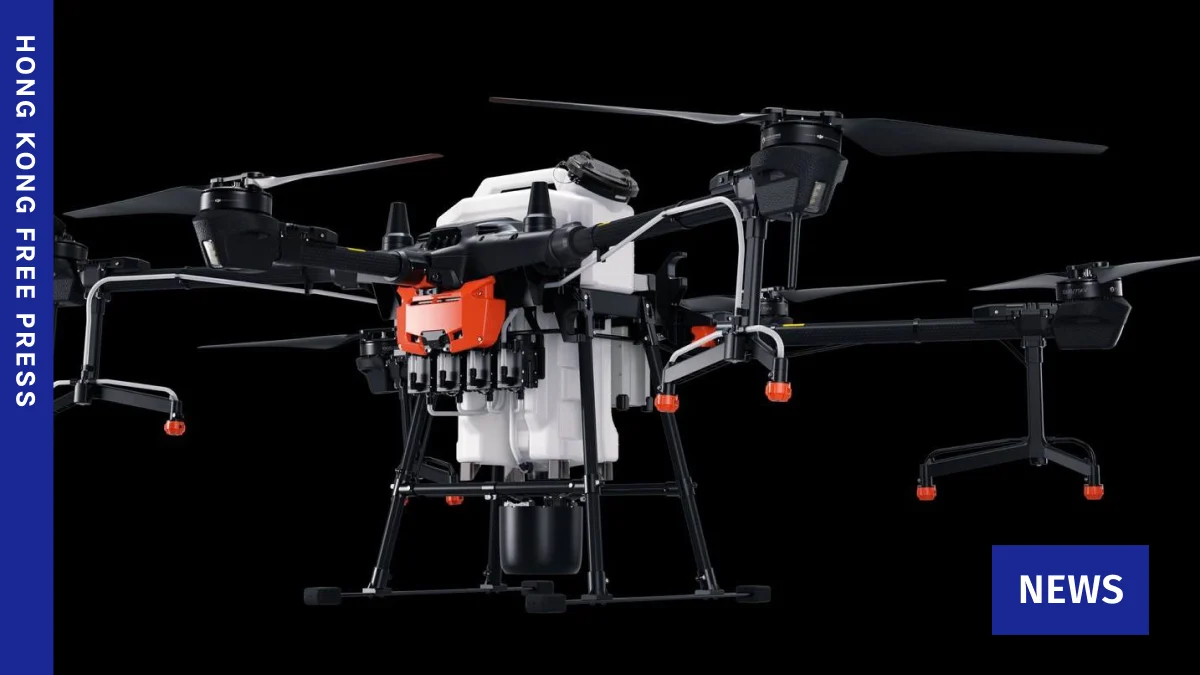
Beijing is set to implement an unprecedented and comprehensive ban on the possession of unmanned aerial vehicles (UAVs) within its city limits, effective November 15, significantly escalating its already stringent regulations. This latest directive not only prohibits the sale of drones, a measure introduced earlier this year, but now extends to forbidding the ownership, storage, and transport of these devices, effectively clearing the capital’s airspace of private drones. The move underscores the municipal government’s unwavering commitment to "safeguard the security of the capital" in an increasingly complex urban environment.
Details of the New Regulations
The new rules, formally announced on Sunday and slated to take effect on November 15, will criminalize the act of possessing or storing any unmanned aerial vehicle within the sprawling metropolis of Beijing. This blanket prohibition also extends to the transportation of drones or their individual components into the city, creating a formidable barrier against their presence. Furthermore, all flights of UAVs within Beijing’s tightly controlled airspace, which previously required specific official permissions, will now be under an explicit ban unless granted highly specialized exemptions. This marks a significant pivot from merely regulating drone usage to outright proscribing their private presence, reflecting a profound re-evaluation of airspace management and public safety within one of the world’s most politically sensitive capitals. The scope of the ban is broad, encompassing consumer-grade drones, professional aerial photography equipment, and even smaller hobbyist devices, irrespective of their size, weight, or operational capabilities, signaling a zero-tolerance approach to unauthorized aerial activity.
Chronology of Escalating Restrictions
This latest decree represents a critical intensification of drone regulations that have been progressively tightened throughout the year. The initial wave of restrictions emerged in May, when the Beijing municipal government first prohibited the sale of drones within its administrative boundaries. At that time, existing drone owners were required to register their devices with authorities, a step aimed at establishing a clear registry and accountability framework. This registration system, intended to track ownership and promote responsible use, allowed owners to retain their devices provided they adhered to established flight restrictions and other operational guidelines. However, the current rules, slated to take effect just six months later, completely supersede these earlier provisions. Under the new mandate, all drone owners within Beijing are compelled to either dispose of their devices or relocate them outside the city’s jurisdiction by the November 15 deadline. Failure to comply will result in severe penalties, including immediate confiscation of the devices and the imposition of substantial fines, the exact amounts of which are expected to be detailed in subsequent official advisories. This phased approach, from initial registration to a sales ban, and now to a comprehensive possession ban, illustrates a methodical and determined effort by Beijing’s leadership to achieve a drone-free urban environment, reinforcing the notion that security concerns have continually outweighed the recreational or commercial interests associated with drones.

Rationale Behind the Ban: Elevated Security Concerns
The impetus for these drastic measures is explicitly rooted in escalating airspace safety fears and a pervasive concern for the security of Beijing, a city of over 22 million residents and the political heart of China. A pivotal incident that reportedly underscored these vulnerabilities occurred in June when a small, unauthorized aircraft—widely reported to be a modified drone or a very light general aviation plane—tragically crashed into one of Beijing’s tallest skyscrapers. This alarming event resulted in the death of the pilot and injuries to 13 others, sending shockwaves through the city and highlighting the potential for both accidental and malicious misuse of aerial devices in densely populated urban areas. While the official announcement of the new regulations cites the broad need to "safeguard the security of the capital," this incident is widely seen as a catalyst that accelerated the move towards a total ban. Beyond isolated accidents, authorities are also understood to be addressing broader concerns related to potential espionage, unauthorized surveillance, and the risk of aerial disruptions during high-profile political events or gatherings, which are frequent in Beijing. The capital’s strategic importance as a global political and economic hub necessitates an exceptionally high level of security, making it particularly sensitive to any perceived threats, whether from recreational users or more nefarious actors. The government’s narrative consistently frames these regulations as essential for maintaining social stability and national security, particularly given the dual-use nature of drone technology and the evolving landscape of urban threats.
Compliance Mechanisms and Enforcement
The Beijing municipal government has outlined clear, albeit strict, guidelines for residents to comply with the new drone ban. As of November 15, individuals found in possession of drones within city limits will be subject to immediate confiscation of their devices. Furthermore, significant fines will be levied, with the specific amounts expected to deter non-compliance. To mitigate the burden on existing drone owners, the authorities have introduced several facilitative mechanisms. These include a buy-back program, where owners can sell their devices through designated official channels, presumably at a government-set rate. Additionally, subsidies will be offered for those who choose to responsibly scrap their gadgets, encouraging environmentally sound disposal while also compensating owners for their loss. For owners who wish to retain their drones but cannot keep them in Beijing, a free shipping service will be provided to transport the devices to locations outside the restricted zone. These comprehensive measures aim to encourage voluntary compliance before the enforcement deadline, minimizing potential conflict and ensuring a smooth transition to a drone-free urban environment. Enforcement will likely involve a combination of public awareness campaigns, targeted checks, and responsive action based on public tip-offs or automated detection systems, demonstrating a serious intent to achieve near-total compliance.
Exemptions and Special Purpose Operations
While the new regulations establish a sweeping prohibition, they do include provisions for specific exemptions, recognizing the legitimate and critical utility of UAV technology in certain sectors. These exemptions will be granted on a case-by-case basis and are strictly limited to operations deemed essential for public good and national interest. Categories explicitly mentioned include counter-terrorism operations, where drones can provide critical intelligence and support in high-stakes situations, offering surveillance and reconnaissance capabilities beyond traditional methods. Agricultural applications, such as crop monitoring or precision spraying in Beijing’s outlying rural areas, may also be permitted under strict controls, acknowledging the efficiency gains offered by drone technology in modern farming practices. Disaster relief efforts, where UAVs can be invaluable for assessing damage, locating survivors, and delivering emergency supplies in inaccessible areas, also fall under potential exemptions due to their critical role in humanitarian responses. Finally, research and development activities, particularly those conducted by approved academic institutions or state-sponsored entities, may also receive special dispensation, ensuring that China’s innovation in drone technology is not entirely stifled within the capital’s confines, especially for strategically important projects. These exempted operations will undoubtedly be subject to rigorous oversight, requiring explicit permissions, pre-approved flight paths, and real-time monitoring to ensure full adherence to security protocols and prevent any misuse.

Broader Context: China’s Evolving Drone Regulatory Landscape
China holds a unique position in the global drone industry, being home to DJI, the world’s largest commercial drone manufacturer. This domestic prowess has historically fostered a dynamic drone culture, from professional aerial photography to recreational flying. However, the Chinese government has also been at the forefront of establishing stringent controls over airspace, particularly in recent years, viewing unregulated drone activity as a potential threat to national security, public order, and critical infrastructure. Prior to these Beijing-specific bans, China had already implemented a national real-name registration system for drones weighing over 250 grams, along with various no-fly zones around airports, military installations, and government buildings across the country. These measures reflected a growing awareness of the dual-use nature of drones – their capacity for both beneficial applications and potential harm.
Beijing’s decision to move beyond mere registration and restricted flight zones to an outright ban on possession signifies a more aggressive and encompassing approach compared to many other global capitals. While cities like Washington D.C., London, and Paris have extensive no-fly zones and require permits for commercial operations, outright bans on private ownership within city limits are exceedingly rare. This exceptional measure in Beijing reflects the city’s unparalleled political sensitivity and the government’s highly centralized control over public spaces and technologies. It aligns with a broader trend in China towards enhanced surveillance and security measures, often prioritizing stability over individual freedoms or recreational pursuits. The move could also be seen as a test case for future regulations in other major Chinese cities, potentially setting a precedent for a nationwide tightening of drone controls. The government’s narrative emphasizes "safeguarding the capital," a phrase that resonates with its overarching national security doctrine, where potential threats are often preemptively neutralized through comprehensive regulatory frameworks and proactive measures.
Potential Economic and Social Implications
The sweeping ban on drone possession in Beijing carries significant economic and social ramifications, impacting various stakeholders from hobbyists to major industries.

-
For Consumers and Hobbyists: The most immediate impact will be felt by thousands of recreational drone enthusiasts in Beijing. They will be forced to relinquish their devices or move them out of the city, effectively ending a popular hobby. This represents a significant loss of leisure activity and a potential financial burden, despite the government’s offer of subsidies and buy-back programs, which may not fully compensate for the market value or sentimental attachment to the devices. The cultural aspect of drone flying, including communities built around it, will largely disappear within the capital, changing the urban recreational landscape.
-
For Commercial Drone Operations: While the original article doesn’t explicitly detail commercial drone use, the ban on "possessing or storing unmanned aerial vehicles" and "flights in its airspace" effectively cripples any commercial operations within Beijing. Industries that have increasingly integrated drones into their workflows – such as real estate photography, construction site monitoring, infrastructure inspection (e.g., power lines, bridges), environmental surveying, logistics (e.g., potential future delivery services), and even entertainment (e.g., aerial light shows) – will either have to cease operations in Beijing or seek the very limited and specific exemptions. This could stifle innovation and economic growth in these sectors within the capital, potentially forcing businesses to relocate operations or abandon drone-based services altogether. Companies relying on drone data collection for urban planning or smart city initiatives will face significant hurdles, potentially leading to increased operational costs or reliance on less efficient traditional methods. The economic loss from these disrupted services could be substantial, affecting local businesses and employment.
-
For Drone Manufacturers: While DJI, a global leader, is headquartered in Shenzhen, not Beijing, and its primary market is international, the ban on sales and now possession in the capital city sends a strong domestic signal. While Beijing is just one city, such stringent regulations in the capital could influence other municipalities in China to adopt similar measures. This could lead to a contraction of the domestic market for consumer and even some commercial drones, although the exemptions for "special purposes" might still allow for state-affiliated or critical infrastructure applications. The ban reinforces the government’s control over a technology developed domestically, prioritizing security over market expansion within sensitive regions.

-
Impact on Technological Innovation and Research: The exemptions for research and development are crucial. Without them, Beijing’s role as a technological hub could be undermined in this specific area. However, the strict oversight implies that only government-approved or strategically important research will be permitted, potentially limiting independent innovation or projects deemed less critical. This could shift the focus of drone R&D within Beijing towards security-centric or state-controlled applications, potentially altering the trajectory of drone development within the capital.
-
Public Safety and Surveillance: From the government’s perspective, the primary implication is a significant enhancement of public safety and state security. By eliminating unauthorized drones, the risk of accidental crashes, deliberate malicious acts, and unauthorized surveillance is drastically reduced. This strengthens the state’s control over its airspace and potentially enhances its ability to monitor public spaces without interference from private drones. This move aligns with China’s broader strategy of leveraging technology for comprehensive social governance and security, ensuring that aerial perspectives remain firmly within authorized hands.
-
Precedent Setting: Beijing’s comprehensive ban could serve as a precedent for other major Chinese cities, particularly those with significant political or economic importance, to adopt similar restrictive measures. This could reshape the national landscape for drone usage, pushing recreational and even some commercial activities to more remote or less sensitive regions, thereby homogenizing drone regulations across key urban areas.

Expert Perspectives and Global Comparison
Security analysts generally commend Beijing’s decisive action, viewing it as a pragmatic response to evolving threats posed by rapidly advancing drone technology. Experts in urban security management suggest that "the incident of a small aircraft crashing into a skyscraper clearly demonstrated a critical vulnerability in urban airspace management. For a capital city with Beijing’s unique political significance and frequent high-profile events, a zero-tolerance approach to unauthorized aerial devices is a logical, albeit drastic, step to ensure national security and public order."
However, industry experts and civil liberties advocates, while acknowledging security imperatives, express concerns about the breadth of the ban. These voices suggest that while security is paramount, a complete prohibition on possession, even for hobbyists, represents a significant curtailment of personal freedom and could stifle the growth of the legitimate commercial drone sector. They argue that a more nuanced approach, combining advanced geofencing, remote identification technologies, and stringent licensing, as seen in some European cities, might offer a balance between security and innovation. For instance, in the European Union, while strict regulations exist regarding drone flight zones, operator registration, and remote identification, a blanket ban on possession within urban areas is not common. Similarly, in the United States, the Federal Aviation Administration (FAA) has designated numerous no-fly zones and mandates registration for most drones, but ownership is not prohibited. Beijing’s approach, therefore, stands out globally for its comprehensive and absolute nature within the city limits. This distinction highlights China’s unique governance philosophy, where state control often supersedes individual or commercial liberties when deemed necessary for collective security and stability.
Conclusion
Beijing’s impending ban on drone possession represents a monumental shift in urban airspace governance, solidifying its position as one of the most tightly controlled capitals in the world. Effective November 15, the sweeping regulations aim to eliminate private drones from the city’s skies and homes, citing paramount concerns for national security and public safety, particularly in the wake of recent aerial incidents. While offering clear mechanisms for compliance, including subsidies and disposal options, the measures will undoubtedly reshape the landscape for drone enthusiasts, commercial operators, and technological innovators within the capital. This decisive move underscores the Chinese government’s unwavering commitment to preemptively mitigate perceived threats, setting a stringent precedent that could influence drone policies in other sensitive urban centers both domestically and internationally. The world will be watching to see the long-term implications of this comprehensive ban on technology, society, and security in a hyper-modern metropolis.


 Asep Darmawan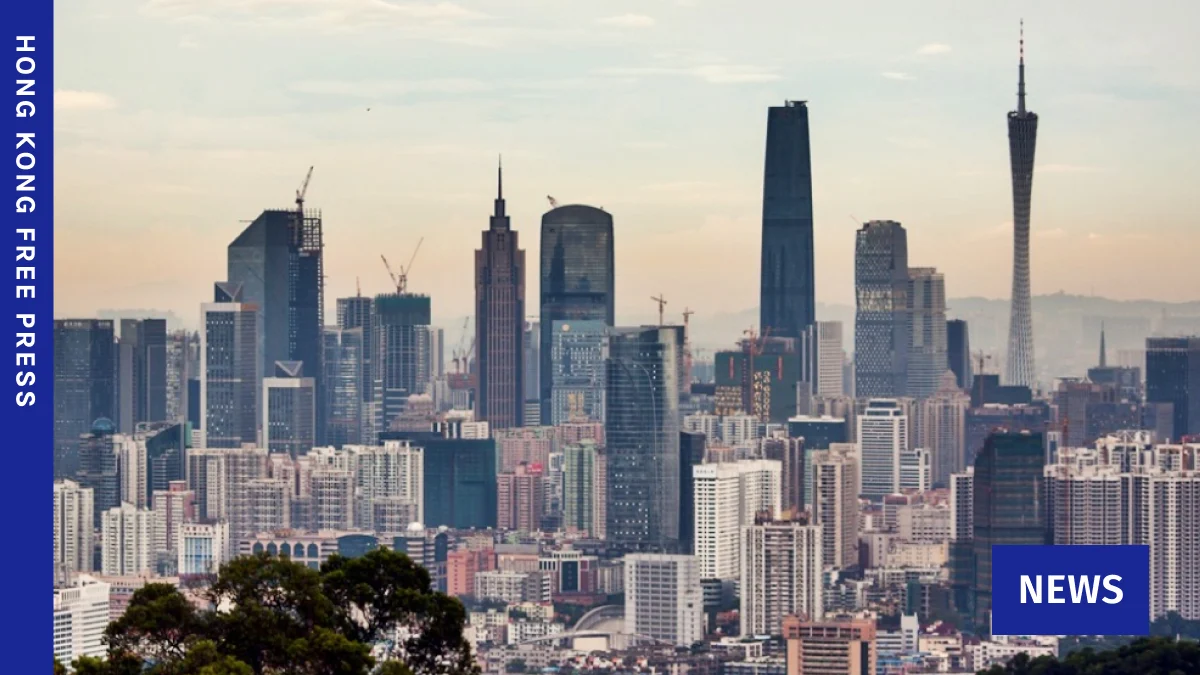
 Raul Delapena Setiawan