Suro Senen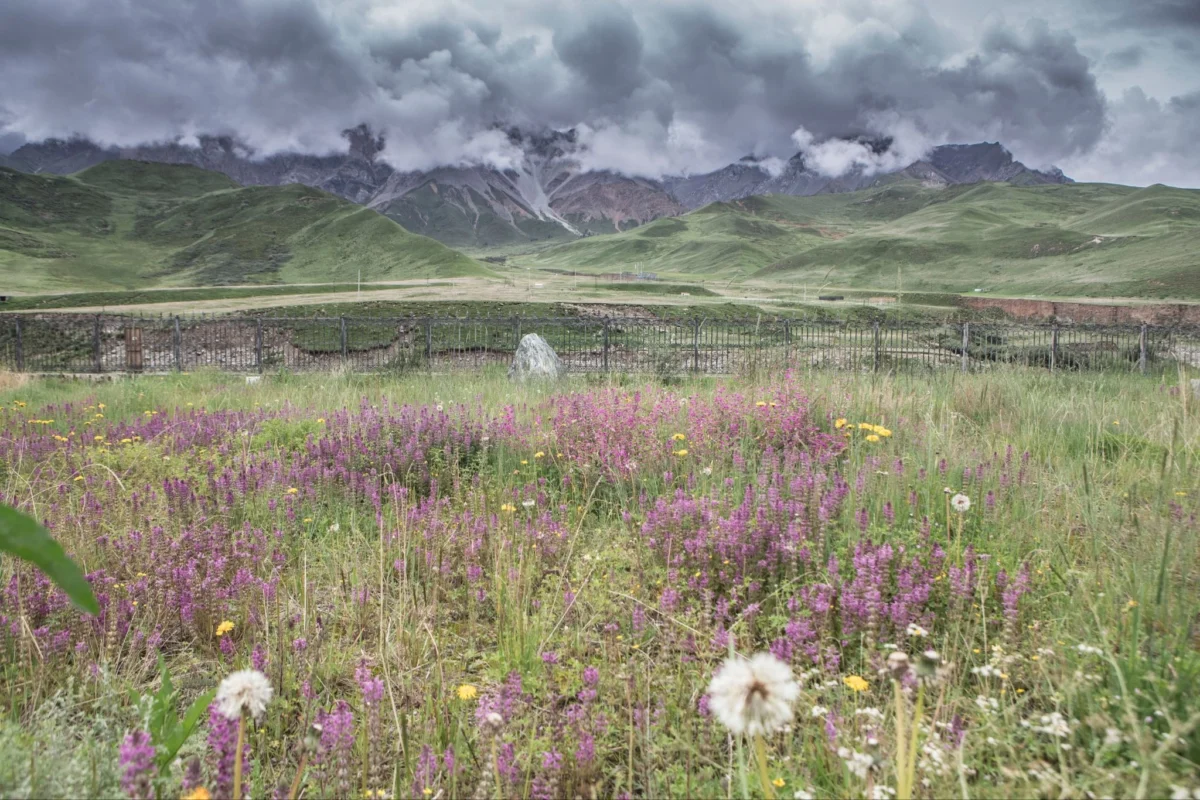
A catastrophic mudslide, triggered by an ice-rock avalanche in the Himalayas, has swept through a valley straddling the China-Nepal border, leaving a trail of devastation, with over a thousand people reported missing and hundreds confirmed dead. The disaster, which struck on the morning of Wednesday, August 26th, has obliterated communities in both Tibet and Nepal, prompting urgent search and rescue operations and renewed international attention to the growing risks posed by climate change in high-altitude regions.
The Cataclysmic Event
The incident unfolded with terrifying speed. Initial assessments indicate that a massive ice-rock avalanche plummeted into the river at the valley’s base. The impact generated a powerful flash flood, which then intensified into a devastating mudslide that surged downhill, engulfing everything in its path. The sheer scale of the mudslide, described as massive, has overwhelmed local infrastructure and emergency response capabilities. The affected region, known for its rugged terrain and remote settlements, is now grappling with the immediate aftermath of widespread destruction. Villages have been swept away, critical transportation routes severed, and the livelihoods of countless inhabitants obliterated.
A Precursor to Disaster: The Role of Climate Change
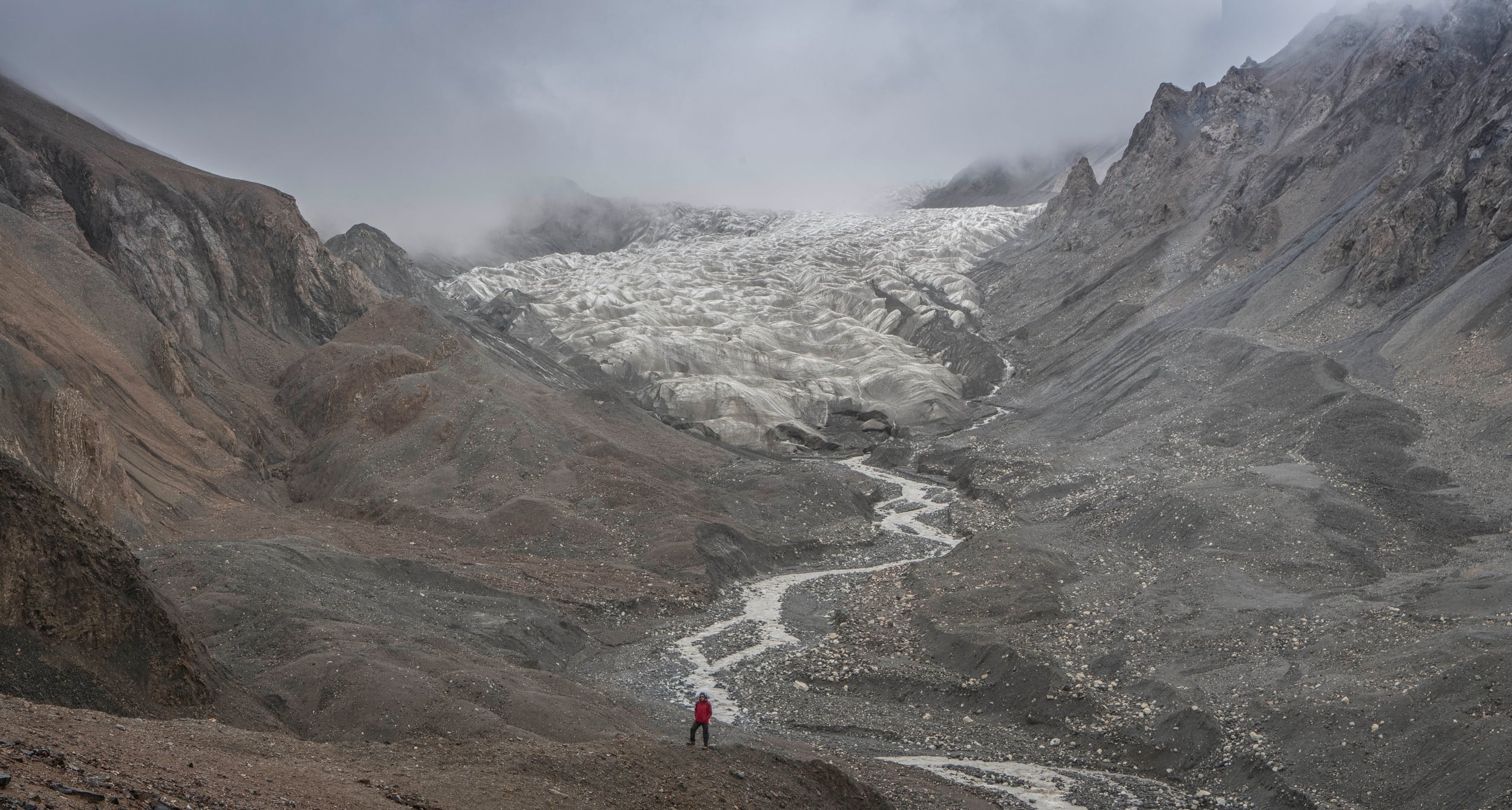
While experts are exercising caution against pinpointing climate change as the sole immediate trigger for this specific event, they acknowledge its significant and likely contributing role. The escalating global temperatures and the subsequent melting of glaciers in the Himalayas are widely recognized as factors that destabilize these fragile mountain ecosystems. This particular disaster occurred in a region characterized by permafrost, ground that remains frozen for at least two consecutive years. Warming temperatures are causing this permafrost to thaw, leading to increased soil instability and a heightened risk of landslides and mudslides.
The Tibetan Plateau and the surrounding Himalayan region have experienced warming at a rate twice the global average between 1981 and 2020. This accelerated warming has led to an average temperature increase of approximately 0.5 degrees Celsius every decade, coupled with an average increase in precipitation of about 14 millimeters per decade. These figures, while stark, do not fully encapsulate the profound geological consequences of such climatic shifts in high-altitude environments. The delicate balance of ecosystems, including soil cohesion and riverbed stability, is being disrupted. The risk of localized events triggering chain reactions is amplified, and the populations residing in these mountainous areas are increasingly vulnerable to both natural and climate-induced disasters.
A Pattern of Peril: Recurring Disasters in the Region
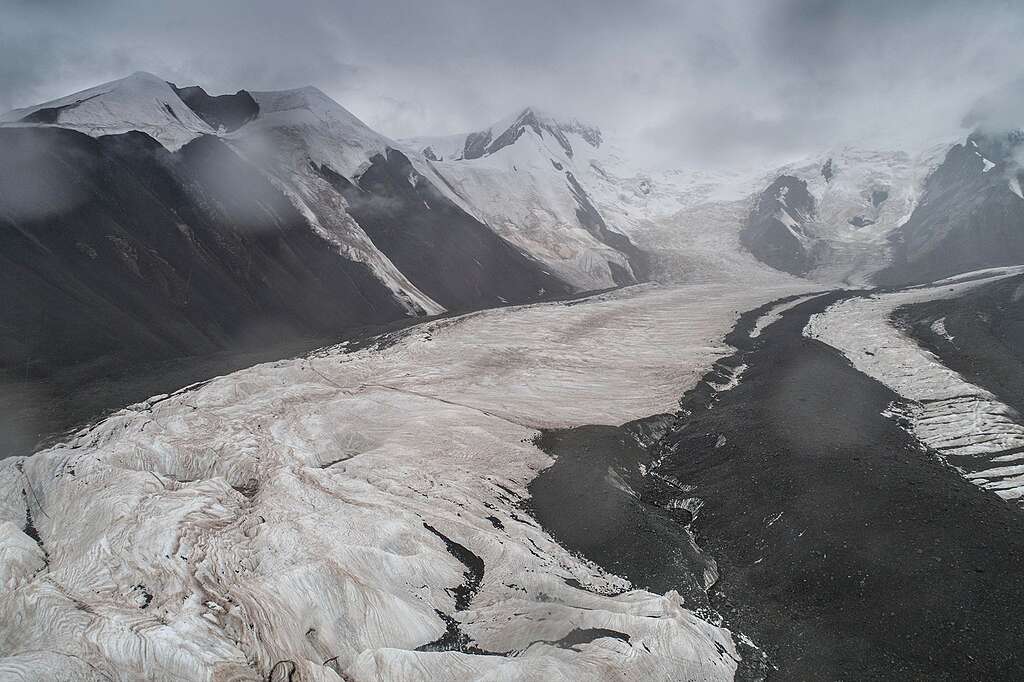
This is not the first time the China-Nepal border region has been struck by a catastrophic glacial-related event. Last year, a similar area experienced a glacial outburst flood, a distinct but related phenomenon. A glacial outburst flood occurs when meltwater accumulates behind a natural dam formed by ice and debris at the base of a glacier, creating a glacial lake. When this moraine wall fails, the immense volume of stored water is released, inundating the valleys below.

The scientific community has been increasingly vocal about the escalating risks associated with these glacial lake outburst floods (GLOFs) and other cryosphere-related hazards. Reports, including a significant 2018 study by Greenpeace East Asia in collaboration with the Chinese Academy of Sciences and Gansu Provincial Academy, highlighted the profound impact of climate change on glaciers across China and Asia. This research underscored the urgent need for enhanced early warning systems and robust risk prevention measures to mitigate the growing instability in high-altitude glacial regions.
Timeline of the Disaster and Response
Wednesday, August 26, Morning: An ice-rock avalanche occurs in the Himalayas at the China-Nepal border.
Wednesday, August 26, Following the Avalanche: The avalanche triggers a flash flood in a river at the valley’s base, which rapidly escalates into a massive mudslide.
Wednesday, August 26, Afternoon/Evening: Initial reports of widespread destruction and missing persons emerge from affected communities in Tibet and Nepal.
Thursday, August 27: Search and rescue operations commence, hampered by the scale of the destruction and the remote terrain. International aid efforts begin to mobilize.
Subsequent Days: The grim reality of the disaster unfolds as the death toll rises and the number of missing persons exceeds a thousand. Experts begin to analyze the contributing factors, with a focus on the role of climate change and permafrost thaw.
Government and International Responses
In the wake of the disaster, both Chinese and Nepali authorities have mobilized emergency services and initiated search and rescue missions. The sheer scale of the mudslide, however, presents formidable challenges, with communication lines severed and access to many affected areas severely limited. International organizations and neighboring countries have pledged support, offering specialized rescue teams, medical supplies, and financial assistance.
The Chinese government has implemented significant national strategies aimed at addressing climate risks, including the "National Climate Change Adaptation Strategy 2035" and the "Qinghai-Tibet Plateau Ecological Protection Law." These policies emphasize the critical need to bolster monitoring and early warning systems in these vulnerable regions. Similarly, Nepal has been actively involved in disaster assessment, remote sensing, flood simulation, and cross-border information exchange to prepare for glacial lake outburst floods.
However, the recent disaster underscores that despite these efforts, critical gaps remain in climate adaptation strategies for these complex, high-altitude environments. The rapid warming of permafrost regions and the increasing frequency of extreme weather events demand continuous upgrades to real-time risk monitoring capabilities and more effective on-the-ground emergency management mechanisms.
Broader Implications and Future Outlook
The devastating mudslide serves as a stark reminder of the profound and escalating impacts of climate change on the world’s most fragile ecosystems and vulnerable populations. The Himalayas, often referred to as the "Third Pole," are particularly susceptible to the effects of global warming. The accelerated melting of glaciers and the destabilization of permafrost pose a direct threat to millions of people downstream who rely on these rivers for water, as well as to the communities living in close proximity to these volatile mountain environments.
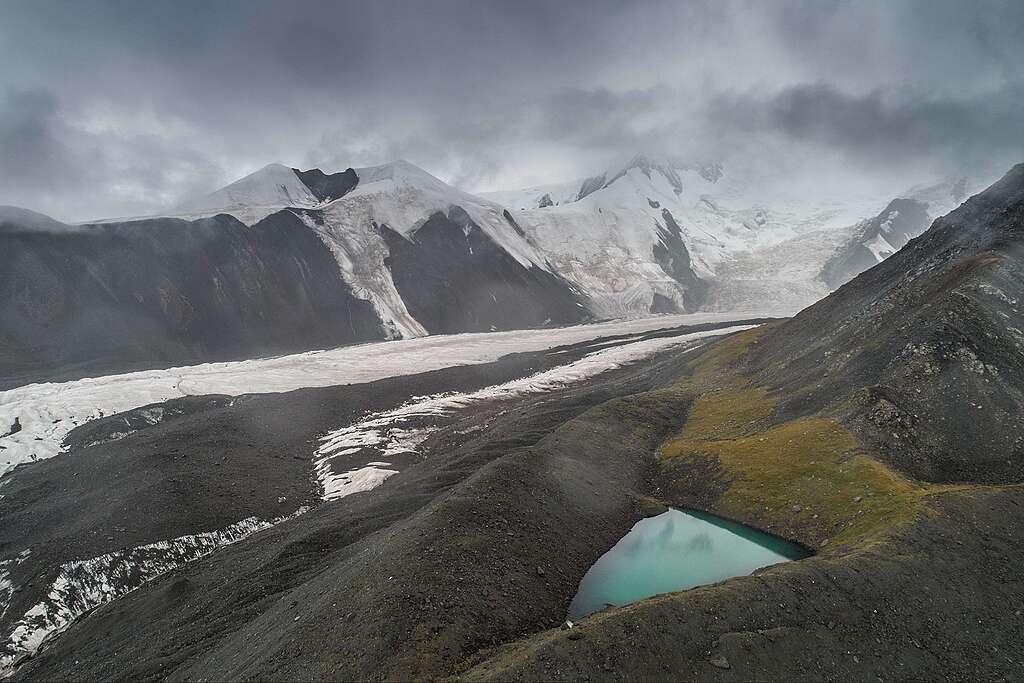
A 2022 simulation of a geologically and geographically similar river valley in the region provided a chilling glimpse into the speed and devastating potential of such events. The simulation indicated that a glacial lake outburst flood could reach a local town within 5-11 minutes and the China-Nepal border in approximately 30 minutes, leaving very little time for evacuation and response. This highlights the urgent need for enhanced forecasting and rapid alert systems.
The long-term implications of such disasters extend beyond immediate humanitarian concerns. They threaten to exacerbate existing vulnerabilities, displace populations, and place immense strain on regional economies and infrastructure. The scientific consensus points towards an intensification of these threats if global efforts to curb greenhouse gas emissions are not significantly strengthened. This tragedy on the China-Nepal border is a wake-up call, demanding a more concerted and urgent global response to the climate crisis and its devastating consequences in the world’s most sensitive regions. The international community must redouble its efforts to support adaptation measures, invest in robust early warning systems, and accelerate the transition to a sustainable, low-carbon future to prevent future catastrophes of this magnitude.

 Ammar Sabilarrohman