 Siti Muinah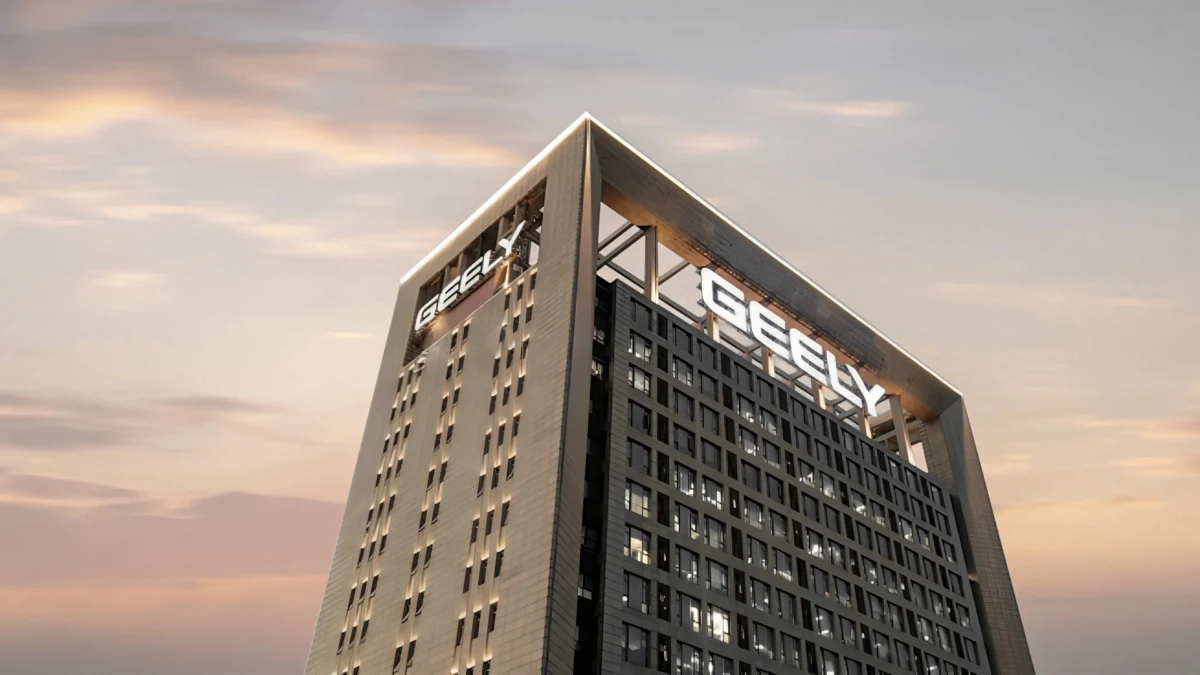
Geely Holding Group is reportedly embarking on a significant restructuring of its diverse battery business units, with a strategic aim to potentially consolidate these operations into its publicly listed subsidiary, Geely Automobile Holdings Ltd. (HKEX: 0175). This ambitious move, contingent on the battery group achieving sustained profitability, aligns with Geely’s overarching "One Geely" strategy, which seeks to streamline operations, enhance synergy, and bolster vertical integration across its vast automotive empire. The revelation, based on a Blue Whale Auto report citing a Geely executive, underscores the accelerating trend among major automakers to gain greater control over the critical electric vehicle (EV) battery supply chain, a cornerstone for future growth and competitiveness.
The executive further clarified that recent reports concerning Contemporary Amperex Technology Co. Ltd. (CATL), the world’s largest EV battery manufacturer, acquiring a Geely-linked battery project in Chongqing, represent an "individual case" rather than a broader divestment strategy. This specific transaction, involving Zhejiang Jiyao Tongxing Energy Technology, a Geely Holding Group unit that controls the project’s parent company, is viewed as a distinct strategic decision. The broader intent remains the potential integration of entities like Zhejiang Jiyao Tongxing into Geely Automobile, solidifying the group’s commitment to in-house battery capabilities while maintaining flexibility for strategic partnerships where advantageous.
The Strategic Imperative: Mastering the Battery Supply Chain
The automotive industry is undergoing a seismic shift towards electrification, with batteries emerging as the single most expensive component of an EV, often accounting for 30-40% of the vehicle’s total cost. For an automotive giant like Geely, which controls a sprawling portfolio of brands including Volvo Cars, Polestar, Zeekr, Lynk & Co, Lotus, and Proton, securing a stable, cost-effective, and technologically advanced battery supply is not merely a competitive advantage but a fundamental necessity. The global EV market is projected to grow exponentially, with annual sales potentially reaching tens of millions of units by the end of the decade, driving unprecedented demand for battery cells and associated raw materials.
Historically, automakers have largely relied on third-party suppliers for components. However, the unique strategic importance of batteries has prompted many to re-evaluate this model. Vertical integration or deep strategic partnerships offer several compelling benefits:
- Cost Control: Bringing battery production in-house or integrating supply chains can significantly reduce per-unit costs, enhancing profit margins on EVs.
- Supply Security: Mitigating risks associated with volatile raw material markets, geopolitical tensions, and potential supply bottlenecks.
- Technological Innovation: Direct involvement in battery research and development allows for customization, optimization for specific vehicle architectures, and faster adoption of next-generation chemistries (e.g., solid-state batteries).
- Performance Optimization: Tailoring battery packs to specific vehicle models can improve range, charging speed, and overall performance, critical differentiators in a crowded EV market.
Geely’s move reflects this broader industry trend, echoing similar strategies from competitors like Tesla, Volkswagen, and General Motors, all of whom are investing heavily in their own battery production or forming joint ventures.
The "One Geely" Strategy: A Vision for Consolidation
The proposed reorganization is explicitly framed within Geely’s overarching "One Geely" strategy. This initiative, which has been evolving over several years, aims to consolidate various disparate operations, optimize resource allocation, and enhance synergies across Geely Holding Group’s vast and often complex ecosystem of automotive and mobility-related businesses.
The "One Geely" strategy encompasses several key pillars:
- Platform Sharing: Leveraging modular architectures like the Sustainable Experience Architecture (SEA) across multiple brands (Zeekr, Polestar, Smart, Volvo, Lotus, Lynk & Co) to reduce development costs and accelerate time-to-market.
- Centralized R&D: Consolidating research and development efforts for core technologies like autonomous driving, electric powertrains, and, critically, batteries, to avoid duplication and foster innovation.
- Supply Chain Optimization: Streamlining procurement and logistics across the group to achieve economies of scale and improve efficiency.
- Brand Differentiation with Unified Back-end: Allowing individual brands to maintain their distinct identities and target markets while benefiting from shared technology, manufacturing expertise, and supply chain leverage from the parent group.
By potentially integrating battery businesses into Geely Automobile, the group aims to create a more cohesive and efficient value chain. Geely Automobile, as the flagship listed entity, stands to benefit from enhanced control over a vital component, potentially boosting its valuation as a more vertically integrated EV powerhouse. This integration would simplify the corporate structure, making it easier for investors to understand and value Geely’s core automotive business, including its growing EV portfolio.
The Chongqing Project and CATL: A Nuanced Relationship
The executive’s clarification regarding the Chongqing project being an "individual case" provides crucial insight into Geely’s strategic flexibility. While the group is moving towards greater internal battery capabilities, it is not averse to pragmatic partnerships or divestments when they align with broader strategic goals. CATL, based in Ningde, Fujian province, holds a dominant position in the global EV battery market, supplying numerous automakers worldwide. For GeGeely to engage in a transaction involving CATL suggests a multi-faceted strategy that balances internal development with external collaboration.
The specific details of the Chongqing project acquisition by CATL have not been fully disclosed, but such moves can serve several purposes:
- Optimizing Asset Allocation: Geely might have identified specific projects or assets that could be more efficiently developed or utilized by a dedicated battery specialist like CATL, allowing Geely to focus its internal resources on other strategic priorities.
- Capital Generation: A sale could generate capital that Geely can reinvest in other battery initiatives or core automotive R&D.
- Strengthening Partnerships: Even as Geely develops its own batteries, CATL remains a critical supplier for many of its brands. Strategic asset transfers can sometimes deepen collaborative ties, ensuring continued access to CATL’s cutting-edge technology and massive production capacity. This ensures Geely has a diversified supply strategy – both internal and external.
This approach highlights Geely’s pragmatic approach to navigating the complex battery landscape, where scale, technological leadership, and diverse supply routes are all paramount.
Zhejiang Jiyao Tongxing Energy Technology: A Core Internal Player
Zhejiang Jiyao Tongxing Energy Technology is identified as a Geely Holding Group unit that controls the parent company of the Chongqing project. This entity appears to be a crucial component of Geely’s internal battery ecosystem. While specific public details on Jiyao Tongxing’s full operational scope are limited, its role suggests it is a vehicle for Geely’s in-house battery R&D, manufacturing initiatives, and potentially strategic investments in battery-related ventures.
Its potential integration into Geely Automobile would signify a significant consolidation of Geely’s internal battery efforts under the umbrella of its primary automotive listing. This would bring the entire value chain, from battery cell development and pack assembly to vehicle integration, closer together, fostering seamless innovation and production. This move could also streamline financial reporting and enhance transparency regarding Geely Automobile’s direct involvement in battery technology, which is increasingly valued by investors.
Broader Industry Context and Competitive Landscape
The global EV battery market is characterized by intense competition, rapid technological advancements, and significant capital expenditure. Key players include:
- CATL (China): Market leader, known for its extensive customer base and diverse battery chemistries (NMC, LFP).
- BYD (China): Vertically integrated automaker and battery producer, famous for its Blade Battery (LFP).
- LG Energy Solution (South Korea): Major supplier to global automakers, strong in NMC chemistry.
- Panasonic (Japan): Long-standing partner to Tesla, focusing on high-energy-density cylindrical cells.
- Samsung SDI (South Korea): Growing presence, known for prismatic cells.
Geely’s push into internal battery production places it squarely in this competitive arena. While it may not aim to become a standalone battery supplier to external customers like CATL, its internal capacity will provide a crucial buffer against supply chain disruptions and give it leverage in negotiations with external suppliers. Furthermore, developing proprietary battery technology could lead to breakthroughs tailored specifically for Geely’s diverse range of vehicles, from high-performance Lotus EVs to mass-market Geely models.
Financial and Operational Implications for Geely Automobile
The potential integration of battery businesses into Geely Automobile carries substantial financial and operational implications:
- Enhanced Profitability: If the battery group achieves profitability, its integration would directly contribute to Geely Automobile’s bottom line. More importantly, internal battery production could lead to significant cost savings on a per-vehicle basis, boosting overall gross margins for EVs.
- Valuation Uplift: Investors are increasingly valuing automakers that demonstrate strong control over their EV supply chains. A successful integration would likely be viewed positively by the market, potentially leading to a higher valuation multiple for Geely Automobile as a more self-sufficient and technologically advanced EV player.
- Capital Expenditure: Scaling up battery production requires substantial upfront investment in R&D, manufacturing facilities, and raw material sourcing. Geely Automobile would need to manage these capital expenditures carefully to ensure a positive return on investment.
- Operational Complexity: Integrating a complex battery manufacturing operation into an existing automotive company adds operational complexity, requiring expertise in chemistry, materials science, and large-scale industrial production beyond traditional vehicle assembly.
- Talent Acquisition: Attracting and retaining top talent in battery science and engineering will be crucial for the success of this strategy.
Analyst Perspectives and Future Outlook
Industry analysts generally view vertical integration in the EV battery space as a sound strategic move for major automakers. "This consolidation by Geely aligns with the broader industry trend of automakers seeking greater control over their core EV technologies," states a Shanghai-based automotive analyst. "By bringing battery operations closer to Geely Automobile, they can unlock synergies, optimize costs, and accelerate innovation. The profitability condition is a prudent measure, ensuring that the integration adds value rather than just complexity."
However, challenges remain. The analyst further elaborates, "Achieving profitability in battery manufacturing is not trivial, given the intense competition, fluctuating raw material prices, and the need for continuous R&D investment. Geely will need to demonstrate strong execution to realize the full benefits of this strategy."
The long-term outlook for Geely, should this integration proceed successfully, is promising. It would position Geely Automobile not just as an assembler of EVs, but as a comprehensive EV technology company with core competencies across the entire value chain. This strategy is critical for Geely to maintain its competitive edge in the rapidly evolving global automotive landscape and achieve its ambitious electrification targets across its diverse brand portfolio.
Timeline of Geely’s EV and Battery Ventures
- Early 2010s: Geely begins initial investments and research into electric vehicle technologies.
- 2015: Geely launches its "Blue Geely" strategy, outlining ambitious targets for new energy vehicles.
- 2017: Geely forms a new energy vehicle division, intensifying focus on EV development.
- 2020: The launch of the Sustainable Experience Architecture (SEA) platform, designed specifically for intelligent electric vehicles, marks a significant commitment to EVs across multiple brands. Geely also begins to ramp up investments in battery R&D and pilot production facilities.
- 2021: Geely establishes Zeekr, a premium electric vehicle brand, showcasing its advanced EV capabilities and further signaling its intent to control key technologies. Public announcements of battery cell production plans and strategic partnerships begin to emerge.
- 2022: Reports indicate Geely is deepening its in-house battery production capabilities, with entities like Zhejiang Jiyao Tongxing Energy Technology playing an increasingly central role.
- Late 2023 / Early 2024: Blue Whale Auto report surfaces, detailing the potential reorganization and integration of battery businesses into Geely Automobile, contingent on profitability, under the "One Geely" strategy, alongside the clarification regarding the CATL-Chongqing project.
This chronological progression highlights Geely’s deliberate and sustained effort to transition from a conventional automaker to a leading player in the new energy vehicle era, with vertical integration of critical components like batteries forming a cornerstone of this transformation. The ongoing reorganization is a testament to the dynamic nature of the EV industry and Geely’s proactive approach to securing its future.

 Jia Lissa
 Nila Kartika Wati