Laily UPN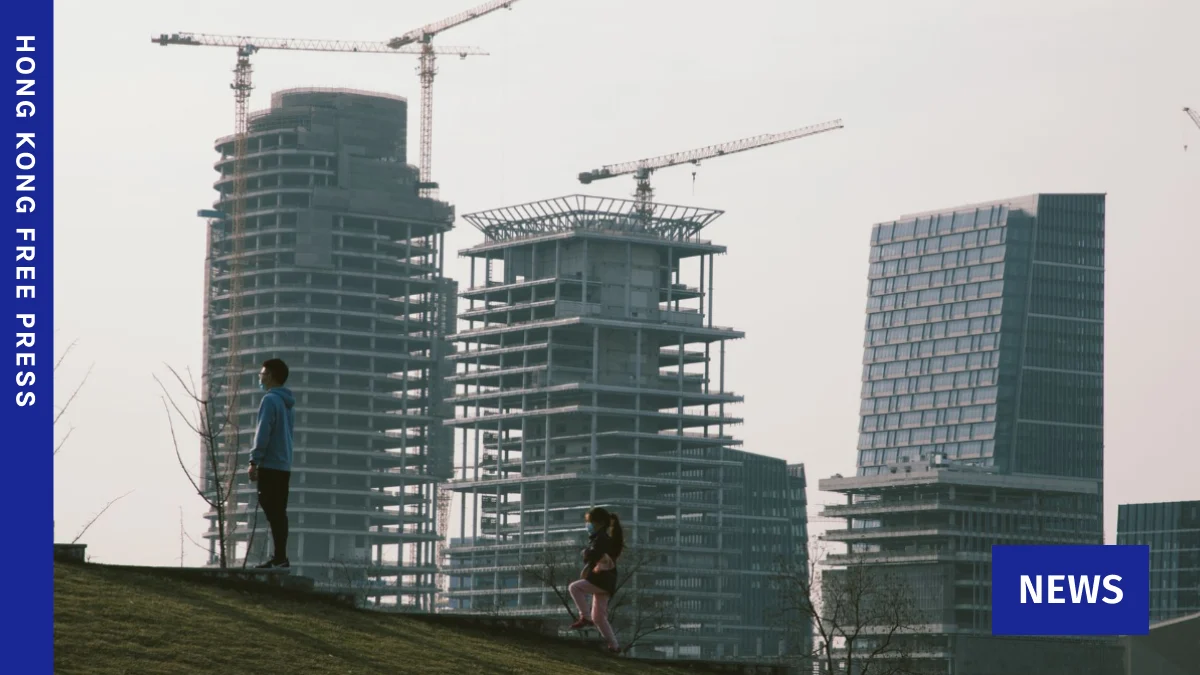
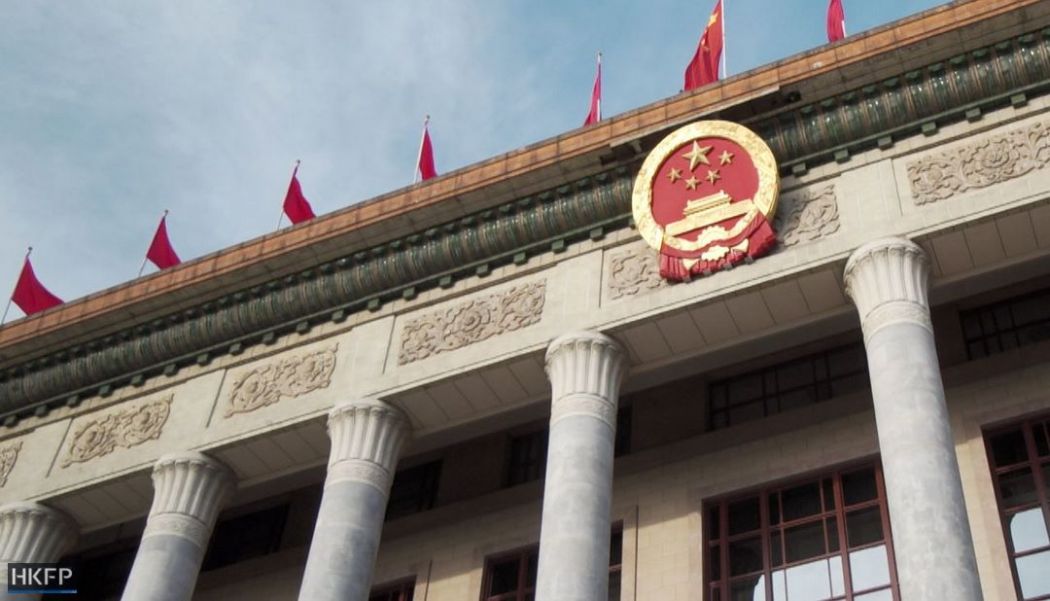
Chinese authorities on Friday intensified their efforts to resuscitate the nation’s beleaguered property market, introducing a suite of significant policy adjustments aimed at tightening regulations for unfinished home sales and providing greater financial flexibility for buyers. These measures are a critical response to a multi-year slump that has severely impacted consumer confidence and weighed heavily on the broader economy. The directive, issued jointly by the National Financial Regulatory Administration, alongside Beijing’s housing and natural resource ministries, underscores the government’s mounting urgency to address a crisis that began to unravel in 2020.
The Genesis of the Crisis: A Boom’s Reckoning
For decades, China’s property sector served as a primary engine of economic growth, contributing an estimated 25-30% to the country’s GDP when factoring in related industries. A speculative frenzy, fueled by readily available credit and an expanding urban population, saw property prices skyrocket, turning homeownership into a cornerstone of the Chinese dream and a significant store of household wealth. Developers borrowed aggressively, often relying on the "pre-sale" model where apartments were sold years before completion, using buyer deposits to fund further projects. This created a high-leverage, high-risk environment.

The turning point arrived in August 2020, when Beijing, concerned about systemic risk and surging debt, introduced the "Three Red Lines" policy. This set strict limits on developers’ debt-to-asset ratio, net gearing ratio, and cash-to-short-term debt ratio. The intention was to deleverage the sector and curb rampant speculation. However, the abrupt tightening of financing sent shockwaves through the highly indebted industry. Developers, suddenly cut off from their primary funding sources, found themselves unable to complete existing projects or secure new capital.
A Timeline of Mounting Distress
- August 2020: The "Three Red Lines" policy is introduced, marking a paradigm shift in regulatory oversight of the property sector.
- Late 2020 – 2021: Numerous developers begin to struggle, with Evergrande Group, once China’s second-largest developer by sales, becoming the most prominent example. Its colossal debt, exceeding $300 billion, sends jitters through global financial markets.
- Mid-2021: Evergrande misses initial bond payments, signaling widespread distress. Other major developers, including Kaisa Group, Fantasia Holdings, and Sunac China, also face liquidity crises and default on offshore bonds.
- Late 2021 – 2022: The crisis deepens. Construction on countless pre-sold projects grinds to a halt, leaving millions of homebuyers with unfinished apartments, often after having paid substantial portions of their life savings.
- Summer 2022: Widespread mortgage boycotts erupt across dozens of cities. Frustrated homebuyers, seeing no progress on their pre-paid homes, collectively refuse to make mortgage payments, demanding completion of their properties. This unprecedented social unrest highlights the depth of public anger and the systemic failure of the pre-sale model.
- Late 2022 – Early 2023: The government introduces various support measures, including a "16-point plan" to ease developer financing, special loans for stalled projects, and cuts to interest rates. However, these efforts yield limited success in fully restoring confidence.
- Early 2024: Despite continued efforts, the property market remains sluggish. Housing prices continue to fall in many cities, new home sales lag, and developer defaults persist, albeit at a slower pace. Consumption remains subdued, with the property slump identified as a major contributing factor to household caution.
New Policy Directives: A Multi-pronged Approach

The latest measures represent a sharpened focus on both supply-side stability and demand-side relief. The joint statement from the National Financial Regulatory Administration, the Ministry of Housing and Urban-Rural Development, and the Ministry of Natural Resources explicitly instructs local authorities to "vigorously and orderly promote the sale of ready-to-move-in commercial housing." This marks a significant shift away from the pre-sale model that has been at the heart of the crisis. By prioritizing finished homes, the government aims to restore buyer confidence by eliminating the risk of stalled construction.
Crucially, the directive also emphasizes "more protections for buyers who purchase homes before construction is complete." While the long-term goal appears to be a gradual reduction in reliance on pre-sales, the reality is that many projects are still underway, and robust safeguards are needed. These protections are expected to include stricter oversight of escrow accounts where buyer funds are held, ensuring that these funds are used exclusively for the construction of the specific project and not diverted by developers for other purposes. Local governments will likely be tasked with closer monitoring of project progress and financial health to prevent future delays.
Simultaneously, the financial regulator, in coordination with the People’s Bank of China (PBOC), announced a critical adjustment to personal housing loans. The maximum length for such loans has been extended from 30 years to 40 years. This move directly addresses the affordability concerns that have plagued potential homebuyers. By stretching out the repayment period, monthly mortgage installments are significantly reduced, making homeownership more accessible, particularly for younger generations and those with tighter budgets. This policy is a clear signal of the government’s intent to stimulate demand by easing the financial burden on consumers.
Expert Reactions and Market Implications
Economists and market analysts have largely welcomed these new policies as a necessary and positive step. Zhiwei Zhang, President and Chief Economist at Pinpoint Asset Management, commented, "These policies are a meaningful step in the right direction. The decision to allow mortgage loans up to 40 years helps to mitigate the home buyers’ debt burden." Zhang further highlighted the broader economic context, stating, "The weak domestic demand is to a large extent due to the troubled property sector," and that the new housing policies showed officials "understand the urgency" to stabilise the market.
Implications for Developers:
For developers, the push towards selling ready-to-move-in homes presents a dual challenge and opportunity. While it may reduce the immediate cash flow from pre-sales, it could also help clear inventory of completed but unsold units. Developers with solid financial footing and a track record of timely completion stand to benefit from renewed buyer trust. Those struggling with unfinished projects, however, will face continued pressure to secure financing to complete construction or risk further insolvency. The stricter oversight of pre-sale funds, while ensuring buyer protection, will also impose greater financial discipline and potentially reduce developers’ operational flexibility.

Impact on Homebuyers:
The extended mortgage terms are a direct benefit to prospective homebuyers, potentially widening the pool of eligible purchasers and easing financial strain. For those who have already purchased unfinished homes, the promise of "more protections" offers a glimmer of hope. However, the effectiveness of these protections will depend heavily on implementation at the local level and the willingness of authorities to enforce regulations rigorously. The shift towards ready-to-move-in homes also offers a more secure purchasing experience, removing a significant layer of risk that has deterred many potential buyers.
Broader Economic and Social Consequences:
The property sector’s slump has had far-reaching consequences beyond just real estate companies and buyers. Local governments, heavily reliant on land sales for revenue, have seen their finances severely strained. A recovery in the property market could provide much-needed fiscal relief. More broadly, the crisis has eroded consumer confidence, leading to cautious spending and a preference for saving over investment, which directly impacts overall consumption and economic growth. Stabilizing the property market is therefore seen as crucial for reigniting domestic demand and achieving the country’s economic growth targets.
The social contract, particularly around homeownership, has also been tested. For many Chinese citizens, buying property is not just an investment but a prerequisite for marriage, family stability, and social status. The failure of developers to deliver homes has sparked widespread disillusionment and distrust. By prioritizing buyer protections and promoting completed housing, Beijing aims to rebuild this trust and restore faith in the system.

Challenges and Outlook
While the new policies are a step in the right direction, significant challenges remain. The sheer scale of the outstanding debt and unfinished projects means that a full recovery will be a protracted process. Developer defaults, though less frequent, are not entirely over. Moreover, the long-term viability of the property market depends not only on policy interventions but also on a fundamental rebalancing of supply and demand, as well as a shift away from over-reliance on real estate as a primary investment vehicle.
The effectiveness of these measures will hinge on robust implementation by local governments, clear communication to market participants, and sustained commitment from central authorities. The government’s objective is not merely to rescue the property market but to fundamentally reshape it into a more stable, sustainable, and less speculative sector that genuinely serves the housing needs of its population. This latest package of measures signals a renewed determination to achieve that goal, understanding that the health of the property sector is intrinsically linked to China’s overall economic stability and social harmony.


 Sagoh
Sagoh
 Asro
Asro