Asep Darmawan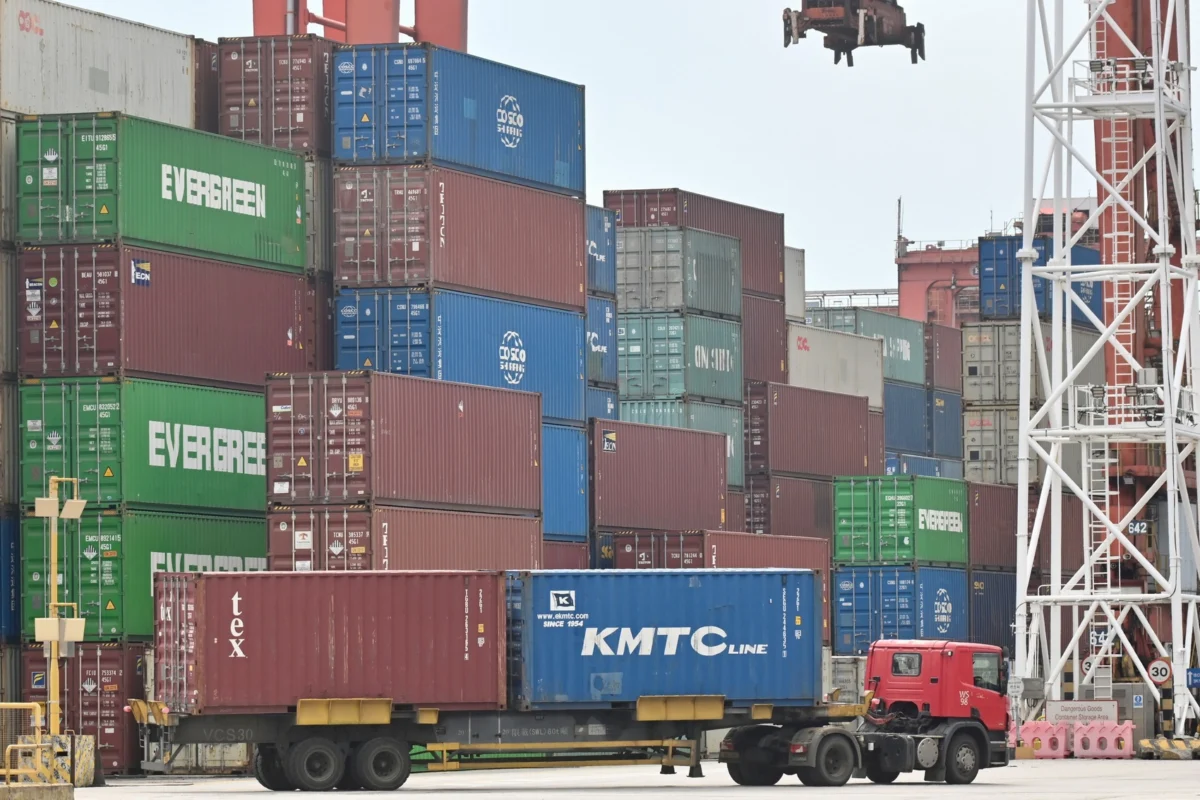
Beijing has vehemently condemned the fresh wave of tariffs imposed by the United States on China and 59 other nations, citing alleged forced labor concerns, and issued a stark warning against the rekindling of a trade war that has previously strained global economic relations. The punitive duties, which took effect Friday, target a broad spectrum of imports, with China facing the steepest rate among all affected countries, underscoring the persistent tensions between the world’s two largest economies.
Details of the Renewed Tariff Measures
The latest tariffs, ranging from 10 to 12.5 percent, represent a strategic re-establishment of trade barriers by the US administration following a significant legal setback earlier this year. China has been hit with the highest rate of 12.5 percent, signaling Washington’s particular focus on Beijing’s trade practices and human rights record. Other major trade partners, including India and Japan, also face the higher 12.5 percent tariffs, indicating a broad application of the new policy. In contrast, economies that have already implemented their own prohibitions against forced labor imports—such as Canada, the European Union, and the United Kingdom—received a comparatively lower 10 percent rate, suggesting an incentive for international alignment on human rights standards in global supply chains.
These new levies are designed to replace a global duty originally rolled out by former President Donald Trump. The Trump administration, known for its aggressive trade stance, moved swiftly to rebuild its tariff framework after the US Supreme Court dealt a blow to its executive authority in February by striking down a host of previous duties. This ruling had temporarily curtailed the President’s ability to unilaterally impose steep tariffs, prompting the current administration to seek new legal avenues and justifications for its trade enforcement actions.

Beijing’s Vehement Opposition and Warning
In response to the US announcement, Chinese foreign ministry spokesperson Lin Jian articulated Beijing’s firm opposition, stating during a news briefing on Friday, "We oppose all forms of unilateral tariff measures." His statement underscored China’s long-standing position against protectionist trade policies and its preference for multilateral trade frameworks. Lin Jian further issued a grave warning to Washington, asserting that "tariff wars and trade wars are not in the interests of any party." This sentiment reflects China’s apprehension regarding the potential for renewed economic conflict, which could destabilize global markets and undermine the fragile truce achieved between the two nations last year.
China’s reaction highlights its consistent narrative that such tariffs are not only economically detrimental but also politically motivated, often serving as leverage in broader geopolitical competition. Beijing views these measures as an infringement on its sovereignty and an attempt to interfere in its internal affairs, particularly concerning the allegations of forced labor.
Historical Context: The Evolving US-China Trade Landscape
The imposition of these new tariffs is the latest chapter in a protracted and often turbulent trade relationship between the United States and China. The "trade war" initiated by the Trump administration in 2018 saw the two economic giants impose tit-for-tat tariffs on hundreds of billions of dollars worth of goods, disrupting global supply chains, increasing costs for businesses and consumers, and casting a shadow over the world economy. The primary stated goals of the US at the time included addressing trade imbalances, intellectual property theft, and forced technology transfers.

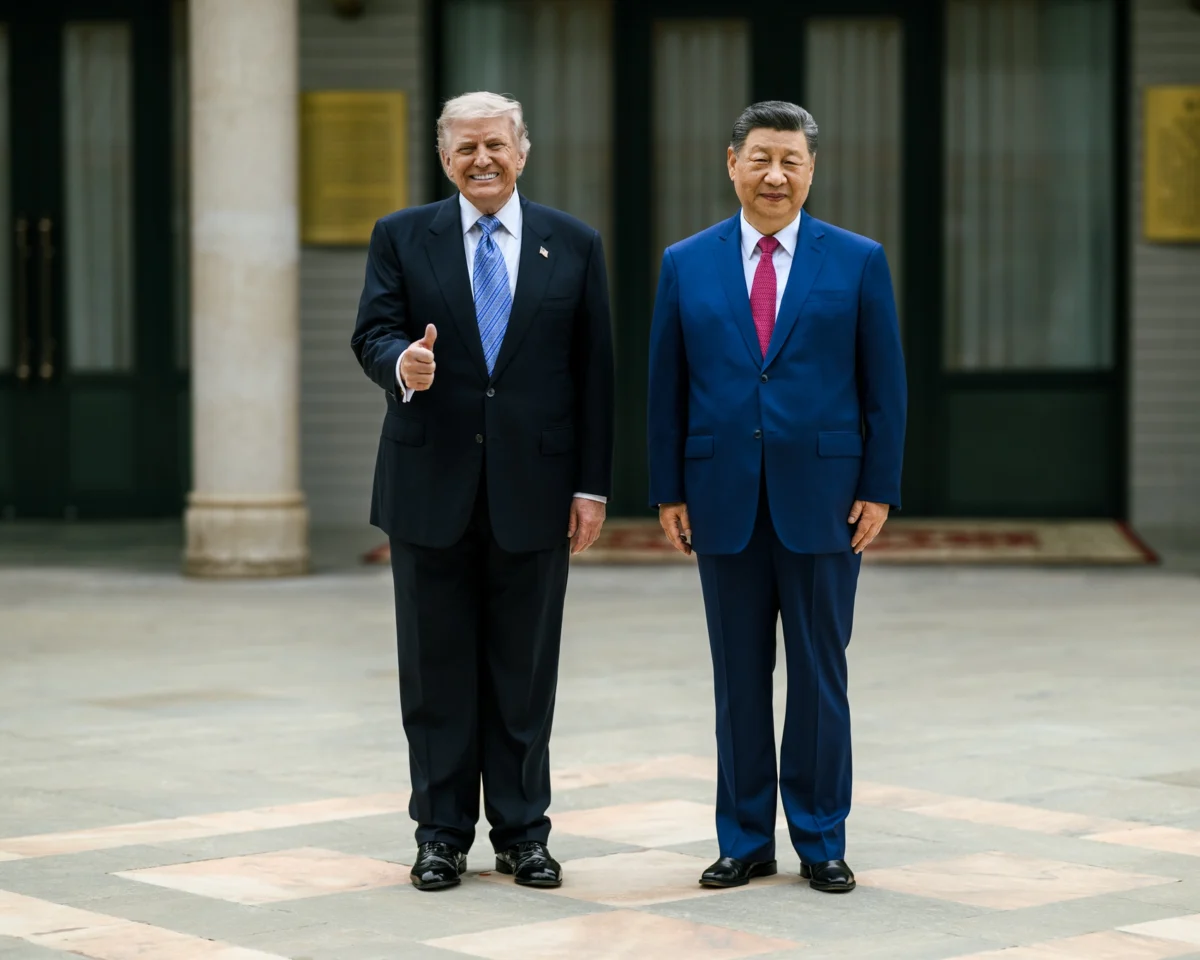
A significant turning point occurred last October when President Trump and Chinese President Xi Jinping met and reached what was widely characterized as a "truce." This agreement, while not fully resolving all underlying issues, paused the escalation of tariffs and offered a glimmer of hope for de-escalation. Following Trump’s visit to Beijing earlier this year, China had indicated its willingness to work with the United States on reducing tariffs, suggesting a period of cautious optimism. However, the latest US tariffs threaten to unravel this fragile understanding and reignite the very trade tensions both sides had seemingly agreed to temper. The history of this economic rivalry underscores the deep structural disagreements and strategic competition that continue to define US-China relations.
The Nexus of Trade and Human Rights: Forced Labor Allegations
At the core of the US’s justification for these new tariffs are persistent allegations of forced labor in various supply chains, with particular scrutiny on China. While the USTR statement broadly references "forced labor concerns," the primary driver of such policies, especially concerning China, has been the widespread international concern over human rights abuses in the Xinjiang Uyghur Autonomous Region. Numerous reports from human rights organizations, governments, and media outlets have detailed allegations of systemic forced labor, mass detention, and cultural suppression targeting Uyghurs and other ethnic minorities in Xinjiang. These allegations often point to the forced production of goods ranging from cotton and textiles to solar panels and electronics components.
The US government, through legislation such as the Uyghur Forced Labor Prevention Act (UFLPA), has adopted a "rebuttable presumption" that goods produced wholly or in part in Xinjiang are made with forced labor and are therefore prohibited from entering the United States. This legal framework places the burden of proof on importers to demonstrate that their supply chains are free from forced labor. USTR Jamieson Greer’s statement, emphasizing that Washington was "rigorously" enforcing a forced labor import ban and that it was "well past time for our trading partners to do the same," directly points to this policy. The differentiated tariff rates for countries that have implemented similar prohibitions (Canada, EU, UK) further underscore the US’s attempt to internationalize its stance on forced labor and encourage global compliance with these human rights-driven trade standards.
Legal Framework and Previous Challenges

The timing and structure of these new tariffs are particularly noteworthy given the US Supreme Court’s decision in February. That ruling, which struck down several of President Trump’s previous duties, highlighted the legal complexities and limitations of executive power in imposing trade barriers. The Court’s decision primarily challenged the broad application of Section 232 of the Trade Expansion Act of 1962, which allows the President to impose tariffs on imports deemed a threat to national security.
The current administration’s move to impose these new tariffs suggests a careful recalibration of its legal strategy. Rather than relying on the broader national security justification, these tariffs appear to be more directly linked to specific statutory authorities related to customs enforcement and human rights, such as those derived from the Tariff Act of 1930 and subsequent legislation like the UFLPA. By framing the tariffs around the enforcement of forced labor import bans, the administration aims to establish a more robust legal footing that aligns with existing trade laws and avoids the pitfalls of the Supreme Court’s previous ruling. This legal nuance is crucial for the long-term sustainability and enforceability of these trade measures.
Global Impact and Differentiated Rates
The decision to apply varying tariff rates introduces a layer of complexity and potential geopolitical maneuvering. Countries like Canada, the European Union, and the United Kingdom, which have enacted their own forced labor prohibitions, received the lower 10 percent rate. This move by the US can be interpreted as an acknowledgment of their efforts and potentially a strategic alignment to create a united front against practices deemed unethical in global supply chains. It rewards allies for adopting similar human rights standards in trade.
Conversely, major trading partners like India and Japan, alongside China, were subjected to the higher 12.5 percent tariffs. This could be due to a perceived lack of sufficient enforcement or absence of comprehensive domestic legislation addressing forced labor imports in these nations, according to Washington’s assessment. For India and Japan, countries that have increasingly sought closer strategic ties with the US, this higher tariff rate might be met with disappointment and could prompt internal discussions about their own trade policies and human rights frameworks. The implications extend to global supply chains, as businesses operating in these countries will face increased costs, potentially leading to shifts in sourcing, manufacturing, and trade routes.

Economic Implications and Supply Chain Repercussions
The economic fallout from these new tariffs is multifaceted. For China, the highest tariff rate will undoubtedly add further pressure to its export-oriented economy, which is already navigating global economic slowdowns and domestic challenges. Chinese manufacturers will either absorb the increased costs, making their goods less competitive in the US market, or pass them on to American consumers, potentially contributing to inflationary pressures. Trade analysts suggest that even a 12.5 percent tariff on a broad range of goods could significantly impact bilateral trade volumes, leading to reduced demand for Chinese products in the US.
Beyond China, the higher tariffs on India and Japan could also disrupt established trade flows and investment patterns. Companies with extensive supply chains involving these countries will need to re-evaluate their strategies, potentially seeking alternative suppliers or markets. For the US, while the tariffs are intended to protect domestic industries and enforce human rights standards, they also carry the risk of higher import prices, reduced consumer choice, and potential retaliatory measures from affected countries, particularly China. The global economy, still recovering from recent shocks, could face renewed uncertainty and fragmentation, as nations reassess their trade relationships and supply chain resilience.
Geopolitical Ramifications
The latest tariffs are not merely an economic policy but a significant geopolitical statement. By linking trade measures directly to human rights concerns, the US is asserting its leadership in setting global standards for ethical trade. This approach puts pressure on countries like China to address international criticisms regarding its human rights record, particularly in Xinjiang. However, it also risks exacerbating existing geopolitical tensions.

Beijing’s warning against a "trade war" is a clear indication that it views these tariffs as a hostile act. This could lead to a deterioration in diplomatic relations, impact cooperation on other critical global issues such as climate change or pandemic response, and potentially push China to strengthen its economic ties with other nations to reduce reliance on the US market. For countries like India and Japan, the tariffs, while perhaps not leading to outright hostility, could introduce friction in their relationships with the US, even as they navigate their own complex relationships with China. The move signifies a broader trend where trade policy is increasingly intertwined with national security, human rights, and strategic competition.
Expert Commentary and Future Outlook
Economists and trade experts are closely monitoring the situation, with many suggesting that these tariffs could usher in a new phase of economic decoupling between the US and China. Dr. Evelyn Chang, a senior fellow at the Global Trade Institute, commented, "While the US administration aims to enforce human rights standards, the immediate effect will be increased friction and potential for retaliation. Businesses must prepare for a more fragmented global trading environment." She added, "The differentiation in tariff rates is a clever diplomatic tool, but it won’t prevent overall trade tensions from rising, especially with China."
Looking ahead, the trajectory of US-China trade relations remains highly uncertain. China may choose to implement its own retaliatory tariffs, further escalating the conflict. Alternatively, it might seek to diversify its trade partners and accelerate domestic consumption to mitigate the impact. The international community will be watching to see if other nations, particularly those that received lower tariff rates, will more strongly align with the US’s human rights-driven trade agenda or if they will prioritize maintaining economic ties with China. The current situation underscores the ongoing challenge of balancing economic interests with ethical considerations in an increasingly interconnected yet ideologically divergent world.
The latest round of US tariffs represents a significant move in Washington’s evolving trade policy, particularly its focus on human rights in global supply chains. While justified by the US on ethical grounds, these measures have been met with strong condemnation from Beijing, threatening to reignite a trade war with far-reaching economic and geopolitical implications. The coming months will be critical in determining whether this marks a temporary escalation or a fundamental shift in the architecture of global trade.

 Rifan Muazin
 Basiran