Nana Muazin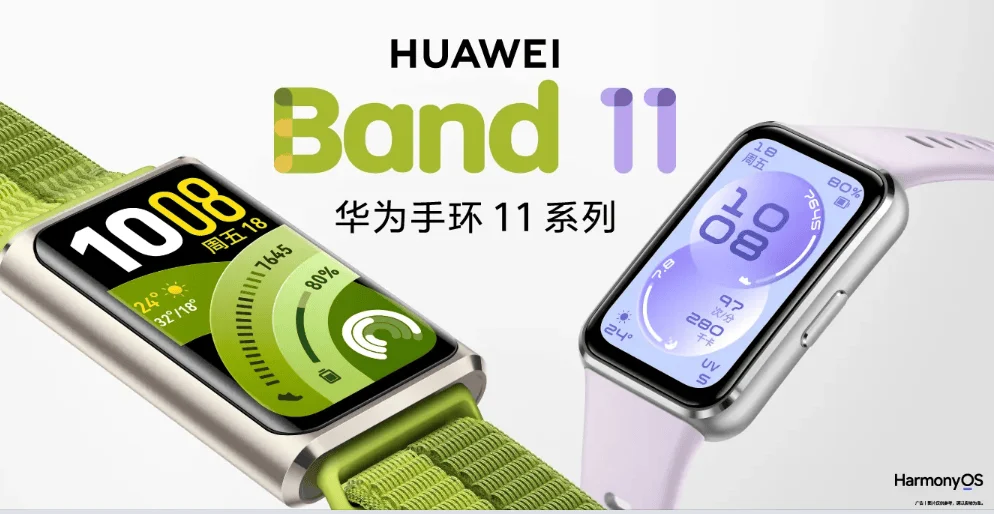
Global shipments of wrist-worn devices experienced a notable decline in the second quarter of 2026, falling 4.3% year-on-year to a total of 48.01 million units. This contraction, as reported by industry analyst firm IDC, signals a challenging period for the wearables market, which has largely enjoyed robust growth over the past decade. The downturn was observed across both primary categories within the segment: smartwatch shipments decreased by 4.2% to 37.08 million units, while fitness-band shipments saw a sharper drop of 4.7%, settling at 10.92 million units. Huawei emerged as the global leader in wrist-worn shipments for the quarter, followed by Xiaomi and Apple, respectively. IDC’s analysis points to a critical juncture for the industry, suggesting that future growth hinges on manufacturers’ ability to integrate advancements in artificial intelligence, sophisticated health monitoring, and novel form factors into compelling use cases that provide consumers with a strong incentive to upgrade or adopt new devices.
A Quarter of Contraction: Decoding the Decline
The 4.3% year-on-year decrease in Q2 2026 marks a significant shift from previous growth trends that characterized the wrist-worn device market. For years, this segment was lauded as a key driver of innovation and consumer electronics expansion, benefiting from increasing health consciousness and the desire for seamless connectivity. The figures from IDC highlight a market potentially entering a more mature phase, where incremental improvements are no longer sufficient to stimulate widespread purchasing. The collective shipment of just over 48 million units reflects a slowdown that could be attributed to a confluence of factors, including market saturation in key regions, economic pressures impacting discretionary spending, and a perceived lack of groundbreaking innovation in recent product cycles.
The distinct performance of smartwatches versus fitness bands offers further insight. Smartwatches, typically higher-priced and feature-rich, saw a marginally smaller percentage decline. This could indicate a relatively more stable demand among users seeking advanced functionalities, or perhaps a longer replacement cycle for these more substantial investments. Fitness bands, often positioned as more affordable and focused on basic activity tracking, experienced a slightly steeper decline. This category has faced intense competition from entry-level smartwatches that now offer similar core fitness tracking alongside additional "smart" features, potentially eroding the distinct value proposition of dedicated fitness bands.
The Shifting Landscape of Market Leadership
The Q2 2026 market saw a notable reshuffling of the top players, with Huawei securing the leading position in global wrist-worn shipments. This achievement underscores Huawei’s strategic resilience and its continued investment in its ecosystem, despite facing significant geopolitical challenges that have impacted its smartphone business. The company has focused heavily on health and fitness features, long battery life, and competitive pricing, particularly in its home market and other Asian and European regions.
Xiaomi, a consistent strong performer in the affordable wearables segment, claimed the second spot. Xiaomi’s success has historically been driven by its aggressive pricing strategy and broad portfolio, making smartwatches and fitness bands accessible to a wide consumer base, particularly in emerging markets. Their ability to deliver value-packed devices at competitive price points has allowed them to maintain significant market share even in a contracting market.
Apple, a dominant force in the premium smartwatch segment for many years, placed third. While Apple’s ecosystem loyalty and premium branding remain formidable, its reliance on a higher average selling price (ASP) and a relatively slower product refresh cycle compared to some Android competitors might have contributed to its position in a quarter where overall unit shipments were down. Apple’s focus on advanced health features and seamless integration with its iOS ecosystem continues to attract a dedicated user base, but the overall market contraction impacted even its strong performance. The specific unit numbers for each vendor were not disclosed in the initial report, but their rankings indicate the competitive dynamics at play.
Tracing the Trajectory: A Brief History of the Wearables Market
The journey of wrist-worn devices from niche gadgets to mainstream consumer electronics has been rapid and transformative. The early 2010s saw the emergence of basic fitness trackers, primarily spearheaded by companies like Fitbit and Jawbone, which captured consumer interest in quantifying daily activity and sleep. These rudimentary devices laid the groundwork for the broader wearables revolution.
The market truly began its explosive growth with the introduction of the first generation of smartwatches. While early attempts from various manufacturers met with mixed success, the launch of the Apple Watch in 2015 marked a pivotal moment. Apple’s entry legitimized the category, bringing design aesthetics, sophisticated software integration, and a strong app ecosystem to the forefront. This spurred rapid innovation across the industry, with Google’s Android Wear (later Wear OS), Samsung’s Tizen-based smartwatches, and a host of other players entering the fray.
Over the years, features evolved dramatically. From simple notification mirrors, smartwatches became standalone communication devices with cellular connectivity, sophisticated health monitors capable of ECG, SpO2 tracking, and advanced sleep analysis, and even personal safety tools with fall detection. Fitness bands also evolved, incorporating heart rate sensors, GPS, and more refined activity tracking algorithms. This period of rapid innovation and expanding utility fueled consecutive years of double-digit growth, driving shipments into the hundreds of millions annually.
However, by the mid-2020s, signs of market maturity began to emerge. The pace of "must-have" innovation appeared to slow, and many consumers found their existing devices perfectly adequate. The global economic landscape, characterized by inflationary pressures and supply chain disruptions in preceding years, also started to temper consumer spending on non-essential electronics. The Q2 2026 figures thus represent not an isolated incident, but rather the culmination of these evolving market dynamics and macroeconomic shifts.
Underlying Factors: Economic Headwinds and Innovation Plateaus
Several underlying factors are contributing to the current slowdown in the wrist-worn device market. Economically, consumers globally have faced persistent inflation, rising interest rates, and general uncertainty. This has led to a tightening of household budgets, with discretionary spending on consumer electronics often among the first categories to be impacted. While smartwatches and fitness bands offer utility, they are often still perceived as secondary devices compared to smartphones or laptops, making them more vulnerable during economic downturns.
Beyond economics, a significant challenge is the perceived plateau in "killer app" innovation. For a long time, each new generation of smartwatches brought substantial improvements: better battery life, brighter screens, integrated GPS, NFC for payments, and increasingly sophisticated health sensors. However, recent iterations have often offered incremental upgrades rather than revolutionary new capabilities. Consumers who purchased a smartwatch or fitness band a few years ago might find that their current device still meets their needs for notifications, fitness tracking, and basic health monitoring. The incentive to upgrade to a new model, which might offer only marginally better performance or a slightly refined sensor, has diminished.
Market saturation also plays a critical role. In many developed markets, a significant portion of the target demographic that desires a wrist-worn device already owns one. Expanding the market now requires either convincing existing users to upgrade more frequently, attracting new segments of the population who have previously resisted adoption, or creating entirely new categories of use that transcend current functionalities.
The Path Forward: AI, Advanced Health, and Novel Form Factors as Growth Catalysts
IDC’s report highlights the critical avenues manufacturers must explore to rekindle growth: artificial intelligence, advanced health monitoring, and new form factors. These are not merely buzzwords but represent fundamental shifts in how wearables could integrate into daily life and provide undeniable value.
The Promise of Artificial Intelligence in Wearables
The integration of AI into wrist-worn devices is poised to transform them from data-gathering tools into intelligent, proactive health and lifestyle companions. Currently, wearables collect vast amounts of data—heart rate, sleep patterns, activity levels, oxygen saturation. AI can elevate this by moving beyond simple data display to providing personalized, actionable insights. Imagine a smartwatch that not only tracks your sleep but uses AI to analyze patterns, identify potential sleep disorders, and offer tailored recommendations for improving sleep hygiene. Or a device that learns your exercise habits and physiological responses, then intelligently adjusts workout suggestions to optimize performance and prevent injury.
AI could also power more sophisticated anomaly detection, alerting users to subtle changes in their health metrics that might indicate an impending illness, stress overload, or chronic condition, potentially even before symptoms manifest. Generative AI could facilitate more natural language interactions with the device, making it a more intuitive personal assistant, capable of understanding complex queries and providing contextually relevant information directly from the wrist. The true power of AI lies in its ability to personalize the wearable experience to an unprecedented degree, making the device feel truly indispensable.
Revolutionizing Health Monitoring
While current wearables offer impressive health tracking, the next phase demands further sophistication and, crucially, clinical validation. This means moving beyond "wellness" tracking to features that genuinely aid in preventive care and chronic disease management. Non-invasive glucose monitoring, accurate and continuous blood pressure measurement from the wrist, and advanced stress detection through galvanic skin response or heart rate variability are highly anticipated features.
The integration of medical-grade sensors and algorithms, potentially enabling early detection of conditions like atrial fibrillation, sleep apnea, or even early signs of neurodegenerative diseases, would be a game-changer. For this to materialize, strong partnerships between tech companies, medical device manufacturers, and healthcare providers will be essential, along with navigating complex regulatory landscapes. The goal is to make wearables a critical component of personal health management, bridging the gap between consumer electronics and medical devices.
Exploring New Form Factors Beyond the Wrist
While the wrist has been the dominant form factor, the market’s evolution may necessitate exploring alternatives that offer different benefits or address specific user needs. Smart rings, for instance, offer a more discreet and less intrusive way to track health metrics, potentially appealing to users who find watches cumbersome or aesthetically unpleasing. Smart patches could provide continuous, high-fidelity biometric data for specific medical conditions without the need for a bulky device.
Even within the wrist-worn category, new designs could emerge – flexible displays that wrap around the wrist more seamlessly, or modular designs that allow for customization and specialized sensor attachments. The emergence of augmented reality (AR) glasses and other "hearables" also presents both competition and potential for integration, suggesting a future where health and connectivity data are collected and presented through a distributed network of smart devices across the body. The innovation in form factor is not just about aesthetics but about optimizing comfort, data accuracy, and user experience for a broader range of applications.
Industry Reactions and Analyst Perspectives
Industry analysts and market observers generally concur with IDC’s assessment, characterizing the Q2 2026 performance as a clear signal of market recalibration rather than an existential crisis. "The wearables market has matured significantly, and the days of easy double-digit growth are largely behind us," stated a prominent technology analyst, speaking on background. "Consumers are now more discerning, and they expect tangible value beyond basic notifications and step counting. The onus is squarely on manufacturers to justify the next purchase with truly innovative experiences."
Many experts believe that the current slowdown is a necessary reset, pushing companies to invest more heavily in fundamental research and development rather than iterative updates. "We’re seeing a strategic pivot from many major players towards embedding more intelligence directly into the device," noted another industry commentator. "The focus is shifting from ‘what data can we collect?’ to ‘what insights can we provide and how can we empower the user?’ This will require deeper integration of AI and more robust health algorithms."
Manufacturers, while not issuing direct statements on the IDC report, have subtly reflected these strategic shifts in their recent product roadmaps and investor calls. Increased emphasis on health partnerships, investments in AI research labs, and explorations into advanced sensor technologies are indicative of a collective recognition that the future of wearables is not merely about miniaturization but about intelligence and utility. The challenge lies in translating these complex technologies into user-friendly and affordable products that resonate with a mass market.
Broader Implications and the Future Outlook for Wearable Technology
The contraction in Q2 2026 carries broader implications for the technology industry and consumer behavior. For manufacturers, it necessitates a renewed focus on differentiation and ecosystem strength. Companies with robust ecosystems, like Apple and Samsung, and those with strong vertical integration, like Huawei, may be better positioned to weather the storm by offering seamless experiences that go beyond the device itself. For others, strategic partnerships with healthcare providers, AI specialists, or fashion brands could become crucial for survival and growth.
For consumers, the slowdown could ultimately lead to more sophisticated and valuable products. As manufacturers are forced to innovate more deeply, future wearables are likely to offer more personalized health insights, more intuitive interactions, and potentially longer product lifespans. However, this could also mean higher price points for truly advanced features, creating a potential segmentation in the market between premium, health-focused devices and more affordable, general-purpose trackers.
The data privacy and security implications of increasingly intelligent and health-centric wearables will also become paramount. As devices collect more sensitive biometric data and AI analyzes it for predictive insights, robust safeguards and transparent data governance policies will be essential to maintain consumer trust. Regulatory bodies worldwide are already beginning to scrutinize the handling of such data, and compliance will be a significant factor for market success.
Looking ahead, while the Q2 2026 figures present a sobering snapshot, they also underscore a transformative period for wearable technology. The market is not dying; it is evolving. The next wave of growth will be driven by devices that are not just smart but truly intelligent, not just health-tracking but health-transforming. The manufacturers who successfully navigate this transition, leveraging AI, advanced biosensors, and innovative designs to solve real-world problems and provide undeniable value, will be the ones to define the future of personal technology.
Conclusion: Navigating a Transformative Era
The decline in global wrist-worn device shipments in Q2 2026 serves as a critical inflection point for the industry. It signals a shift from an era of rapid expansion fueled by novelty and incremental improvements to a more mature phase demanding profound innovation. Huawei, Xiaomi, and Apple’s leadership reflects a dynamic competitive landscape where strategic agility is key. The path to renewed growth, as articulated by IDC, lies in harnessing the transformative power of artificial intelligence, delivering clinically relevant health monitoring, and reimagining device form factors. As the market adapts to these imperatives, consumers can anticipate a future where wrist-worn devices, and wearables in general, become even more integrated, intelligent, and indispensable components of their daily lives, driving wellness and connectivity to unprecedented levels.


 Evan Lee Salim
 Muslim