Nila Kartika Wati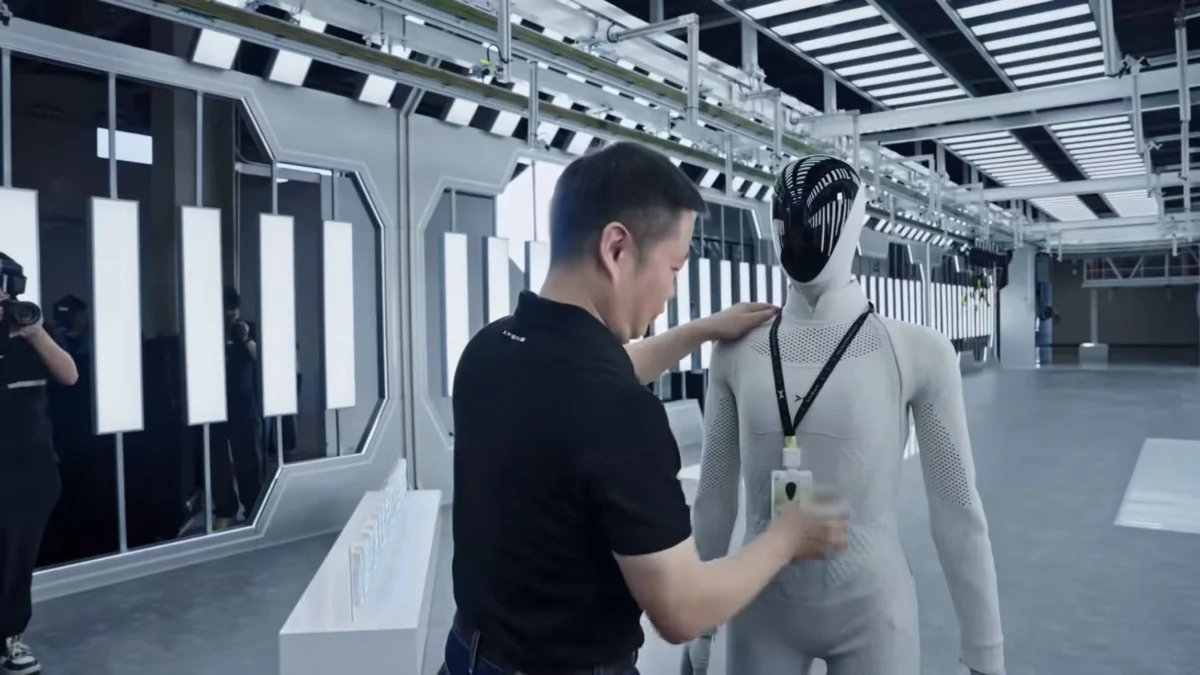
On Tuesday, XPeng, a prominent Chinese electric vehicle manufacturer known for its innovation in smart mobility, announced a significant leap in its robotics ambitions: the commencement of operations for its automated production line dedicated to humanoid robots. This milestone event saw the first IRON humanoid robot successfully complete its automated final assembly and autonomously walk off the line, signaling XPeng’s transition from intensive research and development into the critical phase of mass production for its advanced robotics division. This development marks a pivotal moment, positioning XPeng as a frontrunner in the nascent but rapidly accelerating field of humanoid robotics manufacturing.
The Dawn of Automated Humanoid Production
The launch of this automated production line represents a crucial step in the commercialization of humanoid robots. Historically, the development of humanoid robots has been confined largely to laboratories and specialized R&D facilities, with production often relying on highly manual and labor-intensive assembly processes. XPeng’s new facility aims to disrupt this paradigm by applying sophisticated manufacturing techniques, drawing heavily from its established expertise in the automotive sector.
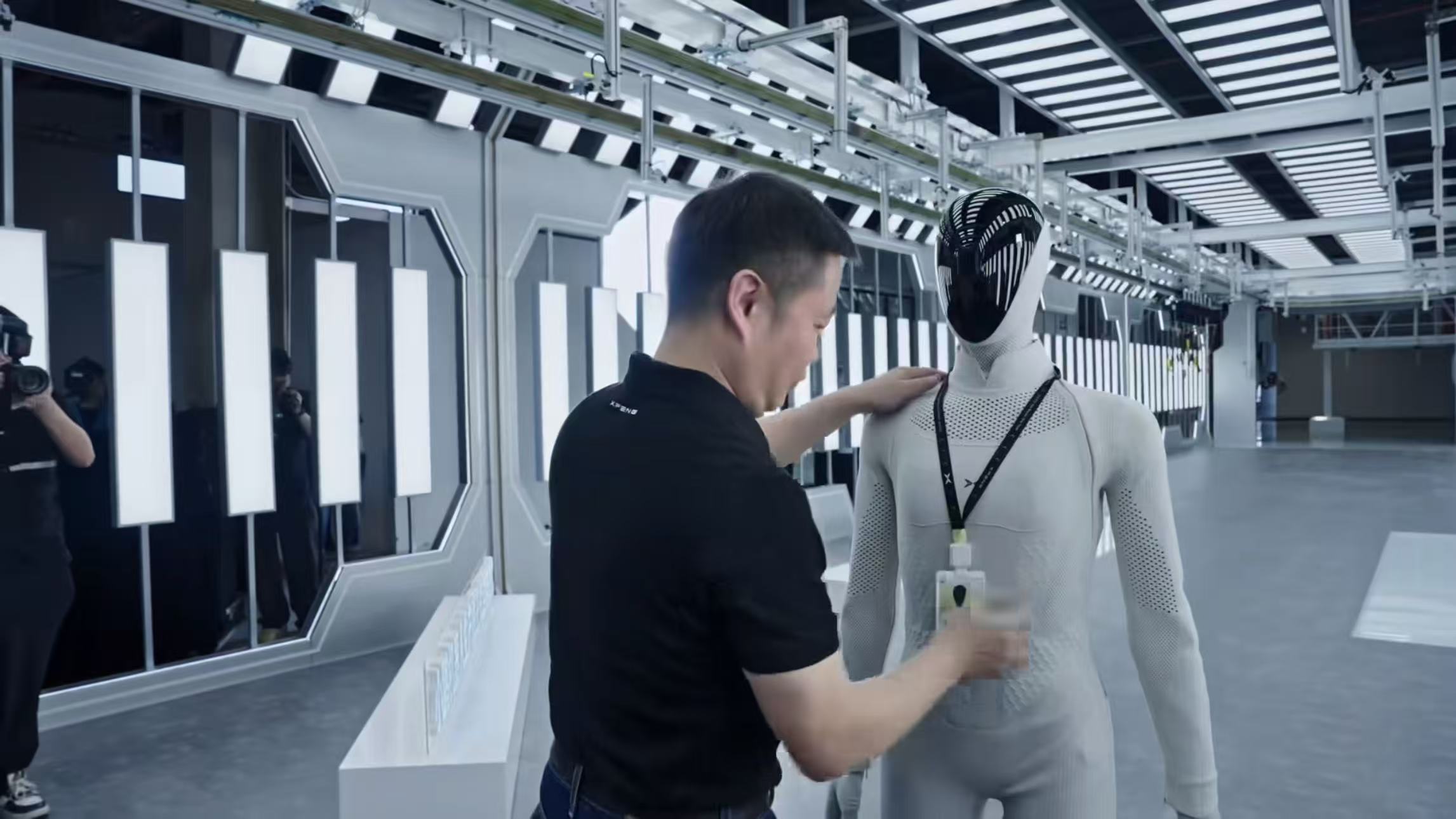
According to XPeng, the IRON robot is distinguished as the world’s first high-level general-purpose humanoid robot to be produced on an automated assembly line. This claim underscores the company’s ambition and the technological prowess invested in this venture. The production line itself was meticulously designed and constructed by XPeng’s internal engineering team, integrating advanced manufacturing and rigorous quality-control systems originally developed for high-volume automotive production. These systems have been carefully adapted to meet the unique demands of humanoid robot assembly, which necessitate extreme precision and flexibility due given the multitude of delicate components and complex mechanical systems involved. More than 80% of the core processes on this line are automated, a testament to the advanced engineering and robotics integration achieved by the company.
The automation of such a complex manufacturing process holds profound implications for the future of humanoid robotics. It promises to significantly enhance manufacturing efficiency, reduce production costs at scale, and ensure a higher degree of product consistency and reliability. These factors are paramount for any product aiming for widespread commercial adoption. While challenges remain in adapting automotive manufacturing practices entirely to the intricate nature of humanoid robots, XPeng’s approach suggests a hybrid model that leverages existing strengths while innovating for new requirements.
Introducing IRON: XPeng’s Vision for Physical AI
At the heart of XPeng’s robotics strategy is IRON, a general-purpose humanoid robot designed to embody the company’s "physical AI" vision. This strategy emphasizes the development of a unified hardware and software platform capable of enabling robots to operate autonomously across diverse real-world environments and execute a wide array of tasks. The "physical AI" concept extends beyond mere automation, aiming for robots that can intelligently perceive, reason, and act in complex, unstructured settings.
IRON itself is an engineering marvel, featuring a fully enclosed flexible lattice structure that contributes to its agility and resilience. The robot boasts an impressive 76 degrees of freedom across its body, allowing for highly nuanced and human-like movements. A significant portion of this dexterity is concentrated in its hands, which possess 21 degrees of freedom, indicating a design focus on intricate manipulation capabilities essential for many real-world applications. This high degree of articulation suggests that IRON is being engineered not just for locomotion but also for complex interaction with objects and environments.
The robot’s intelligence is powered by three custom-designed Turing AI chips, which collectively provide a formidable 2,250 TOPS (Tera Operations Per Second) of effective computing power. This substantial on-board processing capability is critical for supporting XPeng’s ambitious physical AI model, allowing IRON to process sensory data, make decisions, and execute tasks locally without constant reliance on remote human control or extensive cloud connectivity. This local processing ability enhances responsiveness, security, and the robot’s capacity for autonomous operation in environments where network access might be limited or unreliable. The ability to perceive surroundings and perform tasks independently is a cornerstone of true general-purpose robotics.
Strategic Context: XPeng’s Diversification into Robotics
XPeng’s foray into humanoid robotics is not an isolated venture but rather a strategic expansion aligning with a broader trend among tech giants to diversify beyond their core businesses. Similar to Tesla’s pursuit of the Optimus Bot or Boston Dynamics’ long-standing advancements, XPeng envisions a future where intelligent machines play an integral role in daily life and industry. The company, primarily known for its advanced electric vehicles, including its XNGP advanced driver-assistance system, brings significant expertise in AI, autonomous systems, and precision manufacturing to the robotics domain. This background provides a unique competitive advantage, allowing XPeng to leverage its existing R&D infrastructure and manufacturing capabilities.
The company’s commitment to robotics has been evident through its sustained investment and strategic roadmap. The development of an automated production line for humanoid robots is a clear signal of its intent to move beyond theoretical models and into practical, scalable solutions. This move also highlights a broader shift in the tech industry, where the convergence of AI, advanced materials, and sophisticated mechanical engineering is making humanoid robots an increasingly tangible reality.

The Broader Landscape of Humanoid Robotics
The field of humanoid robotics is witnessing a global resurgence of interest and investment. Companies like Boston Dynamics, with its agile Atlas robot, have demonstrated incredible feats of mobility and dexterity. Tesla has generated significant buzz with its Optimus (Tesla Bot) project, aiming for large-scale, cost-effective humanoid production for various applications. Other notable players include Figure AI, which recently secured substantial funding and showcased impressive manipulation capabilities, and Agility Robotics, known for its bipedal Digit robot designed for logistics and warehousing.
XPeng’s entry, particularly with an emphasis on automated production, places it firmly within this competitive landscape. While many companies are still refining their prototypes and demonstrating capabilities, the challenge lies in translating these advancements into commercially viable products that can be manufactured efficiently and at scale. XPeng’s focus on an automated production line directly addresses this critical hurdle, aiming to establish a pathway for mass production that could potentially lower costs and accelerate adoption faster than competitors relying more heavily on manual processes. The vision of general-purpose humanoid robots capable of performing diverse tasks across various environments is a shared aspiration among these leaders, but the approach to achieving that scale varies significantly.
Navigating the Road to Commercialization
Humanoid robots are still in their early stages of commercialization. While prototypes have showcased remarkable abilities, widespread adoption has been hindered by high production costs, technological complexity, and the absence of truly general-purpose capabilities. The manufacturing processes for most existing humanoid robots still involve substantial manual assembly, which limits output, increases variability, and keeps unit costs high.
XPeng’s strategy to implement an automated production line directly confronts these challenges. By reducing reliance on manual labor in assembly, the company aims to improve manufacturing efficiency, ensure product consistency, and lay the groundwork for significant scaling of output. However, the path to mass commercialization is fraught with complexities. Humanoid robots, with their intricate balance systems, numerous precision components, and complex mechanical architectures, demand a level of engineering and quality control that exceeds even advanced automotive manufacturing in certain aspects. The actual efficiency and cost-effectiveness of mass production for IRON, and indeed for any humanoid robot, will need to be rigorously tested and proven over time.
Under XPeng’s current product roadmap, IRON is projected to enter scaled production by the end of 2026, with commercial deliveries anticipated to commence in 2027. This aggressive timeline underscores XPeng’s confidence in its technological capabilities and manufacturing processes. Initially, the company expects IRON to be deployed in environments requiring dangerous or highly repetitive tasks, where human labor is either risky or inefficient. This strategic entry point allows the robots to prove their value in controlled industrial settings before expanding into a wider array of real-world applications, potentially including service industries, healthcare, and even domestic assistance.

Financial Backing and Investor Confidence
XPeng’s ambitious robotics initiatives have attracted significant investor interest. The company recently concluded its first funding round specifically for its robotics business, successfully raising more than $900 million. This substantial capital injection valued the robotics division at over $6.3 billion post-money, reflecting strong investor confidence in XPeng’s vision and technological progress.
The funding round was led by prominent investment firms, including IDG Capital, with Gaorong Capital also participating. Furthermore, the round received strategic investments from two of China’s tech giants, Tencent and Alibaba, whose involvement often signals strong market potential and strategic alignment within the broader technology ecosystem. Despite these external investments, XPeng Group has stated its intention to retain controlling ownership of its robotics business, ensuring strategic direction remains aligned with the parent company’s long-term vision. This financial backing provides the necessary resources to accelerate R&D, scale production, and navigate the complex journey toward commercialization.
He Xiaopeng’s Vision: Beyond Demonstrations
He Xiaopeng, the CEO of XPeng, has been a vocal proponent of the company’s robotics ambitions. He articulated a clear vision for the future, stating the company’s aim to bring its humanoid robots into the real world in the not-too-distant future. His statements emphasize a commitment to creating robots that are "more human-like and safer," capable of natural interaction without requiring remote control, and possessing their own memory and learning capabilities.
Crucially, He Xiaopeng stressed that the ultimate goal is not merely to build impressive robots for demonstrations or research purposes. Instead, the focus is squarely on creating products that can deliver tangible real-world value and achieve mass production. This pragmatic approach distinguishes XPeng from some other players in the field who may prioritize pure research or conceptual breakthroughs. By focusing on mass production and practical application from an early stage, XPeng aims to accelerate the transition of humanoid robots from futuristic concepts to everyday tools. This strategy, combined with the automated production line, suggests a calculated effort to lead the industrialization of humanoid robotics.
Implications for the Future of Work and Industry
The successful automated production of humanoid robots like IRON carries profound implications for the future of work, industry, and society. The ability to mass-produce complex, intelligent machines could revolutionize manufacturing, logistics, healthcare, and even personal services. Robots capable of performing dangerous, dirty, or dull tasks could free up human workers for more creative, complex, or supervisory roles, potentially leading to increased productivity and safety across various sectors.

However, this also raises important questions about labor displacement and the need for workforce retraining. The initial deployment of IRON in "dangerous and highly repetitive tasks" is a logical starting point, but as capabilities expand, the scope of robotic application will inevitably broaden. XPeng’s vision of a general-purpose humanoid robot that can adapt to different environments and tasks suggests a future where robots are integrated seamlessly into various aspects of human life. This integration will necessitate careful consideration of ethical implications, regulatory frameworks, and societal adaptation.
Challenges and Outlook
Despite the significant advancements, challenges persist. The development of truly general-purpose AI for complex, unstructured environments remains an active area of research. Ensuring the safety, reliability, and robust performance of humanoid robots in unpredictable real-world scenarios is paramount. Furthermore, the economic viability of these robots at scale, including their total cost of ownership (purchase, maintenance, energy), will determine their market penetration.
XPeng’s automated production line is a bold step towards overcoming the manufacturing hurdles. Coupled with substantial financial backing and a clear strategic vision, the company is well-positioned to be a key player in shaping the future of humanoid robotics. The coming years, particularly as IRON approaches its projected scaled production and commercial delivery dates, will provide crucial insights into the efficacy of XPeng’s strategy and the broader trajectory of the humanoid robot industry. The ambition to bring these intelligent machines into our daily lives is no longer a distant dream but an imminent reality, spearheaded by companies like XPeng.


 Neng Nana
 Jia Lissa