Raul Delapena Setiawan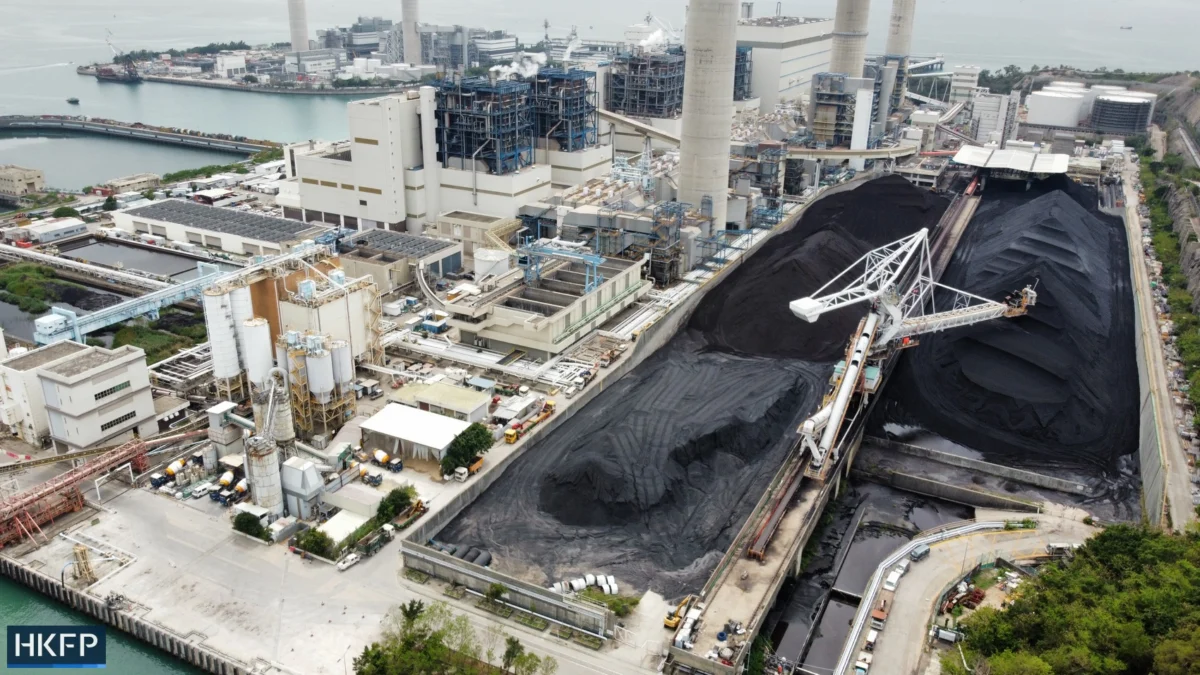
Beijing, China – China’s relentless drive towards renewable energy has reached a pivotal moment, as the nation’s installed solar power capacity officially surpassed that of coal-fired power for the first time. The National Energy Administration (NEA) announced this significant milestone on Tuesday, hailing it as a testament to the country’s accelerating energy transition and commitment to its ambitious climate goals. As of the end of July this year, China’s total installed solar photovoltaic (PV) capacity soared to an impressive 1.286 billion kilowatts (1.286 terawatts), marginally exceeding the 1.285 billion kilowatts attributed to its vast coal-fired power fleet. This development positions solar as China’s largest power source category by installed capacity, underscoring a fundamental shift in the energy infrastructure of the world’s largest greenhouse gas emitter.
This landmark achievement is not merely symbolic; it reflects years of colossal investment, rapid technological advancement, and strategic policy implementation. China, which has pledged to peak its carbon emissions by 2030 and achieve carbon neutrality by 2060, views the expansion of renewable energy as central to both its environmental responsibilities and its long-term energy security. The NEA further reported that solar generation in the first seven months of 2026 surged by 15.5 percent year-on-year, reaching 802.4 billion kilowatt-hours. While this accounts for approximately one-eighth of the country’s total electricity generation during that period, it demonstrates the growing contribution of solar power to China’s energy mix, even as the NEA did not provide comparable coal-powered generation figures for the same timeframe.

The Historical Context of China’s Energy Landscape
For decades, coal has been the undisputed bedrock of China’s economic miracle. Fueling its rapid industrialization and urbanization, coal-fired power plants proliferated across the country, making China the world’s largest consumer and producer of coal. This reliance, while powering unprecedented growth and lifting millions out of poverty, came at a steep environmental cost. Severe air pollution choked major cities, and China’s burgeoning carbon emissions became a critical concern for global climate efforts. International pressure, coupled with domestic environmental imperatives, spurred Beijing to seriously re-evaluate its energy strategy.
The shift began in earnest in the early 21st century, with the government gradually introducing policies to promote renewable energy. Initially driven by a desire for energy security and a strategic interest in developing high-tech industries, the commitment deepened as climate change became an undeniable global challenge. China recognized the immense potential of renewable technologies, particularly solar and wind, not only to reduce emissions but also to secure a leading position in the burgeoning green economy. This strategic foresight has led to China becoming the dominant global player in the manufacturing of solar panels, wind turbines, and electric vehicles.

A Decade of Unprecedented Renewable Growth
The journey to solar dominance has been characterized by aggressive targets and unparalleled deployment. Starting from a relatively small base, China’s solar capacity exploded over the past decade. Key policy initiatives, such as the Renewable Energy Law, ambitious Five-Year Plans, and generous subsidies, provided the necessary framework and incentives for this expansion. The government established feed-in tariffs, mandated renewable energy quotas for grid companies, and invested heavily in research and development to drive down costs and improve efficiency.
Major milestones dot this chronology of rapid growth:

- Early 2010s: Initial large-scale solar farms begin construction, particularly in western provinces with abundant sunshine.
- Mid-2010s: China emerges as the world’s largest solar panel manufacturer, driving down global PV costs. Domestic deployment accelerates significantly.
- 2016: China surpasses Germany to become the world’s largest cumulative solar power producer.
- 2020: President Xi Jinping announces China’s "Dual Carbon" goals – peaking emissions before 2030 and achieving carbon neutrality by 2060 – providing a powerful new impetus for renewable energy development.
- 2025: China installs a record-breaking 315 gigawatts (GW) of solar power and 119 GW of wind power capacity in a single year. These figures represent over 80 percent of the total newly installed power generation capacity for that year, dwarfing additions from all other sources combined.
- July 2026: The historic moment arrives, with installed solar capacity exceeding that of coal.
This exponential growth has been fueled by declining costs of solar technology, making it increasingly competitive with traditional fossil fuels. China’s massive domestic market and its ability to scale production rapidly have played a crucial role in achieving these economies of scale, benefiting not only China but also the global energy transition.
Installed Capacity Versus Actual Generation: A Crucial Nuance
While the milestone of installed solar capacity surpassing coal is highly significant, it is important to understand the distinction between installed capacity and actual electricity generation. Installed capacity refers to the maximum power output a plant can produce under ideal conditions. Actual generation, however, depends on various factors, including the capacity factor (how often a plant runs at its full capacity), weather conditions (for solar and wind), and grid dispatch priorities.

Coal-fired power plants typically have higher capacity factors and are more dispatchable, meaning they can provide electricity on demand, regardless of weather. They often serve as baseload power, providing a steady supply of electricity around the clock. Solar power, being intermittent, only generates electricity when the sun is shining. Therefore, despite having a larger installed capacity, coal likely continues to generate a greater proportion of China’s total electricity. However, the rapidly increasing solar generation figures (802.4 billion kWh in seven months) indicate that its contribution to the actual power supply is becoming substantial and increasingly vital. The NEA’s statement that solar generation now accounts for about one-eighth of the country’s total electricity underscores this growing role.
Broader Implications and Global Leadership
This achievement carries profound implications for China, the global energy landscape, and the fight against climate change.

- Environmental Impact: The rapid expansion of solar power directly contributes to reduced reliance on coal, leading to lower greenhouse gas emissions and improved air quality. This is crucial for China to meet its carbon peaking and neutrality targets.
- Energy Security: Diversifying the energy mix away from imported fossil fuels enhances China’s energy security, reducing its vulnerability to geopolitical fluctuations in global energy markets.
- Economic Impact: The renewable energy sector has become a significant economic engine in China, creating millions of jobs in manufacturing, installation, and research. China’s dominance in renewable energy technology also positions it as a key exporter, influencing global green technology markets.
- Technological Innovation: The scale of China’s renewable energy deployment drives continuous innovation in solar panel efficiency, battery storage solutions, and smart grid technologies.
- Global Influence: China’s aggressive pursuit of renewables sets a powerful example and demonstrates the feasibility of rapid energy transition on a massive scale. It reinforces China’s claim to global leadership in climate action and green technology.
Challenges and the Path Ahead
Despite this monumental progress, significant challenges remain for China’s energy transition.
- Grid Integration: Integrating vast amounts of intermittent renewable energy into the national grid requires substantial upgrades to infrastructure, including transmission lines, smart grid technologies, and enhanced grid flexibility. Balancing supply and demand becomes more complex with a higher share of variable renewables.
- Energy Storage: To overcome the intermittency of solar and wind, large-scale energy storage solutions, primarily batteries, are essential. China is investing heavily in this area, but the scale of need is immense.
- Coal’s Enduring Role: While solar’s installed capacity has surpassed coal, the latter is not disappearing overnight. Coal-fired power plants are still critical for grid stability, providing backup power during peak demand or when renewable output is low. Indeed, China continues to approve new coal power plants, although their primary role is increasingly shifting from baseload generation to providing flexible capacity to balance the grid. This nuanced approach reflects the practical challenges of managing an energy transition of this magnitude.
- Rising Energy Demand: China’s economy continues to grow, albeit at a moderated pace, leading to persistent increases in overall energy demand. Meeting this demand while simultaneously decarbonizing requires continuous and accelerated deployment of all non-fossil fuel sources, including hydro, wind, and nuclear power.
- Overall Emissions: While the proportion of renewable energy in the mix is rising, China’s total carbon emissions have continued to increase in recent years due to economic growth, although the emissions intensity (emissions per unit of GDP) is falling. The challenge is to achieve an absolute reduction in emissions before the 2030 peak target.
The NEA has consistently highlighted that China’s installed solar power capacity and power generation "have maintained a steady trend of rapid growth," playing an "increasingly prominent role" in guaranteeing electricity supply and driving the energy transition. This latest milestone serves as a powerful indicator of China’s unwavering commitment to its climate pledges and its determination to lead the world into a new era of clean energy. As the nation continues to navigate the complexities of economic growth and environmental stewardship, the ascendancy of solar power marks a defining moment in its journey towards a sustainable future.


 Sagoh
Sagoh
 Asro
Asro