Basiran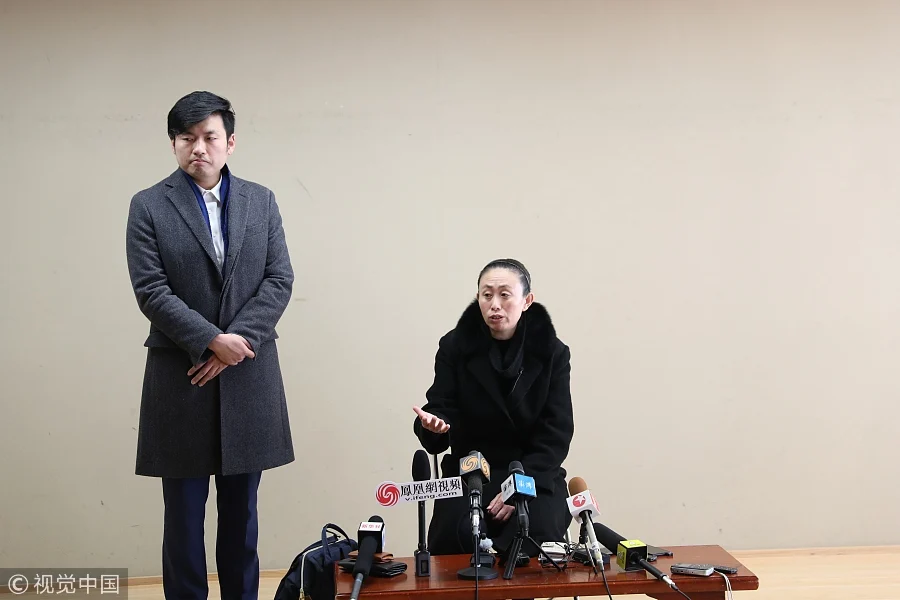
The highly anticipated trial of Chen Shifeng, accused of the brutal murder of Chinese postgraduate student Jiang Ge, commenced in Tokyo on Monday, December 11, 2017, bringing to the forefront a confluence of grim forensic evidence, a defendant’s contentious defense, and the profound grief of a mother seeking justice. The proceedings, slated to last seven days, are expected to culminate in a verdict on December 20th, a date that looms large for all parties involved and for a concerned public.
Autopsy Report Contradicts Defendant’s Account of Fatal Stabbing
A crucial piece of evidence unveiled just prior to the trial’s commencement has cast significant doubt on Chen Shifeng’s claims regarding the circumstances of Jiang Ge’s death. The autopsy report, obtained and subsequently revealed, indicates that Jiang suffered between five and six defensive injuries on her body before the fatal stab. This finding directly contradicts Chen’s assertion that Jiang succumbed to a single stab wound after falling. The report further details a harrowing tally of eleven to twelve stab injuries to Jiang’s neck, underscoring the ferocity of the attack. The revelation of these details has evidently amplified the anguish of Jiang Qiulian, the victim’s mother, who was observed crying bitterly on multiple occasions during her court appearances, a poignant testament to her profound sorrow and unwavering pursuit of accountability.
Defendant’s Plea: Accidental Killing Denies Premeditation
Chen Shifeng, the accused, has maintained his innocence regarding any premeditated intent to kill the 24-year-old postgraduate student. According to reports from ifeng.com on Monday, Chen’s defense hinges on the assertion that the act was not a planned murder. During the initial day of the trial, Chen presented a narrative suggesting that Liu Xin, Jiang Ge’s roommate, had passed a fruit knife to Jiang from within the apartment and subsequently closed the door. Chen claims Jiang attempted to gain re-entry by repeatedly ringing the doorbell with her elbow, but Liu Xin did not open the door.
Chen further elaborated on the sequence of events, stating that Jiang died from blood loss. He admitted to stabbing Jiang, but insisted that she fell when he initially inflicted the wound. Crucially, he defended his actions by asserting, "I didn’t any motive to kill her when I first stabbed her." He then attempted to distance himself from the subsequent injuries, stating, "the next nine stabs had no causal relationship with the first stab." Throughout these testimonies, Chen reportedly maintained a calm demeanor, a stark contrast to the emotional turmoil evident in the victim’s family. Significantly, reports indicated that Jiang Qiulian, the victim’s mother, was not present in court for this initial hearing, a decision likely driven by the overwhelming emotional toll of witnessing the proceedings.
The Trial Commences: A Year-Long Wait for Justice
The trial officially began at 10 a.m. on Monday in Tokyo, marking the culmination of a year of anticipation and agonizing waiting for the victim’s family and supporters. The seven-day trial will meticulously examine the evidence and testimonies presented, aiming to establish the facts surrounding Jiang Ge’s tragic demise. The verdict, eagerly awaited, is scheduled for December 20th.
Jiang Ge, a bright 24-year-old postgraduate student, was tragically killed outside her Tokyo apartment over a year prior to the trial. Reports indicate that she was attacked by Chen Shifeng while attempting to shield his former girlfriend, Liu Xin, from him. This context adds a layer of complexity to the case, suggesting a volatile relationship and a potential motive rooted in a dispute involving Liu Xin.
A Mother’s Crusade: Seeking the Ultimate Sentence
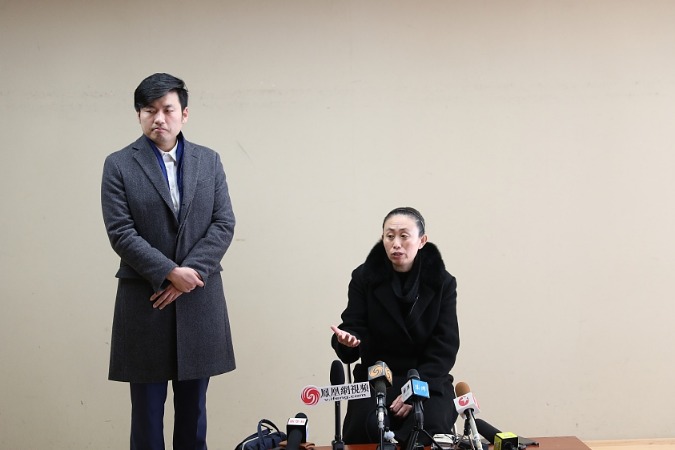
Jiang Qiulian, the victim’s mother, has been a formidable presence in Japan for the past 30 days, her sole purpose being to petition for the death sentence for the accused. Her relentless advocacy has brought the case to international attention. Jiang has also publicly voiced her strong disapproval of Liu Xin’s perceived indifference to Jiang Ge’s sacrifice, a sentiment that has ignited a heated online debate, highlighting the deep emotional divisions and public discourse surrounding the case. Liu Xin, the former roommate and a key figure in the events leading up to the murder, is expected to appear in court as a witness, her testimony anticipated to be pivotal in understanding the precise circumstances of that fateful night.
Chronology of a Tragedy and its Aftermath
To understand the gravity of the ongoing trial, a chronological outline of the key events is essential:
- Late 2016: Jiang Ge, a 24-year-old Chinese student, is living in Tokyo, sharing an apartment with Liu Xin. Chen Shifeng, Liu Xin’s ex-boyfriend, is reportedly experiencing a tumultuous relationship with Liu.
- November 2016: The precise date of the murder is not explicitly stated in the provided text but is referred to as "over a year ago" from the December 2017 trial date. Jiang Ge is attacked and fatally stabbed outside her apartment. The incident is believed to have occurred after an altercation involving Chen Shifeng and Liu Xin, with Jiang Ge reportedly intervening.
- December 2017: Jiang Qiulian arrives in Japan, dedicating herself to pursuing justice for her daughter and advocating for the death penalty for the accused.
- December 10, 2017: Jiang Qiulian meets the press in Tokyo, one day before the trial begins, visibly emotional and resolute in her pursuit of justice.
- December 11, 2017: The trial of Chen Shifeng commences in Tokyo. Forensic evidence, including the autopsy report, is presented, raising critical questions about the defendant’s account.
- December 20, 2017: The verdict in the trial is expected.
Supporting Data and Forensic Evidence
The autopsy report serves as a cornerstone of the prosecution’s case, providing stark factual data that directly challenges Chen Shifeng’s defense. The presence of multiple defensive wounds suggests Jiang Ge actively attempted to protect herself, indicating a struggle and a conscious effort to survive. This evidence contradicts the defense’s claim of a single, accidental stab that led to death. The sheer number of stab wounds to the neck further underscores the violent nature of the attack, pointing towards a level of aggression that the defense is struggling to reconcile with a claim of no premeditated intent. While the exact nature and depth of each wound are not detailed in the provided text, the accumulation of injuries paints a grim picture of the final moments of Jiang Ge’s life.
Official Responses and Public Reaction
While official statements from the Japanese judicial authorities or the prosecutor’s office are not detailed in the provided text, the commencement of the trial itself signifies the formal engagement of the legal system. The prolonged presence of Jiang Qiulian in Japan, her public appeals, and her interactions with the press indicate a significant level of public and media attention on the case, both within China and Japan. The online debate surrounding Liu Xin’s perceived lack of remorse highlights the emotional resonance of the case and the public’s engagement with the narrative. This case has transcended a typical criminal trial, becoming a focal point for discussions on justice, victim advocacy, and the complexities of interpersonal relationships.
Broader Impact and Implications
The trial of Chen Shifeng for the murder of Jiang Ge carries significant implications beyond the immediate legal proceedings. For the Chinese community in Japan and for Chinese citizens abroad, it highlights the vulnerabilities faced by international students and underscores the importance of robust support systems and legal protections. The case has also ignited discussions about the death penalty in Japan, a practice that remains controversial. Jiang Qiulian’s unwavering campaign for capital punishment has amplified these debates, bringing a personal and deeply emotional dimension to a complex legal and ethical issue.
Furthermore, the case raises questions about the role of bystanders and the responsibilities of individuals within close-knit communities, particularly concerning domestic disputes and potential violence. The public’s strong reaction to Liu Xin’s alleged indifference suggests a societal expectation of empathy and solidarity, especially in the face of tragedy. The unfolding legal battle in Tokyo will not only determine the fate of the accused but also contribute to broader societal dialogues on justice, accountability, and the human cost of violence. The verdict on December 20th will be closely watched, carrying the weight of a mother’s grief and the expectations of a global audience seeking closure and justice for Jiang Ge.


 Nana Wu
 Suro Senen