Layla Zulfa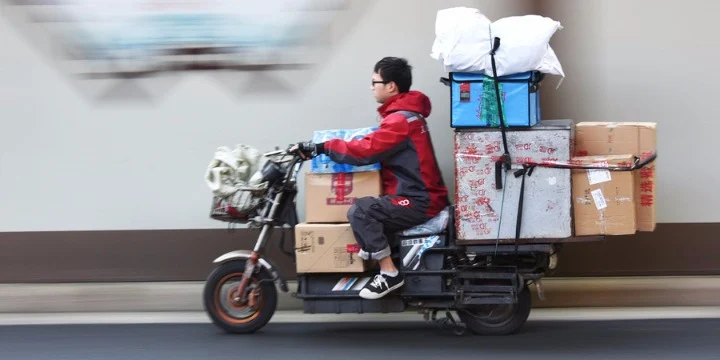
In a striking revelation about the social dynamics of China’s rapidly evolving workforce, a comprehensive survey conducted by 58.com, a leading online marketplace and classifieds operator, has identified couriers as the nation’s loneliest occupation, with a significant 69.57 percent of respondents concurring. Following closely, financial staff ranked as the second loneliest, garnering 67.39 percent of the votes. The findings, initially reported by cyol.com in late 2017, underscore the profound impact of modern work structures, technological advancement, and societal pressures on the psychological well-being of professionals in one of the world’s most dynamic economies. This report delves into the intricate reasons behind these sentiments, the broader implications for China’s labor force, and the societal context that frames these experiences.
The Unseen Burden of the Courier: A Paradox of Connection
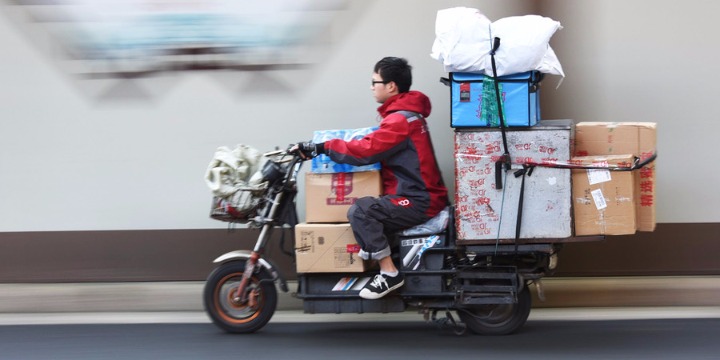
The designation of couriers as the loneliest profession presents a profound paradox in a country where the delivery services industry is not merely flourishing but has become an indispensable backbone of daily life. China’s e-commerce sector is the largest globally, processing billions of parcels annually through a vast and intricate logistics network. Companies like Alibaba (Cainiao), JD.com, Meituan, and Ele.me have built empires on the back of millions of dedicated delivery personnel. Yet, despite being at the forefront of connecting consumers with goods and services, these individuals often find themselves isolated.
The survey highlighted that the work of a courier is described as both "heavy and dull." This characterization points to the physically demanding nature of the job – navigating dense urban landscapes, often under tight deadlines, carrying heavy loads, and contending with traffic and weather extremes. A typical day for a courier begins early and ends late, involving relentless movement across districts, delivering hundreds of packages. The "dull" aspect stems from the repetitive nature of the tasks: pick-up, transport, drop-off. As one courier surnamed Liu succinctly put it to cyol.com, "Except for the moment when you hand the parcel to the client, you barely have time to communicate with anyone." This lack of meaningful human interaction throughout long shifts contributes significantly to feelings of isolation. Their interactions are often transactional, brief, and dictated by the speed required to meet delivery quotas.
The sheer scale of the industry further exacerbates this. With millions of couriers crisscrossing the country, often working as independent contractors or under performance-based pay structures, the emphasis on efficiency and speed often overshadows opportunities for social engagement with colleagues or the wider community. While smartphones connect them to navigation, customers, and dispatchers, they simultaneously reinforce a solitary work pattern, reducing face-to-face interactions. This digital tether, ironically, can deepen the sense of isolation rather than alleviate it.
The High-Stakes Isolation of Financial Professionals
Following closely behind couriers, financial staff were identified as the second loneliest occupation, with 67.39 percent of respondents sharing this sentiment. This finding underscores a different, yet equally potent, form of loneliness rooted in high pressure, intense competition, and the relentless pace of an industry characterized by constant flux.
The report cited "high stress" and the imperative to "keep pace with changes in the industry at any time" as primary drivers of anxiety and loneliness among financial professionals. This sector, encompassing roles in banking, investment, trading, and corporate finance, is inherently demanding. Professionals are often responsible for managing significant assets, making critical decisions under pressure, and are directly accountable for financial outcomes that can have far-reaching implications. The global nature of financial markets means that work often extends beyond conventional hours, blurring the lines between personal and professional life.
Moreover, the financial industry in China, like elsewhere, is subject to rapid technological advancements (FinTech), evolving regulatory landscapes, and volatile market conditions. Staying competitive requires continuous learning, adaptation, and often, individual initiative. This intellectual isolation can be profound; while surrounded by colleagues, the highly specialized nature of their work and the competitive internal environment can limit genuine camaraderie and foster a sense of being solely responsible for one’s performance and knowledge. The pursuit of ambitious targets, coupled with the constant threat of market downturns or policy shifts, creates an environment where personal relationships might take a backseat to professional demands. The "996" work culture (9 AM to 9 PM, 6 days a week), prevalent in many high-growth sectors in China, including finance, further erodes opportunities for social engagement outside of work, contributing to a sense of social deprivation.
Beyond the Top Two: Emerging Patterns of Loneliness
While the survey prominently featured couriers and financial staff, it also offered a glimpse into other professions grappling with similar challenges. New media operators, for instance, were listed as the fifth loneliest occupation. This category, encompassing roles in social media management, content creation, and digital marketing, has emerged as a significant part of the modern economy.
The loneliness experienced by new media operators often stems from the unique demands of their digital-centric work. While ostensibly "connected" to vast online audiences, their interactions are often superficial, transactional, or mediated through screens. The pressure to constantly create engaging content, manage online communities, and monitor digital trends can be relentless. Furthermore, the blurring of work and personal life is particularly acute for these professionals, as social media platforms often double as both their workplace and personal sphere. This constant digital presence can lead to a sense of exhaustion and a feeling of being "always on," with little distinction between personal time and work responsibilities. The perceived need to project a certain online persona can also create a disconnect between their public image and private feelings, contributing to internal isolation. The image accompanying the original report, showing a 23-year-old new media operator working alone in her rental room, powerfully encapsulates this solitary reality.
While the full list of top five occupations was not provided beyond No. 5, it is reasonable to infer that other roles characterized by high pressure, repetitive tasks, long hours, or a lack of meaningful human interaction would likely feature. These could include certain manufacturing roles, customer service representatives (especially in call centers), or even some highly specialized research positions.
Understanding the Survey and its Context
The survey by 58.com, a major player in China’s online classifieds and job market, provides a valuable lens into the sentiment of the workforce. Launched in 2005, 58.com has grown into one of China’s largest online platforms for local services, job postings, and second-hand goods, giving it a vast user base and significant insights into labor market trends and employee sentiment. The report by cyol.com (China Youth Daily Online) further lends credibility, as China Youth Daily is a prominent national newspaper.
The survey’s timing in late 2017 is significant. This period marked a peak in China’s digital economy boom, with unprecedented growth in e-commerce, ride-hailing, and food delivery services. It was also a time when discussions about the "996" work culture and the mental health implications of rapid economic development were beginning to gain traction within Chinese society. The survey likely tapped into a growing awareness of the human cost associated with China’s economic miracle, moving beyond mere productivity metrics to consider employee well-being. While specific details on the survey’s methodology (e.g., sample size, demographics of respondents) were not extensively detailed in the original report, the broad participation implied by the percentages suggests a substantial online poll reflecting a wide range of professional experiences.
The Broader Landscape: Drivers of Occupational Loneliness in China
The findings of this survey are not isolated incidents but rather symptomatic of broader trends shaping the modern Chinese workforce:
- Rapid Urbanization and Migration: Millions of young people migrate from rural areas to large cities for work, often leaving behind family and established social networks. Building new connections in bustling, often impersonal urban environments can be challenging, contributing to isolation, especially in demanding jobs.
- Intense Competition: China’s large labor pool and highly competitive job market mean individuals often face immense pressure to succeed. This competition can foster an environment where colleagues are seen more as rivals than allies, hindering the formation of supportive relationships.
- Digitalization and Automation: While technology facilitates many aspects of modern life, it can also reduce face-to-face interaction in the workplace. Many tasks that once required direct human collaboration are now mediated by software or performed individually, leading to less organic social engagement.
- "996" Work Culture: The pervasive culture of long working hours in many Chinese industries leaves little time or energy for leisure, hobbies, or building and maintaining social connections outside of work. This work-centric lifestyle can lead to burnout and social deprivation.
- Focus on Economic Growth: For decades, China’s primary focus has been on rapid economic growth. While this has lifted millions out of poverty, it has sometimes come at the expense of prioritizing worker well-being and mental health. However, there is a growing national conversation around these issues.
- Changing Social Structures: Traditional family support networks are evolving. With the rise of the nuclear family and an aging population, younger generations may feel greater individual pressure without the extensive communal support systems of the past.
Implications for Workforce Well-being and Economic Productivity
The implications of widespread occupational loneliness are significant, extending beyond individual suffering to affect economic productivity and societal well-being.
- Mental Health Crisis: Loneliness is a significant risk factor for various mental health issues, including depression, anxiety, and burnout. If left unaddressed, this could lead to a broader public health challenge, impacting the quality of life for millions.
- Reduced Productivity and Engagement: Lonely employees are often less engaged, less creative, and more prone to errors. This can lead to decreased productivity, higher rates of absenteeism, and increased employee turnover, posing substantial costs to businesses.
- Social Cohesion: A workforce experiencing widespread loneliness can impact broader social cohesion. Strong social bonds are essential for community resilience and overall societal health.
- Talent Retention: In a competitive global market, companies that fail to address the well-being of their employees, including their social and psychological needs, may struggle to attract and retain top talent.
- Economic Sustainability: Long-term economic growth is not sustainable without a healthy and motivated workforce. Ignoring issues like occupational loneliness could undermine China’s future economic potential.
Addressing the Challenge: Paths Forward
Recognizing and addressing occupational loneliness requires a multi-faceted approach involving employers, policymakers, and individuals.
- Employer Initiatives: Companies can play a crucial role by fostering more supportive work environments. This includes promoting reasonable working hours, encouraging team-building activities, establishing mentorship programs, and providing access to mental health support services. For roles like couriers, exploring models that integrate more opportunities for peer interaction or community engagement could be beneficial.
- Policy Support: Government policies can encourage better work-life balance through legislation on working hours, promoting mental health awareness campaigns, and incentivizing companies to invest in employee well-being programs. There’s a growing recognition within China’s government of the importance of social harmony and individual well-being alongside economic growth.
- Technological Solutions with a Human Touch: While technology can contribute to loneliness, it can also be part of the solution. Developing platforms that genuinely connect workers, facilitate peer support, or offer accessible mental health resources can be valuable.
- Societal Dialogue: Continuing the public conversation about mental health, work-life balance, and the social aspects of labor can help destigmatize loneliness and encourage individuals to seek support. Educating the public on the importance of social connections can also empower individuals to actively build and maintain their networks.
- Redefining Success: Shifting the societal narrative from purely material success to one that also values well-being, personal relationships, and a balanced life can reduce the pressure on individuals to sacrifice their social health for professional advancement.
The 58.com survey from 2017 serves as a powerful reminder that while China’s economic progress has been extraordinary, it has come with significant social and psychological costs for many of its workers. Addressing occupational loneliness is not merely a matter of individual welfare but a strategic imperative for ensuring the long-term health, productivity, and sustainability of China’s dynamic workforce and society as a whole. The findings call for deeper introspection and concerted action to build a more connected and compassionate work environment for all.

 Evan Lee Salim
 Suro Senen