Nana Muazin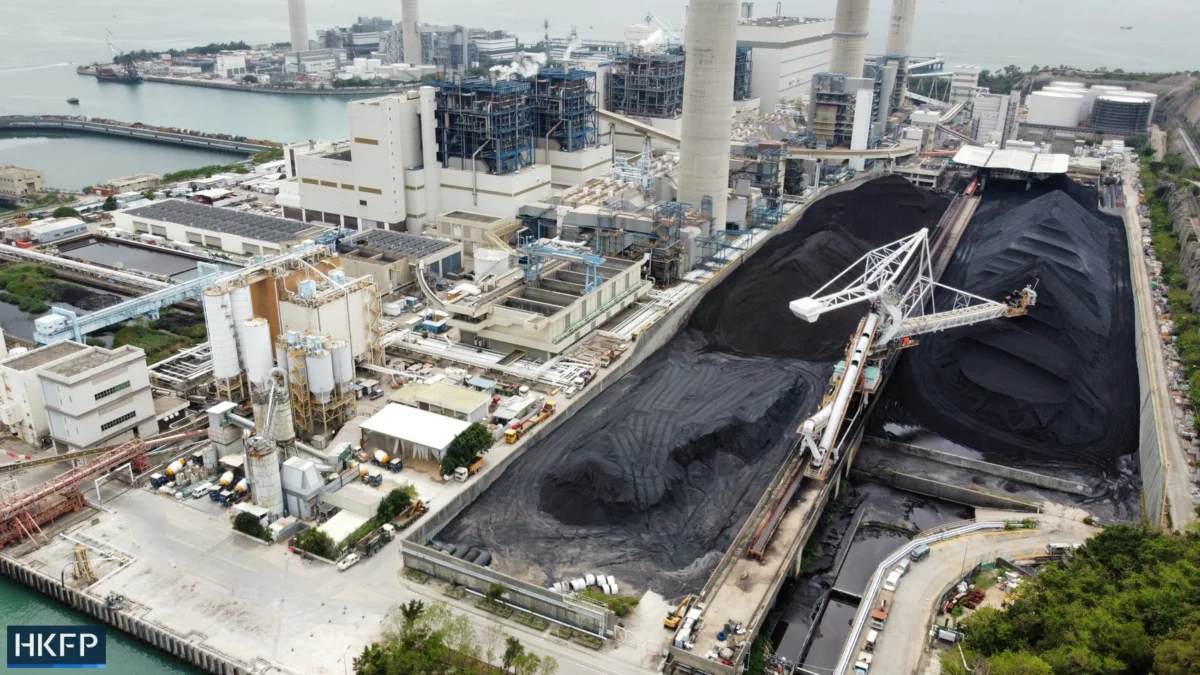
China’s installed solar energy capacity has surpassed that of coal-fired power for the first time, the national energy body announced Tuesday, marking a significant milestone in the nation’s ambitious energy transition and its global fight against climate change. This landmark achievement underscores China’s accelerated commitment to renewable energy sources as it seeks to decarbonize its economy and meet its climate targets.
A New Era of Energy Dominance
The National Energy Administration (NEA) reported that as of the end of July this year, China’s installed solar power capacity reached an impressive 1.286 billion kilowatts. This figure now edges out the nation’s coal-fired power installed capacity, which stands at 1.285 billion kilowatts. This development signifies a profound shift, with solar power now holding the position as the largest power source category within China’s vast energy infrastructure.

This transition is not merely symbolic; it represents a fundamental alteration in the country’s energy generation mix. For decades, coal has been the bedrock of China’s industrialization and economic growth, powering its factories and cities. However, its heavy reliance on coal has also positioned China as the world’s largest emitter of greenhouse gases, a primary driver of global climate change. The nation has pledged to peak its carbon emissions by 2030 and achieve carbon neutrality by 2060, making the rapid expansion of renewables a critical component of its strategy.
Accelerating Growth and Shifting Dynamics
The NEA further elaborated that solar generation has experienced robust growth, rising by 15.5 percent year-on-year in the first seven months of 2026. During this period, solar power contributed 802.4 billion kilowatt-hours to the national grid, accounting for approximately one-eighth of the country’s total electricity generation. While the NEA did not provide specific figures for coal-powered energy generation during the same period, the overall trend points towards a declining, or at best stagnating, contribution from coal.
This shift has been building momentum. In the preceding year, China installed a record-breaking 315 gigawatts of solar power capacity and 119 gigawatts of wind power capacity. These figures represented over 80 percent of the total newly installed power generation capacity for that year, according to data from the China Electricity Council. This explosive growth in renewable installations has been steadily reducing the share of coal in China’s energy mix.

Historical Context: From Coal Dominance to Renewable Leadership
China’s energy landscape has been historically dominated by coal. This dependence fueled its rapid economic expansion following the reform and opening-up period, lifting millions out of poverty and transforming the nation into a global manufacturing powerhouse. However, this industrial surge came at a significant environmental cost, contributing to severe air pollution and making China the world’s leading emitter of carbon dioxide.
The early 2000s saw a growing awareness of the environmental consequences of coal reliance. International pressure, coupled with domestic concerns about air quality and long-term energy security, began to steer China towards a more diversified energy strategy. The government initiated policies to promote renewable energy, including solar and wind power, through subsidies, tax incentives, and ambitious deployment targets.
The period leading up to 2026 has witnessed an unprecedented acceleration in this transition. In 2025, for instance, data reviewed by AFP indicated a nearly two percent decline in China’s coal-fired power generation, despite rising overall energy demand. This was a notable event, reportedly marking the first time coal generation dropped while power demand simultaneously increased, signaling a decoupling of economic growth from fossil fuel consumption.

Implications for Climate Goals and Global Energy Markets
The surpassing of coal by solar in installed capacity is a powerful indicator that China is on track to meet its ambitious climate goals. The peak emissions target of 2030 and the net-zero ambition by 2060 are among the most significant climate commitments made by any nation. This achievement in solar deployment provides strong evidence of progress towards these targets and demonstrates a tangible commitment to global climate action.
Furthermore, this development has profound implications for global energy markets. As the world’s largest energy consumer and a major player in renewable energy manufacturing, China’s choices significantly influence global trends. The country’s massive investments in solar technology have driven down costs globally, making solar power increasingly competitive and accessible worldwide. This achievement could accelerate the global energy transition, encouraging other nations to ramp up their own renewable energy deployments.
Broader Context of China’s Energy Strategy
China’s energy strategy is multifaceted, extending beyond solar power. The nation is also a leader in wind power, hydropower, and nuclear energy. The NEA’s statements consistently highlight the "increasingly prominent role" of solar power in guaranteeing electricity supply and driving the energy transition. This implies a strategic approach where different renewable sources are integrated to create a stable and resilient energy system.

The rapid growth of solar power generation, which rose by 15.5 percent in the first seven months of 2026, is particularly noteworthy. This indicates not just an increase in installed capacity but also a more efficient utilization of these resources. As solar technology continues to advance, with improvements in efficiency and energy storage solutions, the contribution of solar power to the grid is expected to grow even further.
Official Statements and Future Outlook
The National Energy Administration’s announcement was framed as a celebration of progress. The statement emphasized that China’s installed solar power capacity and power generation "have maintained a steady trend of rapid growth." This consistent and accelerated expansion is crucial for the country to achieve its long-term climate objectives.
While the NEA’s statements are generally optimistic, the ongoing challenge lies in fully retiring or repurposing coal infrastructure and ensuring a just transition for communities dependent on the coal industry. However, the sheer scale of the renewable energy build-out suggests a determined effort to move away from fossil fuels.

The future outlook for solar power in China remains exceptionally strong. The country continues to lead in the manufacturing and deployment of solar panels, and policy support for renewables is expected to persist. As China strives to meet its 2030 and 2060 climate targets, the role of solar energy is only set to expand, solidifying its position as a cornerstone of the nation’s clean energy future and a beacon for global decarbonization efforts.
The shift from coal to solar as the dominant power source is not just a statistical victory; it represents a profound transformation in China’s industrial and environmental trajectory. It signals a nation actively embracing a sustainable future, setting a powerful precedent for other major economies grappling with the dual challenges of economic development and climate change mitigation. The success of China’s solar expansion is a testament to the potential of renewable energy to reshape global energy systems and drive a cleaner, more sustainable planet.


 Siti Muinah
 Lina Irawan