Suro Senen
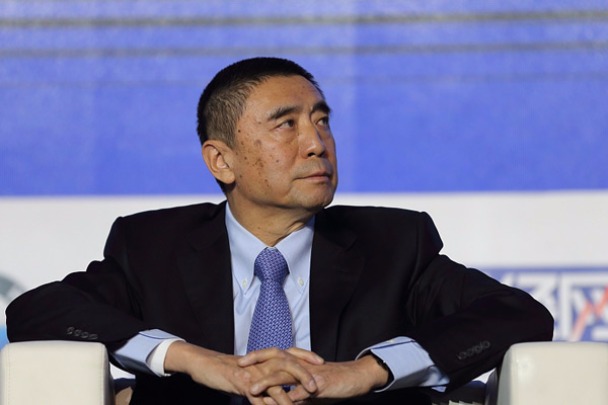
Beijing-headquartered conglomerate China Poly Group Corp has articulated a comprehensive strategy to significantly broaden its international footprint, aiming to cultivate new growth engines by strategically investing across both developed Western markets and the rapidly expanding economies participating in the Belt and Road Initiative (BRI). This strategic pivot, announced by Chairman Xu Niansha in late 2017, underscores the state-owned enterprise’s commitment to global integration, diversification, and the enhancement of China’s economic influence and soft power on the world stage, at a time when domestic market dynamics were undergoing significant shifts.
A Conglomerate’s Global Ambitions: Background and Context
China Poly Group Corp, a state-owned enterprise (SOE) established in 1992, stands as one of China’s most diversified and influential conglomerates. Its vast business portfolio spans multiple critical sectors, including international trade (specializing in defense equipment), real estate development (Poly Developments and Holdings), cultural industries (Poly Culture Group), mining, and civil explosives. As a key player in China’s SOE landscape, Poly Group has historically played a significant role in both national economic development and the implementation of strategic national policies. Its journey towards internationalization predates the explicit articulation of the Belt and Road Initiative, aligning with China’s broader "Go Global" strategy launched in the early 2000s, which encouraged Chinese enterprises to seek overseas opportunities for resources, markets, and technological advancement.
By 2017, China’s economic landscape was characterized by a push for higher-quality growth, supply-side structural reforms, and a more balanced domestic development model. The real estate sector, a cornerstone of Poly’s domestic operations, was experiencing a slowdown in profit margins after years of explosive growth, largely due to government cooling measures and a natural maturation of the market towards a more balanced supply-demand situation. This internal dynamic provided a powerful impetus for large conglomerates like Poly to actively seek new avenues for expansion and revenue generation beyond China’s borders. The Belt and Road Initiative, formally unveiled in 2013, offered a ready-made framework and strategic imperative for this outward push, aligning national development goals with corporate expansion strategies.
The Strategic Imperative: Balancing Developed and Emerging Markets

Poly Group’s global expansion strategy is distinctly two-pronged, reflecting a nuanced understanding of international market opportunities and risks. On one hand, the company is committed to increasing investment in established Western markets. These developed economies offer stable regulatory environments, advanced technologies, mature consumer bases, and opportunities for brand building and high-value partnerships. Engaging with these markets allows Poly to acquire cutting-edge expertise, enhance its international reputation, and potentially introduce more sophisticated products and services back into the Chinese market.
Simultaneously, Poly Group is intensifying its focus on economies involved in the Belt and Road Initiative. The BRI, a colossal infrastructure and investment project, aims to connect Asia with Africa and Europe through land and maritime networks, enhancing trade and economic integration. For Poly, these emerging markets represent significant growth points, particularly in infrastructure construction, resource development, and livelihood improvement projects. Chairman Xu Niansha emphasized that Poly’s overseas projects are designed not only to generate profits but also to foster a positive image for the company and, by extension, for China. This dual approach signifies Poly’s ambition to be a global player, capable of operating effectively across diverse economic and cultural landscapes.
Deep Dive into Key Sectors of Overseas Investment

Poly Group’s global expansion is not merely about geographical reach but also about sectoral diversification, particularly in areas where it can leverage its core competencies while adapting to global trends.
Diversified Real Estate Ventures:
Recognizing the deceleration of traditional residential real estate profits within China, Poly is strategically reorienting its overseas real estate endeavors towards more specialized and high-growth sectors. This includes a strong emphasis on:
- Elderly Care Facilities: With aging populations becoming a global phenomenon, particularly in developed economies but increasingly in many BRI countries as well, the demand for specialized elderly care services and facilities is burgeoning. Poly’s foray into this sector abroad leverages its extensive experience in large-scale property development while addressing a critical social need. This involves developing senior living communities, assisted living facilities, and related healthcare infrastructure, potentially integrating smart technologies and best practices from international markets.
- Commercial Retail: The growth of middle classes in emerging economies and the continuous evolution of urban landscapes globally present significant opportunities for commercial retail development. Poly aims to develop modern shopping malls, mixed-use complexes, and retail parks that cater to evolving consumer preferences, often integrating entertainment and leisure components. These projects serve as economic hubs, creating jobs and stimulating local commerce.
- Tourism and Hospitality: The global tourism industry has demonstrated remarkable resilience and growth, driven by rising disposable incomes and increased travel accessibility. Poly’s investment in tourism real estate encompasses hotels, resorts, theme parks, and integrated leisure developments. These projects not only capitalize on tourism revenue but also contribute to the local economies of host countries by creating destinations and supporting related services.
This diversification strategy allows Poly to tap into sectors with substantial growth momentum, mitigate risks associated with over-reliance on any single market segment, and apply its vast development expertise to new challenges.

Cultural Exchange and Soft Power Projection:
Beyond hard infrastructure and commercial development, China Poly Group places significant emphasis on cultural exchange, recognizing its role in fostering mutual understanding and enhancing national soft power. Chairman Xu highlighted the dual significance of cultural export: "Culture export undertakes the responsibility of cultural communication between different countries and also bears economic significance, helping enhance the soft power of a country."
Poly Culture Group, a subsidiary, is at the forefront of these efforts. Its activities include:
- Performance and Theater Management: Operating and managing performance venues, organizing international tours for Chinese and Western artistic troupes, and promoting cultural festivals. This involves bringing Chinese performing arts, such as traditional opera, dance, and music, to global audiences, while also introducing Western classics like Broadway musicals, classical concerts, and contemporary plays to the Chinese market.
- Arts Business and Auctions: Poly is a major player in the global art market, with Poly Auction being one of the world’s top auction houses. Its international reach allows for the global circulation of Chinese artworks and antiques, as well as the acquisition and sale of international masterpieces. This not only generates economic value but also positions China as a significant hub in the global art world.
- Cinema Investment: Investing in film production, distribution, and the construction and management of cinema complexes abroad. This facilitates the export of Chinese films and cultural narratives to international audiences and provides platforms for showcasing global cinematic achievements within China.
These cultural initiatives serve as powerful conduits for cross-cultural dialogue, building bridges between nations and fostering goodwill. By exporting Chinese cultural products, Poly contributes to a deeper global appreciation of Chinese heritage and contemporary creativity. Conversely, by introducing Western classics to China, it enriches the domestic cultural landscape and promotes a more cosmopolitan outlook. This exchange enhances China’s "soft power"—the ability to attract and co-opt through appeal and attraction rather than coercion—thereby strengthening diplomatic ties and facilitating broader economic cooperation.

Poly’s Engagements Across the Belt and Road Initiative
By 2017, Poly was already conducting business in two-thirds of the economies involved in the Belt and Road Initiative. This extensive engagement highlights the company’s early and sustained commitment to the ambitious infrastructure and connectivity project. Its contributions primarily focus on:
- Infrastructure Construction: Participating in large-scale projects such as roads, railways, ports, power plants, and industrial parks that are critical for enhancing connectivity and economic development in BRI countries. These projects often involve significant investment, advanced engineering, and long-term planning, contributing directly to the physical backbone of the initiative.
- Livelihood Projects: Beyond grand infrastructure, Poly also invests in projects that directly improve the quality of life for local populations. This can include residential developments, public utilities, educational facilities, and healthcare infrastructure, all of which address fundamental needs and contribute to social stability and progress in host nations.
These projects are often undertaken in collaboration with local governments and businesses, emphasizing mutual benefit and local employment generation. They represent a tangible manifestation of the BRI’s promise to foster shared development and prosperity.

Broader Implications and Outlook
Poly Group’s proactive international expansion strategy carries significant implications for its own trajectory, for the countries it engages with, and for China’s broader global economic and geopolitical ambitions.
Economic Impact:
For Poly, diversification into overseas markets provides new revenue streams, mitigates the risks of relying too heavily on the domestic market, and enhances its brand as a global player. It allows the company to tap into high-growth sectors and regions, potentially yielding higher returns on investment. For host countries, Poly’s investments bring capital, technology, and expertise, contributing to infrastructure development, job creation, and economic stimulation. The cultural exchange initiatives also enrich local cultural landscapes and foster tourism. For China, Poly’s global activities contribute to the success of the Belt and Road Initiative, project a positive image of Chinese enterprise, and reinforce China’s position as a responsible global economic partner.

Challenges and Risks:
While the outlook is ambitious, global expansion is not without challenges. Poly, like other Chinese SOEs venturing abroad, navigates complex geopolitical landscapes, varying regulatory environments, and cultural differences. Risks include political instability in certain BRI countries, fluctuating commodity prices, currency exchange rate volatility, and increased scrutiny from international competitors and regulatory bodies. Chairman Xu’s emphasis on building a "good image" suggests an awareness of these challenges and a commitment to responsible business practices, likely involving strong local partnerships, adherence to international best practices, and a focus on corporate social responsibility.
Future Prospects and China’s Openness:
Chairman Xu Niansha expressed strong confidence in the prospects for China’s economic growth and its continued commitment to openness. "China’s determination to further open itself to outside investment shows that China will be an open economy and has more confidence in international markets," he stated. This sentiment reflects Beijing’s ongoing efforts to deepen reforms, enhance market access for foreign investors, and promote a more integrated global economy. For Poly, this openness translates into a willingness to engage in more extensive cooperation with international partners, fostering joint ventures, technology transfers, and strategic alliances that can further propel its global agenda.
Looking ahead, Poly Group is poised to continue its multifaceted global expansion. The strategic balance between investing in developed Western economies for advanced capabilities and stable returns, and actively participating in the transformative growth opportunities within the Belt and Road Initiative, positions the conglomerate for sustained international influence. By intertwining its commercial objectives with cultural diplomacy and sustainable development, China Poly Group is not just building businesses but also building bridges, contributing significantly to China’s vision of a more interconnected and prosperous global community.

 Evan Lee Salim