Pevita Pearce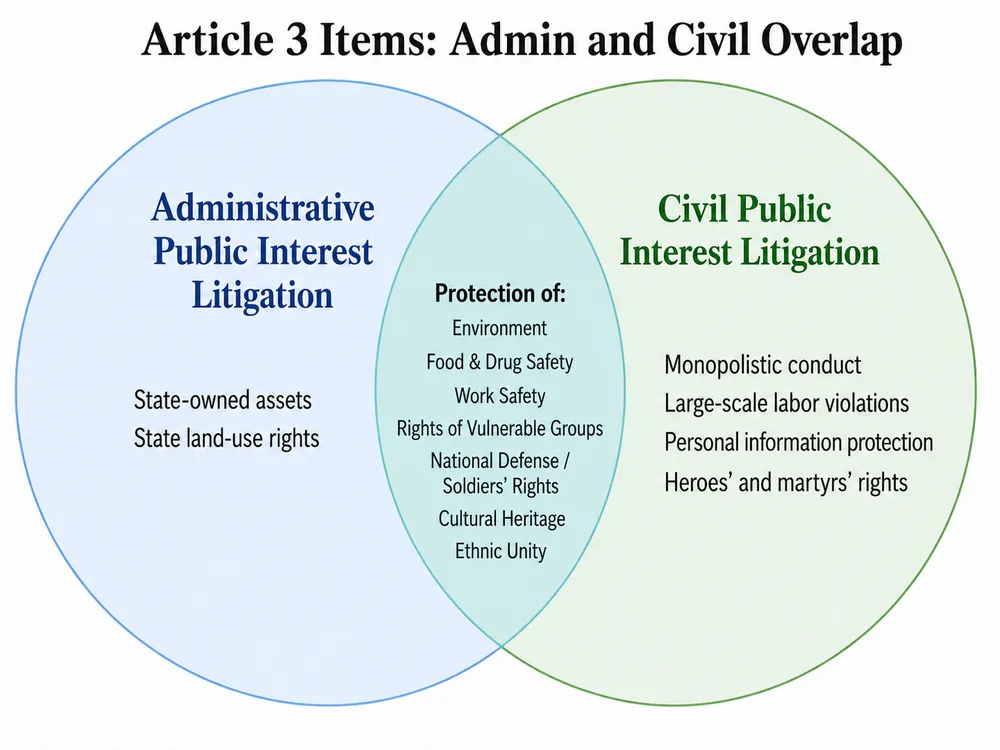
The National People’s Congress of the People’s Republic of China has released the second review draft of the Procuratorate Public Interest Litigation Law, marking a significant milestone in the evolution of the country’s judicial system. This comprehensive legislative framework is designed to consolidate various pilot programs and specialized provisions into a unified code, empowering the People’s Procuratorate to act as the primary guardian of national and societal interests. By establishing clear procedures for case filing, investigation, trial, and enforcement, the law seeks to balance the exercise of administrative power with the protection of public rights across a broad spectrum of sectors, ranging from ecological conservation to the digital economy.
A New Era for Public Interest Governance
The drafting of this law, rooted in the Constitution of the People’s Republic of China, represents a strategic shift toward "rule-based governance" in the protection of public welfare. For nearly a decade, China has experimented with public interest litigation (PIL) through amendments to the Civil Procedure Law and the Administrative Litigation Law. However, the absence of a standalone, specialized law led to inconsistencies in how different regions and levels of the procuratorate handled cases. The new draft law addresses these gaps by providing a definitive legal basis for procuratorial activities, ensuring that the protection of the "public good" is not merely a policy goal but a strictly regulated judicial process.
Under Article 3 of the draft, the scope of administrative public interest litigation is explicitly defined across nine priority areas. These include traditional sectors such as the protection of the ecological environment and food and drug safety, alongside modern challenges like countering telecommunications fraud and protecting personal information. Notably, the law expands the procuratorate’s mandate to include the promotion of ethnic unity and the protection of the rights of vulnerable groups, including minors, women, the elderly, and persons with disabilities.
Chronology of Development: From Pilot to Codification
The journey toward this standalone law has been characterized by a phased approach to judicial reform. Understanding this timeline is essential to grasping the significance of the current draft.
- 2015: The Standing Committee of the National People’s Congress (NPCSC) authorized a two-year pilot program for the procuratorate to initiate public interest lawsuits in 13 provinces and municipalities.
- 2017: Following the success of the pilot, the Civil Procedure Law and the Administrative Litigation Law were formally amended to grant the procuratorate the power to file PIL cases nationwide.
- 2018–2022: The scope of PIL was incrementally expanded through special legislation, such as the Heroes and Martyrs Protection Law and the Personal Information Protection Law, which authorized the procuratorate to intervene in specific types of violations.
- 2023: The Supreme People’s Procuratorate (SPP) began prioritizing the creation of a standalone PIL law to resolve procedural ambiguities and harmonize the various specialized mandates.
- 2024–2026: The first and second drafts were introduced for review, incorporating feedback from judicial practitioners, legal scholars, and administrative agencies.
Expanded Jurisdictional Scope and Civil Liability
The draft law distinguishes between administrative and civil public interest litigation, creating a dual-track system for accountability. In the administrative track, the procuratorate targets government organs that either abuse their authority or fail to act, leading to harm to national or societal interests. In the civil track, the law targets natural persons, legal persons, and unincorporated organizations.
A significant addition in the second draft is the inclusion of anti-monopoly litigation and the protection of laborers’ rights. Article 3, Paragraph 2, specifies that the procuratorate may initiate civil lawsuits against businesses engaging in monopolistic acts or employers who infringe upon the rights of a "large number of laborers." This reflects a growing concern within the Chinese government regarding market fairness and social stability in the wake of rapid economic shifts.
Furthermore, the protection of heroes and martyrs remains a cornerstone of the legislative intent. Article 28 mandates that the procuratorate must solicit the opinions of a martyr’s family before initiating litigation. If the family chooses to sue independently, the procuratorate may offer support; if no family exists or they decline to sue, the procuratorate acts as the primary plaintiff to defend the reputation and honor of national figures.
Supporting Data: The Scale of Procuratorial Intervention
The necessity of this law is underscored by the sheer volume of public interest cases handled by Chinese authorities in recent years. According to data from the Supreme People’s Procuratorate, between 2017 and 2023, procuratorial organs nationwide filed over 900,000 public interest litigation cases.
Environmental protection remains the largest category, accounting for approximately 50% of the total caseload. However, "new area" cases—including personal information protection, production safety, and the protection of the rights of the disabled—have seen a year-on-year increase of over 20%. The SPP reports that more than 90% of these cases are resolved at the "pre-litigation" stage, where administrative organs correct their behavior after receiving a formal procuratorial recommendation, thereby avoiding the need for a full court trial. This "efficiency-first" model is now codified in Chapter III, Section 2 of the draft law.

Procedural Innovations and Investigative Powers
One of the most critical aspects of the new law is the formalization of investigative powers. Article 17 grants the procuratorate the authority to question witnesses, inspect sites, and reproduce documents. However, it also imposes strict limits: procurators are prohibited from employing compulsory measures such as restricting physical liberty or seizing assets—powers that remain reserved for criminal investigations or specific administrative enforcement.
The "Procuratorial Recommendation" system, detailed in Articles 22 and 23, serves as a mandatory prerequisite for administrative litigation. Before filing a lawsuit, the procuratorate must issue a recommendation to the relevant administrative organ, allowing them a period (usually 15 days in emergencies or longer in standard cases) to rectify the violation. If the organ complies, the case is concluded. This mechanism is designed to foster cooperation between the judicial and executive branches rather than perpetual confrontation.
Judicial Oversight and the Trial Process
The trial phase, governed by Chapter IV, establishes a rigorous burden of proof. In administrative cases, the procuratorate must prove that the government organ acted unlawfully or failed to act, while the organ has the right to present evidence of its compliance. In civil cases, the burden lies on the procuratorate to prove the harm caused by the defendant to the public interest.
Article 38 introduces a mediation mechanism for civil PIL cases, a move that has sparked discussion among legal experts. To prevent "behind-closed-doors" deals that might sacrifice the public interest, the law requires that any mediation agreement be subjected to a 30-day public notice period. Only after the court confirms that the agreement does not infringe upon the public good can a formal mediation document be issued.
Enforcement and Global Reach
Enforcement remains a historical challenge in public interest law. The draft addresses this in Chapter V by allowing courts to retain third-party institutions to perform restoration work (such as environmental cleanup) at the expense of the defendant. If a defendant refuses to apologize or restore a reputation, the court can publish the judgment in the media at the defendant’s cost.
Crucially, Article 51 extends the law’s reach to foreign organizations and individuals who infringe upon China’s national interests or societal public interests. This extraterritorial application aligns China’s PIL framework with its broader national security and sovereignty strategies, providing a legal tool for addressing cross-border environmental damage or international data breaches.
Analysis of Implications and Future Impact
The enactment of the Procuratorate Public Interest Litigation Law is expected to have far-reaching implications for both the public and private sectors. For administrative organs, it signals a period of heightened accountability. The requirement for a written response to procuratorial recommendations means that "bureaucratic inertia" will carry legal consequences.
For the business community, particularly in the tech and manufacturing sectors, the law necessitates more robust compliance frameworks. With the procuratorate now authorized to intervene in labor disputes and monopoly cases involving "large numbers" of people, companies face a higher risk of litigation that transcends individual grievances and moves into the realm of systemic public interest.
Legal analysts suggest that while the law empowers the procuratorate, it also places a heavy burden on the quality of procuratorial work. The requirement for "necessary prudence" (Article 5) and the prohibition against interfering with lawful administrative duties suggest that the central government is wary of judicial overreach. The success of the law will ultimately depend on the ability of the procuratorial organs to maintain objectivity and fairness while navigating complex technical areas like telecommunications fraud and ecological restoration.
As the second review draft moves toward final adoption, it stands as a testament to China’s effort to create a specialized, "Chinese-style" public interest litigation system that prioritizes administrative correction and social harmony over purely adversarial litigation. By providing a clear, statutory map for the protection of the public interest, the law aims to ensure that the "national interest" is no longer an abstract concept but a protected legal reality.

 Reynand Wu
 Nila Kartika Wati