Raul Delapena Setiawan
The People’s Republic of China has unveiled a comprehensive draft law specifically designed to combat the growing prevalence of online abuse, harassment, and the spread of malicious misinformation. This legislative initiative, titled the Cyberviolence Law of the People’s Republic of China (Draft for Comments), represents the state’s most significant move to date in codifying the prevention and punishment of digital aggression. The law aims to establish a multi-layered governance framework involving government departments, internet service providers, schools, and social organizations to protect the lawful rights of individuals and organizations while maintaining national security and public order.
Defining the Scope of Cyberviolence
Under Article 2 of the draft, cyberviolence is defined as the concentrated or sustained use of the internet to carry out activities that injure the reputation, honor, privacy, or personal information of others. The law explicitly categorizes four primary types of prohibited conduct: the publication of insults and rumors, the illegal disclosure of personal information (commonly known as "doxing"), continuous online intimidation or harassment, and any other activities that harm legal rights through digital means.
By providing a clear legal definition, the draft seeks to move beyond vague interpretations of "online uncivility" and instead treats these actions as serious legal violations. The jurisdiction of the law is broad, applying not only to activities within mainland China but also to overseas organizations or individuals who target victims within the country. This extraterritorial reach underscores the government’s commitment to protecting its citizens from digital threats regardless of the perpetrator’s physical location.
Mandatory Platform Governance and Technical Standards
A central pillar of the draft law is the increased burden of responsibility placed on online service providers. Articles 11 through 22 outline a rigorous set of requirements for platforms, including social media, instant messaging services, and video-sharing sites.
- Real-Name Verification: Service providers must enforce strict real-name registration. Users who fail to provide authentic identity information must be denied access to information publication and messaging services.
- AI-Driven Monitoring: The law mandates the use of artificial intelligence and big data to identify risks of cyberviolence in real-time. Platforms are required to build "marker pools" and early-warning models to detect spikes in searching, commenting, or reporting related to potential abuse.
- User Protection Features: Platforms must provide users with "one-click" protection tools, such as the ability to block unknown users or disable comments and forwards on their posts. Special protections must be afforded to vulnerable groups, including minors, the elderly, and persons with disabilities.
- Algorithmic Responsibility: If a risk of cyberviolence is detected, platforms are prohibited from using recommendation algorithms to further propagate the harmful content. Instead, they must issue warnings and limit the traffic to irregular accounts.
These measures represent a shift from reactive moderation to proactive prevention, requiring tech companies to invest heavily in both human review and automated safety technologies.
Judicial Remedies and Injunctions for Personality Rights
The draft law introduces a significant legal tool for victims: the injunction against harm to personality rights. According to Article 37, if a victim can provide evidence that they are currently facing or are about to face cyberviolence that would cause irreparable harm, they may apply to a people’s court for a protective injunction. This allows the court to order the immediate cessation of the harmful conduct even before a full trial is concluded.
Furthermore, the law streamlines the process for private prosecutions. In cases of online insult or defamation where it is difficult for a victim to gather evidence independently, the people’s court can require public security organs to provide assistance. If the cyberviolence is deemed to seriously impact social order or national interests, the People’s Procuratorate is empowered to initiate public interest litigation, ensuring that the state can step in when individual victims are unable to defend themselves.
Chronology of China’s Internet Regulation
The introduction of the Cyberviolence Law is the culmination of several years of incremental regulatory tightening in the digital sphere. The following timeline illustrates the evolution of China’s approach to online governance:

- 2017: Implementation of the Cybersecurity Law, establishing the foundation for real-name registration and data protection.
- 2021: Adoption of the Data Security Law and the Personal Information Protection Law (PIPL), providing stricter controls over how personal data—often used in cyberviolence—is handled.
- 2022: The Cyberspace Administration of China (CAC) issues the "Guidelines on Strengthening the Governance of Cyberviolence," which served as a precursor to the current draft law.
- 2023: The Supreme People’s Court, Supreme People’s Procuratorate, and Ministry of Public Security jointly issue "Guiding Opinions on Punishing Cyberviolence Crimes in Accordance with the Law."
- Current Phase: The transition from administrative guidelines to a formal national law, providing a permanent and more powerful legal basis for enforcement.
Supporting Data and Social Context
The push for this legislation comes amid a surge in high-profile cyberviolence cases in China that have resulted in tragic outcomes. Public sentiment has shifted in favor of stricter regulation following several incidents where victims of "human flesh searching" and mass trolling took their own lives.
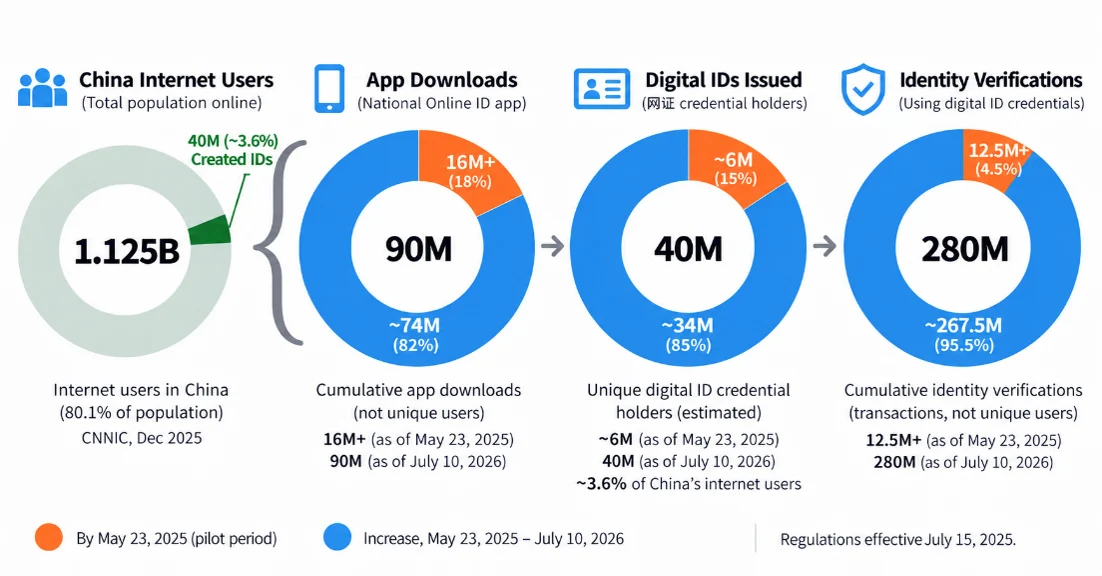
According to data from the China Internet Network Information Center (CNNIC), as of late 2023, China’s internet user base reached 1.09 billion people. With internet penetration exceeding 77%, the impact of digital harm has become a mainstream social concern. Internal surveys from various Chinese social media platforms have indicated that nearly 40% of users have encountered some form of online harassment, ranging from mild verbal abuse to severe privacy leaks.
The draft law also addresses the "fan circle" (quanzi) culture and the role of Multi-Channel Networks (MCNs). Article 34 specifically targets MCNs, holding them responsible if the influencers they manage engage in or incite cyberviolence. This is a direct response to the "chaos" often associated with celebrity fandoms, where organized groups of users launch coordinated attacks against rivals.
Penalties and Accountability
The draft law establishes a tiered system of penalties for both individuals and service providers who fail to comply with the new regulations.
- For Platforms: Failure to establish monitoring systems or address cyberviolence information can result in fines ranging from 50,000 to 500,000 RMB. In serious cases, or where corrections are refused, fines can escalate to 2 million RMB, and platforms may face the suspension of operations, closure of websites, or revocation of business licenses. Especially serious consequences can lead to fines as high as 10 million RMB.
- For Individuals: Those who organize or incite cyberviolence face administrative detention and fines under public security management regulations. If the conduct constitutes a crime, such as defamation or infringing on personal information, criminal responsibility will be pursued.
- For Influencers and MCNs: High-impact accounts found inciting violence can be permanently banned, have their monetization features stripped, and be placed on a "seriously untrustworthy entities" list, effectively barring them from the industry.
Broader Implications and Analysis
The Cyberviolence Law represents a significant expansion of the state’s role in mediating digital interactions. By involving the Ministry of Education (Article 28) and the Women’s Federation (Article 7), the law recognizes that cyberviolence is not merely a technical issue but a social one that requires educational and psychological interventions.
From a legal standpoint, the introduction of public interest litigation for cyberviolence is a landmark move. It acknowledges that the harm caused by digital mobs extends beyond the individual victim, affecting the "online ecology" and public morale. By allowing the government to sue on behalf of the public, the law creates a deterrent against "massive-scale" cyberviolence where hundreds or thousands of people participate in a single event, making it impossible for a victim to sue every perpetrator individually.
However, the law also places significant pressure on the tech sector. Smaller platforms may struggle with the costs of implementing AI-driven monitoring and 24/7 manual review teams required by the draft. Furthermore, the requirement for platforms to "store relevant records" and report to the government could raise questions regarding the balance between safety and user privacy.
In conclusion, the Cyberviolence Law of the People’s Republic of China (Draft for Comments) is an ambitious attempt to civilize the digital frontier. By codifying the responsibilities of every stakeholder—from the individual user to the multi-billion dollar platform—the Chinese government seeks to create a "positive online ecology" that adheres to core social values. As the draft moves through the legislative process, its implementation will be closely watched by legal experts and technology firms worldwide as a potential blueprint for how states might manage the darker side of the digital age.

 Reynand Wu
 Nila Kartika Wati