Lina Irawan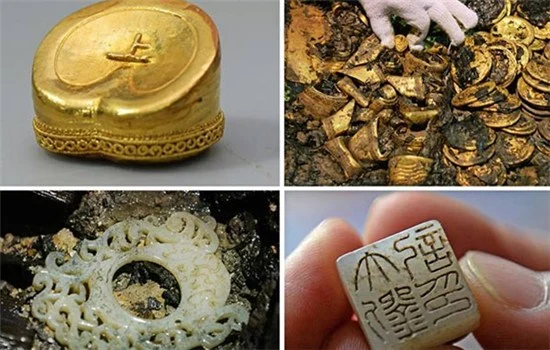
Chinese authorities have officially approved a comprehensive plan to transform the tomb of the Marquis of Haihun into a national-level archaeological relics park, a significant development announced by the site’s management office on Monday. This decision marks a pivotal moment in the preservation and public accessibility of one of China’s most important imperial burial sites, offering an unprecedented window into the Western Han Dynasty. The approved plan signifies a commitment to safeguarding this invaluable historical treasure while fostering greater understanding and appreciation of China’s rich cultural heritage.
A Glimpse into the Western Han Dynasty: The Significance of Haihunhou Tomb
The tomb, located near Nanchang in East China’s Jiangxi province, dates back to the Western Han Dynasty (206 BC – 25 AD). Its discovery and subsequent excavation have been lauded as one of the most significant archaeological finds in recent decades. What sets the Haihunhou tomb apart is its remarkable state of preservation, a rarity for imperial burial sites which have historically been subjected to extensive looting. This integrity allows archaeologists and historians to gain a more accurate and nuanced understanding of burial practices, social hierarchies, and material culture of the era.
The Marquis of Haihun, identified as Liu He, was an emperor for a mere 27 days before being deposed and later exiled to Haihun. Despite his short reign, his tomb is an opulent testament to his status and the wealth of the Western Han period. The sheer volume and quality of artifacts unearthed suggest a life of considerable luxury and power, even in his diminished circumstances. The tomb complex itself is extensive, hinting at the considerable resources dedicated to his final resting place.
The Road to a National Relics Park: A Deliberate and Rigorous Process
The journey from excavation to the establishment of a national-level park has been a carefully orchestrated process, guided by principles of archaeological preservation and scholarly research. Following an initial assessment initiated by the State Administration of Cultural Heritage in March, the park construction plan has now received official approval. This rigorous evaluation process underscores the government’s dedication to ensuring that the development of the park prioritizes the protection of the archaeological integrity of the site.
The planned park will encompass a substantial area of 12.46 square kilometers, designed to meticulously preserve the tomb in its original setting adjacent to Poyang Lake, China’s largest freshwater lake. This strategic location not only offers a picturesque backdrop but also emphasizes the interconnectedness of ancient burial practices with the natural environment. The preservation of the tomb in situ, rather than relocating it, is crucial for maintaining its context and allowing for ongoing, non-invasive research.
A Decade of Discovery: Chronology of the Haihunhou Excavation
The ambitious excavation of the Haihunhou tomb commenced in 2011, marking the beginning of a decade-long endeavor that has yielded extraordinary results. This methodical approach allowed for the careful unearthing and documentation of each artifact and structural element.
- 2011: The excavation of the Haihunhou tomb officially begins. Initial work focuses on identifying the main burial chambers and surrounding structures.
- 2015: Significant breakthroughs are made with the discovery of numerous artifacts, including gold, jade, and bronze items, signaling the immense value of the site.
- January 2016: The remains of Liu He, the Marquis of Haihun, are found within a coffin in an inner chamber. These remains are carefully removed for further scientific study and research.
- Ongoing: The excavation and cataloging of artifacts continue, with over 10,000 items having been unearthed to date. This ongoing process ensures that no detail is overlooked.
- Recent Approval: The plan to develop a national-level archaeological relics park receives official endorsement from Chinese authorities.
A Treasure Trove of Artifacts: Unveiling the Wealth of the Western Han
The excavation of the Haihunhou tomb has unearthed an astonishing array of over 10,000 artifacts, providing an unparalleled glimpse into the material wealth and craftsmanship of the Western Han Dynasty. Among the most notable discoveries are:
- Hoof-shaped ingots and gold cakes: These precious metal objects highlight the economic prosperity and trade networks of the time, serving as both currency and symbols of wealth. The sheer quantity of gold found suggests Liu He’s significant financial standing.
- A jade seal and a jade pendant: These items are indicative of status and power. The intricate carving and quality of the jade speak to the advanced lapidary skills of the period and the importance placed on jade in imperial culture, often associated with immortality and purity.
- Bronze mirrors, lacquerware, and pottery: These artifacts offer insights into the daily life, artistic sensibilities, and technological capabilities of the Han Dynasty. The preservation of organic materials like lacquerware is particularly rare and provides invaluable information.
- Hundreds of bronze coins: These provide direct evidence of the currency in circulation during the Western Han period and can be used for precise dating of different parts of the tomb.
- Weapons and chariot parts: These findings suggest that the tomb was intended to equip the Marquis for an afterlife journey, reflecting beliefs about the continuation of status and power beyond death.
The diversity and richness of these artifacts are crucial for reconstructing the social, economic, and political landscape of the Western Han Dynasty. Each item tells a story, contributing to a more comprehensive understanding of this pivotal period in Chinese history.
Official Statements and Future Vision: A Commitment to Heritage
The approval of the national-level archaeological relics park plan has been met with enthusiasm from cultural heritage officials and archaeologists. While direct quotes from specific officials involved in the park’s development are not yet publicly available, the decision itself speaks volumes about the government’s commitment to heritage preservation.
The designation as a national-level park implies a significant investment in infrastructure, research facilities, and public engagement programs. It signals an intent to elevate the site’s status beyond a mere excavation area to a prominent cultural destination. This move is expected to facilitate more in-depth academic research, allow for the controlled display of artifacts, and provide educational opportunities for the public, both domestic and international.
The management office’s announcement on Monday is a clear indication of the forward-looking approach being taken. The focus is not just on the excavation, but on the long-term stewardship and interpretation of the site. This includes plans for conservation of the unearthed artifacts and the ongoing protection of the tomb complex from environmental factors and potential degradation.
Broader Impact and Implications: Cultural Tourism and Scholarly Advancement
The transformation of the Marquis of Haihun tomb into a national-level archaeological relics park is poised to have far-reaching implications.
- Cultural Tourism: The park is expected to become a major tourist attraction, drawing visitors interested in Chinese history and archaeology. This influx of tourism can stimulate local economic development, creating jobs and opportunities in Nanchang and the surrounding Jiangxi province. Careful planning will be essential to balance tourism demands with the need for site preservation.
- Scholarly Research: With enhanced facilities and a protected environment, the Haihunhou tomb will continue to be a focal point for archaeological and historical research. The detailed study of the artifacts and the tomb’s layout will undoubtedly lead to new discoveries and a deeper understanding of the Western Han Dynasty. This research can inform academic discourse and rewrite aspects of historical understanding.
- Public Education and Awareness: The park will serve as a vital educational tool, offering the public an engaging and accessible way to learn about ancient China. Interpretive centers, exhibitions, and educational programs can foster a greater appreciation for cultural heritage among younger generations and the wider populace.
- International Collaboration: As a site of global historical significance, the Haihunhou tomb may also become a platform for international collaboration in archaeology, conservation, and cultural exchange. This can further enhance China’s role in global heritage preservation efforts.
The establishment of the Marquis of Haihun tomb as a national-level archaeological relics park represents a significant step forward in China’s commitment to preserving its invaluable cultural legacy. It promises to unlock further historical insights, boost cultural tourism, and educate future generations about the splendors of the Western Han Dynasty, solidifying its place as a cornerstone of China’s rich historical narrative.

 Asep Darmawan
 Rifan Muazin