Laily UPN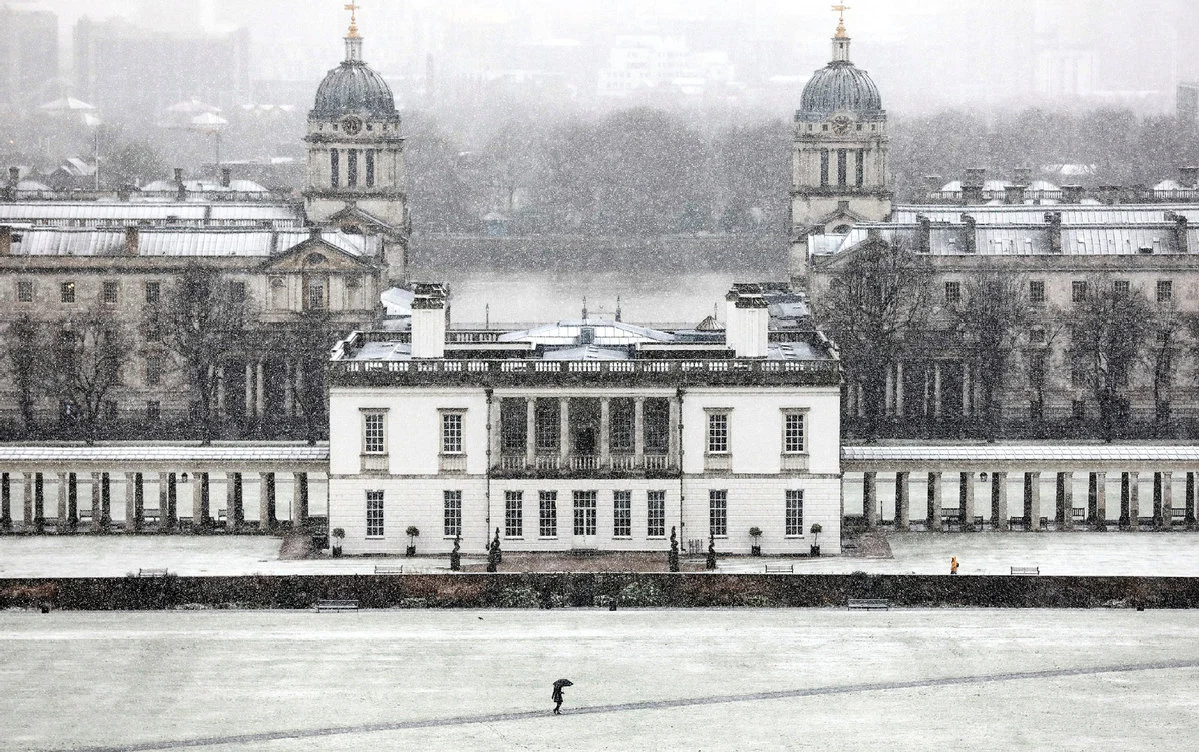
Severe frost, relentless rains, and treacherous icy roads following heavy snowfall plunged large swathes of Britain into widespread travel disruption on Monday, a day swiftly dubbed "Black Ice Monday" by local media. The adverse weather conditions, which began with an amber warning for snow on Sunday, escalated dramatically, leading to significant cancellations across air, sea, and road networks, and leaving thousands of homes without power.
Escalating Weather System Paralyzes National Infrastructure
The impact of the wintry blast was immediate and far-reaching. By Monday morning, the scale of the disruption was evident, with a staggering quarter of flights at London Heathrow Airport, one of Europe’s busiest aviation hubs, being cancelled. This significant reduction in services at Heathrow alone affected tens of thousands of passengers, highlighting the vulnerability of global travel networks to severe weather events. Further compounding the aviation chaos, flights were also suspended at other major airports, including Birmingham and Stansted, forcing airlines to issue advisories for passengers to meticulously check their flight status and allow ample extra time for their journeys.
The maritime sector also bore the brunt of the severe weather. The Port of Calais, a critical gateway for trade and travel between the UK and continental Europe, was forced to close its operations due to the dangerous sea conditions and high winds. This closure not only impacted freight transport, potentially leading to supply chain delays for essential goods, but also disrupted passenger ferry services, stranding holidaymakers and business travellers alike. The closure of such a vital artery underscores the interconnectedness of international logistics and the significant economic repercussions of weather-related disruptions.
A Day of Road Woes and School Closures
The hazardous road conditions presented a significant challenge for motorists across the country. Reports of "black ice" – a dangerous, nearly invisible layer of ice on road surfaces – emerged from numerous regions, transforming everyday commutes into perilous undertakings. Highway England issued urgent advice to drivers, urging them to consult weather forecasts before embarking on any journeys and to equip their vehicles with essential supplies. Recommendations included carrying "warm clothing, food, drink… and a torch," a stark indicator of the anticipated severity of the conditions and the potential for prolonged delays or breakdowns.
The perilous state of the roads and the general adverse weather forced hundreds of schools to close their doors for the day. This decision, while necessary for the safety of students and staff, had a ripple effect on families, many of whom had to make last-minute arrangements for childcare. Educational institutions, particularly in more rural or exposed areas, often face greater challenges in maintaining accessibility during severe weather events. The closures also meant a disruption to the learning schedule for many students, adding to the overall impact of the weather event.
Falling Temperatures and Widespread Power Cuts
As temperatures plummeted overnight, reaching as low as -12 degrees Celsius in some rural areas, the Met Office, the UK’s national weather service, issued a yellow warning for ice across significant portions of central England and Wales. This warning indicated a risk of icy surfaces, which could lead to further travel disruption and potential injuries. The juxtaposition of heavy snowfall and subsequent freezing temperatures created a particularly hazardous environment, as residual moisture on surfaces froze, forming the treacherous black ice.
The power infrastructure also proved vulnerable to the combined forces of heavy snow and high winds. Power suppliers reported that more than 140,000 homes had lost electricity on Sunday as the storm system intensified. While efforts were underway to restore power, several thousand households remained cut off on Monday, facing a cold and dark spell. This highlights the ongoing challenge of maintaining a resilient power grid in the face of increasingly extreme weather events, a concern that is gaining prominence globally.
A Timeline of the Weather’s Grip
The severe weather event unfolded over a period of several days, with the most intense impacts felt on Sunday and Monday.
Saturday Evening: Initial forecasts from the Met Office indicated a significant weather system approaching the UK, with predictions of heavy snowfall and strong winds.
Sunday Morning: An amber warning of snow came into force at 4 am (UTC), specifically affecting Wales, the Midlands, and parts of northern and eastern England. This elevated warning signalled a greater likelihood of disruption and potential danger. Heavy snowfall began in earnest across these regions, accompanied by strong gusts of wind.
Sunday Afternoon/Evening: The accumulation of snow intensified, leading to the first reports of travel difficulties and school closures. High winds contributed to power outages, with reports of tens of thousands of homes losing electricity.
Monday Morning: The full force of the "Black Ice Monday" disruption became apparent. Freezing temperatures following the snowfall created widespread black ice on roads. Heathrow Airport announced significant flight cancellations, and the Port of Calais was closed. Hundreds more schools were forced to close.
Monday Afternoon: Efforts to clear roads and restore power continued, but many areas remained under adverse weather conditions. The Met Office continued to issue warnings for ice and further snowfall.
Tuesday: The Met Office indicated that the snow and ice were expected to continue affecting parts of the UK, suggesting that the widespread disruption might persist for another day.
Official Responses and Public Guidance
In response to the escalating crisis, various official bodies and agencies issued statements and advisories to the public. The Met Office provided continuous updates on weather patterns and issued warnings to alert people to potential dangers. Their advice, focused on preparedness and caution, aimed to mitigate the risks associated with the severe conditions.
National Highways (formerly Highways England) played a crucial role in advising motorists. Their proactive communication about checking forecasts and carrying essential supplies demonstrated an understanding of the potential for prolonged disruptions and the need for self-sufficiency. The emphasis on preparing for the worst, including provisions for staying warm and visible in the dark, underscored the seriousness of the situation.
Local authorities and emergency services worked to manage the immediate impacts, coordinating efforts to clear roads where possible and respond to emergency calls. The decision to close schools was a collective one, made by local education authorities and individual school trusts based on safety assessments.
Broader Implications and Future Considerations
The "Black Ice Monday" event serves as a stark reminder of the UK’s susceptibility to severe weather and the cascading effects these events can have on national infrastructure and daily life. The widespread travel disruption, impacting air, sea, and road networks, highlights the need for robust contingency planning and resilient infrastructure.
The significant number of power outages points to the vulnerability of energy networks to extreme weather. As climate change is predicted to increase the frequency and intensity of such events, investment in strengthening power grids and ensuring their ability to withstand severe conditions will become increasingly crucial. This could involve undergrounding power lines in vulnerable areas, improving insulation of infrastructure, and developing more sophisticated early warning systems.
The economic cost of such widespread disruption is also considerable. Flight cancellations lead to lost revenue for airlines and impact businesses reliant on timely deliveries. Port closures affect trade flows, and the cost of emergency services, road clearance, and power restoration adds to the overall financial burden.
Furthermore, the event underscores the importance of public awareness and preparedness. Education campaigns on how to prepare for severe weather, including having emergency kits and understanding travel advisories, can help individuals and families mitigate risks and reduce the strain on emergency services. The experience of "Black Ice Monday" will likely prompt further discussions and investments in climate resilience strategies across the UK, aiming to build a more robust and prepared nation for the challenges posed by a changing climate. The collective experience of navigating such widespread disruption also fosters a sense of community and shared responsibility in responding to such natural challenges.


 Nana Wu
 Suro Senen