Azzam Bilal Chamdy
The 10th Chinese Bridge Chinese Proficiency Competition for Foreign Secondary School Students, a flagship event organized by the Confucius Institute Headquarters (Hanban) in Beijing, recently concluded its vibrant proceedings in the picturesque province of Yunnan, Southwest China. This year’s edition, held in October, marked a significant milestone in the decade-long history of this particular competition, underscoring the growing global interest in the Chinese language and culture among younger learners. The Chinese Bridge contests, in their entirety, represent a comprehensive global initiative to foster linguistic and cultural exchange, with three distinct annual competitions catering to foreign college students, foreign secondary school students, and other foreign learners worldwide.
Genesis and Evolution of a Global Chinese Language Showcase
The inaugural Chinese Bridge competition for foreign college students was first held in 2002, a testament to China’s increasing engagement with the international community and a proactive step towards promoting its language. The success and burgeoning popularity of this initial endeavor led to a strategic expansion. In 2008, recognizing the vast potential and interest among younger demographics, the competition was thoughtfully broadened to encompass foreign high school students. This marked the genesis of the competition specifically for secondary school students, the 10th iteration of which has just celebrated its success. The inclusivity of the program continued to grow, and by 2014, the scope was further widened to include a broader spectrum of foreign Chinese language enthusiasts, acknowledging the diverse pathways through which individuals engage with the language.
Over its ten-year span, the Chinese Bridge Chinese Proficiency Competition for Foreign Secondary School Students has witnessed an impressive surge in participation. An estimated 3,000 contestants hailing from 107 countries have had the opportunity to showcase their linguistic prowess and cultural understanding on this prestigious platform. The growth in geographical representation is particularly striking. The number of participating countries has escalated dramatically, from a modest 24 in 2008, the competition’s inaugural year for secondary school students, to an impressive 96 countries in the current year. This exponential increase highlights the deepening integration of Chinese language education into secondary school curricula globally. Furthermore, this year saw an encouraging 14 countries participating for the very first time, signaling the ever-expanding reach and appeal of the Chinese Bridge program. In total, 320 teachers and students, representing 110 overseas preliminary competitions, converged in Yunnan to demonstrate their capabilities, a testament to the robust network of Confucius Institutes and affiliated organizations worldwide that facilitate these preliminary rounds.
A Multifaceted Assessment of Proficiency and Cultural Acumen
The Chinese Bridge competition is meticulously designed to be more than just a test of linguistic fluency. It aims to assess a holistic understanding of the Chinese language and its rich cultural tapestry. Contestants are evaluated on their Chinese proficiency, which encompasses not only their ability to speak, read, and write the language but also their comprehension and application in various contexts. Beyond language skills, a significant component of the evaluation involves testing contestants’ knowledge about China, its history, geography, societal developments, and contemporary issues. This ensures that participants develop a well-rounded perspective, moving beyond mere linguistic acquisition to a deeper appreciation of the nation itself.
The understanding of Chinese culture is equally paramount. This aspect is probed through diverse methods, encouraging participants to engage with various facets of Chinese heritage. The competition’s structure often includes elements that require contestants to demonstrate their grasp of traditional values, artistic expressions, and social customs. This multi-dimensional approach ensures that winners are not only adept linguists but also informed and sensitive cultural ambassadors.
Experiential Learning: Immersing in Chinese Life and Traditions
A distinctive feature of the Chinese Bridge competition is its emphasis on experiential learning. Contestants are not confined to the sterile environment of a testing hall; instead, they are actively invited to immerse themselves in authentic Chinese experiences. This often involves visits to Chinese enterprises, providing insights into the country’s economic landscape and business practices. Interactions with local communities offer a glimpse into the daily lives of ordinary Chinese citizens, fostering genuine connections and understanding.
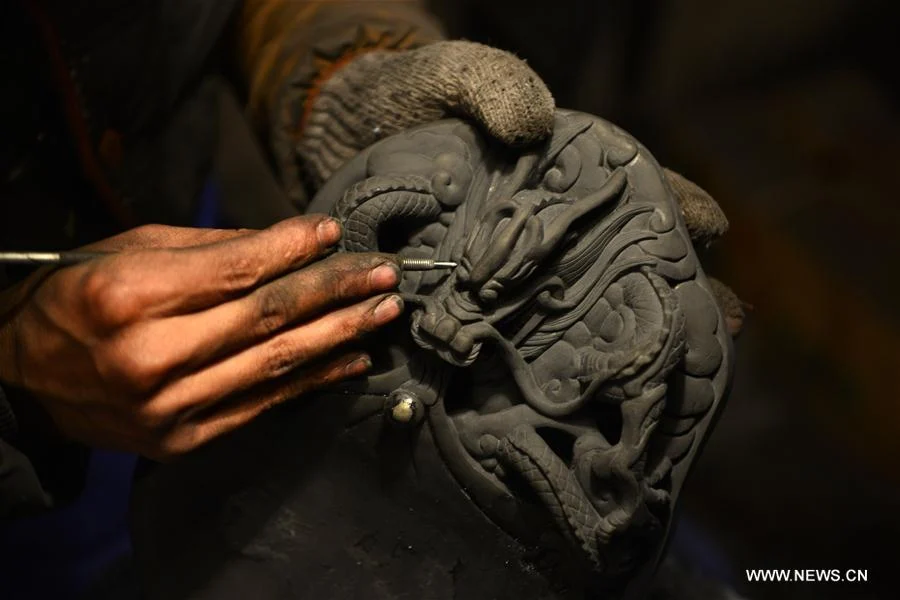
Moreover, participants are often welcomed into Chinese families, providing an intimate and personal perspective on family values and traditions. These interactions are crucial in breaking down cultural barriers and fostering mutual respect. The program also actively encourages participation in Chinese customs and folk arts. Activities such as paper cutting, a delicate and intricate art form, and pottery making, a craft with ancient roots, allow contestants to engage directly with tangible elements of Chinese heritage. These hands-on experiences not only enhance their understanding of Chinese culture but also provide memorable and enriching moments during their time in China.
Innovative Challenges: Bridging Classics and Contemporary Themes
This year’s competition in Yunnan presented a particularly innovative challenge for the secondary school students. Contestants were tasked with performing a theatrical piece centered on the theme of entrepreneurship, creatively adapted from the epic narrative of "Romance of the Three Kingdoms." This classic Chinese novel, one of the "four great classical novels," is renowned for its intricate plots, complex characters, and strategic maneuvers. By weaving the contemporary concept of entrepreneurship into this historical framework, the competition encouraged contestants to think critically about leadership, strategy, and innovation through a culturally relevant lens. This approach allowed them to demonstrate not only their language skills but also their analytical abilities and creative interpretation of classic literature in a modern context.
The diversity of talents showcased extended beyond theatrical performance. Many contestants astounded judges and audiences alike with their proficiencies in other traditional Chinese arts and disciplines. This included the elegant strokes of calligraphy, the expressive brushwork of Chinese painting, the breathtaking agility of acrobatics, the disciplined power of kung fu, and the harmonious melodies produced by playing traditional Chinese musical instruments. These demonstrations underscored the breadth of talent and the diverse interests that the Chinese Bridge competition inspires among young learners globally.
Broader Implications and Future Outlook
The sustained success and continuous expansion of the Chinese Bridge Chinese Proficiency Competition, particularly for secondary school students, carry significant implications for global Chinese language education and intercultural understanding. The increasing number of participating countries and the growing volume of contestants directly correlate with the rising global demand for Chinese language proficiency. This demand is driven by a confluence of factors, including China’s growing economic influence, its expanding role in international affairs, and the increasing availability of Chinese language learning resources and programs worldwide, often facilitated by institutions like the Confucius Institutes.
The competition serves as a powerful catalyst for cultivating future generations of individuals who are not only fluent in Mandarin but also possess a deep appreciation for Chinese culture. These individuals are poised to become vital bridges in fostering stronger diplomatic, economic, and cultural ties between China and their respective nations. The program’s success can be seen as a model for other countries seeking to promote their languages and cultures on a global scale, demonstrating the efficacy of a well-structured, engaging, and culturally immersive approach.
Furthermore, the competition plays a crucial role in demystifying China for young people. By providing firsthand experiences of Chinese life, traditions, and people, it helps to foster a more nuanced and accurate understanding, moving beyond stereotypes and superficial perceptions. This direct engagement is invaluable in building genuine cross-cultural empathy and respect, which are increasingly essential in our interconnected world.
Looking ahead, the trajectory of the Chinese Bridge competition suggests a continued growth in its influence. As China’s global engagement deepens, the demand for Mandarin speakers with a strong cultural understanding is likely to intensify. The competition, with its proven track record and ever-evolving format, is well-positioned to continue playing a pivotal role in nurturing this talent pool and fostering a new generation of global citizens equipped to navigate and contribute to a world shaped by China’s growing presence. The success in Yunnan is not merely a celebration of linguistic achievement but a significant indicator of the enduring power of language and culture to connect people and build bridges across continents.

 Asep Darmawan
 Rifan Muazin