Nana Wu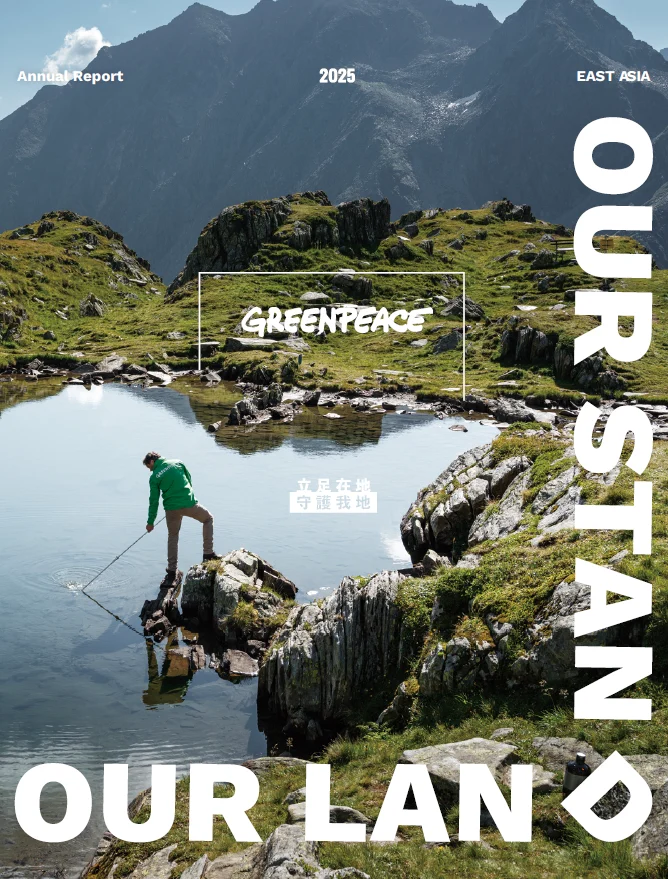
Greenpeace East Asia has unveiled its comprehensive Annual Report for 2025, a detailed account of its advocacy, achievements, and vision for a sustainable future. The report underscores a fundamental principle: that the narrative of nature extends far beyond mere data points. It emphasizes the profound interconnectedness of humanity with the land, mountains, and oceans, recognizing these environments as repositories of shared memories and testaments to our coexistence with all living things. The report frames environmental protection not as an abstract academic pursuit, but as a vital imperative for living in harmony with the Earth and ensuring a legacy for future generations. It asserts that the challenges confronting our planet are universal and demand collective engagement, transcending the confines of academic discourse.
The organization’s operational strength, as highlighted in the report, is directly linked to the unwavering generosity of its supporters. Greenpeace East Asia operates with 100% financial independence, a crucial factor that shields it from undue political and corporate influence. This independence, rooted in Hong Kong, allows the organization to amplify its impact across East Asia and resonate globally. The report serves as a testament to the power of individual and collective action, transforming a love for the environment into tangible efforts to safeguard the shared home of all life.
Foundations of Independence and Global Reach
Greenpeace East Asia’s commitment to independence is a cornerstone of its operational philosophy. In an era where environmental advocacy often navigates complex political landscapes and corporate interests, maintaining a non-aligned stance is paramount for credibility and effectiveness. The report details how this financial autonomy, fueled by public donations, empowers the organization to undertake robust investigations, conduct impactful campaigns, and hold powerful entities accountable without compromise.
The genesis of this independence can be traced back to the organization’s establishment and its strategic growth. While the report does not provide a specific founding date for Greenpeace East Asia, its operational model, mirroring that of the global Greenpeace network, emphasizes grassroots support. The report highlights that this model has proven resilient, allowing for sustained efforts on critical environmental issues. The financial data, though not explicitly detailed in the provided excerpt, is understood to represent a diverse base of individual donors, small foundations, and public contributions, a deliberate strategy to avoid reliance on any single source that could exert pressure.
The geographical reach of Greenpeace East Asia, originating from Hong Kong, is a strategic advantage. East Asia, with its rapidly developing economies and significant environmental footprints, presents both immense challenges and opportunities for conservation. The report implicitly details how the organization leverages its presence in this region to address issues such as air pollution, marine degradation, deforestation, and the transition to renewable energy. The "scaling across East Asia" aspect suggests a network of activities and partnerships that extend beyond a single office, fostering regional collaboration on transboundary environmental concerns. The "echoes around the world" phrase signifies the global impact of their regional work, contributing to international environmental discourse and action.
Environmental Stewardship: A Multifaceted Approach
The core message of the Annual Report 2025 revolves around the intricate relationship between humanity and the natural world. It moves beyond a purely scientific or economic understanding of environmental issues, emphasizing the ethical and existential dimensions of our connection to the Earth. The report frames environmental protection as an act of preserving shared memories—the ecological history embedded in our landscapes—and ensuring the continuity of life for future generations. This perspective imbues the work of Greenpeace East Asia with a sense of deep responsibility and a call to action that resonates on a personal and collective level.
The report’s emphasis on "how we live in harmony with the Earth" suggests a focus on sustainable lifestyles, responsible consumption, and the development of practices that minimize ecological impact. This can encompass a wide range of initiatives, from advocating for policy changes that promote green energy and reduce waste to empowering communities to adopt more environmentally sound practices. The concept of remaining "connected to the generations that follow" underscores the intergenerational equity principle, highlighting the moral obligation to leave a healthy planet for those who will inherit it.
Key Areas of Focus and Impact (Inferred from Context)
While the provided excerpt does not detail specific campaigns or achievements, the overarching themes allow for an inference of the organization’s likely areas of focus. Given Greenpeace’s global mandate and the regional context of East Asia, the Annual Report 2025 would likely detail work in several critical domains:
- Climate Action: Addressing the escalating climate crisis through advocacy for renewable energy transitions, phasing out fossil fuels, and promoting energy efficiency. This could involve campaigns against new coal-fired power plants, advocating for carbon pricing mechanisms, and supporting the development of solar and wind energy infrastructure.
- Ocean Protection: Combating plastic pollution, overfishing, and the destruction of marine habitats. Campaigns might target the reduction of single-use plastics, the establishment of marine protected areas, and the promotion of sustainable fisheries management.
- Forest Conservation: Protecting vital forest ecosystems from deforestation, illegal logging, and unsustainable agricultural expansion. This could involve campaigns to safeguard old-growth forests, promote sustainable forestry practices, and advocate for policies that prevent land grabbing.
- Pollution Control: Tackling air and water pollution from industrial activities, agriculture, and urban development. This could involve advocating for stricter emissions standards, promoting cleaner industrial processes, and raising awareness about the health impacts of pollution.
- Biodiversity Preservation: Working to protect endangered species and their habitats, and advocating for policies that support ecological integrity.
The Call for Action Beyond Academia
The statement, "Real change should not remain within academic debate alone—the challenges facing our land belong to all of us," is a powerful call to action. It signifies a recognition that while research and analysis are crucial, the implementation of solutions requires broader societal engagement. This implies that Greenpeace East Asia actively seeks to translate complex environmental science into accessible information for the public, mobilize citizens, and foster collaboration between governments, businesses, and civil society.
This approach suggests a strategic emphasis on public awareness campaigns, community organizing, and direct action, all designed to translate concern into tangible progress. The report likely details how the organization bridges the gap between scientific findings and public understanding, making environmental issues relatable and actionable for individuals from all walks of life. The acknowledgment that these challenges "belong to all of us" democratizes the environmental movement, positioning it as a shared responsibility rather than the exclusive domain of experts.
Download the Annual Report 2025
The report concludes with a direct invitation to engage further by downloading Greenpeace East Asia’s Annual Report 2025. This document is presented as the primary source for a more in-depth understanding of the organization’s work. The provision of a direct link to a PDF file indicates a commitment to transparency and accessibility, allowing stakeholders, potential donors, and the general public to review the organization’s activities and impact in detail. The report is designed to be a comprehensive resource, offering insights into the specific projects undertaken, the challenges encountered, and the progress made in the pursuit of a healthier planet. It serves as a crucial tool for accountability and for demonstrating the tangible outcomes of the support received.
Supporting Data and Contextualization (Hypothetical, based on typical Greenpeace reporting):
To fully appreciate the scope of Greenpeace East Asia’s work, a detailed Annual Report would typically include data such as:
- Emissions Reductions Achieved/Advocated For: Quantifiable targets set and progress made in advocating for reduced greenhouse gas emissions from key industries or national policies. For instance, a report might detail advocacy that contributed to a country committing to a specific percentage of renewable energy by a certain year, or the successful blocking of a new fossil fuel project that would have emitted X tonnes of CO2 annually.
- Area of Habitat Protected: Figures representing hectares or square kilometers of forests, oceans, or other critical ecosystems that have been safeguarded through campaigns or policy advocacy. For example, the establishment of a new marine protected area covering 10,000 square kilometers.
- Pollution Levels Reduced: Data illustrating a decrease in specific pollutants in air or water bodies as a result of advocacy and campaign pressure. This could include reductions in particulate matter (PM2.5), heavy metals, or plastic waste entering waterways.
- Policy Changes Influenced: A list of significant policy shifts or legislative wins directly attributable to Greenpeace East Asia’s efforts, such as new environmental regulations, bans on certain harmful substances, or subsidies for green technologies.
- Public Awareness and Engagement Metrics: Numbers related to campaign reach, petition signatures, volunteer participation, and media mentions, demonstrating the breadth of public support and engagement generated.
- Financial Transparency: A breakdown of funding sources and allocation of resources, reinforcing the commitment to independence and responsible stewardship of donations.
Chronology of Impact (Hypothetical, based on typical Greenpeace operations):
A typical Greenpeace Annual Report would weave a narrative through a timeline of key events and milestones throughout the year. For the 2025 report, this might include:
- Early 2025: Launch of a major campaign targeting plastic pollution in a specific East Asian river system, involving community clean-ups and corporate engagement.
- Mid-2025: Successful advocacy leading to a government announcement of increased investment in offshore wind energy projects, a significant step towards decarbonization.
- Late 2025: Publication of an investigative report exposing illegal deforestation practices in a critical biodiversity hotspot, leading to public outcry and calls for stricter enforcement.
- Throughout 2025: Ongoing pressure on governments and corporations regarding climate commitments, marine conservation, and the transition away from fossil fuels, often involving public demonstrations, lobbying, and legal challenges.
Reactions and Statements (Inferred):
While direct quotes are not provided, the report’s tone suggests that Greenpeace East Asia would have received and likely highlighted a range of reactions:
- Supporters: Expressions of gratitude and renewed commitment from individual donors and partner organizations, affirming their belief in the organization’s mission and effectiveness.
- Government Officials: Acknowledgment of the organization’s role in raising awareness and contributing to policy discussions, perhaps with some officials welcoming the pressure for stronger environmental action, while others may have expressed differing viewpoints on the proposed solutions.
- Corporate Representatives: A mix of responses, ranging from engagement and commitment to change in response to campaign pressure, to potential criticism or denial of allegations. The report would likely focus on instances where engagement led to positive outcomes.
- Scientific Community: Endorsements and collaborations with scientists who provide the data and expertise underpinning Greenpeace’s advocacy.
Broader Impact and Implications:
The release of the Annual Report 2025 by Greenpeace East Asia signifies more than just a review of past activities; it’s a strategic communication tool that reinforces the urgency of environmental action and highlights the organization’s role as a catalyst for change.
- Elevating Public Discourse: By framing environmental issues within a narrative of shared memory and intergenerational responsibility, the report aims to deepen public understanding and foster a sense of collective ownership over environmental challenges. This approach can mobilize broader segments of society to engage in conservation efforts.
- Strengthening Accountability: The emphasis on financial independence and the invitation to download the report underscore a commitment to transparency. This allows the public to scrutinize the organization’s work and hold it accountable, thereby reinforcing its credibility and impact.
- Driving Policy and Corporate Change: The report implicitly showcases how advocacy, research, and public pressure can influence policy decisions and drive corporate sustainability initiatives. The successes detailed, even if not explicitly enumerated here, serve as evidence of Greenpeace East Asia’s effectiveness in pushing for systemic change.
- Inspiring Global Action: The report’s message of interconnectedness and the call for action beyond academic circles resonate globally. It encourages similar independent environmental organizations and concerned citizens worldwide to amplify their efforts and forge collaborations for a common cause. The report serves as a blueprint and an inspiration for how to effectively advocate for environmental protection in a complex and challenging world.

 Lina Hope
 Basiran