Pevita Pearce
The highly anticipated arrival of DaDong, a renowned Beijing-based culinary institution celebrated for its exquisite roast Peking duck, marks a significant moment in New York City’s vibrant gastronomic landscape. The acclaimed restaurant chain, founded by Chef Dong Zhenxiang, is set to open its first international flagship location in Manhattan on Monday, December 11, 2017. This expansion represents a strategic move to introduce authentic Peking duck and a unique "artistic conception of Chinese cuisine," known as yijing, to a global audience, aiming to replicate the culinary excellence and cultural immersion that has defined DaDong in China for over three decades.
A Culinary Vision Rooted in Authenticity and Texture
At the heart of DaDong’s philosophy is an unwavering commitment to the perfect roast Peking duck, with a particular emphasis on achieving an unparalleled texture. Chef Dong Zhenxiang, a visionary in modern Chinese gastronomy, has dedicated years to sourcing and developing the ideal bird. "The most important thing is to find and develop a type of bird as similar as possible to the birds we use in China," Dong explained, highlighting the specific characteristics of the ducks favored by DaDong: thin skin and less fatty meat, crucial for achieving the signature combination of crispy skin and succulent, tender flesh.
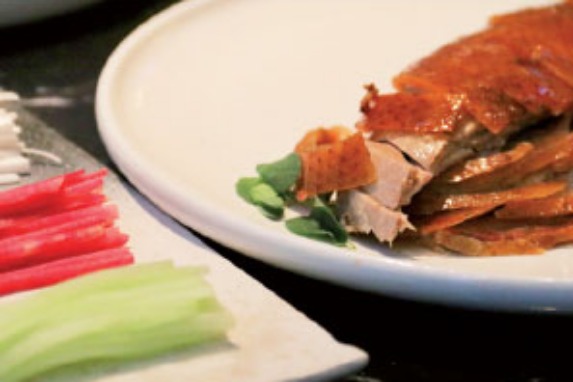
This pursuit of authenticity has led DaDong to the American heartland. For two years, Chef Dong collaborated with Maple Leaf Farms in Milford, Indiana, to cultivate specialized duck breeds and to engineer a unique oven capable of reaching temperatures of 600 degrees Fahrenheit. While DaDong’s kitchens in China traditionally utilize wood-fired ovens, a critical adaptation for the New York location, situated on 42nd Street near Bryant Park, was necessary due to local fire codes. This innovative oven design aims to replicate the intense heat and roasting process essential for the duck’s signature crispiness, even without traditional wood fire.
Grand Debut in a Prime Manhattan Location
The DaDong New York outpost is poised to be a landmark dining destination. Occupying a substantial three-story, 12,932-square-foot space within The Cube Building, the restaurant boasts sophisticated design by George Wong Design. The venue is designed to offer a multi-faceted dining experience, featuring an expansive 3,785-square-foot outdoor garden on the second floor and an 858-square-foot outdoor terrace on the third. These outdoor spaces provide diners with unique opportunities to enjoy their meals amidst the bustling energy of New York City. With a total capacity to accommodate over 400 guests, DaDong is prepared to cater to both intimate gatherings and larger celebrations.
The immense anticipation surrounding DaDong’s opening was palpable even before its doors officially welcomed diners. When reservations were first opened in October, an astonishing 2,500 individuals attempted to secure a table within a mere two-hour window, underscoring the global demand for DaDong’s culinary artistry. As of early December, prime dining slots were already fully booked through the end of February, a testament to the restaurant’s immediate impact and the high expectations of New York’s discerning food enthusiasts.

The DaDong Experience: Beyond the Duck
While the roast Peking duck is undoubtedly the star attraction, DaDong offers a holistic dining experience that transcends mere culinary indulgence. The restaurant’s signature dish, known as Subuni – signifying "crispy, not greasy" – will be available for $98 per whole duck, with half a duck priced at $58. However, patrons are not just paying for the exceptional food; they are investing in DaDong’s distinctive "artistic conception of Chinese cuisine," or yijing.
Yijing cuisine is a philosophical approach to dining that integrates Chinese cultural elements into every dish. This concept manifests through the incorporation of motifs from classical Chinese arts such as poetry, literature, painting, and even the delicate art of bonsai grooming. Each plate is designed to be a visual and intellectual delight, inviting diners to engage with the dish on a deeper, more contemplative level. This unique positioning differentiates DaDong from other establishments that may offer Peking duck but lack this profound cultural and artistic dimension.
Architectural and Artistic Harmony
The interior design of DaDong New York mirrors the aesthetic sensibilities of its Beijing counterparts, employing modern techniques to evoke the serene and evocative mood of traditional Chinese ink wash paintings. This artistic vision extends to the inspiration drawn from the Suzhou Museum, a masterpiece of modern architecture designed by the legendary I. M. Pei. The design aims to create an atmosphere that is both contemporary and steeped in classical Chinese elegance.

Furthermore, the restaurant’s ambiance is enriched by the inclusion of classical Chinese poetry, specifically the works of Tao Yuanming (365-427 AD). These verses are strategically presented to evoke the spirit of ancient Chinese literati and officials, symbolizing a noble and refined pursuit of life and art. Chef Dong envisions this as a way to transport diners to a realm of refined appreciation, connecting them to China’s rich cultural heritage.
"I hope our New York customers could have a modern but classical dining experience at our restaurant," Dong stated, expressing his desire to offer a multi-sensory journey. The restaurant is also fortunate to have a team of five experienced chefs who have relocated from China to helm the New York kitchen, ensuring the fidelity of the culinary techniques and flavors.
A Curated Menu for a New Audience
The menu at DaDong New York is a carefully curated selection, featuring 80 dishes chosen from DaDong’s extensive repertoire of over 200 offerings in China. While the essence of each dish remains true to its origin, slight adjustments have been made to cater to the palate of New York diners, striking a balance between tradition and local preference. In addition to its culinary offerings, DaDong New York will showcase a distinguished selection of five different brands of baijiu, China’s national spirit, including prestigious labels like Maotai and Lu Zhou Lao Jiao, further enhancing the authentic Chinese dining experience.

Andy Xu, the executive chef of DaDong New York, brings a wealth of experience from esteemed New York kitchens, including Cru. He articulates DaDong’s mission with clarity: "The traditional Chinese Beijing food is what DaDong represents; hopefully, we will educate the New York clientele to understand it with a New York-style service to help them enjoy the traditional Chinese food as well as enjoy the environment in New York." This approach signifies a commitment to not only deliver authentic flavors but also to provide exceptional service that resonates with New York’s cosmopolitan diners.
Broader Implications for Chinese Cuisine in the US
The arrival of DaDong in New York is more than just the opening of a new restaurant; it represents a significant milestone in the global expansion of high-end Chinese cuisine. For years, Chinese food in the United States has often been characterized by Americanized versions or more casual dining experiences. DaDong’s entry, with its emphasis on authenticity, refined presentation, and cultural depth, has the potential to elevate the perception and appreciation of traditional Chinese culinary arts among a wider, more sophisticated audience.
The success of DaDong could pave the way for other premium Chinese restaurants to explore international markets, encouraging a greater diversity of authentic regional Chinese cuisines to be presented on the global stage. Furthermore, the restaurant’s focus on yijing cuisine offers a unique model for cultural exchange, demonstrating how food can be a powerful medium for storytelling and artistic expression.

The investment in a high-profile Manhattan location, coupled with the significant pre-opening demand, signals a strong market appetite for such an offering. The challenges of replicating authentic flavors and textures in a new environment, particularly with regulatory constraints, have been met with innovation and dedication. The integration of Chinese culinary talent with local operational expertise, as exemplified by Chef Andy Xu, is crucial for bridging cultural nuances and ensuring a seamless dining experience.
As DaDong embarks on its New York journey, it carries the weight of expectation from both its established clientele and the eagerly awaiting New York food scene. Its success will not only be measured by the crispiness of its duck skin or the elegance of its décor, but also by its ability to foster a deeper understanding and appreciation for the rich tapestry of Chinese culinary heritage in one of the world’s most dynamic cities. The long wait is over, and the stage is set for DaDong to redefine the Peking duck experience in America.


 Nana Wu
 Suro Senen