Siti Muinah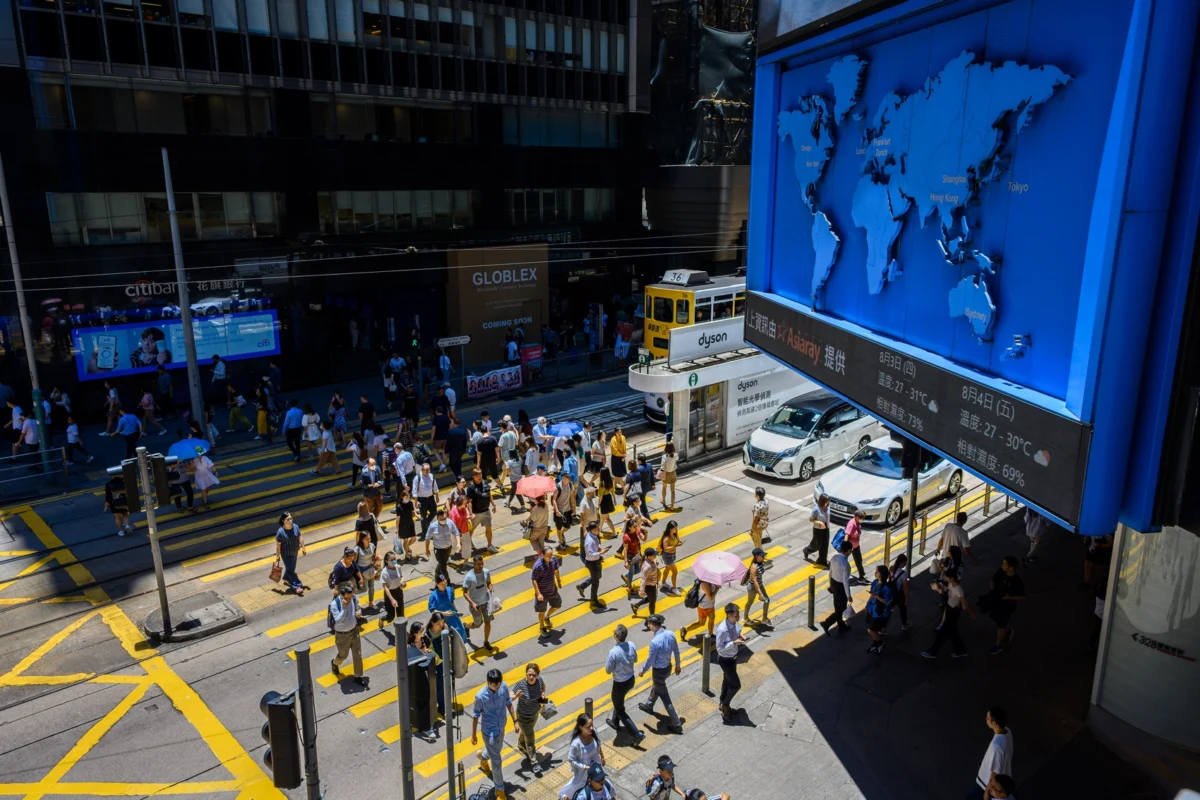
Hong Kong’s Transport Department is poised to significantly reduce pedestrian waiting times at crosswalks by up to 20 seconds through the implementation of an advanced artificial intelligence (AI)-powered traffic light system. This innovative technology, designed to dynamically optimize traffic flow, is slated for its initial rollout at a busy junction in Causeway Bay in the first quarter of 2027. The initiative marks a significant step forward in Hong Kong’s ongoing efforts to leverage cutting-edge technology for enhanced urban mobility and administrative efficiency.
The AI system operates by continuously monitoring real-time vehicle and pedestrian traffic volumes. Based on this data, it intelligently calculates and adjusts signal timings to allocate optimal "green time" for different road users. The Transport Department has stated that this adaptive approach is expected to yield a noticeable improvement in pedestrian convenience, directly addressing a common urban frustration: prolonged waiting at traffic signals. This upgrade is not merely about shaving off seconds; it represents a broader commitment to creating a more responsive and user-friendly urban environment.

Beyond traffic management, the Transport Department is also embracing AI to revolutionize its administrative processes. A new AI-powered system for license approvals is set to launch by the end of the year, utilizing large language model technology to automate the verification of online vehicle license renewal applications. This move aims to drastically cut down processing times, from the current 10 days to a mere single day for many applications. Furthermore, the department is exploring the development of a comprehensive AI-driven traffic management platform capable of proactively identifying traffic bottlenecks and formulating contingency plans for special road conditions, signaling a shift towards predictive and proactive urban planning.
Smart Traffic Signals: A Glimpse into the Future of Urban Mobility
The Smart Traffic Signals initiative will commence at the intersection of Gloucester Road and Great George Street, a location chosen for its high traffic volume and significant pedestrian activity, particularly its proximity to Victoria Park in Causeway Bay. This junction is characterized by its "high vehicular and pedestrian flows and high variations," making it an ideal testing ground for the AI system’s ability to adapt to complex and fluctuating traffic patterns. The department plans to progressively roll out this technology to approximately 50 intersections across the city in a phased approach, ensuring a systematic and effective integration.

The core functionality of the AI traffic light system lies in its predictive and adaptive capabilities. Unlike traditional traffic signals that operate on fixed timers or simple loop detectors, this AI system can analyze patterns, anticipate surges in traffic, and dynamically reallocate signal phases. For instance, if a large group of pedestrians is detected approaching a crosswalk, the system can prioritize their crossing by extending the pedestrian signal, even if it means slightly adjusting the vehicle signal timing. Conversely, during periods of low pedestrian activity, more green light time can be allocated to vehicles, thus improving overall traffic flow and reducing congestion.
This real-time adjustment capability is crucial in a dynamic urban environment like Hong Kong, where traffic conditions can change rapidly due to events, weather, or simply peak hour surges. The projected reduction of 15 to 20 seconds in maximum pedestrian waiting time, while seemingly modest, can have a cumulative effect on the daily lives of hundreds of thousands of commuters, improving their overall travel experience and potentially encouraging more walking and public transport usage.
AI Revolutionizes Licensing and Administrative Processes

The integration of AI into administrative tasks promises to streamline bureaucratic processes, enhancing efficiency and user satisfaction. The upcoming AI-powered license approval system for online vehicle license renewals is a prime example. By employing advanced large language models, the system will be capable of automatically recognizing, cross-checking, and verifying application documents. This automation is expected to dramatically reduce the manual workload for departmental staff, freeing them up for more complex tasks and reducing the potential for human error.
The implications for vehicle owners are substantial. The current 10-day processing time for renewals will be slashed to just one day. This expedited service will be particularly beneficial for individuals and businesses reliant on timely license renewals, minimizing disruption and ensuring compliance. The department’s ambitious target is to achieve an automated approval rate of over 90% for online vehicle license renewals, a testament to the confidence placed in the AI system’s accuracy and reliability.
Furthermore, the AI system will extend its capabilities to manage applications for cross-border driving schemes, specifically the Northbound Travel for Hong Kong Vehicles and Southbound Travel for Guangdong Vehicles. These schemes facilitate travel between Guangdong and Hong Kong via the Hong Kong-Zhuhai-Macao Bridge. The AI will aim to automatically approve over 50% of these cross-boundary driving permit applications, shortening the manual processing time by approximately 20%. This will ease cross-border travel, a vital component of the region’s economic and social connectivity.

A History of Technological Integration in Hong Kong’s Transport Sector
Hong Kong has a well-established track record of adopting technology to manage its complex urban infrastructure. In the past, the city has implemented various intelligent transport systems, including electronic road pricing, smart parking solutions, and real-time public transport information systems. The current move towards AI represents an evolution of these efforts, moving from data collection and dissemination to intelligent decision-making and automation.
The focus on AI in traffic management is also a global trend. Cities worldwide are exploring how AI can optimize traffic flow, reduce emissions, and improve road safety. Hong Kong’s proactive approach positions it as a leader in the region for implementing such advanced technologies in its urban planning.

Addressing Challenges and Future Outlook
While the deployment of AI promises significant benefits, the Transport Department will need to address potential challenges. These include ensuring the robustness and security of the AI systems, managing data privacy concerns, and providing adequate training for staff to work alongside these new technologies. The phased rollout approach is a prudent strategy that allows for continuous monitoring, evaluation, and refinement of the AI systems based on real-world performance.
The success of the AI-powered traffic signals could pave the way for further innovations. Future developments might include integrating these systems with autonomous vehicle technology, creating smart pedestrian crossings that can communicate with vehicles, or developing city-wide traffic prediction models that can dynamically reroute traffic in response to large-scale events or emergencies.

The department’s commitment to exploring an AI-powered traffic management platform capable of identifying bottlenecks and formulating contingencies also points to a forward-thinking strategy. This could involve real-time analysis of traffic sensor data, social media feeds, and event schedules to predict potential congestion points and proactively implement traffic management strategies, such as adjusting signal timings or deploying traffic control personnel.
Combating Online Fraud with AI
Interestingly, the Transport Department has already seen success with AI in combating online fraudulent activities. An AI system was implemented in late June of the current year to tackle queuing bots within the online booking system for issuing the Hong Kong Full Driving Licence. This initiative has demonstrably improved the user experience by reducing the maximum waiting time from a prohibitive two hours to a more manageable 45 minutes. This prior success likely bolsters confidence in the department’s ability to implement and manage sophisticated AI solutions for broader applications.

The introduction of AI in these diverse areas – from the granular control of traffic lights to the intricate processing of administrative applications – underscores Hong Kong’s commitment to embracing technological advancements for the betterment of its citizens and the efficiency of its governance. The coming years will likely see a significant transformation in how Hong Kong’s transport network operates, driven by the intelligent capabilities of artificial intelligence. The initial implementation in Causeway Bay will be closely watched as a benchmark for the broader rollout and the realization of a smarter, more efficient, and more convenient Hong Kong. The long-term vision is clear: to build a more livable and sustainable city through the strategic and effective application of cutting-edge technology.


 Pevita Pearce
 Raul Delapena Setiawan