Iffa Jayyana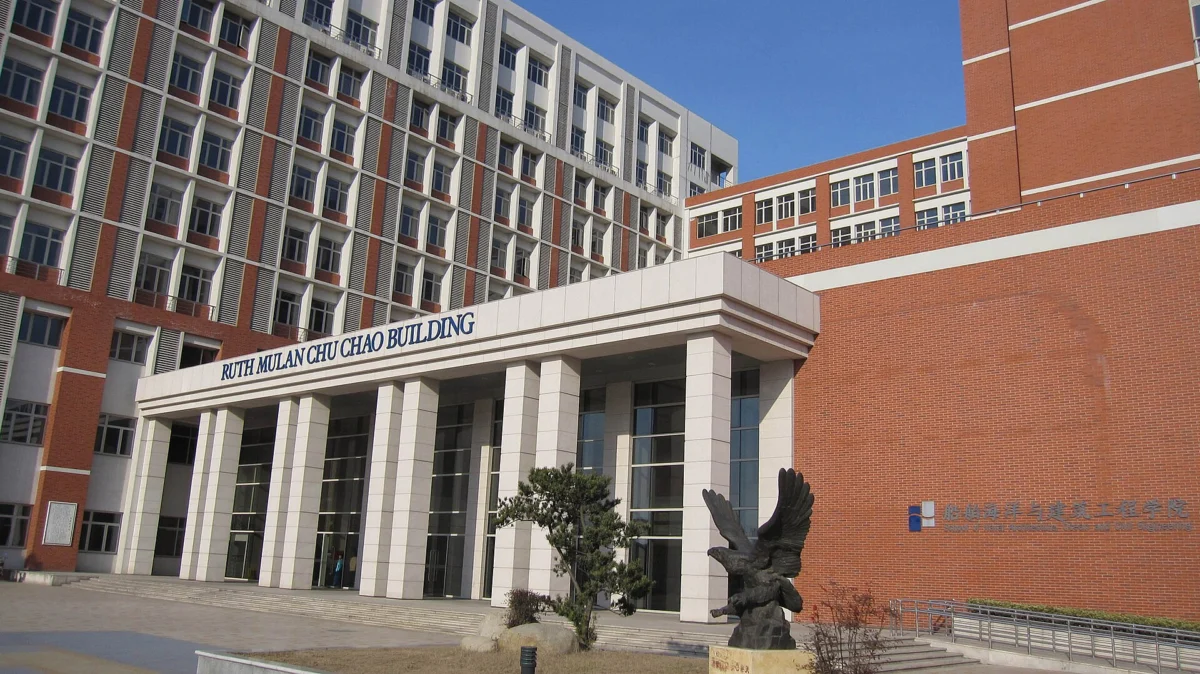
Shanghai Jiao Tong University has launched a comprehensive investigation into reports alleging that an experimental gene-editing trial, led by one of its neuroscientists, resulted in the death of a six-year-old girl whose passing was not disclosed in the subsequent published research. The university’s School of Medicine announced its inquiry on Sunday, following a joint investigation by the esteemed scientific journal Science and the watchdog organization Retraction Watch, which brought the potentially grave ethical breach to light. This development casts a significant shadow over China’s burgeoning biotech sector, reigniting concerns about research integrity and patient safety that have previously plagued the nation’s scientific ambitions.
The Allegation: An Undisclosed Fatality in a Pioneering Trial
The heart of the controversy revolves around a young girl, identified by the pseudonym "Mei," who reportedly died last year, approximately one week after undergoing an experimental gene therapy. This treatment involved a spinal infusion of trillions of viruses, specifically engineered to deliver genetic material into the brain, with the objective of addressing a rare genetic condition. This condition, which caused a delay in Mei’s cognitive development, was the target of what researchers hoped would be a groundbreaking, world-first gene-editing therapy aimed directly at the brain. The therapy intended to correct a mutated gene within her neurons, enabling her body to produce a vital protein essential for normal neurological function.

The report by Science and Retraction Watch, published on Thursday, detailed that the girl’s parents had reportedly paid more than US$800,000 to fund this experimental treatment. Crucially, the investigation also alleged that the parents were not adequately informed about the significant risks associated with the experimental procedure. This alleged lack of comprehensive informed consent, combined with the undisclosed death, forms the bedrock of the ethical concerns now confronting the university and the scientific community at large.
The Experimental Therapy: High Hopes and Unforeseen Risks
Gene therapy represents a revolutionary frontier in medicine, offering the potential to cure diseases at their genetic root. By introducing new genetic material into a patient’s cells to replace faulty genes or introduce new functions, scientists aim to treat a wide array of conditions, from rare genetic disorders to common diseases like cancer. The specific approach in Mei’s case involved using viral vectors – modified viruses rendered harmless – to deliver the therapeutic genes. Adeno-associated viruses (AAVs) are commonly used for this purpose due to their ability to efficiently deliver genetic material into cells with a relatively low immunogenic response. However, even with extensive modifications, the use of viral vectors carries inherent risks, including immune reactions, off-target effects, and in severe cases, systemic toxicity or inflammatory responses that can be fatal.
Administering such a high viral load directly into the central nervous system via spinal infusion is an exceptionally complex and high-risk procedure. The brain is exquisitely sensitive, and any adverse reaction within this critical system can have devastating consequences. The promise of gene editing, particularly CRISPR-Cas9 technology, to precisely "rewrite" mutated genes is immense, but its application in human trials, especially for conditions affecting the brain, demands the utmost caution, rigorous preclinical testing, and stringent ethical oversight.

The Researcher and Publication Ethics
At the center of the scientific aspect of this controversy is neuroscientist Zilong Qiu, who was identified as the lead researcher behind the experimental gene therapy. Following Mei’s treatment and subsequent death, Qiu went on to publish a paper in the prestigious journal Nature. This publication focused on related animal studies and presented findings pertinent to the gene-editing technique. However, the Science and Retraction Watch investigation found that this paper made no mention whatsoever of Mei or the human trial, let alone her tragic death.
This omission raises profound questions about scientific integrity and publication ethics. In clinical research, particularly when human subjects are involved, it is an ethical imperative to report all adverse events, especially serious ones like patient fatalities. Such transparency is crucial for the scientific community to accurately assess the safety and efficacy of new treatments, learn from failures, and protect future participants. Failure to disclose such critical information can be construed as a deliberate attempt to obscure negative outcomes, potentially misleading other researchers and the public about the true risks of an experimental therapy. It undermines the foundational principles of scientific honesty and accountability.
Shanghai Jiao Tong University’s Response and Official Inquiry
In the wake of the investigative report, Shanghai Jiao Tong University’s School of Medicine swiftly issued a statement acknowledging the gravity of the situation. The university affirmed that it "attaches great importance to the matter and has set up a special working group to conduct a comprehensive investigation into the incident." This working group is tasked with meticulously reviewing all aspects of the trial, from its conception and approval process to the execution of the therapy, patient consent procedures, and the subsequent reporting of outcomes.

The university’s statement further underscored its commitment to ethical research, declaring, "The School of Medicine has always attached great importance to scientific research integrity and research norms, and firmly opposes conducting medical scientific research in violation of scientific research ethics." It pledged that "serious action" would be taken against any individuals found culpable, in accordance with the investigation’s findings. This official response signals a recognition of the severe implications of the allegations and an attempt to reaffirm the institution’s dedication to ethical standards, albeit under intense scrutiny.
Ethical Concerns: Informed Consent and Patient Vulnerability
The report’s assertion that Mei’s parents were not "adequately informed about the risks" is a particularly troubling aspect of the allegations. Informed consent is a cornerstone of ethical human research. It requires that potential participants (or their legal guardians) be fully apprised of all known and potential risks, benefits, and alternatives to the experimental treatment, in a language they can understand, and without coercion. Given the experimental nature of gene therapy, especially one involving direct brain intervention, the risks are inherently high and must be communicated with utmost clarity and transparency.
The fact that the parents reportedly paid a substantial sum (over US$800,000) for the treatment adds another layer of ethical complexity. While some experimental therapies may involve costs, the intersection of significant financial outlay with vulnerable patients and unproven treatments can create situations where desperate families might feel pressured or unduly influenced, potentially compromising the voluntary nature of consent. This raises questions about the financial incentives within such trials and whether they could inadvertently lead to ethical shortcuts or a blurring of lines between research and commercial ventures.

Broader Context: Gene Editing in China and Past Scandals
This newly revealed incident is not an isolated one but rather another significant blow to China’s ambitious drive to become a global leader in biotechnology, particularly in the cutting-edge field of gene editing. It immediately draws parallels to the infamous 2018 scandal involving biophysicist He Jiankui. He shocked the international scientific community by secretly producing the world’s first gene-edited babies, twin girls whose DNA he altered using CRISPR technology to make them resistant to HIV. He Jiankui’s actions were widely condemned as unethical, reckless, and a profound violation of international scientific norms. He was subsequently sentenced to three years in prison and fined for illegal medical practices.
The He Jiankui scandal prompted a national and international outcry, leading China to tighten its regulations on gene-editing research. New guidelines and laws were introduced, emphasizing stricter ethical review, approval processes, and penalties for violations. However, the current allegations regarding Mei’s death suggest that despite these efforts, systemic gaps or failures in oversight may still persist, or that certain researchers may still be operating outside established ethical boundaries. These incidents threaten to erode trust in Chinese scientific research and could hinder international collaborations and the global advancement of responsible gene-editing technologies.
Global Regulatory Landscape and Bioethical Principles
The global scientific community operates under a framework of ethical guidelines designed to protect human research subjects. Principles such as the Nuremberg Code, the Declaration of Helsinki, and the Belmont Report emphasize voluntary informed consent, risk-benefit assessment, independent ethical review, and justice. Regulatory bodies in countries like the United States (FDA), Europe (EMA), and others have stringent requirements for preclinical testing, clinical trial design, and continuous monitoring for adverse events.

The alleged non-disclosure of a patient death in an experimental trial would constitute a severe breach of these universally accepted ethical and regulatory standards. It highlights the critical role of independent ethics committees (Institutional Review Boards or IRBs) in reviewing and approving human research protocols, ensuring patient safety, and monitoring ongoing trials. Such committees are expected to be truly independent, with diverse expertise, and possess the authority to halt trials if safety concerns arise or ethical violations are suspected. The incident prompts a necessary examination of the efficacy and independence of the ethical review processes in place at Shanghai Jiao Tong University and, more broadly, within China’s research ecosystem.
Implications for China’s Biotech Ambitions
China has invested heavily in developing its biotechnology sector, aiming to rival and even surpass countries like the United States in scientific innovation and medical breakthroughs. Gene editing is a key area of this strategic investment. However, repeated ethical controversies risk undermining these ambitions. International scientific collaboration, vital for advancing complex fields like gene therapy, relies heavily on trust and adherence to shared ethical standards. If China’s research environment is perceived as lax in its ethical oversight or prone to non-disclosure, it could lead to isolation, reduced partnerships, and increased scrutiny of all its scientific endeavors.
Furthermore, public confidence, both domestically and internationally, is crucial for the successful translation of gene therapies from laboratory to clinic. Incidents like Mei’s alleged death can fuel public skepticism and fear, potentially hindering patient recruitment for legitimate, ethically sound trials and slowing down the progress of therapies that hold genuine promise. For China to truly establish itself as a biotech powerhouse, it must not only excel in scientific innovation but also demonstrate an unwavering commitment to the highest standards of research ethics, transparency, and accountability.

Conclusion: A Call for Scrutiny and Reform
The investigation initiated by Shanghai Jiao Tong University is a critical first step. Its findings will be closely watched by the global scientific community, bioethicists, and regulatory bodies worldwide. Beyond determining individual culpability, this incident serves as a stark reminder of the immense ethical responsibilities that accompany groundbreaking scientific research, especially when it involves human lives. It necessitates a thorough re-evaluation of ethical review processes, oversight mechanisms, and transparency requirements within China’s research institutions.
The pursuit of scientific advancement must always be balanced with the paramount duty to protect human subjects and uphold the integrity of the scientific enterprise. The tragic case of "Mei" underscores the profound human cost when these ethical principles are allegedly compromised, serving as a powerful call for renewed vigilance and systemic reforms to ensure that the promise of gene therapy is realized responsibly and ethically for the benefit of all humanity.


 Nana Wu
 Lina Hope