Iffa Jayyana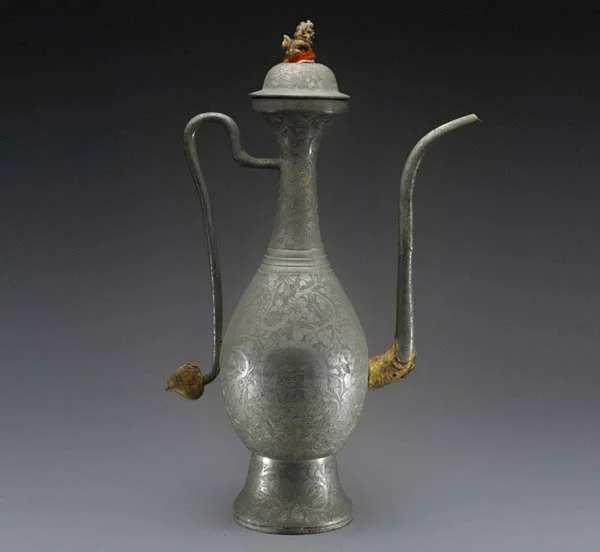
As the 21st solar term of the year, Major Snow (Dàxuě), dawns this Thursday, signaling a pronounced drop in temperatures and the onset of heavier snowfall, a profound sense of winter’s embrace settles across the land. This period, deeply ingrained in traditional Chinese culture, evokes imagery of hushed landscapes, crackling fires, and the comforting ritual of warming wine, a practice that offers solace and conviviality amidst the frigid air. In a fitting tribute to this season of introspection and warmth, the esteemed Palace Museum in Beijing has generously shared a captivating collection of its ancient wine vessels with netizens via the popular microblogging platform, Sina Weibo. This digital exhibition offers a unique window into the artistry, history, and cultural significance of these ceremonial objects, connecting contemporary audiences with millennia of tradition.
A Glimpse into China’s Rich Viticultural History Through Art
The Palace Museum’s initiative transcends a simple display of artifacts; it is a curated journey through China’s long and sophisticated relationship with wine and its associated accoutrements. The selection of wine vessels, many dating back to pivotal dynasties, highlights not only the aesthetic evolution of Chinese metalwork and ceramics but also the integral role of wine in ancient social, ritualistic, and even political life. By presenting these treasures online, the museum democratizes access to cultural heritage, allowing individuals worldwide to appreciate the craftsmanship and historical narratives embedded within each piece.
Understanding Ancient Chinese Wine Vessels: The Gong and the Wine Pot
Among the most historically significant vessels featured is the Gong. Described as an ancient wine vessel, the Gong was typically crafted in the form of animals, reflecting a deep connection to the natural world and symbolic representation prevalent in ancient Chinese art. Its popularity spanned a crucial period in Chinese history, from the late Shang Dynasty (circa 16th century to 11th century BC) through the early Western Zhou Dynasty (circa 11th century to 771 BC). This era was marked by the consolidation of early Chinese states, the development of bronze casting techniques, and the establishment of complex ritualistic practices, in which wine played a central role. The Gong, with its often intricate zoomorphic designs, served not merely as a container but as a statement of status, power, and adherence to ancestral rites.
Complementing the Gong is the "wine pot," a more broadly defined category of wine container. These vessels are typically characterized by a long neck, a substantial belly, and rounded feet, features that facilitated both storage and pouring. While the Gong often signifies a more specific, perhaps ceremonial, function, the wine pot represents a more general utility for holding and serving wine across various social strata and occasions. The diversity in materials, from bronze and jade in earlier periods to porcelain and tin in later dynasties, speaks to evolving technologies and aesthetic preferences.
The Exhibition’s Digital Debut: A Celebration of Craftsmanship and Season
The Palace Museum’s decision to unveil these artifacts on Sina Weibo during the Major Snow period is a thoughtful convergence of cultural observation and historical commemoration. Major Snow, the second of the twenty-four solar terms that guide traditional Chinese agriculture and life, is a time when the natural world visibly succumbs to winter’s chill. It is a period traditionally associated with introspection, family gatherings, and the preparation for the deeper cold of winter. The act of warming wine, often associated with this time, symbolizes warmth, comfort, and the sharing of good company.
By showcasing its collection of wine vessels, the Palace Museum is not only celebrating the aesthetic beauty of these objects but also inviting the public to engage with the cultural practices and seasonal rhythms that have shaped Chinese civilization for millennia. The microblog platform provides an accessible and interactive space for this engagement, allowing for comments, shares, and discussions that can foster a broader appreciation for cultural heritage.
A Chronology of Chinese Wine Vessel Evolution
The history of wine vessels in China is a testament to the country’s enduring civilization and its advancements in craftsmanship.
- Shang Dynasty (c. 1600–1046 BC): This period is renowned for its sophisticated bronze casting. Wine vessels, including ritualistic Gong forms, were often elaborately decorated with mythical beasts and geometric patterns. Bronze was a precious material, and these vessels were primarily used in religious ceremonies and by the elite.
- Western Zhou Dynasty (c. 1046–771 BC): The tradition of bronze ritual vessels continued, with some evolving in form and decoration. The Gong remained a prominent vessel type, reflecting the continuation of Shang Dynasty rituals and the establishment of Zhou Dynasty hierarchical social structures.
- Eastern Zhou Dynasty (771–256 BC): While bronze casting continued, new materials and styles emerged. Lacquerware became increasingly popular for wine vessels, offering a lighter and more accessible alternative. Regional variations in style began to appear across the warring states.
- Han Dynasty (206 BC – 220 AD): Ceramics, particularly earthenware and stoneware, gained prominence. Bronze vessels were still produced, but often with different decorative motifs. The development of new kiln technologies led to more refined ceramic forms.
- Tang Dynasty (618–907 AD): The Tang Dynasty saw a flourishing of ceramic arts, with the introduction of lead-glazed earthenware and the development of more sophisticated porcelain. Wine vessels became more varied in shape and function, reflecting increased trade and cultural exchange.
- Song Dynasty (960–1279 AD): The Song Dynasty is considered a golden age for ceramics. Exquisite porcelain, including celadon and white porcelain, was produced in vast quantities. Wine vessels from this era are known for their elegance, simplicity, and refined glaze work.
- Ming and Qing Dynasties (1368–1912 AD): Porcelain production reached new heights, with the famous blue-and-white ware and polychrome enamels. Metalwork, including tin and silver vessels, also continued to be produced, often with intricate designs reflecting the tastes of the imperial court and the literati. The Qing Dynasty, in particular, saw a continuation and evolution of artistic traditions, with an emphasis on intricate craftsmanship and decorative opulence.
The tin-made wine pot from the Qing Dynasty, as highlighted by the Palace Museum, represents the later stages of this long evolutionary trajectory. Tin, being a relatively soft and malleable metal, allowed for detailed repoussé work and engraving, often resulting in vessels that were both functional and decorative. The Qing court was known for its appreciation of fine craftsmanship, and metalware often featured auspicious symbols and elaborate motifs.
Supporting Data and Context: The Role of Wine in Ancient China
Wine, or jiǔ (酒) in Chinese, has been a significant part of Chinese culture for millennia. Archaeological evidence suggests that fermented beverages were produced in China as early as 7000 BC. By the time of the Shang Dynasty, wine was deeply integrated into religious rituals, royal banquets, and social gatherings.
- Ritualistic Significance: Wine was believed to have a spiritual dimension, used in offerings to ancestors and deities to ensure good fortune and maintain cosmic order. The quality and presentation of wine, as well as the vessels used, were crucial in demonstrating respect and piety.
- Social and Political Tool: Wine facilitated social bonding and cemented alliances. Elaborate feasts where wine flowed freely were common among the aristocracy. The sharing of wine could signify trust, hospitality, and political agreement.
- Symbolism and Aesthetics: The designs on wine vessels often carried symbolic meanings, reflecting beliefs about the cosmos, nature, and the human condition. Animal motifs, such as dragons, phoenixes, and mythical beasts, were common, imbuing the vessels with power and auspiciousness. The choice of material and the intricacy of craftsmanship also conveyed status and wealth.
- Health and Medicinal Properties: Ancient texts sometimes attributed medicinal properties to wine, believing it could invigorate the body and promote longevity when consumed in moderation.
The collection at the Palace Museum offers tangible evidence of these multifaceted roles. Each vessel tells a story of its time, its maker, and the society it served. The sheer volume and diversity of wine vessels discovered in archaeological sites across China underscore the widespread importance of wine consumption and the artistry dedicated to its vessels.
Official Statements and Public Reaction (Inferred)
While direct quotes from Palace Museum officials regarding this specific Weibo campaign are not provided in the source material, the act of sharing such a collection on a public platform can be interpreted as a strategic move to:
- Enhance Public Engagement: The museum aims to broaden its audience by leveraging digital platforms, making its vast collection accessible to those who cannot visit in person.
- Promote Cultural Education: By providing context and historical information, the museum educates the public about the significance of these artifacts and the cultural traditions they represent.
- Foster National Pride: Showcasing exquisite examples of ancient Chinese artistry can evoke a sense of national pride and appreciation for China’s rich heritage.
The public reaction on Sina Weibo is likely to be overwhelmingly positive. Netizens often express awe and admiration for the craftsmanship of ancient artifacts. Comments would likely range from expressions of beauty and artistry to inquiries about the historical context and symbolism of the vessels. Sharing such content aligns with the common desire to celebrate cultural heritage, especially during traditional festivals and seasonal changes.
Broader Impact and Implications: Bridging Past and Present Through Digital Heritage
The Palace Museum’s digital exhibition of wine vessels during the Major Snow solar term has several broader implications:
- Democratization of Cultural Access: In an era where physical access to heritage sites can be limited by geography or circumstance, digital platforms are crucial for inclusivity. This initiative ensures that the beauty and historical value of these artifacts are not confined to the museum walls.
- Reinforcing Cultural Identity: By connecting contemporary audiences with ancient traditions, such initiatives help reinforce cultural identity and a sense of continuity with the past. The celebration of seasonal changes through traditional practices and artifacts is a powerful way to maintain cultural relevance.
- Advancing Digital Humanities: The use of social media for cultural dissemination contributes to the growing field of digital humanities, where technology is employed to explore, interpret, and share humanistic knowledge. This approach can lead to new forms of scholarship and public engagement.
- Economic and Tourism Potential: While not directly stated, successful digital campaigns can indirectly boost interest in visiting the physical museum and the city of Beijing, potentially contributing to tourism and the cultural economy.
- Preservation and Archiving: The digital documentation and dissemination of these artifacts also contribute to their long-term preservation and archiving, creating a valuable record for future generations.
In conclusion, the Palace Museum’s thoughtful presentation of its ancient wine vessels on Sina Weibo, timed with the arrival of the Major Snow solar term, is a compelling example of how cultural institutions can leverage modern technology to illuminate and celebrate timeless traditions. It offers a rich tapestry of history, art, and seasonal observance, inviting all to partake in the enduring enjoyment and cultural significance of wine in Chinese civilization. This digital outreach not only enriches the public’s understanding of China’s artistic heritage but also fosters a deeper connection to the rhythms of the natural world and the enduring legacy of human creativity.

 Asep Darmawan
 Rifan Muazin