Suro Senen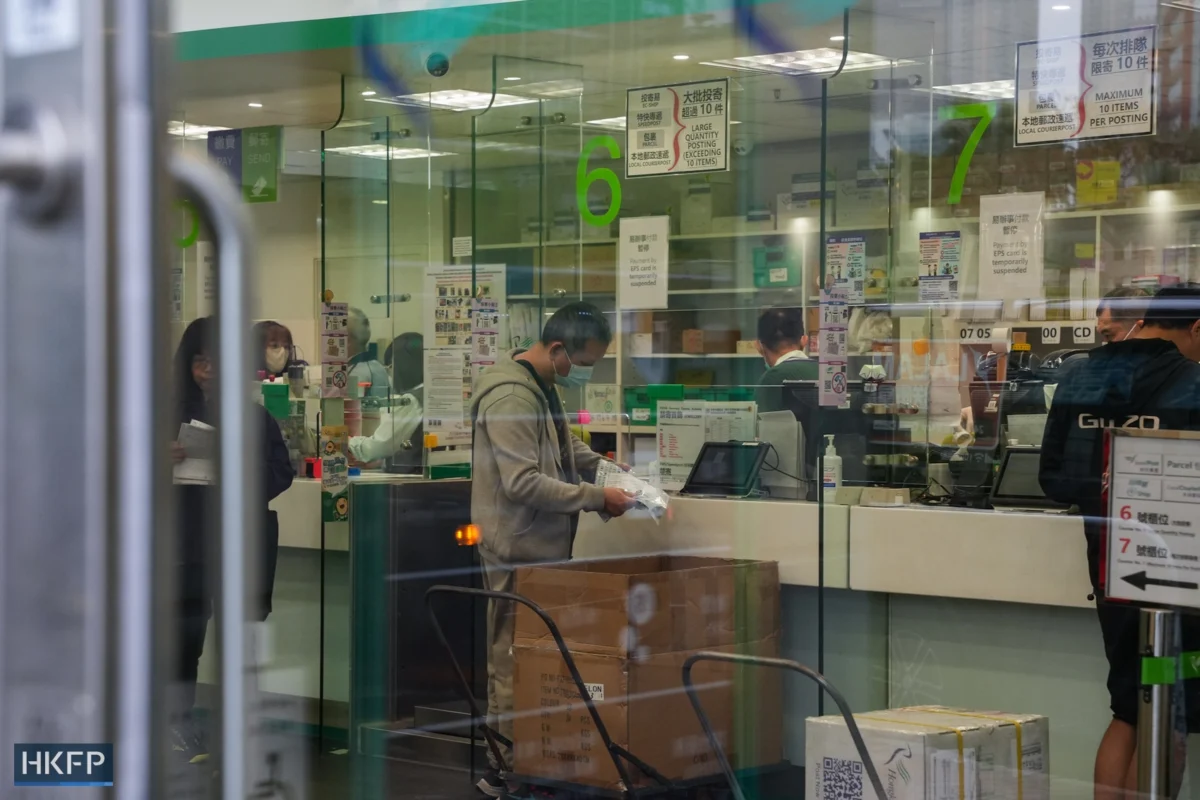
Hongkong Post is set to discontinue offering permanent civil service contracts to newly hired staff, a significant policy shift aimed at curbing costs as the postal service grapples with a projected sustained downturn in mail traffic. This decision, announced by Postmaster General Leonia Tai, signals a strategic recalibration for an institution facing evolving communication habits and a challenging financial landscape. New employees, including essential roles like mail carriers and postal officers, will instead be offered two-year contracts, with this change impacting those whose probation periods are scheduled to conclude on or after September.
The rationale behind this pivotal move, as articulated by Tai during a recent radio interview, centers on the observable and anticipated decline in the volume of traditional mail. "We are facing a continued decline in mail traffic, with fewer people sending mail in traditional formats. We expect the drop to continue and even widen in the future," Tai stated, underscoring the long-term trend. Adding to these operational pressures, she also cited "volatile geopolitics" as a contributing factor to the postal service’s current difficulties. This confluence of factors has compelled Hongkong Post to re-evaluate its employment structure.

Tai further elaborated on the difficult decision, explaining the rationale for the shift away from permanent contracts. "Against this background, we are really unable to offer permanent contracts to staff who are going to complete their probations," she admitted. However, she emphasized that the move is not intended to be punitive. "But we also considered that terminating their employment right after their probation period would be a huge blow to them. We wanted to minimise the impact as a responsible employer and didn’t want them to suddenly lose their jobs." This suggests a measured approach, aiming to provide a degree of continuity for existing staff while adapting the employment model for the future. Approximately 200 staff members are expected to be affected by this policy change. To ensure transparency and address concerns, a meeting was convened on Monday to brief existing staff and union representatives about the new contractual arrangements.
Financial Pressures and Operational Adjustments
Hongkong Post, while an official government department, operates under the expectation that it must cover its own operational expenses. This self-sufficiency mandate has become increasingly challenging in recent years due to declining mail volumes. The financial repercussions of this trend were starkly highlighted in the latest financial reports. Last year, Hongkong Post recorded an operating loss of HK$821 million, a substantial increase from the HK$554 million loss reported in the preceding year. This widening deficit occurred alongside a significant 12 percent year-on-year drop in mail traffic, which fell to 611 million items.

Adding to its financial woes, Hongkong Post has also faced external disruptions. A prolonged trade dispute with Washington has resulted in the suspension of parcel postings to the United States for over a year, a significant blow given the volume of trans-Pacific mail. This disruption underscores the vulnerability of postal services to geopolitical shifts and trade tensions.
In response to these mounting financial challenges, the Hong Kong government has provided a substantial financial lifeline. Last month, the Legislative Council approved a HK$4.6 billion allocation to support Hongkong Post’s operations over the next three years. This significant injection of funds is intended to help the organization navigate its current financial difficulties and implement necessary reforms.
Network Optimization and E-commerce Ventures

Beyond employment contract changes, Hongkong Post is undertaking a broader review of its operational network. Postmaster General Leonia Tai indicated that the service is examining its current mail delivery model, which traditionally operates between Monday and Friday. "We’ve heard comments that post office opening hours seem to overlap with working hours. We will look at how to optimise the network, including whether to close low-traffic branches or shorten operating hours," she stated. This suggests a potential consolidation of resources and a focus on efficiency, possibly leading to adjustments in service availability in certain areas or at specific times.
The organization is also actively exploring new revenue streams, particularly within the burgeoning e-commerce sector. Hongkong Post has been developing its e-commerce services, acknowledging the significant market potential. However, Tai cautioned that this market is intensely competitive, and the additional revenue generated may not be sufficient to offset the postal service’s overall operating costs in the immediate future. This highlights the strategic challenge of diversifying services in a crowded marketplace.
Government Response and Staffing Data

In reaction to Hongkong Post’s announcement, the Secretary for Labour and Welfare, Chris Sun, emphasized the importance of clear communication and legal compliance. "Any organisation must clearly communicate its new employment arrangements to its staff and ensure the changes are made according to the law," Sun remarked. His statement underscores the government’s expectation that employers adhere to labor regulations and maintain open dialogue with their workforce during periods of significant change.
Official figures provide a snapshot of Hongkong Post’s current workforce. As of May this year, the organization employed approximately 2,200 mail carriers and 1,300 postal officers. This data, provided in response to a lawmaker’s inquiry last month, offers context to the scale of operations and the potential impact of employment policy changes. The overall mail volume handled by Hongkong Post has seen a dramatic decline, shrinking by 44 percent between 2019 and 2025, according to a paper submitted to the Legislative Council in May. This sharp reduction further contextualizes the financial pressures faced by the organization.
The challenges extend to specialized facilities as well. Last year, the government abandoned a HK$510 million renovation project for the Air Mail Centre at Hong Kong International Airport. The decision was attributed to a projected decrease in airmail volume in the coming years, mirroring the broader trend of declining traditional mail usage.

A Shifting Landscape for Postal Services
The changes at Hongkong Post are emblematic of a global phenomenon affecting postal services worldwide. The digital revolution has fundamentally altered how people communicate and conduct business, leading to a steep decline in letter writing and a shift towards digital communication and e-commerce deliveries. Traditional postal operators are under immense pressure to adapt their business models to remain relevant and financially sustainable.
The decision to move away from permanent civil service contracts for new hires reflects a broader trend in the public sector towards more flexible employment arrangements, often driven by efficiency drives and the need to adapt to fluctuating service demands. While this can offer cost savings and greater agility for the organization, it also raises concerns about job security and the long-term career prospects for public sector employees.

The significant financial support package approved by the Legislative Council indicates a recognition of Hongkong Post’s essential role in the city’s infrastructure and economy. However, the long-term sustainability will likely depend on its ability to successfully implement structural reforms, diversify its services, and adapt to the evolving needs of the public and businesses in the digital age. The coming years will be critical for Hongkong Post as it navigates these complex challenges and seeks to redefine its future in a rapidly changing world. The Hong Kong Postal Workers Union has been approached for comment on these developments.


 Azzam Bilal Chamdy
 Jia Lissa