Suro Senen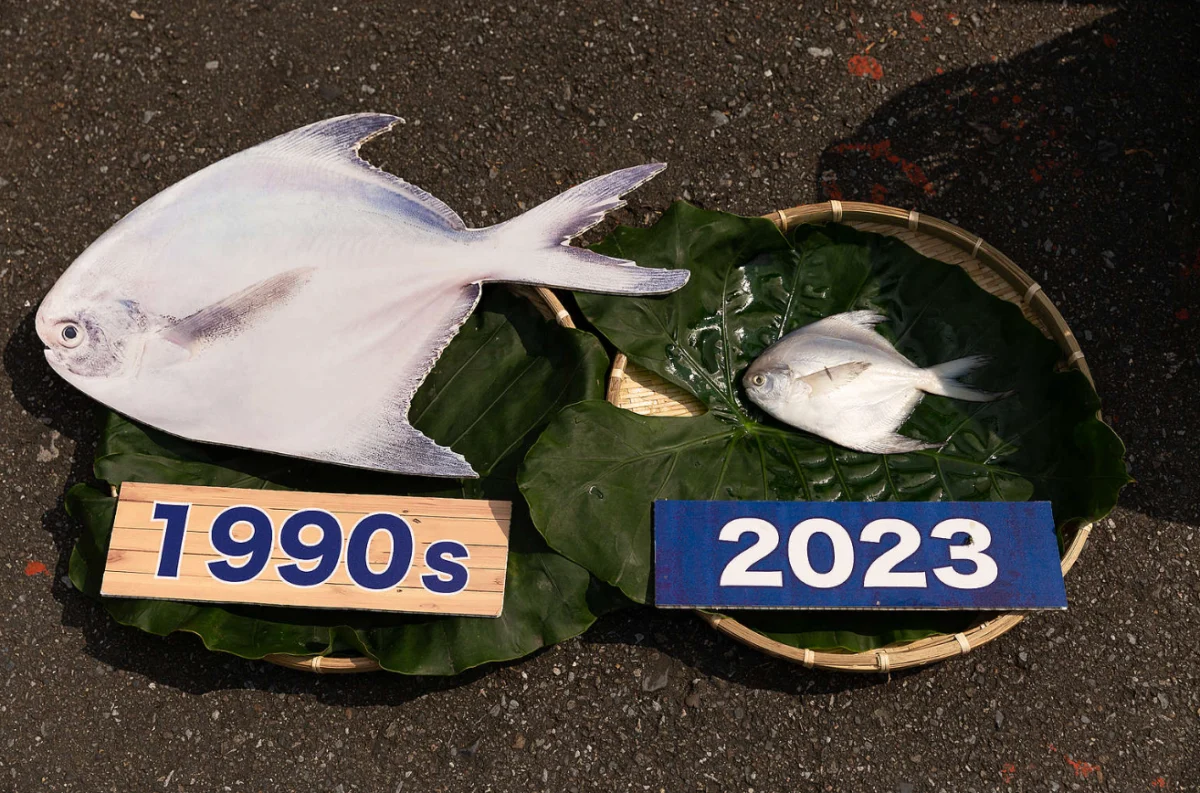
Taiwan, an island nation intrinsically linked to the sea, faces a dual threat to its marine ecosystems: the often-invisible struggles of distant-water fishermen and the pressing reality of coastal overfishing. In 2025, a dedicated group of volunteers has stepped forward, demonstrating that ocean protection extends far beyond simple beach cleanups. From the pre-dawn bustle of fishing ports in Daxi, Yilan, to educational outreach on the streets of Taichung, these individuals are proving that ordinary citizens can make a significant impact on safeguarding marine life and human rights at sea.
The waters surrounding Taiwan are a global hotspot for marine biodiversity, boasting over 3,000 recorded fish species, approximately one-tenth of the world’s total. This rich natural heritage, however, is under severe strain. Coastal overfishing, habitat degradation, inadequate fisheries management, and the escalating impacts of climate change, including coral bleaching and ocean acidification, are steadily eroding these vital marine environments. The urgency of this situation has galvanized a growing movement of citizen scientists and advocates determined to reverse these alarming trends.

Citizen Scientists Chart the Course: The Fish Survey Project
Initiated in 2023, Greenpeace’s "Citizen Scientist Fish Survey Project" represents a groundbreaking effort to gather crucial data on fish species and their lengths directly from fishing ports. This initiative aims to provide robust scientific evidence to inform marine policy and conservation strategies. The project has forged a unique collaboration between oceanographic expertise, data science innovation, and the power of dedicated volunteers.
Associate Professor He Xuanqing from the Department of Aquaculture at National Kaohsiung University of Science and Technology, and Associate Professor Xu Weiyuan from the Department of Computer Science and Information Engineering and the Department of Environmental Biology and Fisheries Science at National Taiwan Ocean University, have partnered with Greenpeace. Together, they are pioneering the integration of artificial intelligence (AI) with citizen science. Trained volunteers are instrumental in collecting empirical data on the body lengths of commonly found coastal fish species in Taiwan. This data is crucial for understanding the relationship between fishing practices and the health of fish populations.
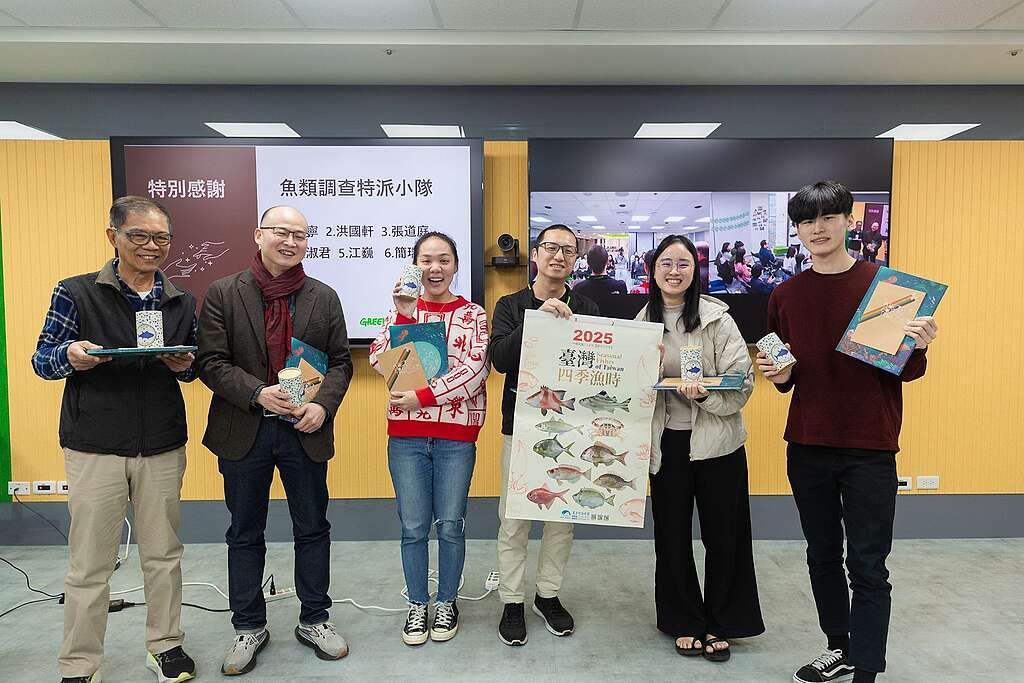
Now in its fourth year, the project has expanded its reach, engaging over 35 passionate citizen scientists. These volunteers are the backbone of the initiative, contributing their time and energy to collect invaluable information.

The Dual Role of Volunteers: From Port to Pixel
The project meticulously categorizes volunteers into two vital roles: "fishing port survey volunteers" and "fish labeling volunteers."
Fishing port survey volunteers are the eyes and ears on the ground, venturing to fishing ports before dawn to document target fish species. Prior to their fieldwork, these volunteers undergo rigorous training to familiarize themselves with common coastal fish. Their duties involve visiting bustling fish markets in key locations across Taiwan, including Daxi and Nanfangao in Yilan, Kezailiao and Qianzhen Fishing Ports in Kaohsiung, Donggang in Pingtung, and Magong Fishing Port in Penghu.
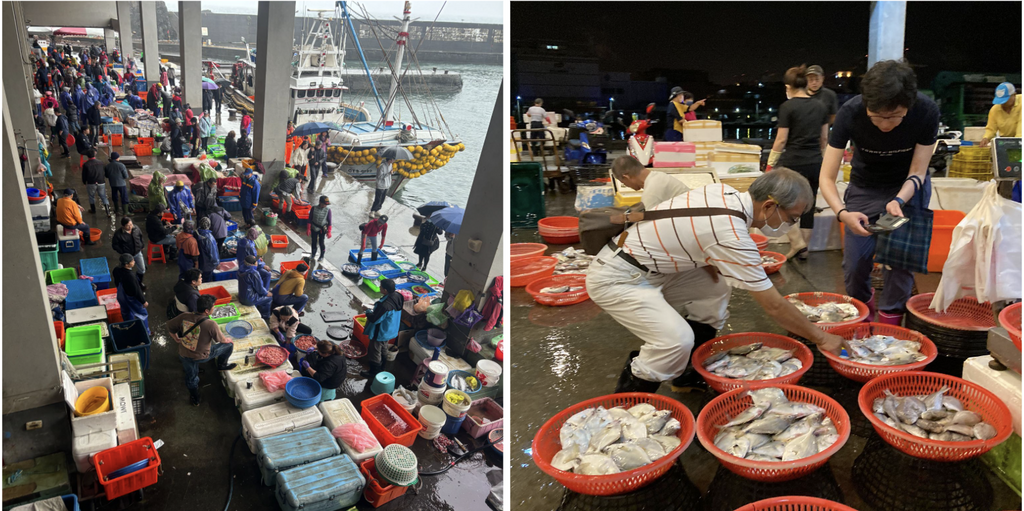
The commitment of these survey volunteers is profound. They must arrive at the ports in the early morning hours, before the day’s catch is dispersed, locate the specified fish species, meticulously place a specially designed scale reference object alongside the fish, and capture high-quality photographs that will serve as critical data points.
Complementing the fieldwork, "fish labeling volunteers" play an equally indispensable role. These volunteers, possessing a keen eye for detail and a growing knowledge of fish species, are tasked with classifying and labeling hundreds of photographs submitted by their port counterparts. Utilizing specialized computer software, they identify and tag each fish species within the images. This painstaking process is vital for building a comprehensive database. Over time, this extensive dataset will fuel the development of advanced AI tools capable of automated fish species identification and body length estimation. This marks a significant advancement, representing the first AI system in Taiwan designed to simultaneously identify fish species and estimate their lengths.
In its initial phase in 2023, the project focused on 40 common nearshore fish species in Taiwan. During that year alone, Greenpeace volunteers documented the fish markets across five ports, successfully collecting a remarkable 18,180 fish sample photographs.
First Findings Reveal a Shrinking Catch: The Stark Reality of Overfishing
The initial results of the fish survey project delivered a sobering message. On World Oceans Day 2024, Greenpeace released findings from its analysis of 40 common Taiwanese fish species. The data revealed a disturbing trend: a significant proportion of "fresh catch" fish samples did not meet critical maturity benchmarks. Specifically, 24 species showed that more than half of their sampled individuals failed to reach "50% sexual maturity length (Lm50)." The situation was particularly dire for silver pomfret, star pomfret, greater amberjack, pomfret, and black seabass, where over 90% of sampled individuals were found to be below Lm50, indicating severe overfishing.
This revelation played a pivotal role in advocating for stronger marine protection legislation. On March 9, 2023, the Greenpeace Ocean Project team held a press conference outside the Executive Yuan, presenting a stark comparison between the mature body length references found in scientific literature and the juvenile fish being sold in markets. They issued an urgent plea for the Executive Yuan to expedite the review and passage of the "Marine Conservation Act." Their advocacy, coupled with public expectation, culminated in the Act’s passage at the end of 2024, officially taking effect in July 2025.
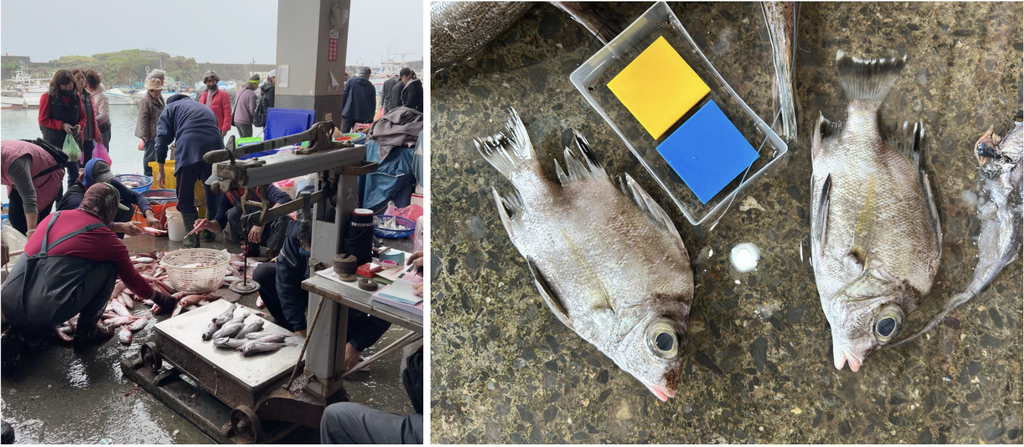
In response to the ongoing severity of the overfishing crisis, the originally one-year citizen scientist fish survey project was extended into a long-term volunteer monitoring program. The scope was further expanded in 2025 to include 45 fish species. Over three years, volunteers have amassed a substantial collection of 24,227 photographs, providing continuous support for Greenpeace’s marine conservation efforts in Taiwan.
Voices from the Frontlines: Fishermen’s Struggles and Migrant Worker Rights
The insights gleaned from the "Citizen Scientist Fish Survey Project" extend beyond mere data collection. Volunteers on the ground have also captured the human element of the unfolding marine crisis. Conversations with fish vendors have revealed a widespread sentiment of struggle. Many vendors report a significant decline in fish catches in recent years, making the fishing industry increasingly challenging.
Volunteer Daoting observed a complex internal conflict among fishermen. He noted, "During auction processes, some fishermen are very friendly, and they also privately lament that fish catches are gradually becoming smaller. Watching unscrupulous commercial vessels engage in uncontrolled fishing, they are also unable to control it. Otherwise, fewer and smaller fish are not good for anyone." This sentiment highlights the frustration of those directly involved in the industry, who are witnessing unsustainable practices while feeling powerless to intervene.
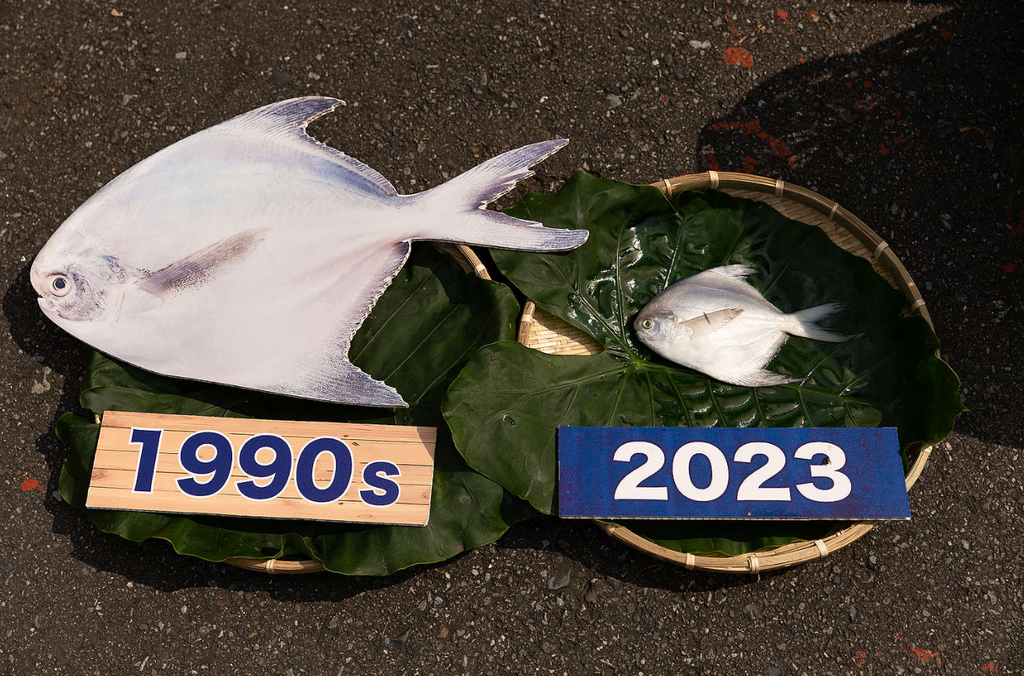
For volunteers with personal ties to coastal communities, the observed changes are particularly poignant. Jia, who resides in Donggang, expressed profound shock upon seeing an undersized red snapper being caught. "The severity of overfishing exceeded imagination," she stated. "I realized I cannot just be a consumer; I must start taking action." Similarly, volunteer Christina from Malaysia was deeply disturbed by the sight of rare fish species, specimens that rightfully belonged in marine museums, appearing in the bloody chaos of auction scenes.
Furthermore, an anonymous volunteer brought to light a critical human rights dimension of the fishing industry. They reported observing "dirty and chaotic conditions on ships, with migrant workers directly showering on board, and working conditions were extremely harsh. It was very distressing to see." This stark testimony underscores that marine conservation is not solely about the preservation of fish populations but also encompasses the fundamental dignity and labor rights of every individual involved in the industry’s complex supply chain.
Empowering the Public: Volunteer-Designed Ocean Education Initiatives
Recognizing that ocean issues are multifaceted, Greenpeace’s volunteer efforts extend beyond data collection to encompass public education and advocacy. In 2024 and 2025, the Greenpeace Community Outreach Campaign Team launched the "Taichung Ocean Volunteer Project." This initiative aims to empower volunteers in Taichung, where Greenpeace does not have a physical office, to become independent advocates capable of organizing public awareness campaigns.
A Relay of Knowledge: Experienced Volunteers Guide New Recruits
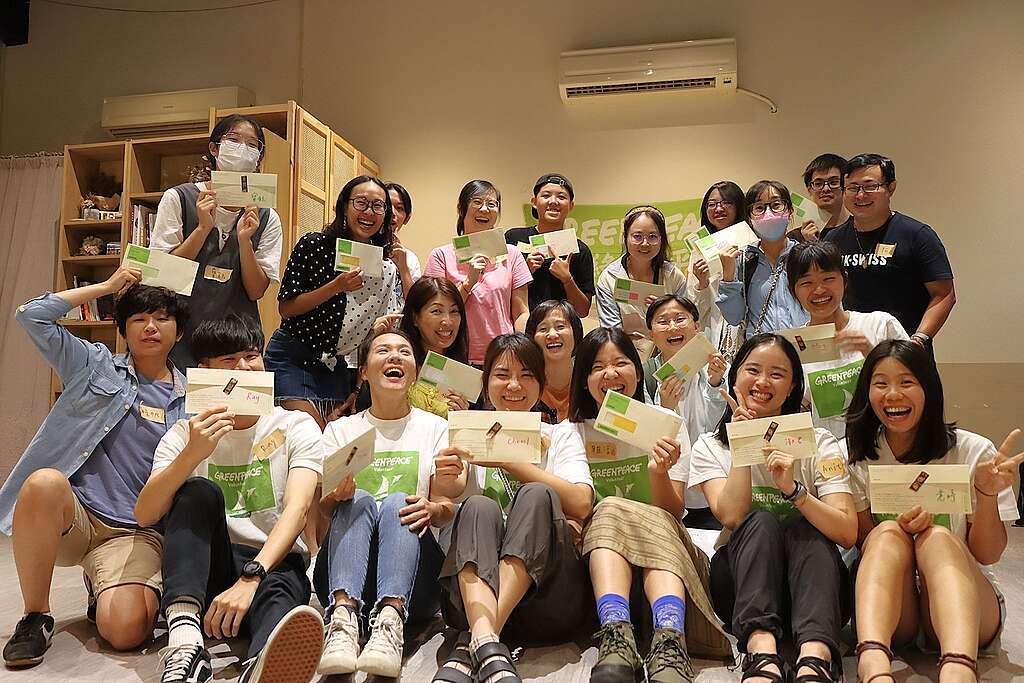
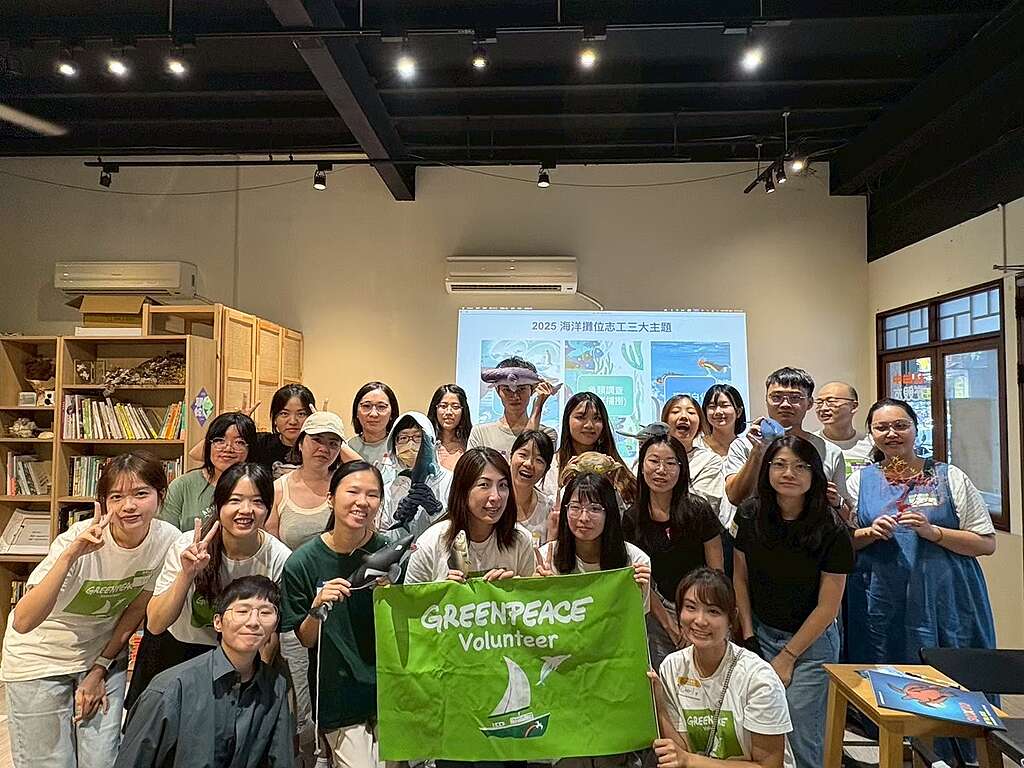
The "Taichung Ocean Volunteer Project" kicked off with a comprehensive two-day training camp held in August 2024. Eighteen volunteers participated, dividing into three specialized groups focusing on "Deep-sea mining," "Distant-water issues" (encompassing overfishing and fisheries labor rights), and "Nearshore issues" (addressing Taiwan’s Marine Conservation Act and sustainable seafood).
A unique strength of this program lies in its mentorship model. Each group leader is a seasoned Greenpeace volunteer who leverages their extensive experience in booth advocacy to guide new recruits through the process of conceptualizing and executing independent ocean advocacy actions. This peer-to-peer learning approach ensures that valuable knowledge and practical skills are effectively transferred.
The training also incorporated vital digital outreach strategies. Greenpeace colleagues specializing in social media marketing shared essential skills with volunteers, encouraging them to leverage online platforms to amplify their messages and expand their influence.
A second "Ocean Booth Volunteer Training Camp" was conducted in August 2025, drawing 19 new volunteers. This group focused on "Coral bleaching," "Marine protected areas," and "Overfishing," further broadening the scope of public education.
From Concept to Creation: Volunteers Drive Educational Outreach

The volunteers have demonstrated remarkable creativity in designing engaging educational experiences. They brainstormed and implemented various interactive activities to capture public attention and foster a deeper understanding of complex ocean issues.
During New Year’s events, volunteers ingeniously repurposed marine debris, utilizing driftwood, fishing nets, and discarded fishing lines to craft "marine debris pens." They then invited the public to use these unique pens to create ocean-themed spring couplets, transforming waste into a powerful educational tool.
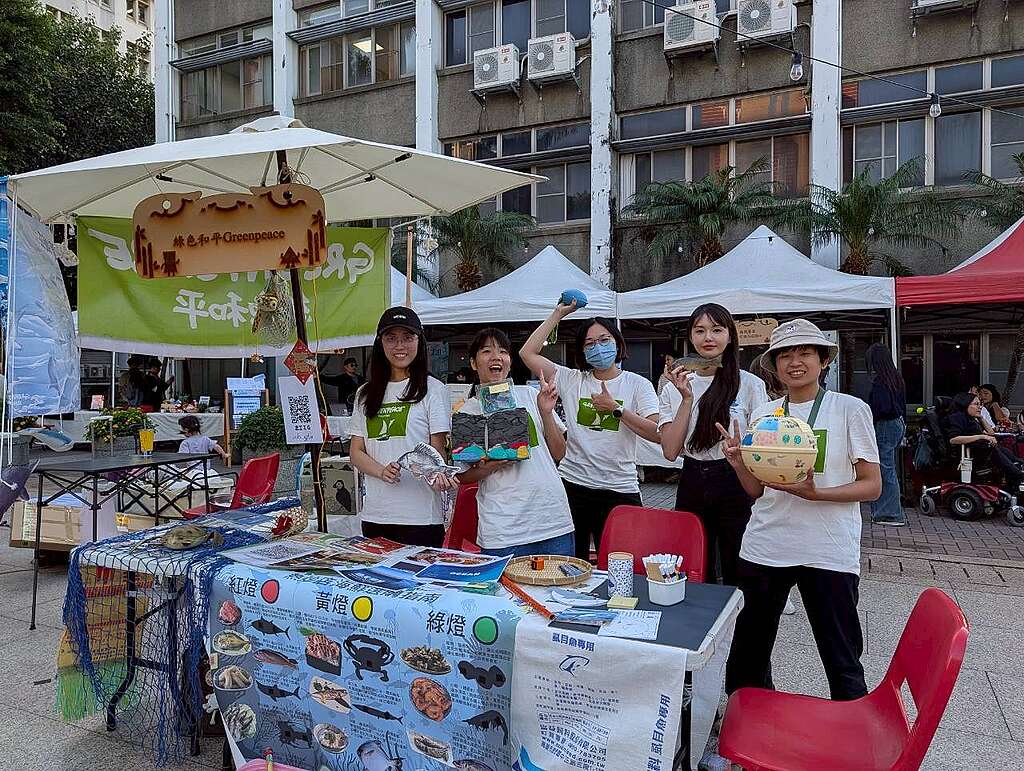
To simplify the complex guidelines for sustainable seafood consumption, volunteers developed an intuitive "red, yellow, green light" system. This visual guide categorizes seafood based on the abundance of its resources: "Green light" for abundant species that can be consumed frequently, "Yellow light" for those with decreasing resources that should be eaten occasionally, and "Red light" for endangered species that should be avoided.
A particularly effective tool was a poster titled "Seafood purchasing guide for stir-fry restaurants." This guide was coupled with an interactive "fishing" activity. Participants, including children, would "fish" for seafood from a box and then compare their catch to the poster, learning in a playful manner how to make ocean-friendly choices in their daily dining.
The volunteers also crafted a compelling three-dimensional model of "Tuna Human Cans." While appearing as ordinary tuna cans from the outside, their interiors revealed cardboard cutouts of fishermen, dolphins, sharks, and tuna. This innovative display vividly illustrated the interconnectedness of fishing methods, the working conditions of fishermen, and the broader ecological and human rights issues associated with tuna production. By inviting the audience to interact with bycatch models (like sharks and dolphins) and fisherman cutouts, volunteers sparked curiosity and facilitated discussions about the ecological damage caused by certain fishing practices and the human rights challenges faced by distant-water fishermen. For those seeking further information, QR codes linked to the documentary "Before You Eat" provided a deeper dive into these critical issues.
Tangible Impact: The Reach of Volunteer Efforts
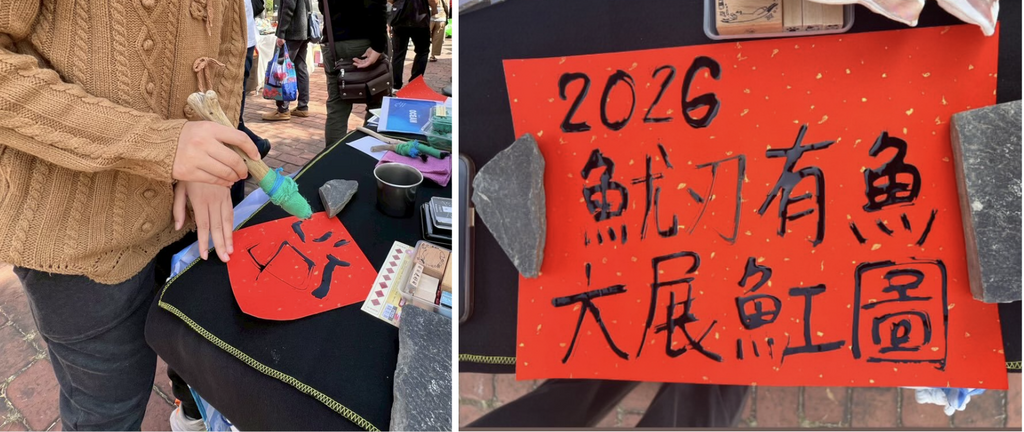
Over the past three years, the dedication of Greenpeace ocean volunteers has been instrumental in bringing critical ocean issues into the public consciousness. Through numerous booth activities and direct public engagement, their efforts have yielded impressive results:
- Broad Public Reach: Over 3,000 individuals have directly engaged with educational booths.
- Data Collection: A total of 24,227 photographs of fish samples have been collected.
- Policy Advocacy: The project provided crucial data that supported the successful passage of Taiwan’s Marine Conservation Act.
- Community Building: More than 2,000 people have been inspired to take protective actions.
The Collective Strength of the Net: Volunteers Reflect on Their Impact
The volunteers themselves speak to the profound impact of their involvement. Senior volunteer A-Kuan emphasized the importance of making the unseen visible: "Just because you cannot see it does not mean it is not happening." Through interactive games and educational tools, they strive to connect the seafood on our plates with the often-overlooked human rights exploitation issues in the industry.
Volunteer Yixuan, who served as a group leader, highlighted the personal growth experienced during the project. "At the beginning, our opening lines were very awkward, but later we adjusted quickly depending on tools and situations, such as using ‘marine debris spring couplets’ to attract attention. I think this is a big improvement for everyone!" This reflects the development of essential communication and public engagement skills.
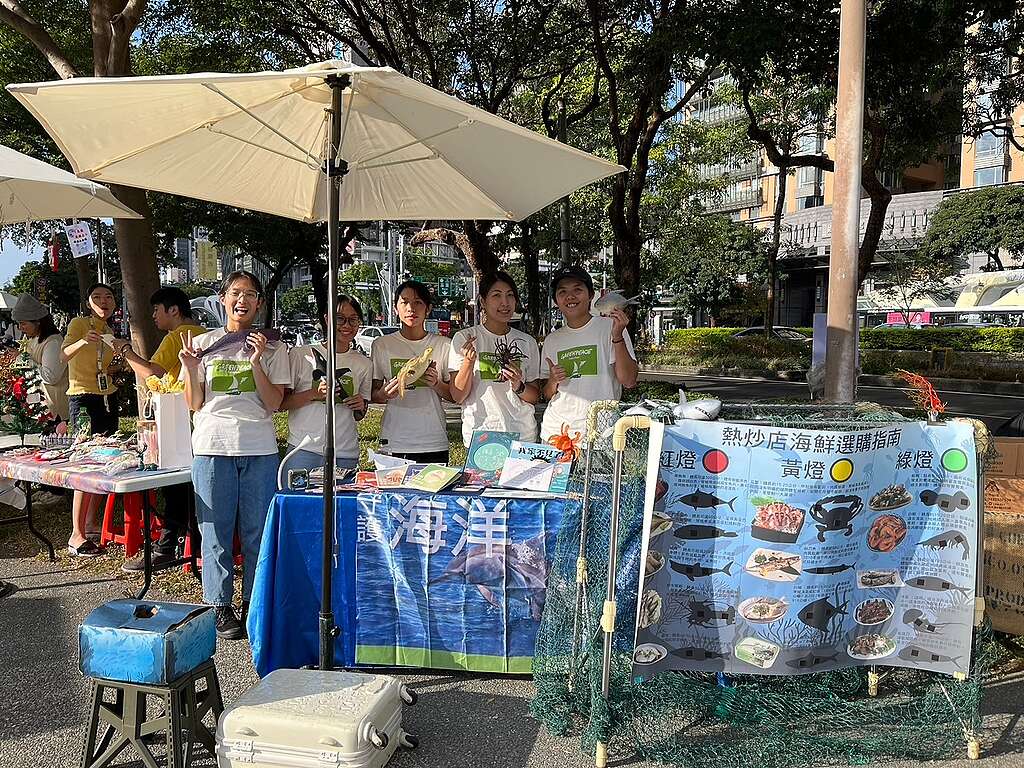
Baoyu, a volunteer who has participated for two consecutive years, underscored the power of collective action. "Because the initial volunteer experience was so good, everyone was willing to listen and accept each other’s opinions, so we continued until now. Of course, the second group of team members was also very positive and warm," she shared. This sense of camaraderie and shared purpose is a significant motivator.
The future of our oceans depends on collective action. In 2025, the network of volunteers has expanded, moving from meticulous data collection at fishing ports to creative public outreach in bustling markets. Every photograph taken and every conversation held represents a vital step towards restoring the health of our increasingly depleted seas. While thousands of photos have been gathered and countless individuals have been reached, the challenges facing our oceans remain significant.
The baton of ocean protection is continuously being passed on. Individuals can now become active participants in this crucial movement. Those who wish to contribute to data collection and work on the frontlines of marine conservation are encouraged to sign up as "fish survey volunteers." For those unable to commit time directly but still eager to support the cause, joining Greenpeace volunteers and following their community on Instagram provides a way to stay informed about activities and stand in solidarity. The interwoven efforts of these dedicated individuals are weaving a stronger net of protection for Taiwan’s precious marine heritage.

 Evan Lee Salim
 Laily UPN