Evan Lee Salim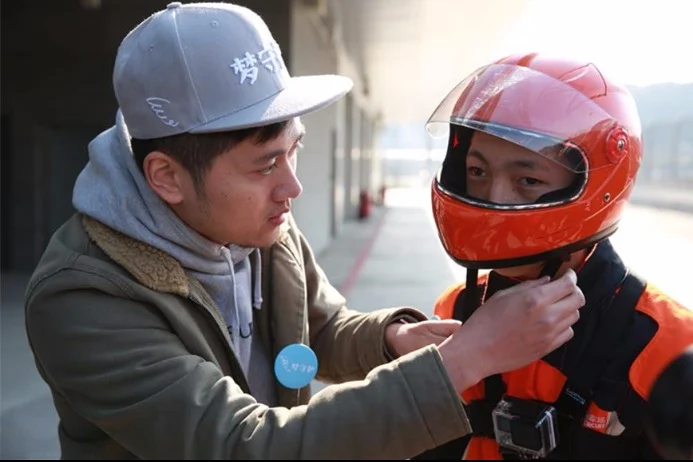
In a powerful demonstration of compassion and the profound impact of spiritual support, a Hangzhou-based non-governmental organization, Childream, orchestrated an extraordinary experience for a 14-year-old boy living with severe epilepsy. On Monday, December 11, 2017, Yang Tao, whose life has been profoundly shaped by his medical condition, realized a long-cherished dream: to ride in a high-speed race car on an international circuit, specifically the Zhejiang Circuit in Shaoxing, Zhejiang province. This remarkable event not only offered Yang Tao an unforgettable moment of joy and freedom but also underscored Childream’s unique philosophy of focusing on the psychological and emotional well-being of critically ill children, complementing traditional financial aid.
The Daily Realities of Living with Epilepsy
Yang Tao’s life in Nantong, Jiangsu province, has been a testament to resilience in the face of significant adversity. Born with epilepsy, he has endured frequent convulsions, experiencing seizures approximately every four days since infancy. This severe and persistent neurological disorder necessitates constant vigilance and protective measures; Yang Tao is required to wear a helmet at all times to mitigate the risk of head injuries during unpredictable seizure episodes. The relentless nature of his condition has had a cascading effect on every aspect of his young life.
The educational system, often ill-equipped to handle the specialized needs of children with severe, chronic conditions, proved challenging for Yang Tao. He was forced to withdraw from primary school in the third grade, a pivotal stage for social and academic development. This early departure from formal schooling, coupled with the inherent difficulties of his condition, led to significant social isolation. While his peers engaged in typical childhood play and formed friendships, Yang Tao often remained at home, largely disconnected from the vibrant social interactions that are crucial for a child’s holistic development. His world, circumscribed by medical necessity and societal barriers, was often one of quiet solitude, a stark contrast to the exhilarating speed and freedom he secretly yearned for. Despite these profound limitations, an unwavering passion for automobiles ignited within him at a very young age, transforming into a deep-seated dream of one day experiencing the thrill of racing.
Childream: A Vision for Holistic Child Support
Childream, headquartered in Hangzhou, Zhejiang province, distinguishes itself within the philanthropic landscape through its pioneering approach to supporting children with critical illnesses. While numerous charitable organizations commendably focus on providing essential financial assistance for medical treatments, Childream champions the equally vital, yet often overlooked, aspect of spiritual and emotional support. Xu Wenjun, a representative from Childream, articulated this philosophy, stating, "Many NGOs offer financial aid to help children who are critically ill, but we feel it is equally important to give them spiritual support." This perspective recognizes that beyond the physical battle against illness, children face immense psychological burdens—fear, isolation, anxiety, and a sense of being different or limited. By addressing these emotional needs, Childream aims to foster hope, joy, and a renewed sense of purpose, empowering children to find strength and resilience.
The organization operates on the belief that realizing a dream, no matter how grand or seemingly impossible, can be a profoundly transformative experience. It provides a powerful antidote to the daily struggles of illness, offering a moment of pure, unadulterated happiness and a reminder of life’s boundless possibilities. Childream’s network and dedicated volunteers actively seek out stories of children with extraordinary dreams, working diligently to bridge the gap between aspiration and reality. Their work extends beyond immediate relief, aiming to leave a lasting positive imprint on the children’s mental and emotional landscapes, fostering a sense of achievement and self-worth that transcends their medical diagnoses.
The Path to the Circuit: A Three-Month Odyssey
The journey to fulfill Yang Tao’s racing dream was not instantaneous; it was the culmination of three months of meticulous planning and dedicated effort by the Childream team. Upon learning of Yang Tao’s fervent ambition, the NGO initiated a complex logistical and collaborative process. This began with understanding the specific challenges posed by Yang Tao’s epilepsy, requiring extensive consultation with his family and medical professionals to ensure his safety and well-being throughout the entire experience. A thorough risk assessment was paramount, involving detailed discussions about seizure management, emergency protocols, and necessary medical clearances.
The next critical phase involved securing access to a suitable venue. The Zhejiang Circuit, an internationally recognized motorsport facility in Shaoxing, was identified as the ideal location. Negotiations with circuit management would have involved outlining the humanitarian nature of the event, securing track time, and coordinating with their safety and operational teams. Given the unique circumstances, special arrangements would have been necessary to ensure a controlled environment, minimizing any potential triggers and maximizing safety for Yang Tao. Furthermore, Childream undertook the intricate task of securing a professional racing vehicle and, crucially, experienced drivers. The selection of a car previously driven by renowned figures such as racing driver Jiang Tengyi and best-selling author and rally driver Han Han added an extra layer of prestige and excitement to the endeavor, making the experience even more special for Yang Tao. This entire coordination effort, from medical clearance to track logistics and driver engagement, underscored Childream’s commitment to making Yang Tao’s dream a reality in the safest and most memorable way possible.
A Day of Unforgettable Speeds at Zhejiang Circuit
Monday, December 11, 2017, dawned with palpable excitement at the Zhejiang Circuit in Shaoxing. The air buzzed with anticipation as Yang Tao, accompanied by his family and the Childream team, arrived at the state-of-the-art facility. The circuit, known for its challenging layout and high safety standards, provided a professional backdrop for this deeply personal milestone. Before embarking on his high-speed adventure, Yang Tao received comprehensive professional training during the morning. This training, tailored for a passenger in a high-performance vehicle, would have included a detailed safety briefing covering aspects such as proper seating, harness operation, understanding flag signals, and communication protocols. It was designed to acclimate him to the unique environment of a race track and prepare him for the intense G-forces and speeds he was about to experience.
Following the briefing, the moment arrived. Yang Tao was carefully secured into the passenger seat of a high-performance race car, a vehicle imbued with racing heritage, having been driven by luminaries like Jiang Tengyi and Han Han. The engine roared to life, a symphony of power and precision. As the car accelerated onto the track, it swiftly reached speeds of up to 210 kilometers per hour, blurring the lines between the grandstands and the asphalt. For a boy whose physical activities were severely constrained, this experience was nothing short of liberation. The sheer velocity, the precision of the turns, and the raw power of the machine offered a sensory overload of pure exhilaration. Afterward, a beaming Yang Tao struggled to articulate the profound impact of the moment, simply stating, "I felt like I was flying." This powerful declaration encapsulated the essence of his dream realized – a feeling of weightlessness, freedom, and an escape from the gravitational pull of his medical condition, if only for a few breathtaking laps.

Understanding Epilepsy: A Societal Perspective
Epilepsy is a chronic noncommunicable disease of the brain that affects people of all ages. Globally, approximately 50 million people have epilepsy, making it one of the most common neurological diseases worldwide. In China, while precise, recent prevalence data can vary, estimates suggest a significant number of individuals live with the condition, with a higher incidence often observed in rural areas due to factors such as birth complications, infections, and limited access to healthcare. The World Health Organization (WHO) highlights that up to 70% of people with epilepsy could live seizure-free if properly diagnosed and treated. However, a significant treatment gap persists, particularly in low- and middle-income countries, where stigma, lack of awareness, and inadequate healthcare infrastructure contribute to undiagnosed and untreated cases.
The challenges faced by individuals like Yang Tao extend far beyond the medical symptoms. Epilepsy often carries a heavy social stigma, leading to discrimination in education, employment, and social interactions. Children with epilepsy frequently encounter barriers to attending school, participating in sports, and forming peer relationships, contributing to feelings of isolation and low self-esteem. The need for constant supervision and the unpredictability of seizures can also place immense strain on families. Initiatives like Childream’s play a crucial role in challenging these societal perceptions by showcasing the potential and inherent worth of individuals living with chronic conditions, promoting greater understanding, empathy, and inclusion within communities. By focusing on dreams and capabilities rather than solely limitations, such efforts contribute to a more inclusive society where individuals with disabilities are empowered to lead fulfilling lives.
The Voices of Gratitude and Hope
The success of Yang Tao’s day on the track resonated deeply with all involved, prompting expressions of gratitude and renewed hope. Xu Wenjun of Childream reiterated the organization’s core philosophy, stating, "This event powerfully illustrates our belief that while financial assistance is vital for managing illness, the spirit also needs nourishment. For children battling critical conditions, hope and joy are just as essential as medication. Realizing a dream like Yang Tao’s can provide an immeasurable boost to their mental fortitude and zest for life." This sentiment underscores Childream’s commitment to a holistic approach to child welfare, recognizing the interplay between physical health and emotional well-being.
While direct quotes from Yang Tao’s parents were not provided in the original dispatch, their emotional response can be readily inferred. For parents who have witnessed their child’s daily struggles and limitations, seeing Yang Tao experience such unbridled joy and a moment of pure freedom would have been overwhelmingly moving. The sight of their son, usually constrained by his condition, "flying" at incredible speeds, must have brought immense relief, pride, and gratitude. It likely offered them a glimpse into a future where possibilities, rather than limitations, define their son’s life.
Experts in pediatric psychology and disability advocacy would likely commend such initiatives. Dr. Li Wei, a hypothetical child psychologist specializing in chronic illness, might comment, "Experiences like Yang Tao’s are incredibly beneficial for a child’s psychological development. They foster a sense of achievement, boost self-esteem, and provide a vital counter-narrative to the illness. Such positive emotional experiences can significantly improve coping mechanisms and overall quality of life for children facing long-term health challenges." Similarly, representatives from the Zhejiang Circuit would likely express pride in their contribution to a humanitarian cause. A hypothetical spokesperson, Mr. Chen Long, might state, "The Zhejiang Circuit is committed not only to motorsport excellence but also to community engagement. We are honored to open our doors for such a meaningful cause, demonstrating that the thrill of racing can be an inspiring force for everyone, regardless of their circumstances." This collaborative spirit between NGOs, medical professionals, and corporate entities highlights a growing trend towards integrated support systems for vulnerable populations.

Beyond the Finish Line: Broader Implications
The story of Yang Tao’s racing dream extends far beyond a single boy’s exhilarating day. Its implications resonate across several crucial dimensions, offering insights into the power of compassion, the evolving role of NGOs, and the imperative for societal inclusion.
For Yang Tao personally, this experience is undoubtedly transformative. It’s more than just a memory; it’s a powerful affirmation of his worth and potential. For a child who has faced constant physical and social barriers, the moment he felt "like he was flying" provides a profound sense of freedom and capability that can counter years of feeling limited. This single event can instill lasting confidence, encourage him to explore other passions, and significantly contribute to his psychological resilience in managing his ongoing condition. It teaches him that despite his challenges, dreams are attainable, and he is worthy of extraordinary experiences.
For Childream, this initiative serves as a powerful validation of their unique operational model. By prioritizing spiritual and emotional support, they are demonstrating that comprehensive care for critically ill children must extend beyond medical and financial aid. This success can inspire other NGOs to consider broader, more holistic approaches to support, potentially shifting the paradigm of charitable work in China and beyond. It highlights the efficacy of tailored, dream-focused interventions in improving the mental health and well-being of vulnerable children, proving that sometimes, a moment of pure joy can be as therapeutic as any medical treatment.
On a societal level, Yang Tao’s story serves as a poignant reminder of the challenges faced by individuals with epilepsy and other chronic conditions, while simultaneously offering a beacon of hope for greater inclusion. It helps to raise public awareness about epilepsy, potentially reducing the stigma associated with the condition and fostering greater understanding and empathy. By showcasing Yang Tao’s dream and its realization, the narrative challenges stereotypes and encourages society to look beyond a diagnosis, recognizing the individual’s aspirations and intrinsic value. It prompts a critical examination of how communities can better integrate and support children with disabilities, ensuring they have equitable access to enriching experiences and opportunities for personal growth.
Furthermore, this event subtly underlines the concept of Corporate Social Responsibility (CSR). The willingness of the Zhejiang Circuit to host such an event, collaborating with Childream, exemplifies how businesses can leverage their resources and platforms for social good. Such partnerships not only benefit the individuals directly involved but also enhance the company’s public image and inspire other corporations to engage in similar philanthropic endeavors, creating a ripple effect of positive community impact. The story also champions the universal importance of dreams. It illustrates how fulfilling a seemingly impossible dream can empower an individual, regardless of their circumstances, and remind us all of the boundless human capacity for hope and aspiration.

In conclusion, Yang Tao’s day at the Zhejiang Circuit transcends a simple news item; it is a profound narrative about resilience, compassion, and the transformative power of dreams. It stands as a testament to Childream’s visionary approach to child welfare, proving that spiritual nourishment is just as crucial as physical care. As the echoes of the race car faded, the enduring message of hope, inclusion, and the unwavering belief in every child’s right to dream, resonated far beyond the finish line, inspiring communities to foster a world where limitations give way to boundless possibilities.

 Nila Kartika Wati
 Muslim