 Iffa Jayyana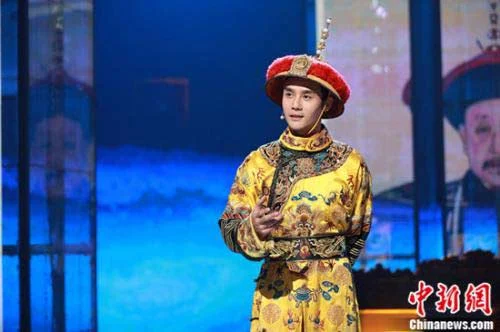
A new cultural exploration program, National Treasure, made its highly anticipated debut on Channel 3 of China Central Television (CCTV) on Sunday night, embarking on a grand journey to illuminate the nation’s most significant cultural artifacts. This ambitious series promises to bring China’s rich historical tapestry to life, showcasing the profound stories and enduring legacy of its national treasures. The inaugural episode captivated viewers by featuring three iconic artifacts from the Palace Museum in Beijing: a venerable stone drum, the breathtaking scroll painting A Panorama of Rivers and Mountains by Wang Ximeng, and a magnificent Large Vase with Variegated Glazes. The program employs a unique blend of historical reenactment, documentary footage, and studio variety show elements, with renowned actors portraying "national treasure keepers" who narrate the legendary journeys and profound connections these objects share with humanity.
Genesis of a Cultural Showcase
The inception of National Treasure stems from a growing desire within China to foster a deeper appreciation for its historical and cultural heritage among the general populace, particularly younger generations. In an era increasingly dominated by digital media and rapid technological advancements, the program aims to serve as a vital bridge, connecting contemporary audiences with the tangible remnants of China’s illustrious past. The initiative is a collaborative effort involving nine of China’s most prestigious museums, including the Palace Museum, Shanghai Museum, Nanjing Museum, Hunan Provincial Museum, Henan Museum, Shaanxi History Museum, Hubei Provincial Museum, Zhejiang Provincial Museum, and Liaoning Provincial Museum. Each institution is slated to present three national treasures throughout the series, ensuring a comprehensive and diverse exploration of China’s cultural wealth. This nationwide collaboration underscores the program’s commitment to a unified national narrative of heritage preservation and promotion.
The production of National Treasure involved extensive research and meticulous planning. Museum curators, historians, and cultural experts collaborated closely with the production team to ensure historical accuracy and authenticity in the portrayal of both the artifacts and their associated narratives. The casting of prominent actors as "national treasure keepers" was a strategic decision aimed at leveraging their star power to draw a wider audience. These celebrities, alongside selected members of the public who have personal or professional connections to the artifacts, are tasked with embodying the spirit of stewardship and reverence that these objects command. Their performances are designed not merely to recount historical facts but to evoke emotional resonance, making the ancient stories relatable and compelling for modern viewers.
The Inaugural Episode: A Glimpse into the Palace Museum’s Vaults
The pilot episode of National Treasure immediately set a high bar for the series, focusing on the unparalleled collection of the Palace Museum. The three featured treasures represent different eras and artistic pinnacles of Chinese civilization.
The Stone Drum: Echoes of Antiquity
The 2,300-year-old stone drum, one of the oldest surviving pieces of Chinese calligraphy, was brought to life through the portrayal of its keeper. While the original article mentions Tony Leung acting as statesman Sima Guang, the deeper narrative surrounding the stone drum is one of enduring artistic and historical significance. These ten large, drum-shaped stone objects, inscribed with the oldest extant examples of Chinese seal script, were originally created during the Spring and Autumn period (771-476 BCE). Their discovery and preservation have been a continuous saga throughout Chinese history, passing through various imperial collections and surviving periods of upheaval. Sima Guang, a prominent historian and official of the Northern Song Dynasty, is known for his monumental historical work, the Zizhi Tongjian (Comprehensive Mirror in Aid of Governance), which itself is a testament to the importance of preserving historical records and artifacts. By associating Leung with Sima Guang, the program subtly links the act of preserving the stone drum to a broader tradition of historical scholarship and custodianship. The stone drum’s inscriptions provide invaluable insights into the political, social, and linguistic landscape of ancient China, making it a cornerstone for understanding the early development of Chinese civilization. Its survival through millennia is a testament to the resilience of Chinese culture and the enduring value placed on its historical records.
A Panorama of Rivers and Mountains: A Masterpiece of Landscape Art
The painting A Panorama of Rivers and Mountains, a masterpiece by Wang Ximeng, a prodigy painter of the Northern Song Dynasty, captivated audiences with its vibrant colors and intricate detail. Li Chen, taking on the role of Emperor Huizong of the Song Dynasty, served as the treasure keeper. Emperor Huizong himself was a renowned artist and patron of the arts, and his reign is often considered a golden age for Chinese painting and calligraphy. His involvement in commissioning and appreciating such a monumental work underscores the painting’s significance within the imperial court and its artistic merit. The painting, a 11.9-meter-long handscroll, depicts a vast and idealized landscape, showcasing mountains, rivers, and human activity with meticulous precision. The use of mineral pigments, particularly the distinctive blue and green hues, gives the painting its striking visual appeal. However, as noted in the original text, the delicate nature of these pigments poses a challenge to its preservation, making its public display a rare event. This fragility adds another layer of poignancy to its story, highlighting the constant effort required to protect such irreplaceable cultural assets. The painting not only demonstrates Wang Ximeng’s extraordinary talent at a young age but also offers a window into the aesthetic sensibilities and artistic achievements of the Song Dynasty, a period celebrated for its cultural sophistication.
Large Vase with Variegated Glazes: A Testament to Imperial Craftsmanship
The third treasure, the Large Vase with Variegated Glazes, represents the zenith of imperial porcelain production. Wang Kai’s portrayal of Emperor Qianlong of the Qing Dynasty brought to the forefront the vase’s complex craftsmanship and historical context. Emperor Qianlong was a prolific collector and a discerning connoisseur, and his reign saw the production of some of the most exquisite and technically advanced imperial ceramics. The vase, characterized by its intricate glaze techniques, likely a san cai (three-color) or liu cai (five-color) glaze, exemplifies the innovative spirit and unparalleled skill of Qing Dynasty artisans. These variegated glazes, achieved through multiple firings at different temperatures and with precise control of chemical compositions, resulted in stunning, multi-hued decorative effects that were highly prized by the imperial court. The sheer complexity of its creation, requiring immense technical expertise and artistic vision, makes it a significant artifact in the history of Chinese decorative arts. The vase’s presence in the show underscores the continuity of artistic excellence across different dynasties and highlights the imperial pursuit of perfection in ceramic artistry. Its story is one of innovation, dedication, and the enduring legacy of Chinese craftsmanship that continues to inspire awe and admiration.
The Format: Fusion of Entertainment and Education
The National Treasure program employs a sophisticated format that artfully blends various artistic and journalistic elements. At its core, it is a cultural variety show, designed to be both entertaining and educational. Each episode unfolds as a captivating narrative, weaving together studio discussions, documentary segments, and dramatic reenactments. The "national treasure keepers," portrayed by celebrities and sometimes ordinary individuals with profound connections to the artifacts, take center stage. They act as guides, leading the audience through the historical context, artistic significance, and personal stories associated with each treasure.
The program’s structure is designed to maximize engagement. It begins with an introduction to the selected treasures, often in their museum settings, followed by dramatic vignettes that bring their historical moments to life. These reenactments are supported by expert commentary, providing factual depth and historical analysis. The studio segment allows for direct interaction between the treasure keepers, museum curators, and the audience, fostering a sense of shared discovery. This multi-faceted approach aims to demystify the often-perceived distance between the public and ancient artifacts, making them accessible and relevant to contemporary life. The fusion of these elements ensures that the show appeals to a broad spectrum of viewers, from those with a deep knowledge of history to those new to China’s cultural heritage. The ultimate goal is to ignite curiosity and foster a lasting appreciation for these priceless national treasures, ensuring their stories are not lost to time.
Broader Implications and Cultural Impact
The debut of National Treasure signifies more than just a new television program; it represents a strategic initiative to bolster cultural confidence and promote China’s rich heritage on both domestic and international stages. By bringing these stories to a mass audience, the series has the potential to significantly impact public perception and engagement with cultural preservation.
Fostering National Pride and Cultural Identity
In a globalized world, maintaining a strong sense of national identity and cultural pride is paramount. National Treasure plays a crucial role in this endeavor by highlighting the tangible achievements of Chinese civilization. The program serves as a powerful reminder of the nation’s long and illustrious history, its artistic ingenuity, and its philosophical depth. By showcasing these treasures, the series aims to instill a sense of collective ownership and responsibility for their preservation. This, in turn, can foster greater national pride and a deeper connection to the cultural roots that bind the Chinese people together. The emphasis on the "legendary life journey" of each artifact encourages viewers to see them not just as inanimate objects but as living testaments to human endeavor and historical continuity.
The Economic and Tourism Potential
Beyond its cultural significance, National Treasure also holds considerable economic implications, particularly for the tourism sector. As the program gains popularity, the featured museums and the artifacts they house are likely to attract increased visitor numbers. This surge in tourism can provide a significant economic boost to the regions where these museums are located. Furthermore, the program’s exposure on CCTV, a major national broadcaster, ensures widespread visibility, potentially drawing international attention to China’s rich cultural offerings. This could translate into increased cultural tourism and a greater global appreciation for Chinese art and history. The detailed narratives and visually engaging presentations are expected to inspire many to visit these institutions in person, experiencing the grandeur of these treasures firsthand.
A Model for Cultural Preservation and Dissemination
The innovative format of National Treasure could serve as a model for other cultural institutions and nations seeking to engage their populations with heritage. The program’s success in blending entertainment with education, and its strategic use of popular culture figures, offers valuable insights into effective methods for disseminating cultural knowledge. By making history accessible and engaging, the series contributes to a broader societal understanding of the importance of cultural heritage preservation. The collaborative effort between multiple museums also sets a precedent for inter-institutional cooperation in promoting national heritage. This collective approach amplifies the impact and reach of individual institutions, creating a more cohesive and impactful national narrative. The show’s commitment to telling the "stories" of the treasures, rather than just presenting facts, is key to its potential for long-term impact, fostering an emotional connection that encourages ongoing engagement and advocacy for cultural preservation. The series is a significant step towards making ancient Chinese civilization not just a subject of academic study but a vibrant, accessible, and cherished part of modern Chinese life.

 Asep Darmawan
 Rifan Muazin