 Suro Senen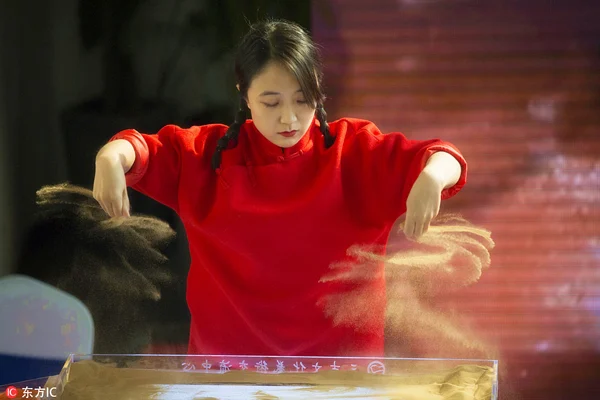
Nanjing, the historic capital of Jiangsu province in East China, recently played host to a captivating display of artistry with the inaugural International Sand Painting Competition themed "Idyllic Life." Held on December 3, 2017, the event showcased the unique talent of sand painting artists, a discipline often referred to as "art on the fingertips," where ephemeral creations are brought to life using sand, light, and music. This competition marked a significant moment for the emerging art form, drawing over one hundred registered participants and culminating in a final round featuring fifty accomplished sand painters.
The genesis of this international event can be traced back to a deliberate effort to promote and celebrate the nuanced art of sand painting, while simultaneously exploring the universally appealing theme of idyllic life. Organizers aimed to provide a global platform for artists to express their interpretations of pastoral tranquility, harmonious living, and the simple beauties of nature through the medium of sand. The call for contributions was issued in September, preceding the December competition, allowing artists ample time to conceptualize and develop their pieces. This extended preparatory period underscored the complexity and dedication required for sand painting, which demands not only artistic skill but also precision, patience, and an understanding of how light and shadow interact with granular materials.
Sand painting, as an art form, is characterized by its transient nature. Artists meticulously manipulate grains of sand on a illuminated surface, creating intricate images that evolve and transform with each movement of their hands. The interplay of light and shadow is crucial, as it defines the contours, textures, and depth of the artwork. Often accompanied by evocative music and narrative elements, sand painting performances are immersive experiences that can evoke deep emotional responses from the audience. The choice of "Idyllic Life" as the competition’s theme provided fertile ground for artists to explore themes of nature, rural landscapes, family, community, and personal peace, offering a stark contrast to the often-hectic pace of modern urban existence.
A Global Gathering of Sand Artistry
The competition’s reach extended beyond regional boundaries, attracting international interest and participation. The initial registration period saw a robust response, with over one hundred artists expressing their intent to compete. This high level of engagement signaled a growing global appreciation for sand painting as a legitimate and expressive art form. The rigorous selection process led to fifty artists advancing to the final competition, where they presented their meticulously crafted sand artworks to a panel of judges and an appreciative audience. The diversity of styles, techniques, and thematic interpretations presented by these finalists offered a comprehensive overview of the contemporary sand painting landscape.
The event in Nanjing was not merely a competition; it was envisioned as a cultural exchange and a celebration of artistic innovation. By bringing together artists from different backgrounds and fostering a shared passion for sand painting, the organizers aimed to elevate the art form’s profile and encourage further development and exploration. The "Idyllic Life" theme served as a unifying element, prompting artists to reflect on universal human desires for peace, harmony, and connection with the natural world. Each sand painting thus became a unique narrative, a fleeting masterpiece that spoke to the shared human experience of seeking solace and beauty in simpler times or environments.
The Evolution of Sand Painting
The art of sand painting, while appearing ancient, has seen a resurgence and evolution in recent decades, particularly with the advent of new technologies that enhance its presentation. Historically, sand has been used for decorative purposes and in various storytelling traditions across cultures. However, modern sand art, as showcased in Nanjing, often incorporates specialized lighting systems, backdrops, and sophisticated sound design to create a multimedia experience. This evolution has transformed sand painting from a simple craft into a complex performance art.
The "art on the fingertips" moniker accurately captures the tactile and intuitive nature of the medium. Artists develop a profound connection with the sand, understanding its flow, texture, and how it responds to subtle pressure and movement. This mastery allows for the creation of incredibly detailed and dynamic imagery, from delicate portraits to sweeping landscapes. The ephemeral quality of sand paintings adds to their allure; they exist only for a fleeting moment before being swept away, emphasizing the transient beauty of life and art itself. This characteristic also necessitates a high degree of skill and preparation, as mistakes are difficult to rectify and the entire piece must be executed with a degree of fluidity and confidence.
Supporting Data and Artistic Reach
While specific attendance figures for the competition itself were not detailed in the initial reports, the participation of over one hundred registered artists and fifty finalists indicates a substantial engagement with the event. The fact that it was an "international" competition suggests that artists likely hailed from various regions, both within China and potentially from abroad, contributing to a diverse range of artistic perspectives. The theme of "Idyllic Life" resonates globally, tapping into a common human aspiration for peace and natural beauty, which likely contributed to the broad appeal and participation.
The impact of such events extends beyond the immediate artistic display. Competitions like this serve as catalysts for the art form, providing:
- Increased Visibility: International events bring greater media attention and public awareness to sand painting, attracting new audiences and potential patrons.
- Artist Development: The competitive environment encourages artists to push their creative boundaries, refine their techniques, and experiment with new approaches.
- Cultural Exchange: Bringing artists together from different backgrounds fosters collaboration, learning, and a broader understanding of artistic traditions.
- Economic Potential: As sand painting gains traction, it can open up opportunities for artists in areas such as performance, exhibition, and even educational workshops.
The organizers’ decision to focus on the theme of "Idyllic Life" likely aimed to connect with a broad spectrum of human emotion and experience. In an increasingly digitized and fast-paced world, the concept of an idyllic existence—characterized by nature, simplicity, and harmony—holds significant appeal. This theme allows for a wide range of artistic expression, from serene natural landscapes and pastoral scenes to more personal interpretations of peace and contentment.
Broader Implications and Future Prospects
The successful staging of the first International Sand Painting Competition in Nanjing suggests a growing recognition and support for niche art forms within China and potentially on a global scale. The "Idyllic Life" theme, with its universal resonance, provided a strong foundation for artistic exploration and audience engagement.
The implications of this event are multifaceted:
- Nanjing as a Cultural Hub: The competition positions Nanjing as a city that actively supports and promotes diverse artistic expressions, potentially attracting more cultural events in the future.
- Growth of Sand Painting as a Profession: Events like this can contribute to the professionalization of sand painting, leading to more structured training, exhibition opportunities, and career paths for artists.
- Exploration of Traditional and Contemporary Art: Sand painting bridges the gap between traditional storytelling techniques and contemporary performance art, offering a unique blend of heritage and innovation.
- Potential for Tourism and Cultural Diplomacy: High-profile art competitions can draw international visitors, boosting local tourism and fostering goodwill through cultural exchange.
Looking ahead, the success of this inaugural competition could pave the way for similar events, perhaps with different themes that explore other facets of human experience and artistic expression through sand. The establishment of a recognized international competition framework could also lead to the development of professional bodies, standardized judging criteria, and a more robust ecosystem for sand painting artists worldwide. The competition in Nanjing, therefore, represents not just a single event, but a significant step in the ongoing journey of sand painting to be recognized and celebrated as a powerful and versatile art form on the global stage. The "art on the fingertips" has, through this competition, left a lasting impression, even as the sand itself may have been swept away.

 Asep Darmawan
 Rifan Muazin